 EN
EN
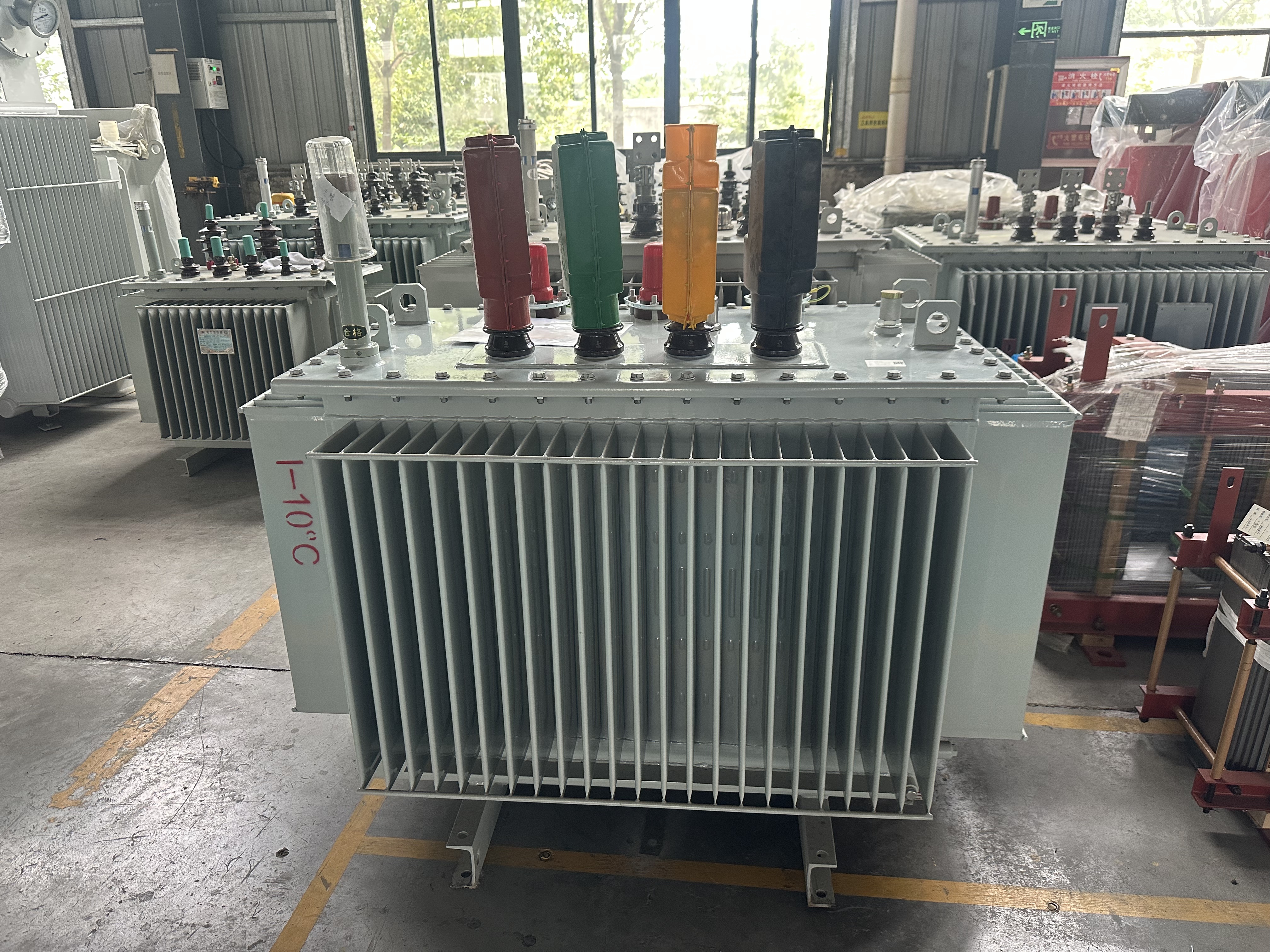
When choosing an oil-immersed transformer for your project, it is essential to follow the internationally recognized technical framework. Consideration should be given comprehensively from the standard system, key parameters, to on-site acceptance, to help the purchaser and technical personnel complete the selection process efficiently.
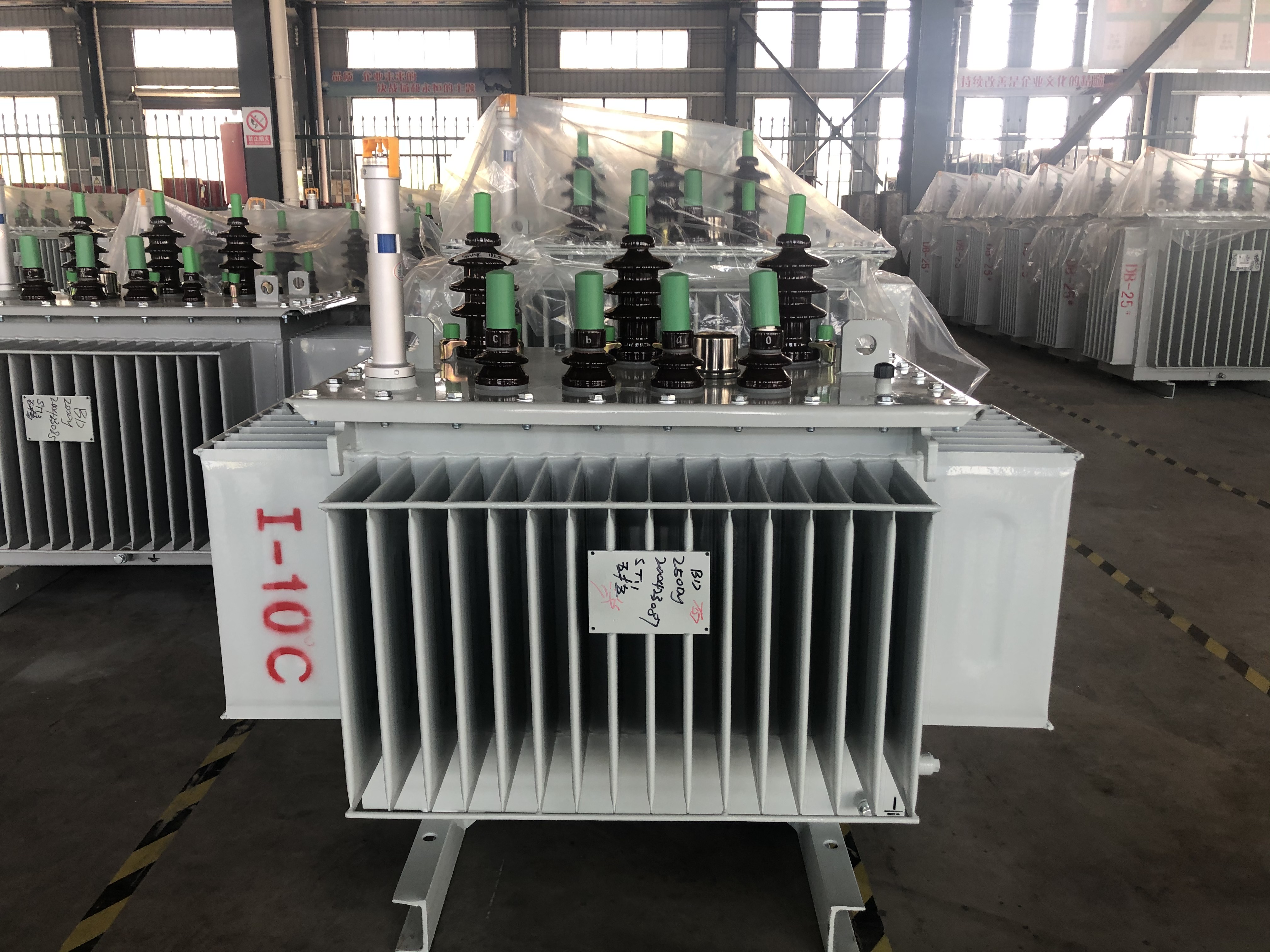
I. International Standard System
The most widely used oil-immersed transformer standard globally is the IEC 60076 series, which covers the design, manufacturing, testing, and performance requirements of power transformers. This standard has the highest acceptance rate in projects in Europe, Southeast Asia, the Middle East, and Africa.
Different regions also need to refer to local customary standards:
• IEEE C57.12.00 / C57.12.90 - Widely adopted in the North American market, stipulating the general requirements and test procedures for liquid-immersed transformers
• ANSI / NEMA - Common requirements in utility and industrial projects in the United States
• AS/NZS 60076 - Applicable standard for projects in Australia and New Zealand
• CSA C88 - Special standard for installation projects in Canada
In international procurement, it is necessary to confirm with the end user the standard version recognized by the local power grid department. Most manufacturers can provide dual-standard (such as IEC + IEEE) compliant products, but costs and delivery times will be adjusted accordingly.
II. Key Rated Values and Performance Parameters of oil transformer
The following electrical and thermal performance parameters of oil immersed transformer must be clearly specified during the quotation stage:
Parameter Explanation
Rated Capacity (kVA / MVA) To be determined based on current load and future expansion requirements, common range is 100kVA to 100MVA or above
Voltage Ratio and Tap Range Primary and secondary voltage values, as well as on-load or off-load voltage regulation range (e.g. ±2×2.5%)
Frequency Usually 50Hz or 60Hz - Ensure to confirm according to the project's grid frequency
Connection Group Like Dyn11, Yyn0, Yd1, etc., affects parallel operation and system grounding method
Short-circuit Impedance (Z%) Usually 4% to 10%, depending on the capacity; affects fault current level and voltage regulation rate
No-load Loss and Load Loss Have a direct impact on annual electricity expenses; require the manufacturer to provide guaranteed values and allowable tolerance range
Temperature Rise Limit According to IEC standards: average winding temperature rise does not exceed 65K (resistance method), top oil temperature rise does not exceed 60K (thermometer method)
Insulation Level (BIL) For example, 11kV system corresponds to 75kV, 33kV system corresponds to 125kV - Must match system overvoltage
Protection Configuration
Note: For projects with a lifespan of over 20 years, it is necessary to request the supplier to provide guaranteed efficiency values at 50% and 100% load rates, which is often a key differentiating factor in the selection process.
III. Technical Requirements and Acceptance Checklist
The technical requirements specified in the purchase order:
• Core material: Cold-rolled oriented silicon steel sheets (CRGO), with guaranteed unit loss values
• Winding material: Oxygen-free electrolytic copper - although the price of aluminum windings is lower, they have higher losses and shorter thermal cycling life
• Insulation oil type: Mineral oil (standard configuration) or biodegradable ester-based oil (suitable for environmentally sensitive areas)
• Oil tank structure: Waveform sheet type (for small capacity) or heat dissipation tube type with an independent cooler (for large capacity); must pass positive pressure and vacuum sealing tests
• Protection and accessories: Gas relay, pressure release valve, oil temperature indicator, winding temperature indicator, oil level gauge, desiccant breather, etc. - the protection level must meet the IP requirements of the installation environment
Acceptance checklist upon arrival:
After the transformer arrives at the site and before installation and energization, complete the following checks:
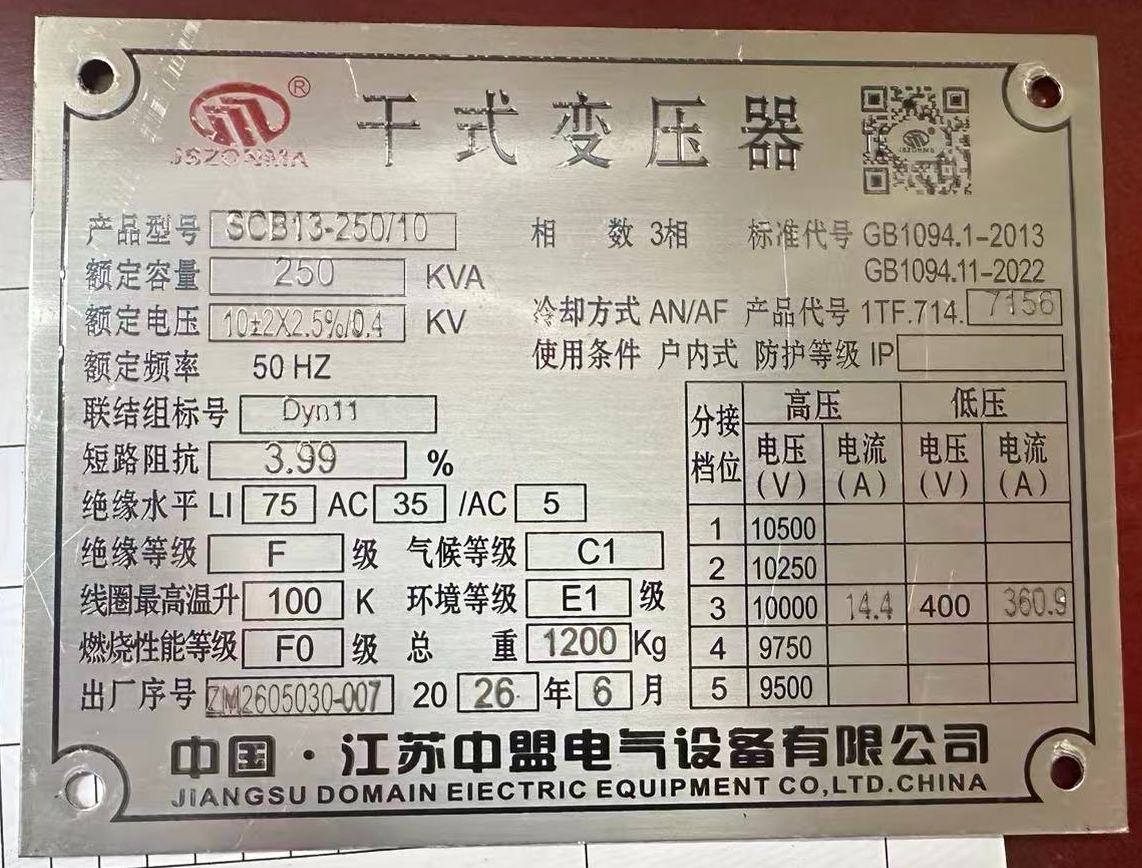
• Nameplate verification - confirm that all data on the nameplate is consistent with the purchase order and factory test report
• Factory test report - review all routine tests (voltage ratio, DC resistance, loss, impedance, insulation) and type tests (temperature rise, short-circuit withstand, impact) results
• Visual inspection - check for any transportation impacts, dents, or oil leakage signs on the oil tank, bushings, coolers, and all accessories
• Oil sample testing - take oil samples before energization to test dielectric strength (≥ 40 kV), moisture content, and dissolved gas components
• Fastener inspection - confirm that all electrical and mechanical connection bolts have been tightened according to torque requirements
• Grounding check - confirm that the oil tank grounding terminal has been correctly installed according to the system grounding scheme
• On-site handover test - perform ratio test, DC resistance test, insulation resistance (megohmmeter) and dielectric loss factor (tan δ) test according to IEC 60076 or IEEE C57.12.90 procedures
Important reminder: Do not energize the transformer before completing all the acceptance checks. The quality guarantee clauses of most manufacturers clearly exclude damages caused by improper unloading, missed inspections, or installation errors.
Following the above framework - aligning with international standards, clarifying performance parameters, and implementing on-site inspection upon delivery - ensures that the selected oil-immersed transformer will operate reliably throughout its design lifespan. Finally, during the quotation stage, provide the manufacturer with a complete data sheet including all the above parameters to minimize communication back-and-forth and accelerate the procurement process. The cooling method (ONAN, ONAF, OFAF, etc.) and special on-site conditions such as altitude and environmental temperature also need to be confirmed with the manufacturer's technical team one by one in advance.
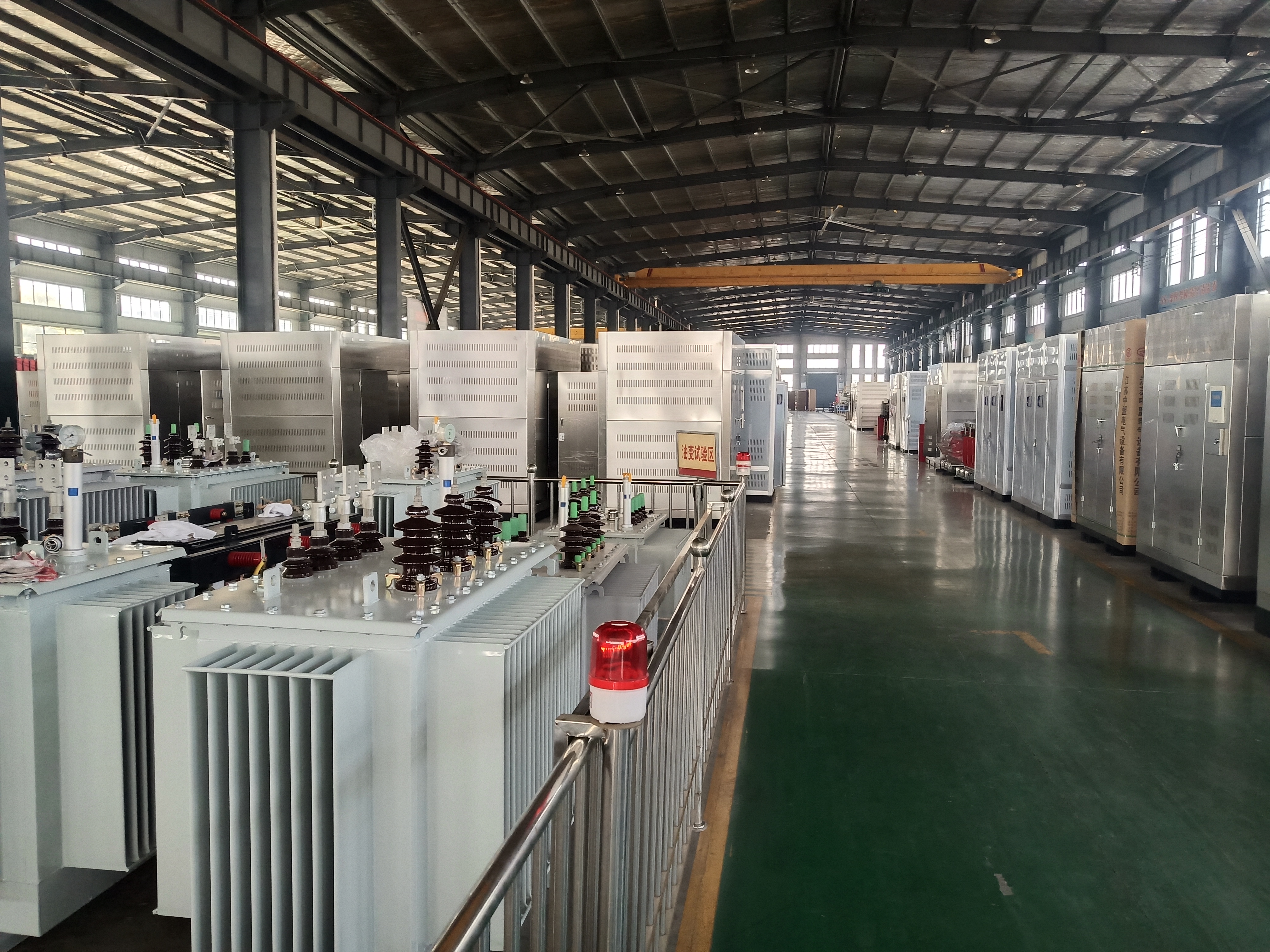
Jiangsu Unita Electrical Equipment Co.,Ltd. (JSZONMA) all of our products undergo all the necessary tests for transformers before leaving the factory. We issue test reports according to the customer's requirements, and each transformer has its own label with detailed information about the transformer, making it easy for customers to identify and verify. If you have any questions or requirements, please feel free to contact us at any time. We will respond to you as soon as possible.