 EN
EN

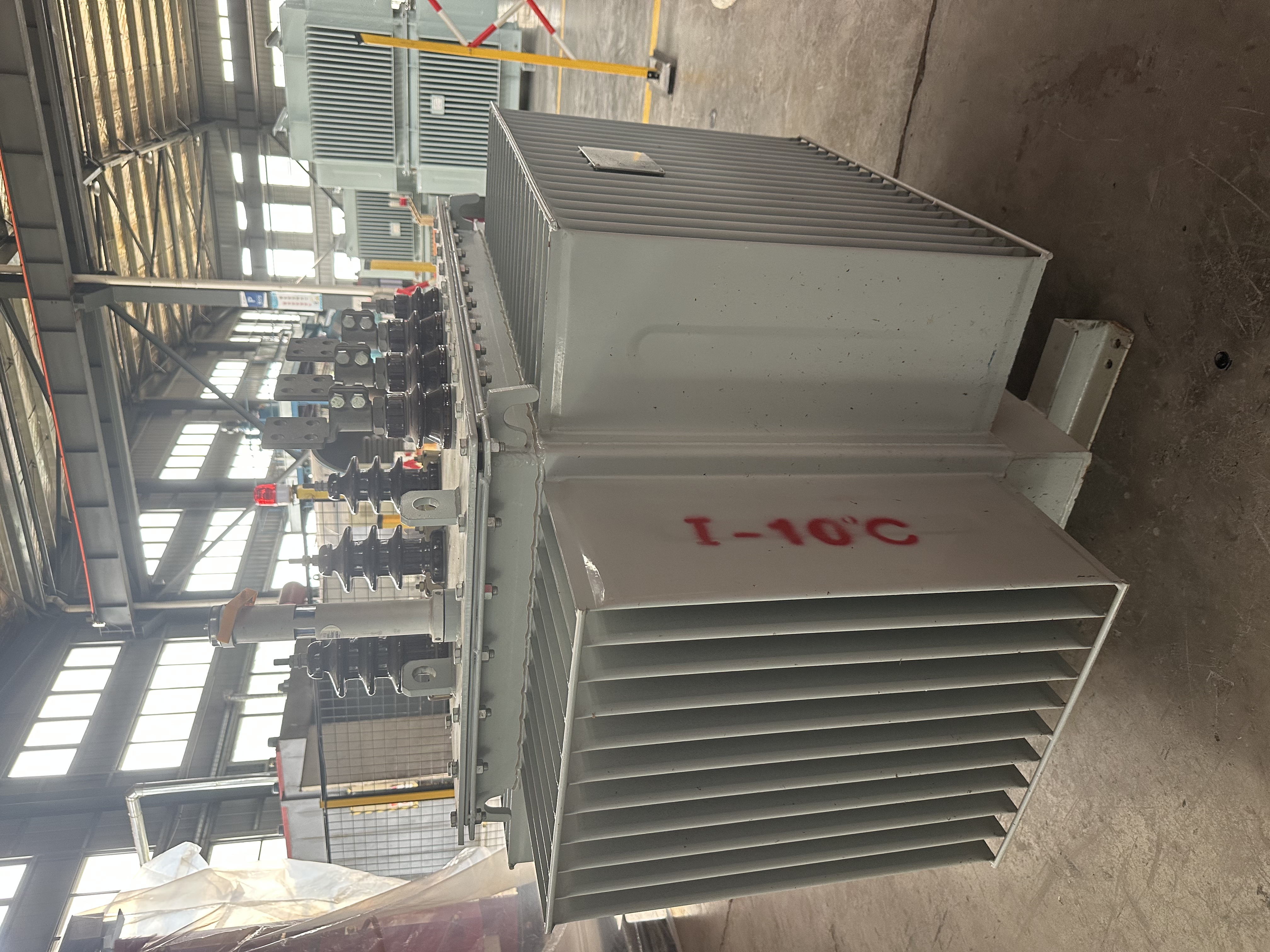
The importance of heat dissipation performance for oil filled transformers is mainly reflected in its direct impact on the operational lifespan and safety of the electrical transformer. The service life of the transformer is largely determined by the aging degree of the oil-paper insulation system, and thermal aging is the most significant factor causing insulation deterioration. For every period of time that the insulation material operates beyond its designed temperature, the aging rate will increase exponentially. Therefore, efficient heat dissipation can effectively control the hotspot temperature of the windings - this is a key indicator for evaluating the operating status and remaining lifespan of the transformer.
If the heat dissipation is poor, and the internal temperature is too high, it will not only accelerate the deterioration of the insulating oil and solid insulation materials, reducing insulation performance, but also may cause equipment failures and even affect the stable operation of the entire power grid. It can be said that good heat dissipation is the fundamental prerequisite for ensuring that the transformer can operate safely and stably under the rated load and reach its designed lifespan (usually up to 30 years or more).
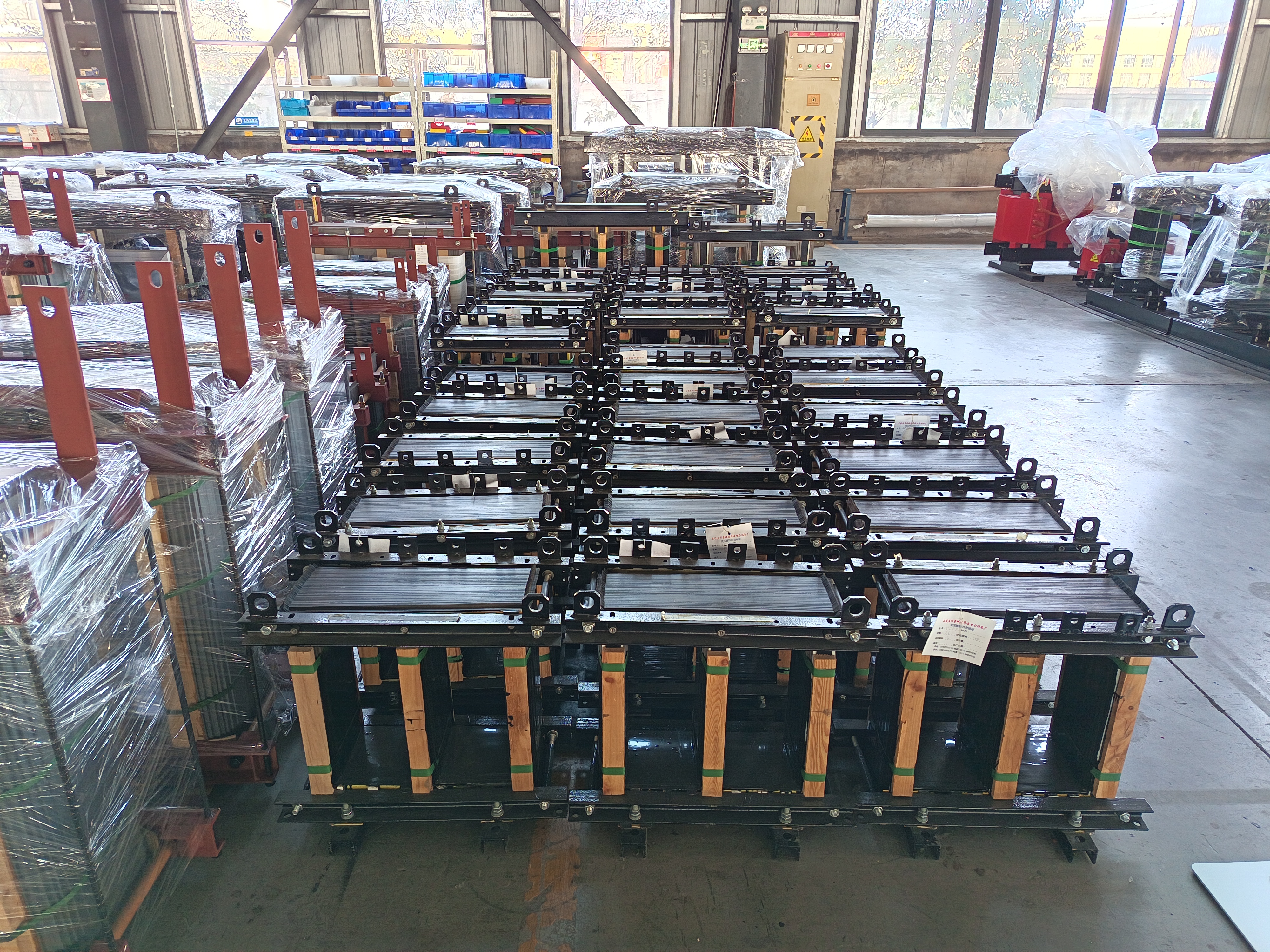
Key factors affecting the heat dissipation of oil-immersed transformers
The heat dissipation efficiency of oil immersed distribution transformers is essentially the result of the synergy of oil flow circulation and air convection. The core factors influencing this process can be analyzed from two major aspects: the internal oil flow state and the external cooling conditions.
- The internal oil flow circulation and structural design are the basis of heat dissipation.
During the operation of the transformer, the heat generated by the windings and the core is transferred to the heat sink through the natural or forced convection of the insulating oil. Studies have shown that the oil flow speed has a significant impact on temperature rise: when the oil flow speed increases from 0.05 m/s to 0.20 m/s, the maximum temperature of the core can be reduced by 11.62 K. The internal oil channel structure is also crucial. Widening the horizontal oil channels or reasonably setting oil-blocking plates can effectively improve the circulation in the stagnant areas of the oil flow, reducing the average temperature of the windings.
- The external cooling method and environmental conditions determine the efficiency of heat dissipation.
The cooling methods are classified in order of efficiency as oil-immersed self-cooling (ONAN), oil-immersed air-cooling (ONAF), and forced oil circulation air cooling (OFAF). Air cooling can improve the heat dissipation effect by 150% to 200% compared to self-cooling. Moreover, the higher the environmental temperature, the smaller the heat dissipation temperature difference, and the worse the effect. Innovative designs are also continuously breaking through traditional limitations, such as adding raised structures on the oil tank wall to disrupt the thermal boundary layer, reducing the hotspot temperature by 10.6 K.
In conclusion, optimizing the heat dissipation of the transformer requires a coordinated approach from the internal oil channel structure, cooling method selection, and new enhanced heat exchange technologies, in order to effectively control the hotspot temperature rise and delay insulation aging.
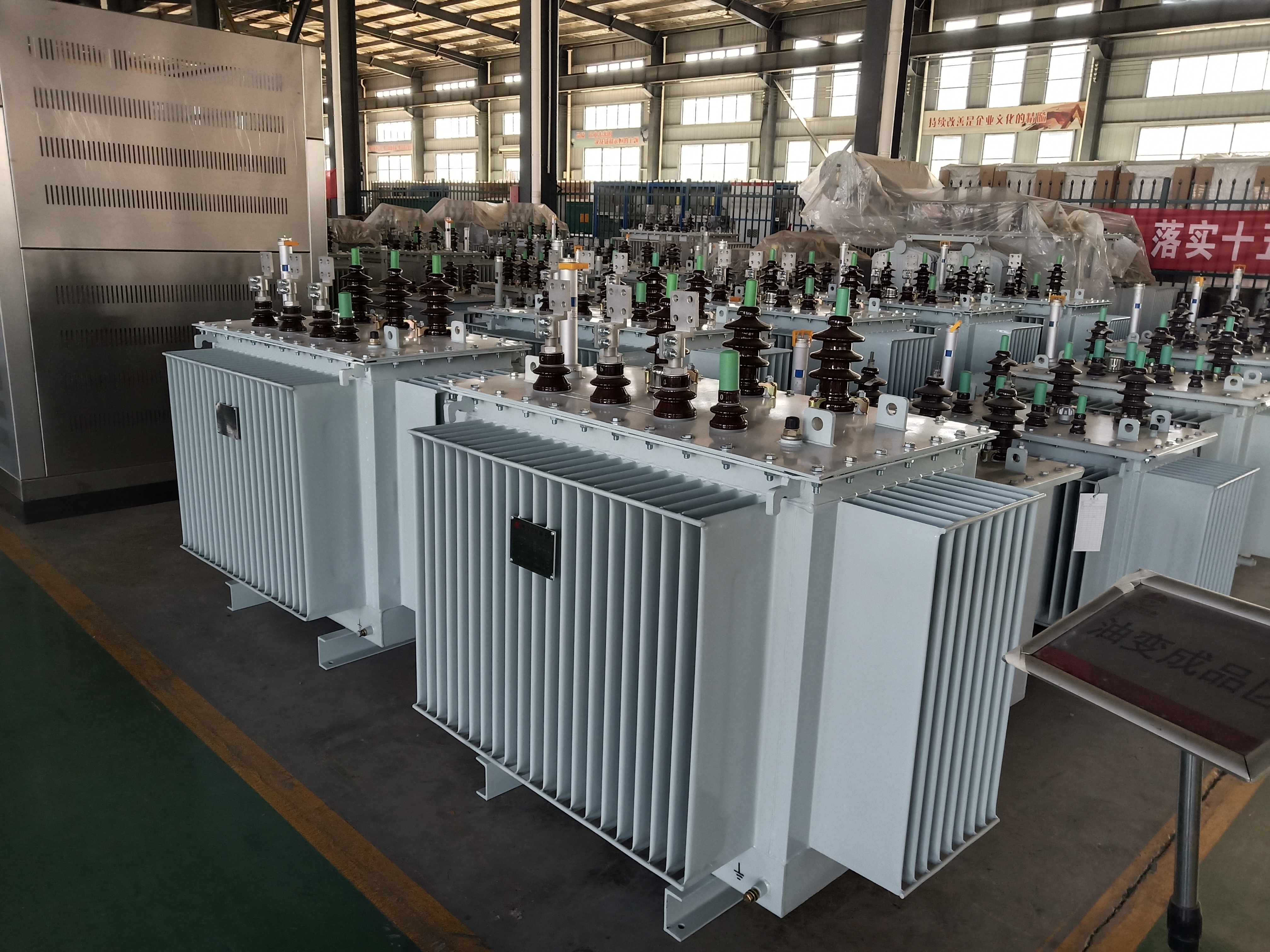
How to determine the cooling performance of a transformer?
To assess whether the cooling performance meets the standards, there is a set of methods ranging from standard verification to online monitoring:
- Standard temperature rise test (before factory and commissioning):
This is the core criterion for evaluation. According to national standards, by simulating the rated load, measuring the temperature rise of each part of the transformer (the difference between temperature and the environment), and ensuring that it does not exceed the specified limit. The test will focus on monitoring the temperature rise of the top oil and the hot spot temperature of the windings, which is the key to determining whether the cooling design is qualified.
- Operation status monitoring (daily operation):
For operating transformers, the following methods can be used for assessment:
• Temperature monitoring: Monitoring the top oil temperature is the most direct method. Persistent high oil temperature usually indicates a decline in the efficiency of the cooling system.
• Heat sink efficiency assessment: Based on the principle of energy balance, using engineering algorithms, the current actual efficiency of the heat sink can be inferred from the operating data such as load loss and oil temperature rise, thereby grasping whether the cooling capacity has deteriorated.
• Infrared thermal imaging detection: Using an infrared thermal imager to scan the transformer casing and heat sinks can directly identify areas of local overheating or uneven cooling.
- Specialized testing for specific indicators:
When suspecting a cooling problem, more detailed testing can be conducted, such as measuring the winding thermal resistance to calculate the average temperature rise of the windings, or installing optical fiber sensors to directly measure the most critical hot spot temperature.
Through these systematic evaluation methods, the cooling status of the transformer can be comprehensively understood, allowing for the timely detection of problems and the implementation of maintenance measures.
Jiangsu Unita Electrical Equipment Co.,Ltd. (JSZONMA)Before each transformer is put into production, a comprehensive quality inspection system is implemented. Among them, the temperature rise test and insulation performance test are the core mandatory items for the factory inspection, aiming to strictly verify the thermal stability and electrical safety of the product, ensuring that each oil-immersed transformer can operate safely, reliably and stably in the power grid for a long time.