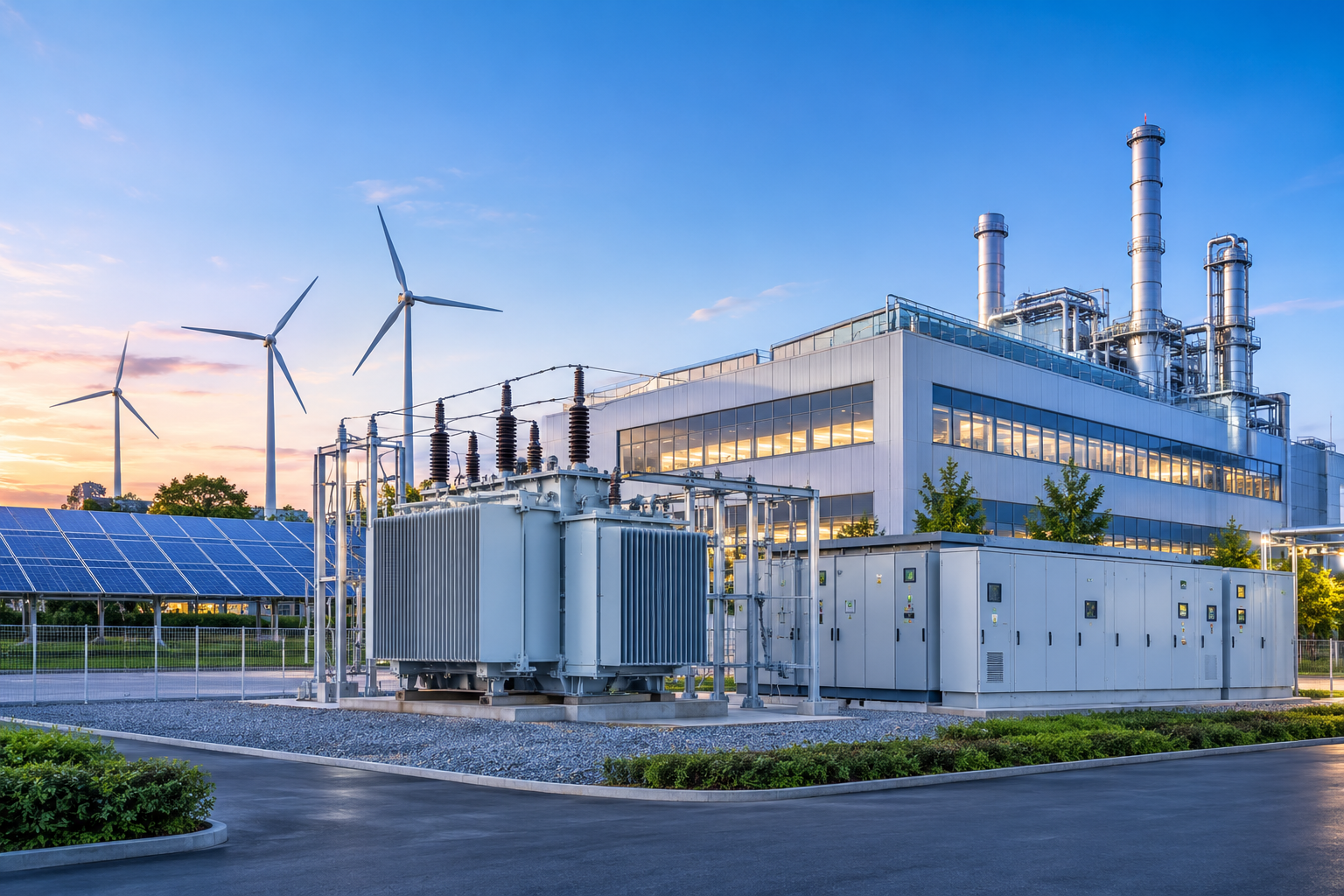
An industrial microgrid distribution system succeeds or fails on decisions made long before the first breaker is closed: how loads are classified, how much spare capacity is reserved, how transformers and feeders are sized, and whether protecti...
VIEW MORE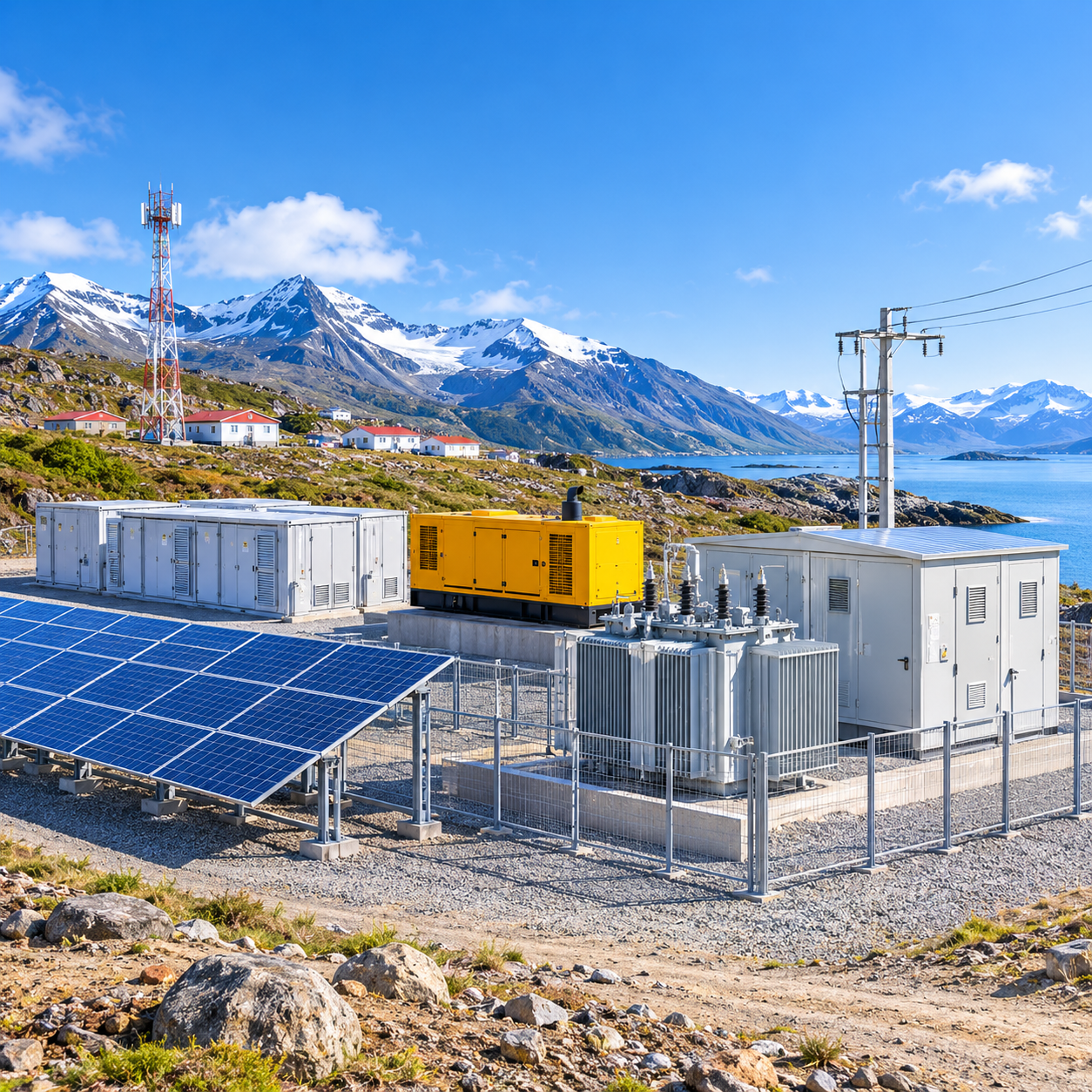
Remote communities and industrial sites often face the same fundamental challenge: the main utility grid is either unavailable, unreliable, or too expensive to extend. Off-grid microgrid power distribution has become a practical solution for deliver...
VIEW MORE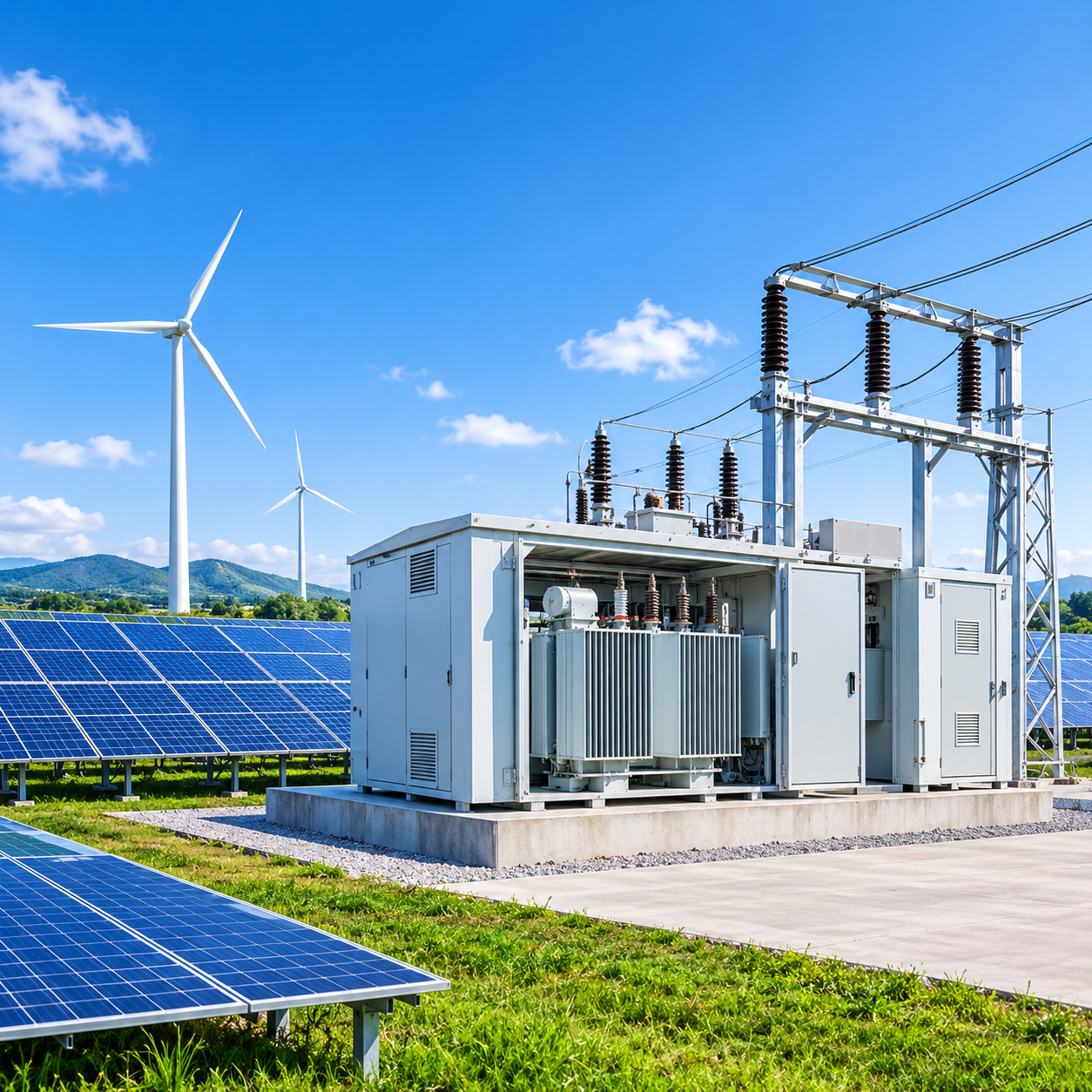
A solar microgrid lives or dies by its weakest electrical link. The step-up transformer station is rarely the most visible component, yet it determines whether the array can deliver stable power at the point of interconnection—and whether the ...
VIEW MORE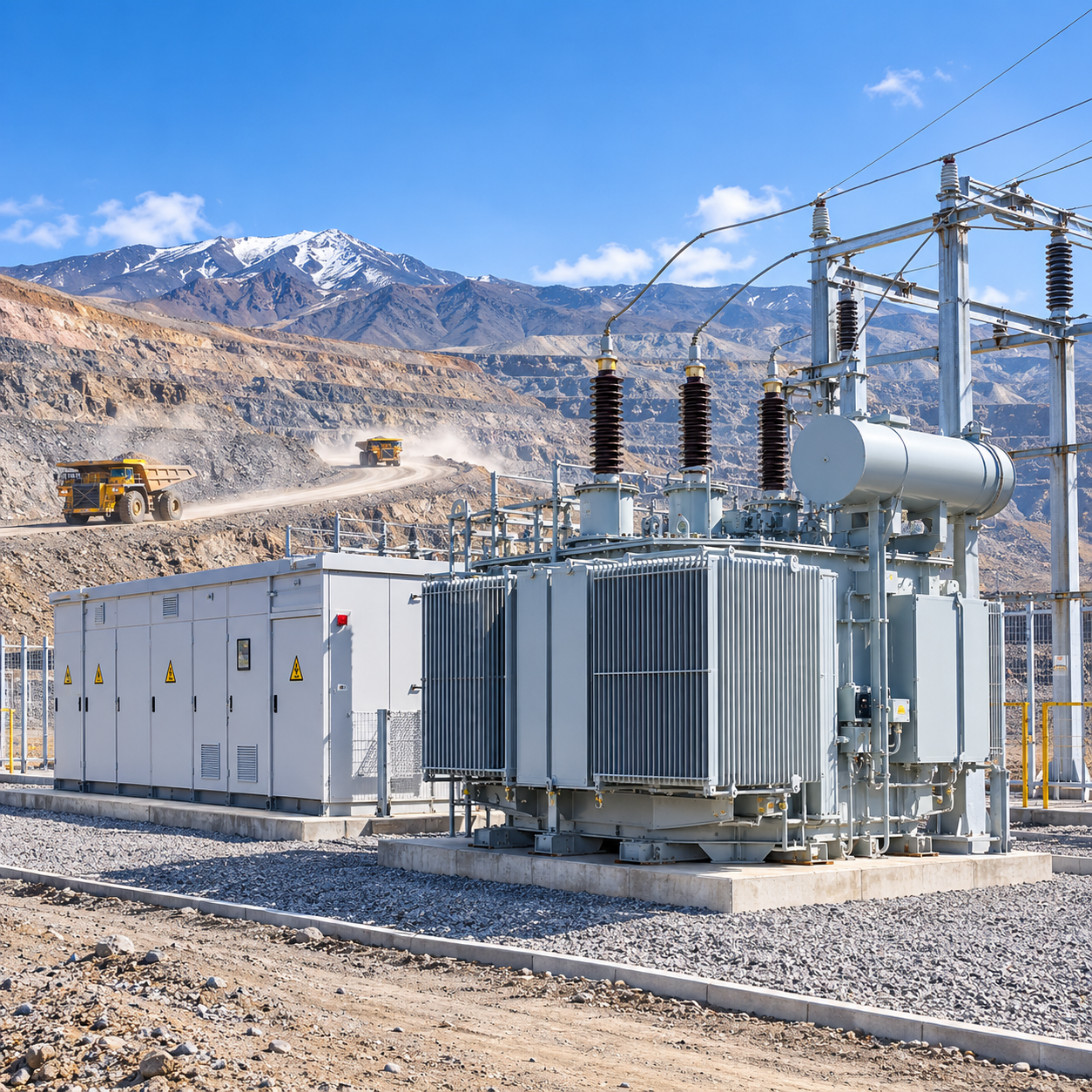
Remote mining projects in Central Asia, South America and other off-grid regions face a power distribution problem that grid-connected plants do not: the mine must supply its own voltage and frequency support while absorbing some of the heaviest imp...
VIEW MORE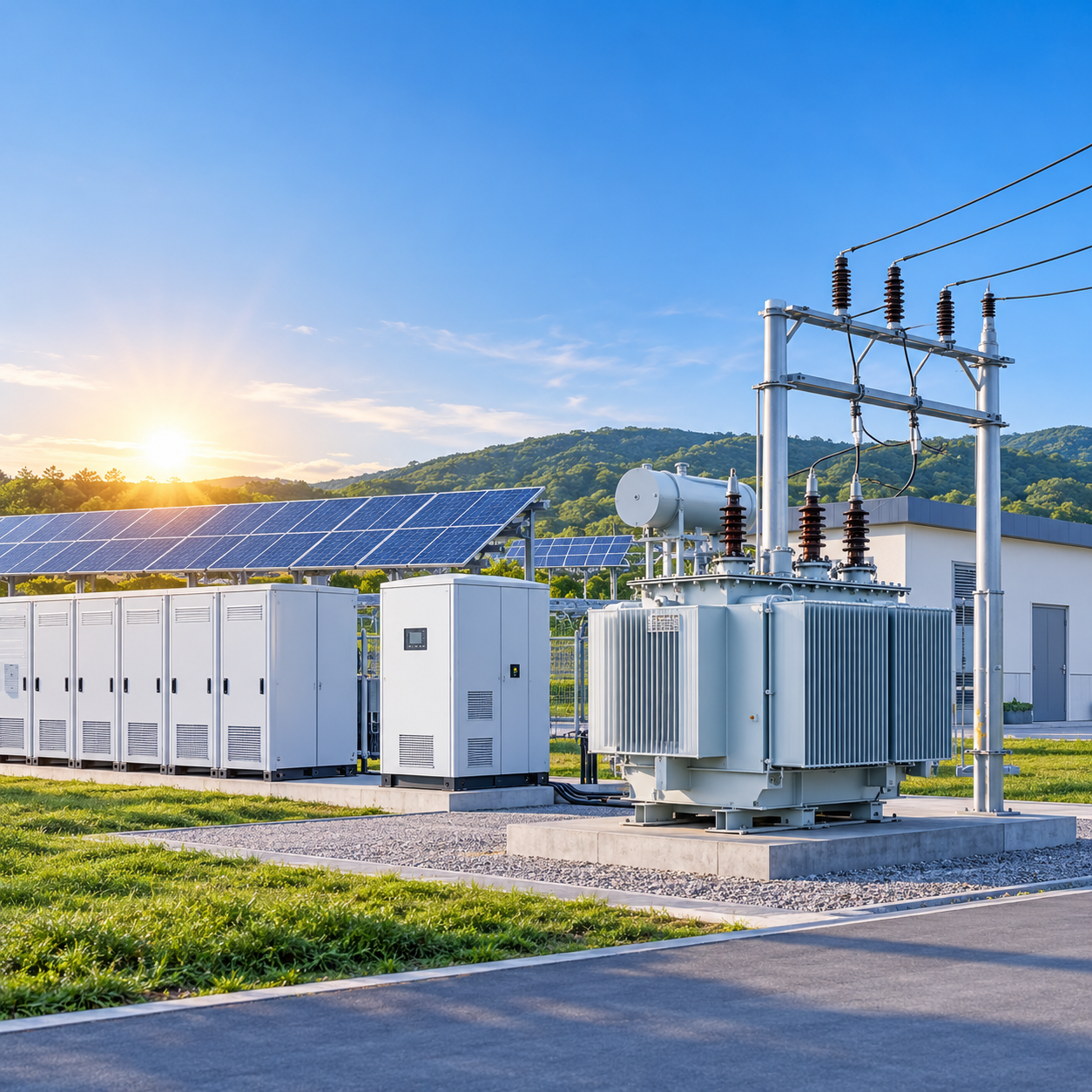
A microgrid is often described by its sources—PV arrays and battery racks—but the equipment that determines whether those sources actually behave well together sits in the middle: the transformer. In grid-tied mode, it is a power channel...
VIEW MORE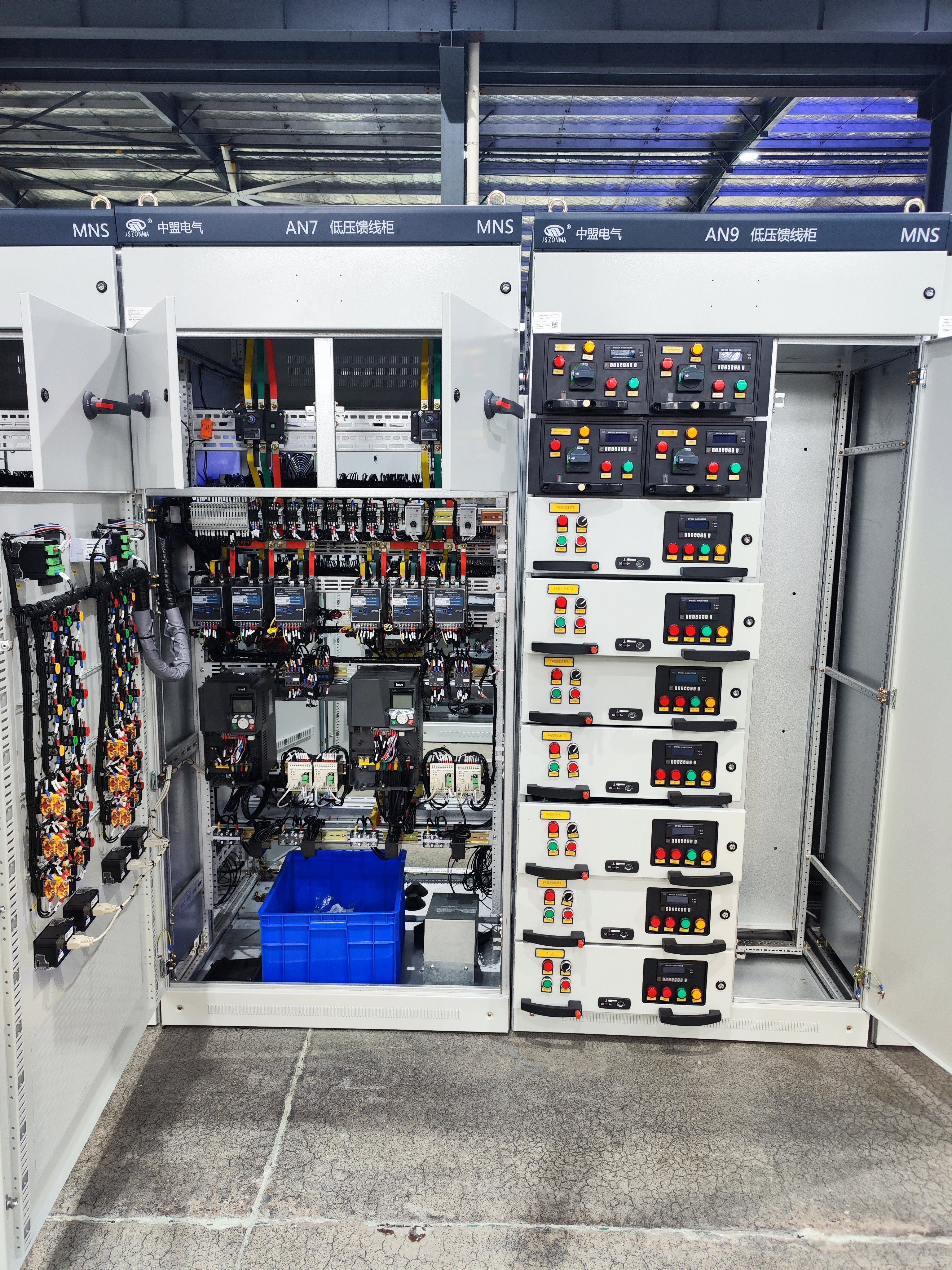
A microgrid combines distributed energy resources (DERs) such as solar, storage, and generators with loads, and it must operate both grid-connected and islanded. Microgrid switchgear sits at the center of this system. It does not simply carry ...
VIEW MORE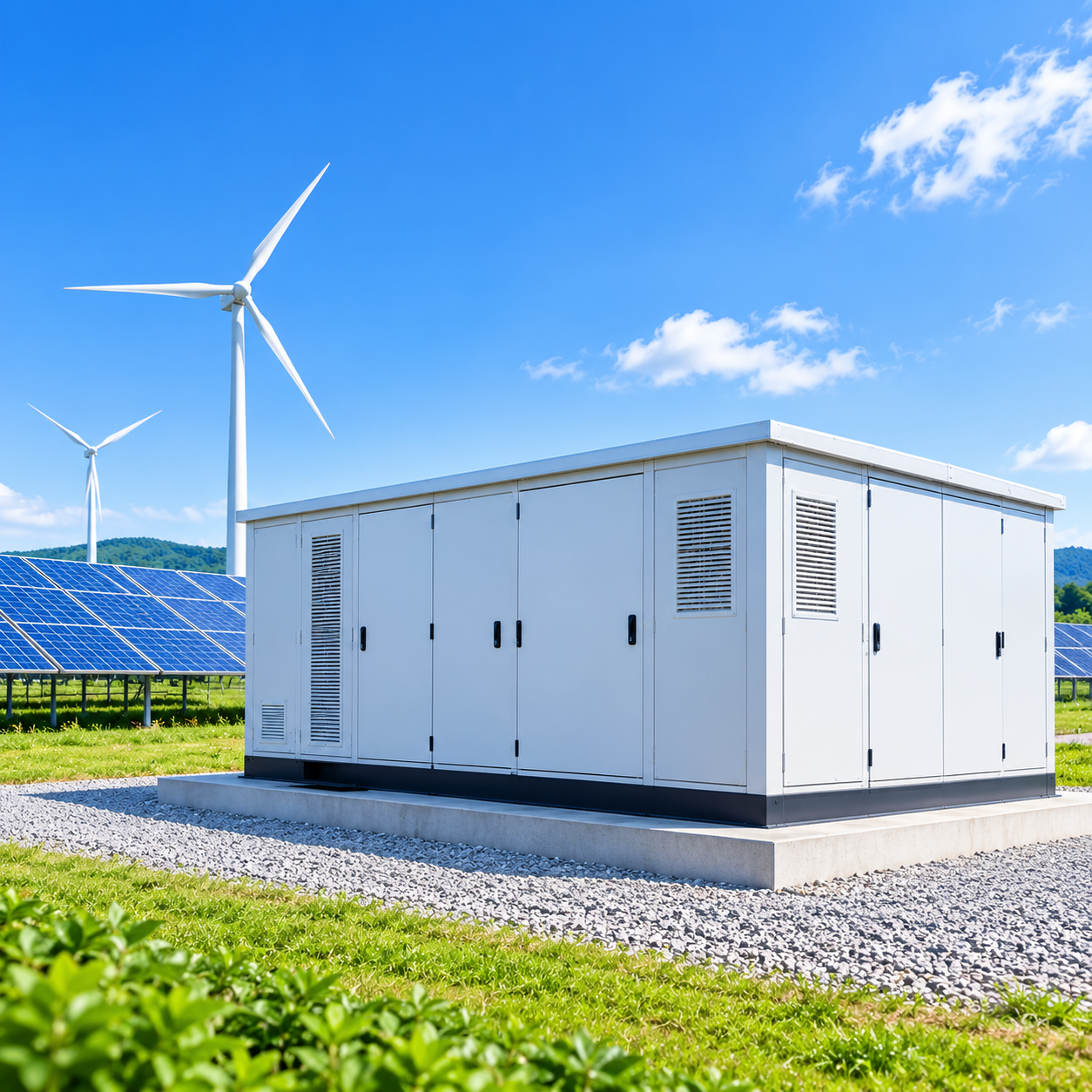
Structure and Integration Design Configurations A box-type substation combines medium-voltage incoming panels, the step-up or step-down transformer, low-voltage feeders, protection devices, and metering in one steel enclosure. European-style designs...
VIEW MORE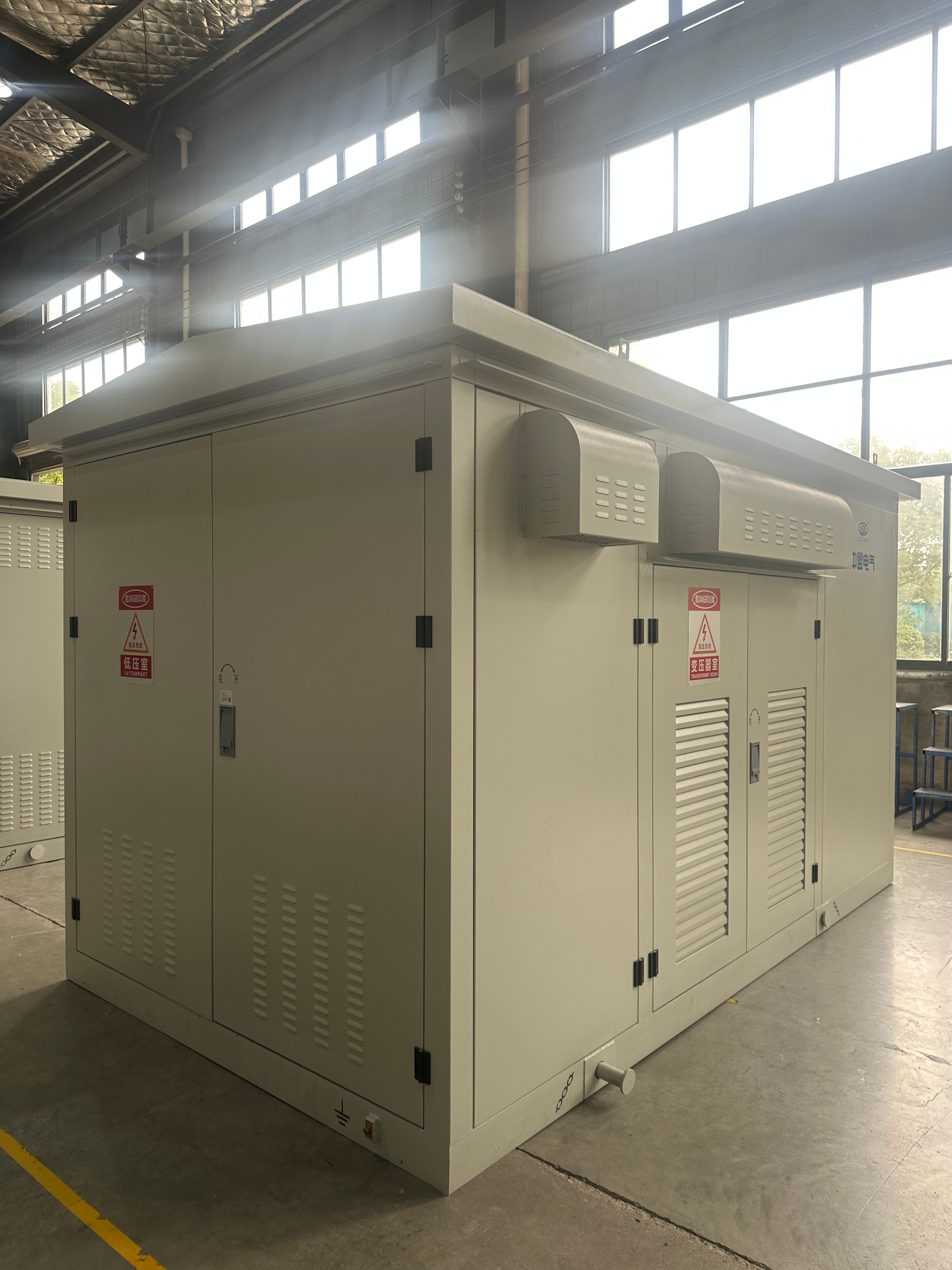
Microgrid transformer selection differs from ordinary distribution projects. It must handle PV, energy storage, EV chargers and other power electronic equipment, with bidirectional power flow and more harmonics. If the transformer is too small, it m...
VIEW MORE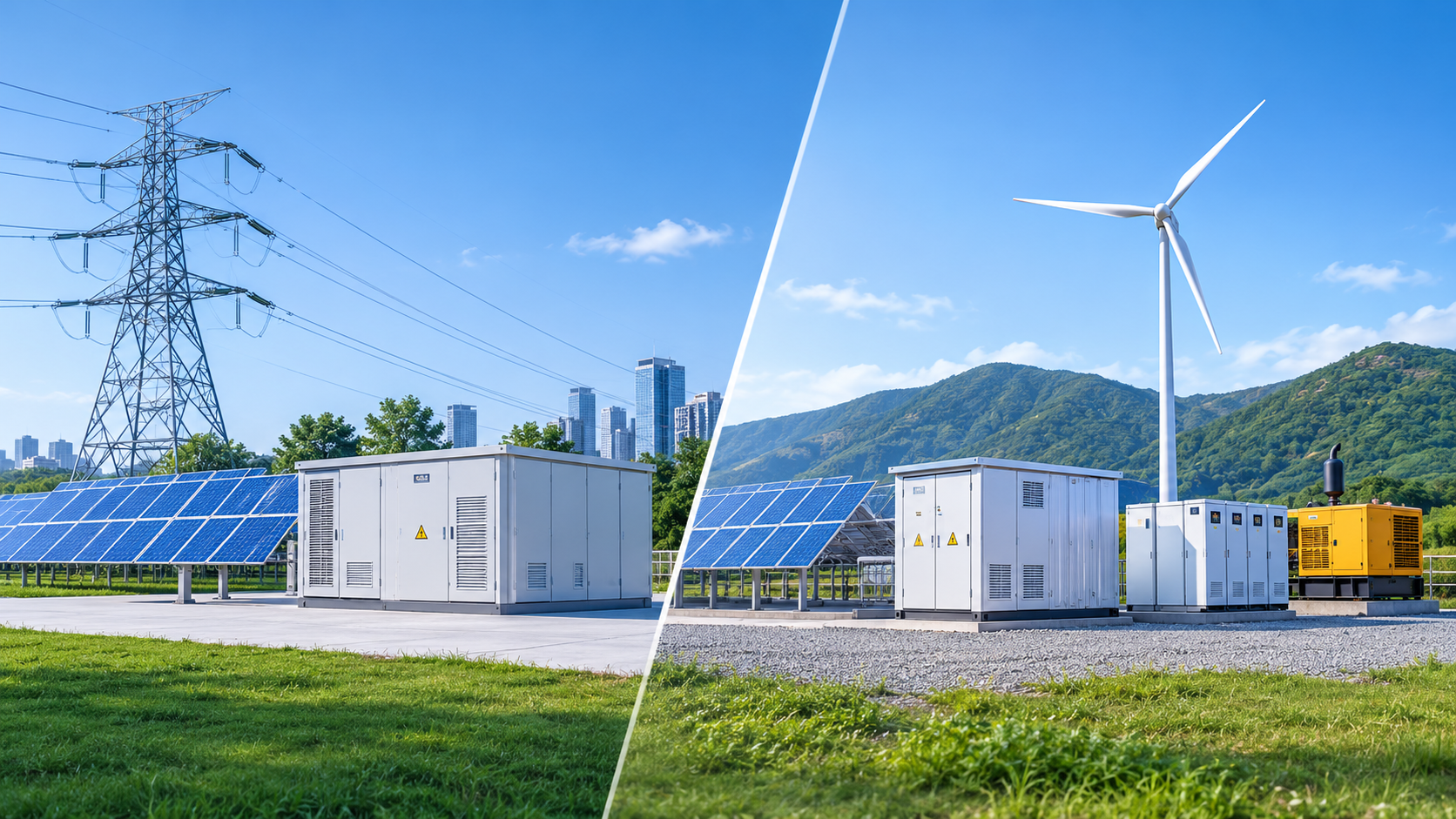
Microgrids have two basic operating modes: grid-connected and off-grid. The two differ clearly in control logic, equipment selection, and protection settings. Understanding these differences is the basis for equipment selection in the early stage of...
VIEW MORE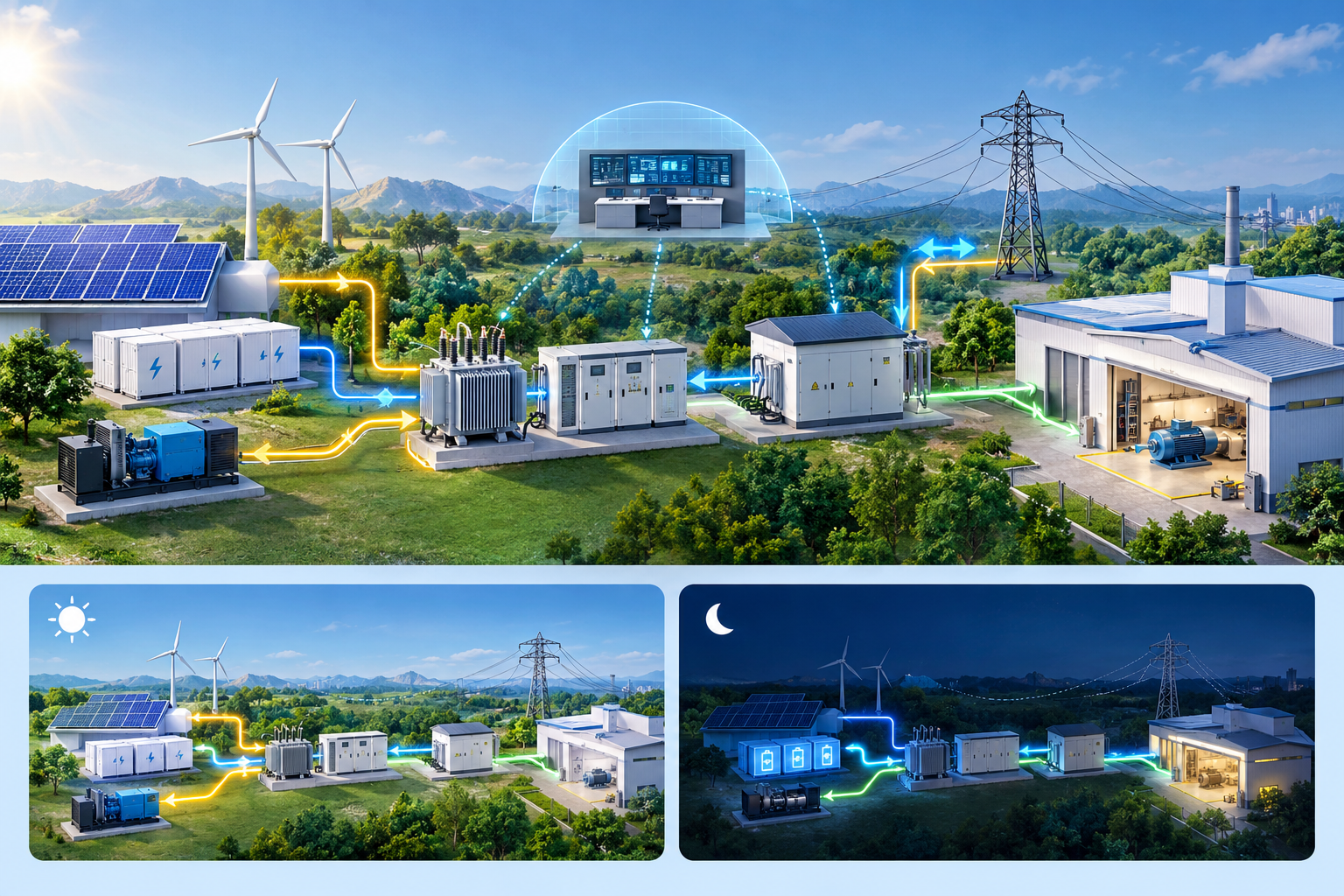
At noon, rooftop solar panels generate electricity. How does that power pass through inverters, transformers, and switchgear and finally reach a motor in a workshop safely? At night, when a battery storage system discharges, which equipment does th...
VIEW MORE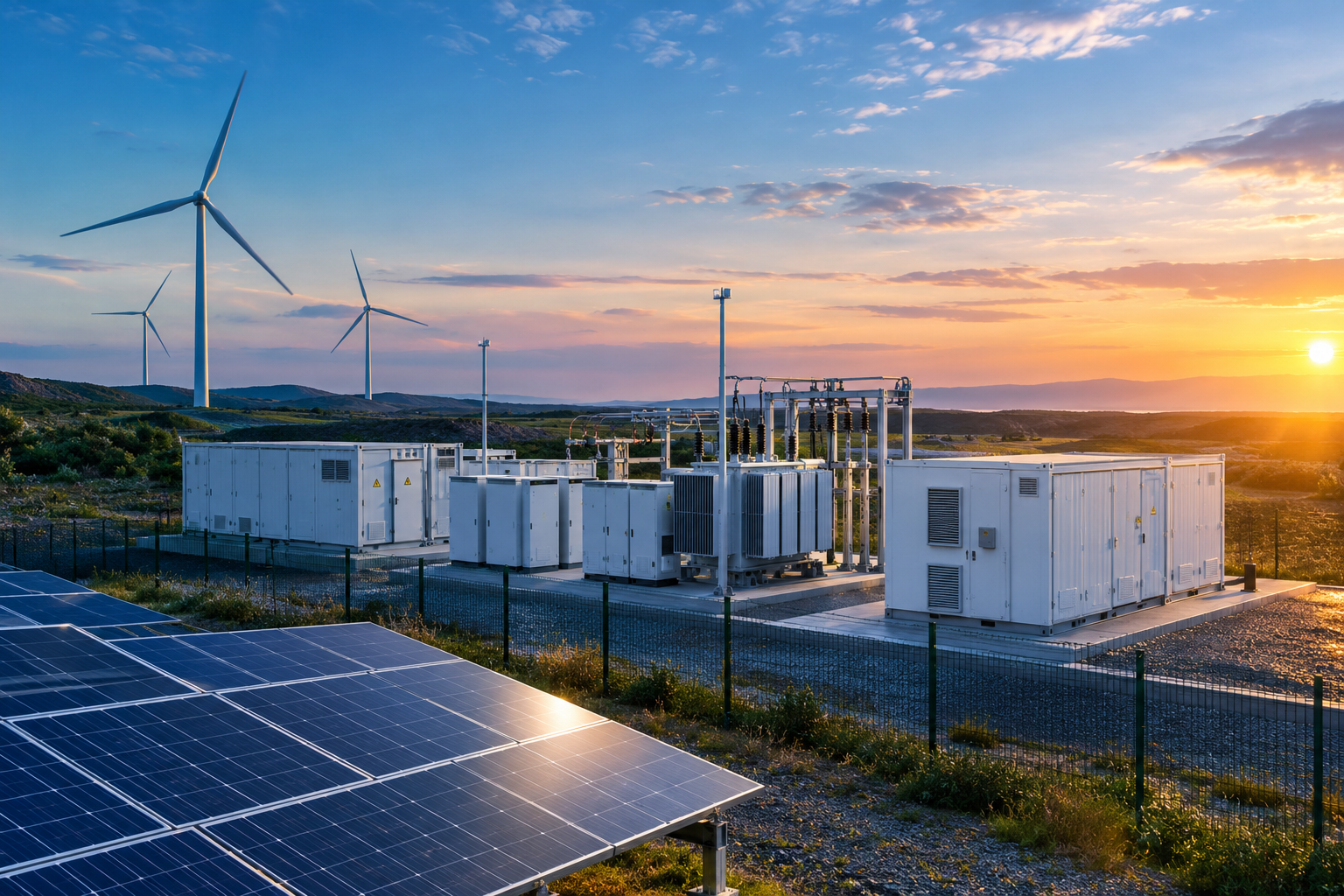
Without the Main Grid as a Backstop, Off-Grid Testing Asks: "Can You Survive on Your Own?" When a grid-connected microgrid has a problem, the main grid provides backup: voltage drops can be supported, frequency fluctuations can be absorbed, and powe...
VIEW MORE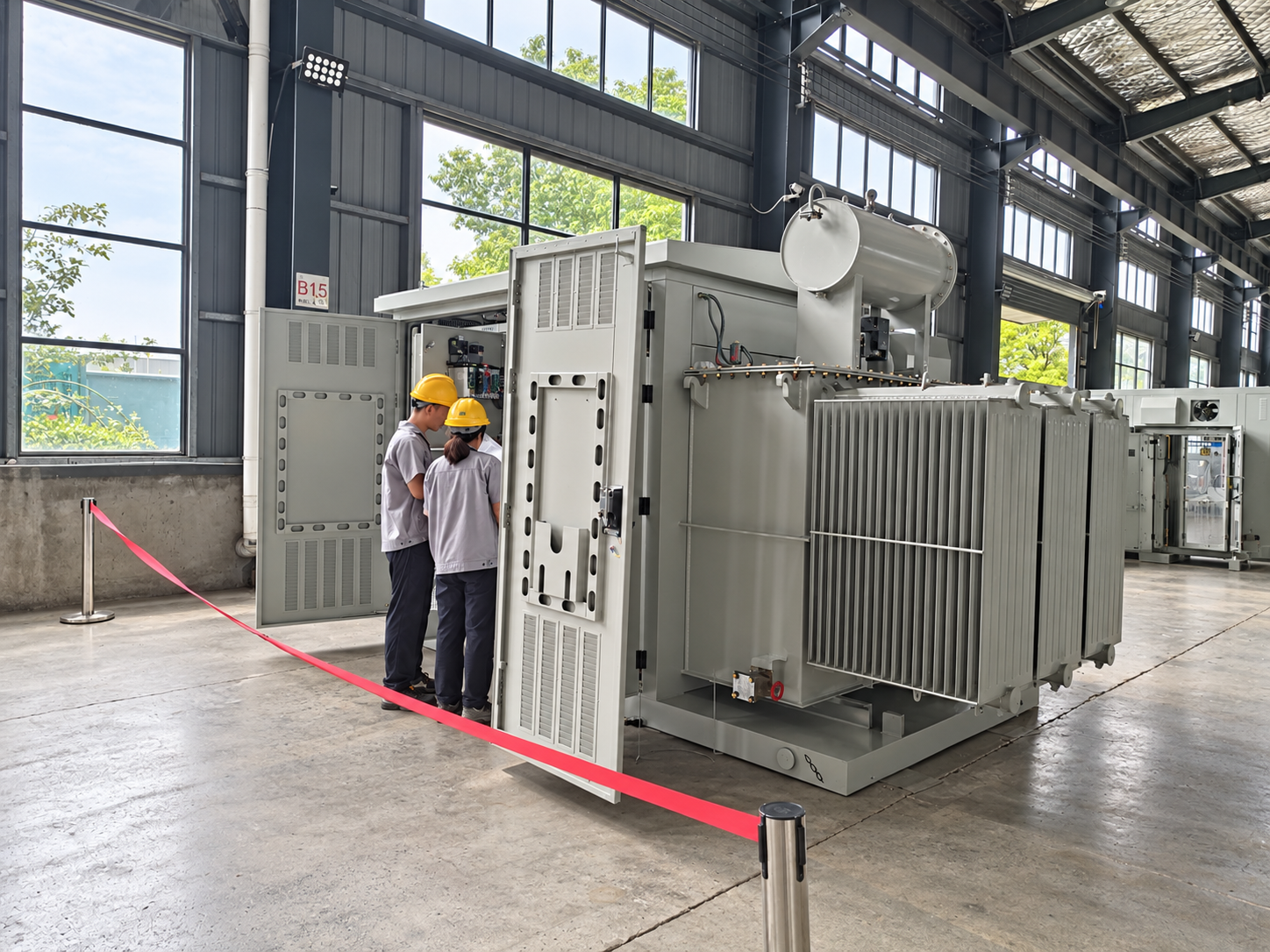
The Quiet Problem With Remote Power Projects Off-grid energy storage systems are often built where the grid cannot reach: islands, mining sites, desert telecom towers, remote farms. These locations share one operational reality: sending a technician...
VIEW MORE EN