 EN

The Line Item Nobody Budgets For
When an off-grid project runs over budget, developers usually blame the equipment quote. In reality, the biggest overruns often come from what happens after the equipment leaves the factory.
- Transport to remote sites, civil works, multi-trade coordination, and schedule slippage are routinely underestimated.
- In sub-Saharan African PV installations, engineering and soft costs—including transport and site coordination—can account for roughly 33% of total capital costs, more than the PV array itself.
- In commercial microgrids, soft costs have been measured at 43% of total project cost.
- For remote sites, transport alone can add 31% to the landed cost of solar equipment before foundations are even poured.
The equipment quote is visible. The installation bill is what determines whether the project clears its hurdle rate.
Where Stick-Built Installation Leaks Money and Time
Logistics is not additive—it multiplies
- Remote sites often have poor roads, height and weight restrictions, and require secondary transport.
- In a stick-built model, steel structures, cabinets, and cables arrive in batches. Each batch needs separate transport and lifting coordination.
- One delayed batch can stall the entire site.
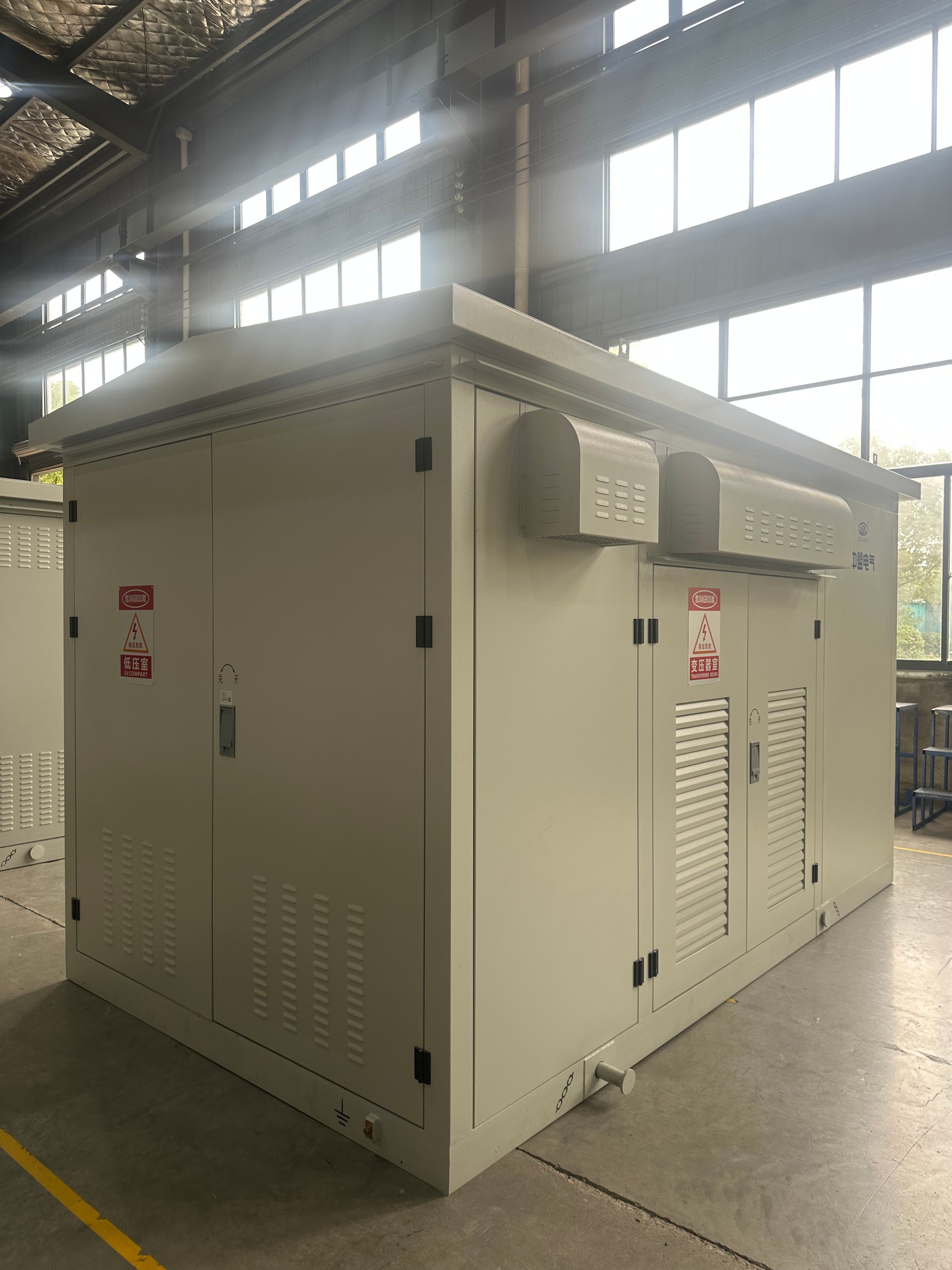
- A prefabricated enclosure arrives as one integrated unit: one lift, one placement, far less site waiting time.
Civil works and site labor are the least controllable variables
- Stick-built assembly depends on on-site concrete foundations, cross-trade work, geology, weather windows, and local labor skill.
- A real-world African telecom site example: concrete foundation work was delayed three weeks due to geological issues, and transport costs ran 47% over budget.
- Prefabricated systems move 90%+ of integration and testing into the factory. On site, only foundation leveling and interface connection remain.
Schedule is a cost, not a neutral variable
- A conventional site-built electrical room for remote mining or microgrid applications typically takes 6–12 months from civil works to energization.
- A prefabricated E-House or containerized substation of equivalent capacity can be delivered and energized in 2–4 months.
- For mining applications specifically: 12–20 weeks from order confirmation for prefabricated solutions, versus 9–18 months for stick-built.
- Box-type substations can be installed in 2–5 days on prepared foundations, versus 4–12 weeks of site assembly for conventional designs.
- A microgrid-on-a-skid platform can cut installation time by up to 85% and installation cost by up to 65%.
The Schedule Gap Is a Cash-Flow Gap
Every week saved has a price attached to it.
- Remote diesel generation—the default power source while a project is under construction—costs between $0.32 and $0.48 per kWh, driven by fuel price volatility and domestic transport logistics.
- A mine or island microgrid that energizes four months earlier does not just save labor. It starts displacing diesel or generating revenue four months earlier.
- That cash flow sits in the project economics from day one—and it is invisible in a side-by-side equipment comparison.
This is why the prefabricated argument is a total installed cost argument, not a procurement-price argument.
Prefabrication Is a Total Installed Cost Argument
A common misconception: prefabricated enclosures look more expensive on the equipment line item. But the stick-built “low quote” comes with a chain of add-ons.
- Secondary transport fees.
- On-site coordination labor.
- Rework caused by compatibility issues.
- Extended management overhead due to longer schedules.
One comparison illustrates the point:
- Containerized battery system equipment: roughly $18 million.
- Bare batteries and PCS: roughly $15 million.
- But the stick-built path absorbs $4–6 million in building construction alone, plus site preparation and extended commissioning.
Prefabricated systems front-load cost into the factory, where labor is predictable and quality is controlled. They strip out the site variables that remote locations make unmanageable.
For international buyers, the practical question is not “what does the container cost?” but “what risk am I buying back from the site?”
What This Means for International Off-Grid Buyers
A prefabricated substation or PCS-plus-transformer skid shifts fabrication, wiring, and factory acceptance testing into a controlled environment. The site is left with only foundation work and primary connections.
This matters most where:
- Skilled labor is scarce.
- Weather windows are narrow.
- Every additional week of site presence compounds supervision and logistics costs.
Products in this category—such as integrated PCS and step-up transformer skids built for grid-connected and islanded operation, with black-start capability and protection ratings suited to −40°C to +55°C environments—are designed around that logic. The complexity stays in the factory. The site gets a system that is ready to connect, not a kit that needs to be figured out in the field.
Examples include Jiangsu Unita’s prefabricated substations and PCS step-up integrated skids, which are positioned for off-grid and remote applications where site conditions are difficult and skilled labor is limited.
Conclusion: The Off-Grid Cost Conversation Is Shifting
The competition in off-grid projects is moving from “who can quote the lowest equipment price” to “who can remove the most uncertainty from the site.”
- Stick-built models ask the owner to absorb site risk with their own management capacity.
- Prefabricated models take that risk back into the factory, where standardization and integration can absorb it.
For mining sites, islands, and remote telecom nodes, the worse the site conditions and the narrower the schedule window, the more valuable the prefabricated approach becomes.
Choosing a prefabricated enclosure is not paying for the container. It is paying for a system capability: keep the complexity in the factory, and leave the site with simplicity.
Application Scenarios
Application |
Key Challenge |
Prefabricated Advantage |
Remote Mining |
Limited skilled labor, narrow weather windows |
12–20 week delivery vs. 9–18 months stick-built |
Island Microgrids |
High diesel cost ($0.32–$0.48/kWh), logistics complexity |
85% faster installation, 65% lower install cost |
Telecom Towers |
Remote access, geological foundation issues |
Single-unit delivery, minimal site work required |
Containerized BESS |
Compatibility rework, extended commissioning |
Factory-integrated and tested before shipping |
Frequently Asked Questions
Q: Why do off-grid projects often exceed their equipment budget?
The biggest overruns typically come from site installation costs—transport, civil works, multi-trade coordination, and schedule delays—rather than the equipment itself. In sub-Saharan Africa, these soft costs can reach 33% of total capital expenditure.
Q: How much faster can prefabricated solutions be deployed?
Prefabricated substations and E-Houses can be delivered and energized in 2–4 months, compared to 6–12 months for conventional stick-built construction. Microgrid-on-a-skid platforms can cut installation time by up to 85%.
Q: What environments can prefabricated enclosures operate in?
Modern prefabricated solutions are rated for extreme conditions from −40°C to +55°C, with protection ratings suited to desert, tropical, and arctic environments. They are designed for both grid-connected and islanded operation with black-start capability.
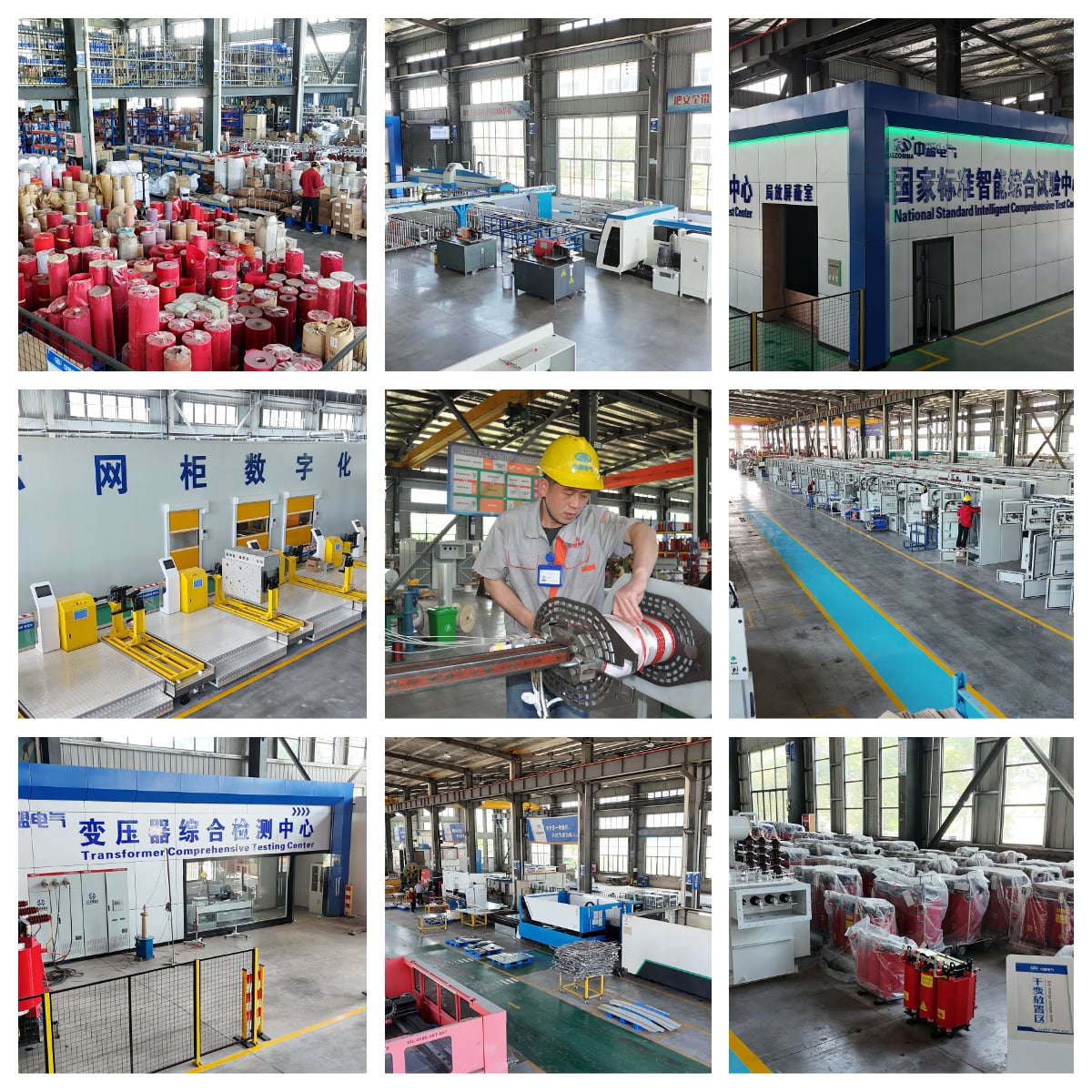
Table of Contents
- The Line Item Nobody Budgets For
- Where Stick-Built Installation Leaks Money and Time
- The Schedule Gap Is a Cash-Flow Gap
- Prefabrication Is a Total Installed Cost Argument
- What This Means for International Off-Grid Buyers
- Conclusion: The Off-Grid Cost Conversation Is Shifting
- Application Scenarios
- Frequently Asked Questions