EN
EN

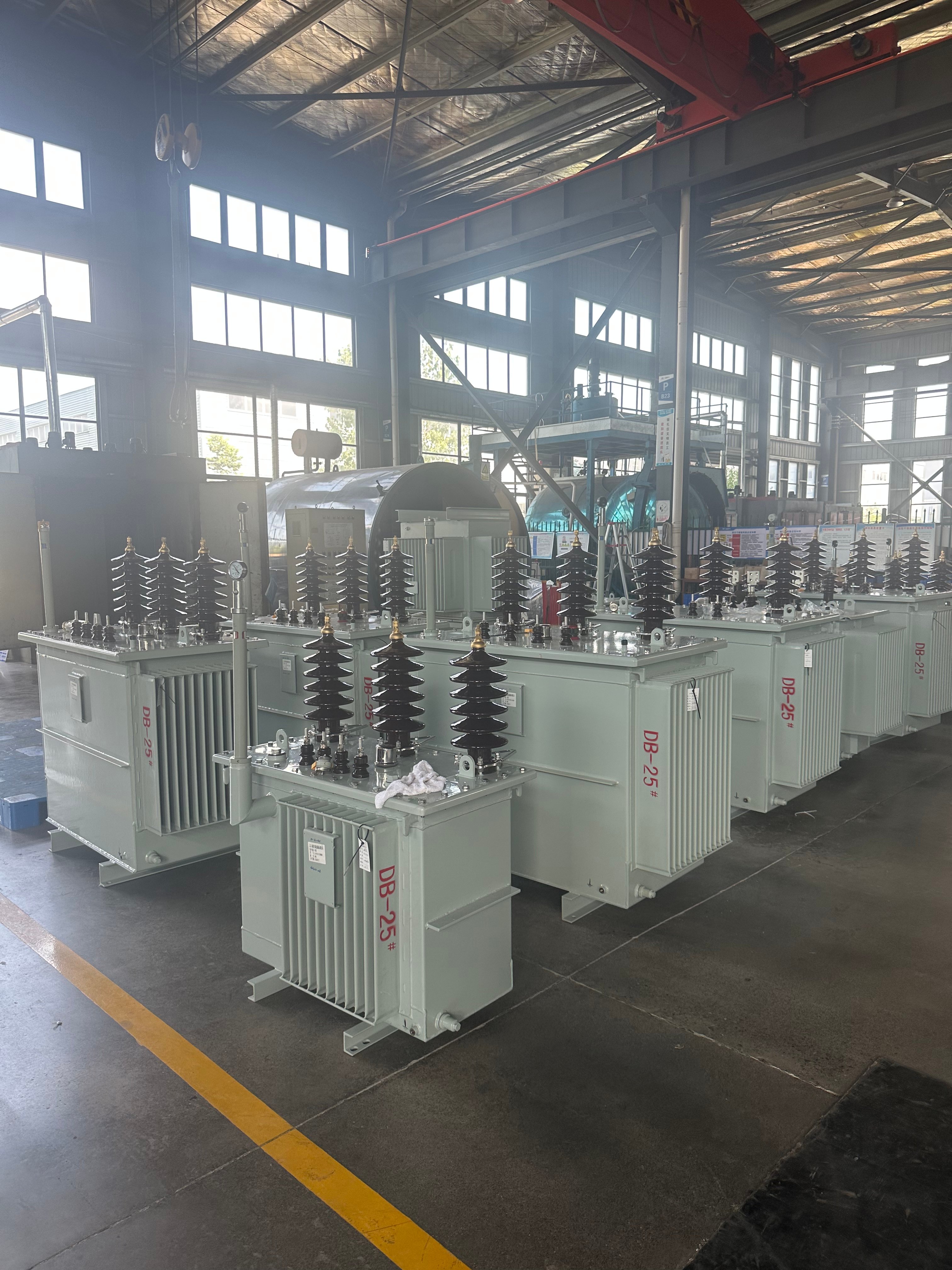
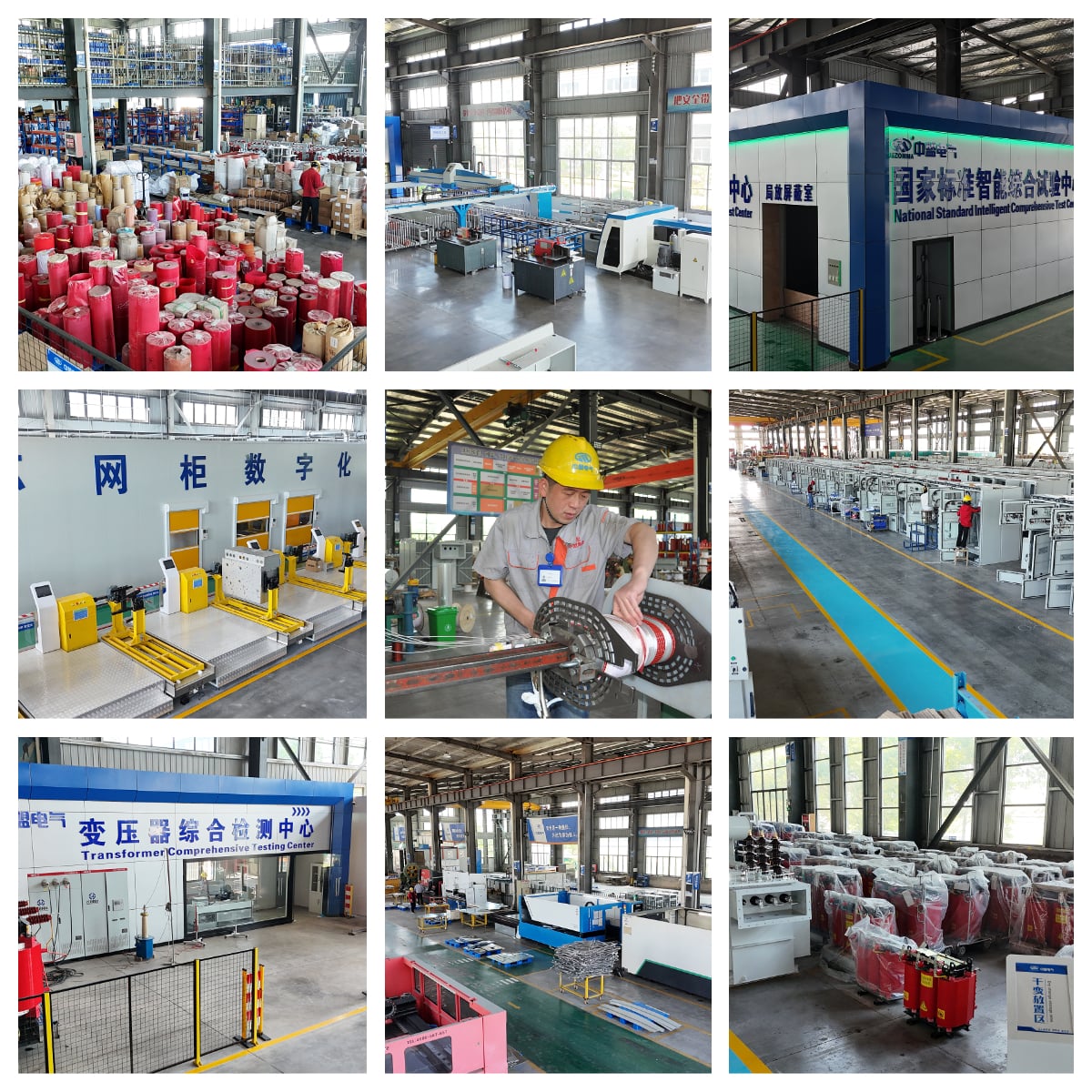
When you buy a distribution transformer, you see a steel tank, some bushings, and a nameplate. What you do not see is the long chain of precise, repeated, and strictly controlled processes that turn raw materials into a reliable piece of equipment that will run for decades.
Two transformers with the same ratings can differ greatly in loss, temperature rise, noise, and service life. The difference almost always comes down to one thing: how well the production process is controlled.
At Jiangsu Zhongmeng Electric, we focus on distribution products below 35kV—especially distribution transformers and compact substations. In this article, we open our factory doors and walk you through every major step of transformer production, so you can see exactly what goes into the equipment you buy.
1. Why the Production Process Determines Transformer Quality
A transformer is not assembled from a few parts. It is built through a sequence of interdependent processes. Each step affects the next:
Poor silicon steel cutting increases no-load loss.
Loose winding increases load loss and temperature rise.
Incomplete drying leaves moisture in insulation, leading to partial discharge.
Improper oil treatment reduces insulation strength and cooling performance.
In other words, quality is not inspected into a transformer—it is built into it, step by step.
2. The Main Production Processes of a Distribution Transformer
2.1 Incoming Material Inspection and Preparation
Everything starts with the materials.
We inspect and prepare:
Silicon steel sheets – for core lamination
Copper or aluminum conductors – for windings
Insulation materials – paper, pressboard, insulation cylinders
Transformer oil – for insulation and cooling
Steel plates – for the tank
Each batch is checked for thickness, conductivity, insulation strength, and other key parameters. A transformer can only be as good as the materials that go into it.
2.2 Core Manufacturing
The core is the magnetic circuit of the transformer.
Key steps include:
Cutting the silicon steel sheets to the required shape and size
Laminating the sheets in a precise sequence
Clamping the core to keep it tight and stable
Insulating the core to prevent short circuits between laminations
The quality of the core directly affects no-load loss and noise level. A well-made core runs cooler and quieter.
2.3 Winding Production
The windings are the electrical heart of the transformer.
We produce:
High-voltage windings
Low-voltage windings
Depending on the design, windings may be cylindrical, disc-type, or foil-type. During winding, we control:
Winding tension
Turn arrangement
Insulation layers between turns and layers
Dimensional accuracy
Winding quality affects load loss, temperature rise, and short-circuit withstand capability.
2.4 Core and Coil Assembly
Once the core and windings are ready, they are assembled into the transformer body.
This stage includes:
Fitting the windings onto the core limbs
Installing insulation barriers and spacers
Connecting leads and taps
Positioning the assembly for the next steps
Every clearance and every insulation distance matters. A small deviation can lead to partial discharge or even failure during operation.
2.5 Drying and Vacuum Treatment
Moisture is one of the biggest enemies of transformer insulation.
To remove moisture, we use:
Heating
Vacuum drying
The transformer body is placed in a vacuum chamber and dried under controlled temperature and vacuum conditions. This step is critical for:
Insulation resistance
Dielectric strength
Partial discharge performance
Long-term reliability
2.6 Oil Treatment and Vacuum Oil Filling
Transformer oil provides both insulation and cooling.
Before filling, the oil is:
Filtered
Degassed
Dehydrated
Then the oil is filled into the tank under vacuum. This prevents air bubbles and moisture from being trapped inside the insulation system. Clean, dry oil is essential for safe operation.
2.7 Final Assembly and Sealing
After oil filling, the transformer is assembled with its external components:
Tank and cover
Bushings
Tap changer
Pressure relief valve
Temperature indicators
Nameplate
All sealing surfaces are carefully checked. We perform leak tests to ensure there is no oil leakage under normal and abnormal conditions.
2.8 Factory Testing
No transformer leaves our factory without passing strict tests.
Routine tests include:
Ratio test
DC resistance measurement
Insulation resistance test
Dielectric withstand test
No-load loss and load loss measurement
Impedance voltage test
Depending on customer requirements, we also perform:
Temperature rise test
Partial discharge test
Impulse voltage test
Only after all tests are passed and the data is reviewed does the transformer receive its factory test report and get released for delivery.
3. Key Quality Control Points
Among all the processes, several are especially critical:
Process |
What Can Go Wrong |
How We Control It |
Core lamination |
High no-load loss, noise |
Precise cutting, tight clamping |
Winding |
High load loss, overheating |
Tension control, insulation inspection |
Drying |
Moisture remains |
Vacuum drying with strict parameters |
Oil filling |
Air bubbles, moisture |
Vacuum oil filling, oil testing |
Sealing |
Oil leakage |
Leak test on every unit |
Testing |
Defects missed |
Full routine tests, documented results |
These are not just technical steps. They are the points where experience, discipline, and standards make the real difference.
Once, we produced a batch of S14 600 kVA 10/0.4 kV oil-immersed transformers for a customer. During the factory ratio test, we found that one transformer had a ratio test error that exceeded the standard, and the no-load current was too high.
After checking the problem, we found the cause: the number of turns was wound incorrectly. This problem not only increased the cost, but also delayed the delivery time.
After that, we strengthened the monitoring process during winding. This helped us prevent the same problem from happening again.
So every production step of a transformer is very important. We must control the quality of every step.
4. Conclusion: Transparent Process, Trustworthy Products
A distribution transformer is not simply a product. It is the result of dozens of processes, hundreds of checks, and years of manufacturing experience.
At Jiangsu Unita Electric, we believe that a transparent production process is the foundation of customer trust. That is why we welcome customers to visit our factory, see the production lines, and check the test reports for themselves.
When you choose a transformer, you are not just choosing a specification. You are choosing the process behind it.