 EN
EN
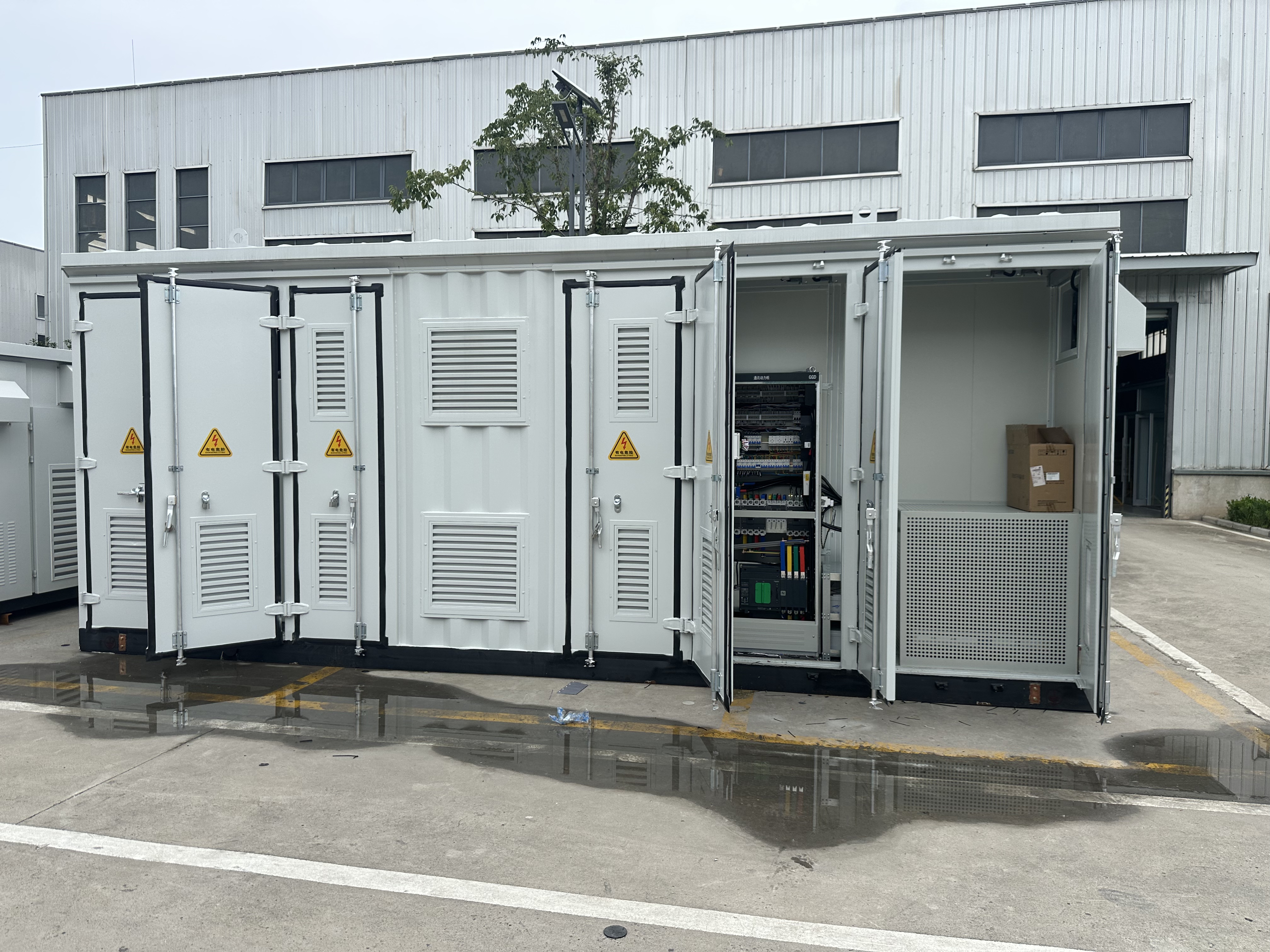
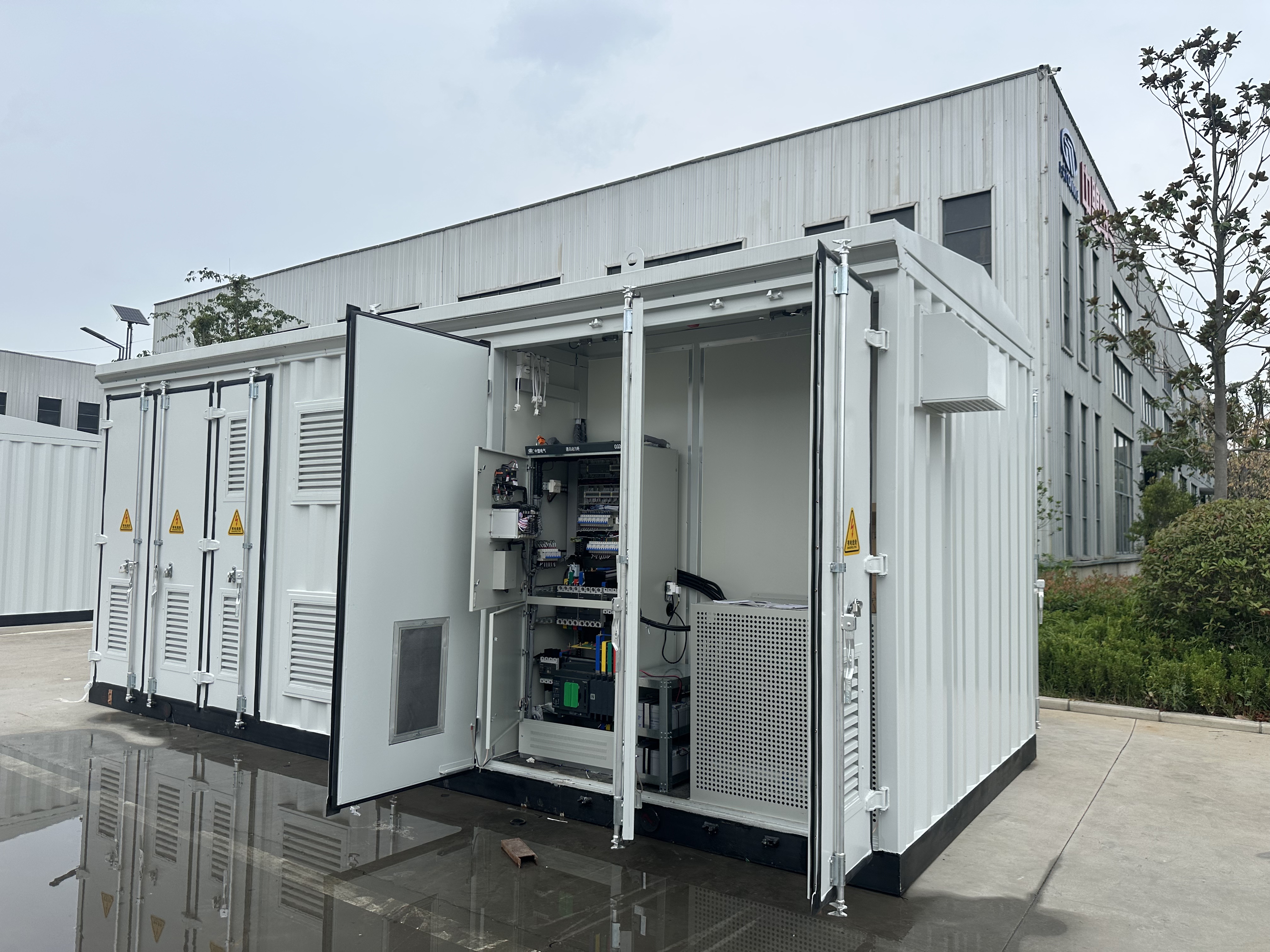
As solar power plants continue to expand globally, the photovoltaic (PV) prefabricated substation has become a popular alternative to traditional on-site built substations. It offers standardized design, factory production, and modular assembly, making it an ideal solution for both large ground-mounted projects and commercial rooftop systems.
Choosing the right equipment is critical to ensuring long-term reliability and protecting your investment. Below is a practical guide to help you understand where these units are used and what to look for when purchasing.
 Three Main Application Scenarios
1. Large Solar Farms in Desert, Arid, or High-Altitude Areas
In regions such as the Middle East, Africa, South America, or Central Asia, temperatures can swing dramatically, and sandstorms are common. Traditional construction is slow and difficult under such conditions. Prefabricated substations, built with high-strength steel and advanced structural design, can withstand harsh climates. They keep critical components like transformers and reactive power devices running reliably in temperatures ranging from -40°C to +50°C.
2. Rooftop and Industrial Park Solar Projects
In industrial zones and logistics centers around the world, land is often expensive and scarce. Prefabricated substations integrate primary and secondary equipment into a compact unit, saving more than 50% of floor space. They also support remote monitoring and unmanned operation. Smart control systems can track temperature, humidity, and equipment status in real time, significantly reducing routine maintenance costs.
3. Coastal or High-Humidity Environments
Near coastlines, wetlands, or tropical areas, salt spray and moisture can quickly corrode standard equipment. To address this, prefabricated substations can be customized with specialized anti-corrosion treatments, such as hot-dip galvanizing and anti-rust coatings, combined with high protection ratings like IP54 or IP65. This ensures stable performance and electrical safety even in harsh, humid conditions.
Three Key Points to Consider When Buying
When evaluating suppliers and preparing contracts, keep these three factors in mind to avoid common pitfalls:
1.Verify Certifications and Test Reports
Do not rely solely on the manufacturer's internal standards. Insist on independent test reports from accredited laboratories that comply with IEC international standards or equivalent local norms. Key test items should include partial discharge measurement, temperature rise limits, and internal arc fault protection. Also, confirm whether the supplier holds relevant market-entry certifications such as UL or CE, depending on your project location.
2.Inspect Material Quality and Corrosion Protection
For projects in coastal or humid areas, pay close attention to the steel grade and welding process. Reputable manufacturers use robotic automatic welding, which ensures much higher precision and consistency than manual welding. Additionally, the thickness of the hot-dip galvanized coating should meet international anti-corrosion requirements. These seemingly small details often determine whether the unit will last 20 years or more without major issues.
3.Clarify Performance Guarantees and Delivery Terms in the Contract
For international shipments, your contract should clearly state measurable performance indicators, such as maximum allowable failure frequency and the overall warranty period. Equally important, specify Incoterms, packaging standards for ocean freight (including moisture-proofing and fumigation treatment if required), and a clear timeline with delivery milestones. This helps avoid costly delays caused by customs clearance or shipping complications.
 Final Thoughts
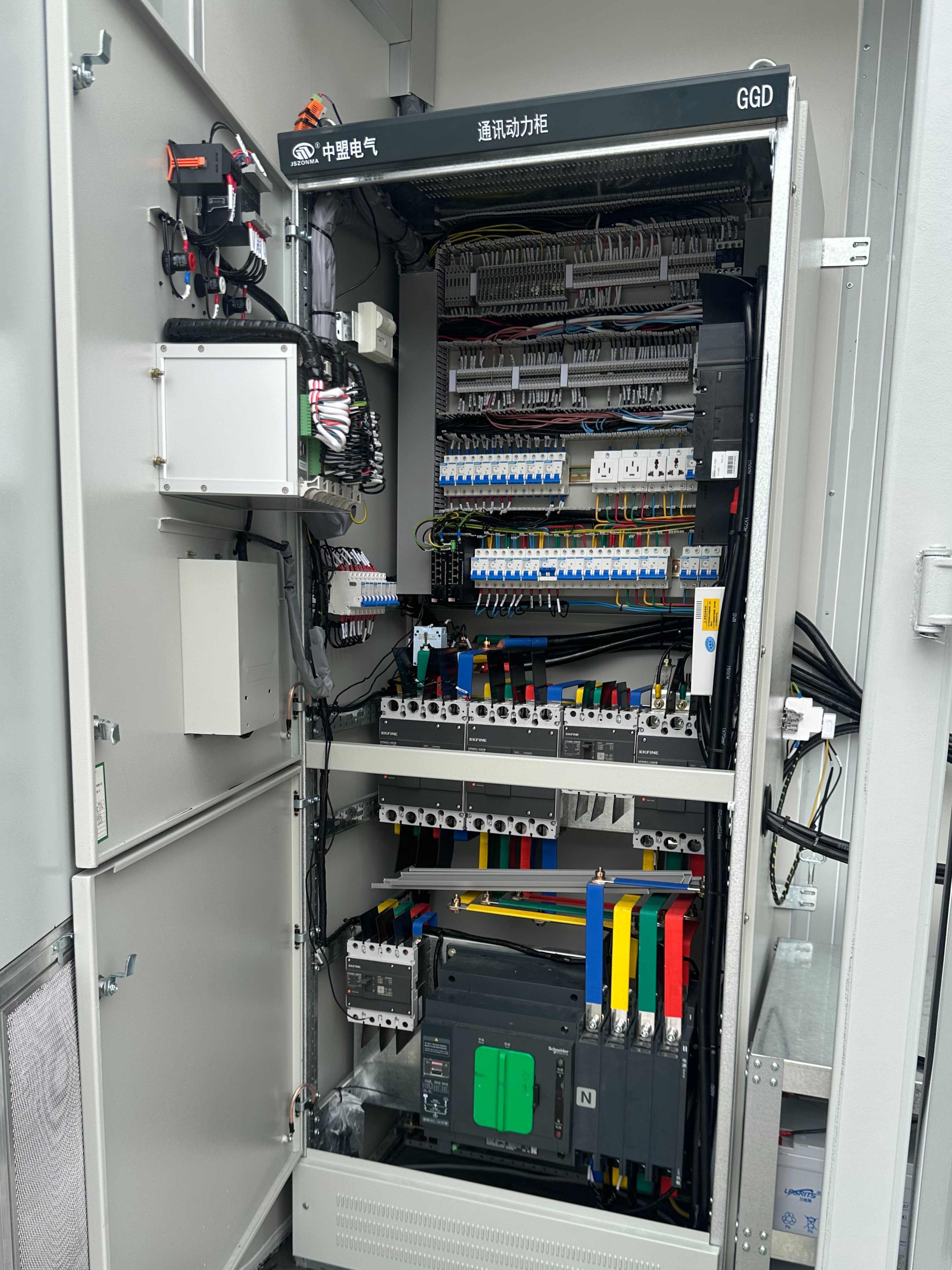
A PV prefabricated substation is far more than a simple metal enclosure. It is a highly integrated power system combining structural mechanics, electrical insulation, and intelligent climate control. Choosing a reliable supplier with proven experience in manufacturing and testing is key to a successful solar project.
Jiangsu Unita Electrical Equipment Co., Ltd. (JSZONMA)specializes in the R&D and manufacturing of prefabricated substations and compact switchgear with over 20 years experience. With full-process CNC machining and comprehensive testing capabilities, we are committed to providing global customers with high-quality, adaptable, and dependable photovoltaic power solutions. Let's work together to advance the global energy transition.