 EN
EN

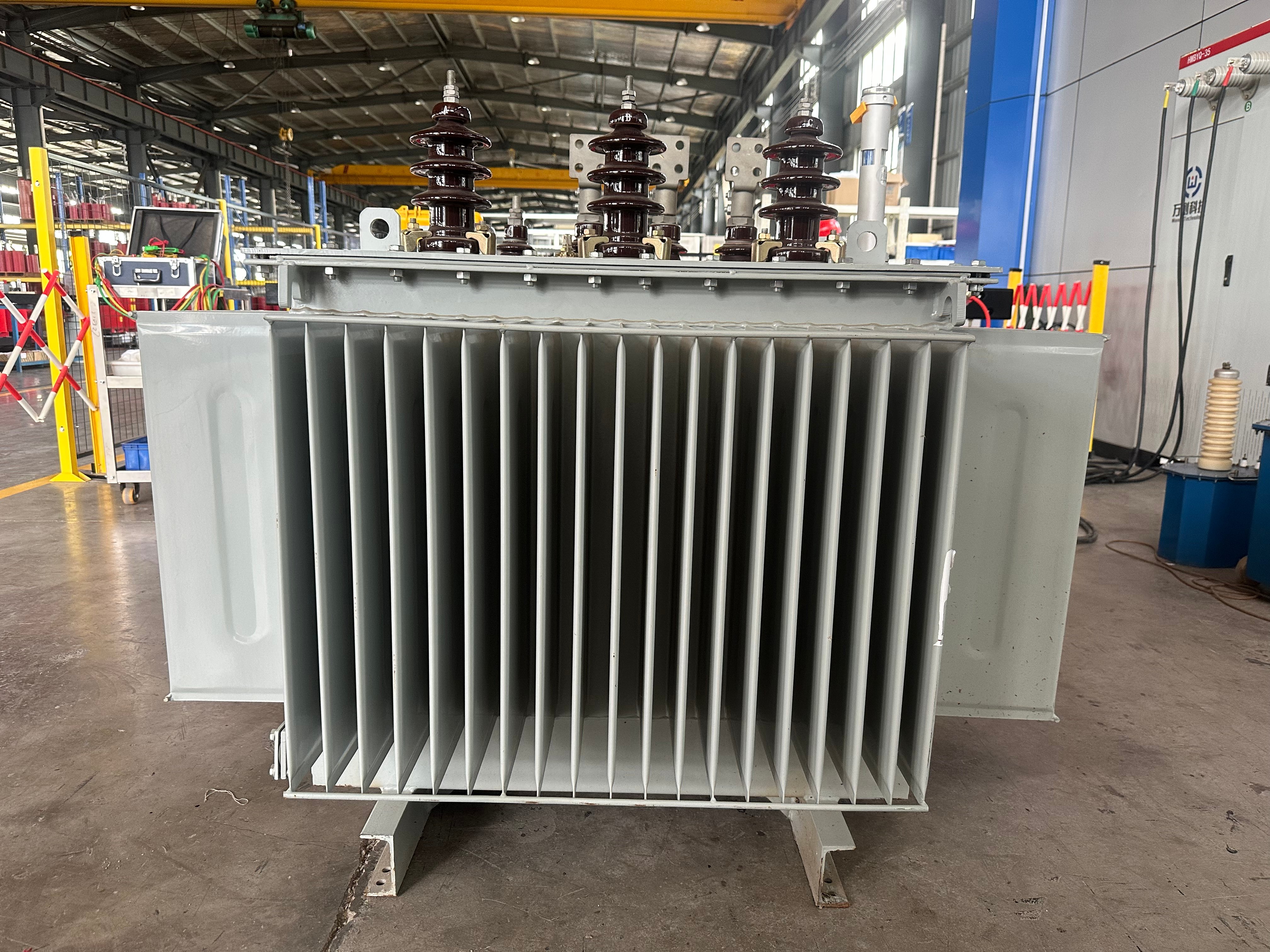
Many buyers and engineers often notice a common issue: two three-phase transformers with the same kVA rating can have drastically different weights. If you are sourcing or installing a three-phase transformer, understanding what determines three-phase transformer weight is critical for logistics, foundation design, transportation budgeting, and equipment selection. Simply put, transformer capacity is not the only factor affecting weight. The overall mass mainly depends on the magnetic core, winding material, cooling structure, voltage grade, and auxiliary configurations.
1. Three-Phase Magnetic Core (Main Weight Factor)
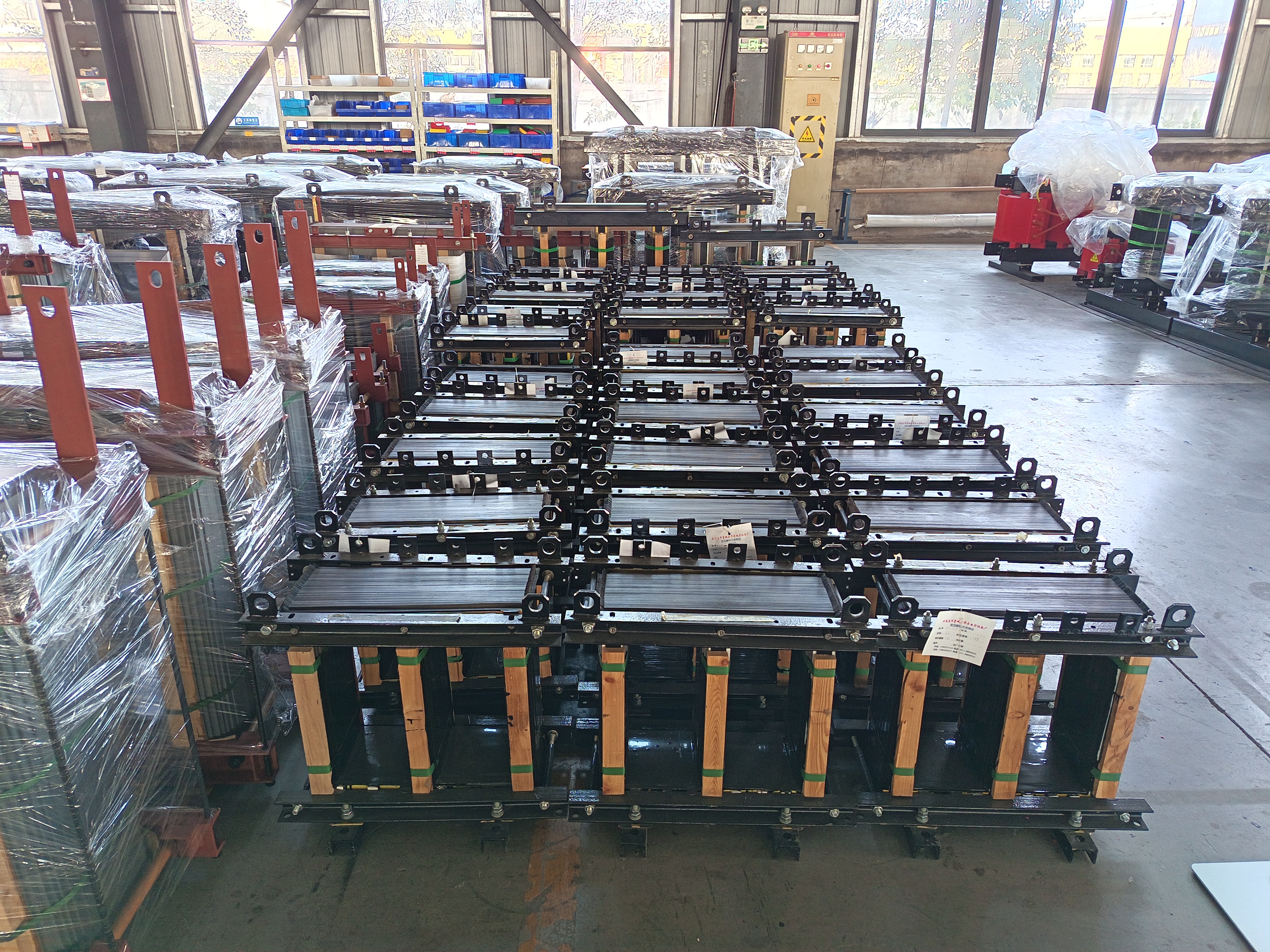
The silicon steel magnetic core is the heaviest part, accounting for 40%–60% of the total three-phase transformer weight. Unlike simple single-phase cores, industrial three-phase transformers adopt a robust three-column core structure to ensure balanced magnetic flux and stable power transmission.
Low-loss S13 and S15 three-phase transformers use thicker, high-density grain-oriented silicon steel laminations to reduce no-load loss. Although this design improves energy efficiency and extends service life, it significantly increases core weight. Higher kVA ratings also require larger core cross-sections, further raising the total unit weight.
2. Winding Material (Copper vs Aluminum)
Windings account for 15%–30% of total three-phase transformer weight, and winding material creates the most obvious weight gap among identical-spec units.
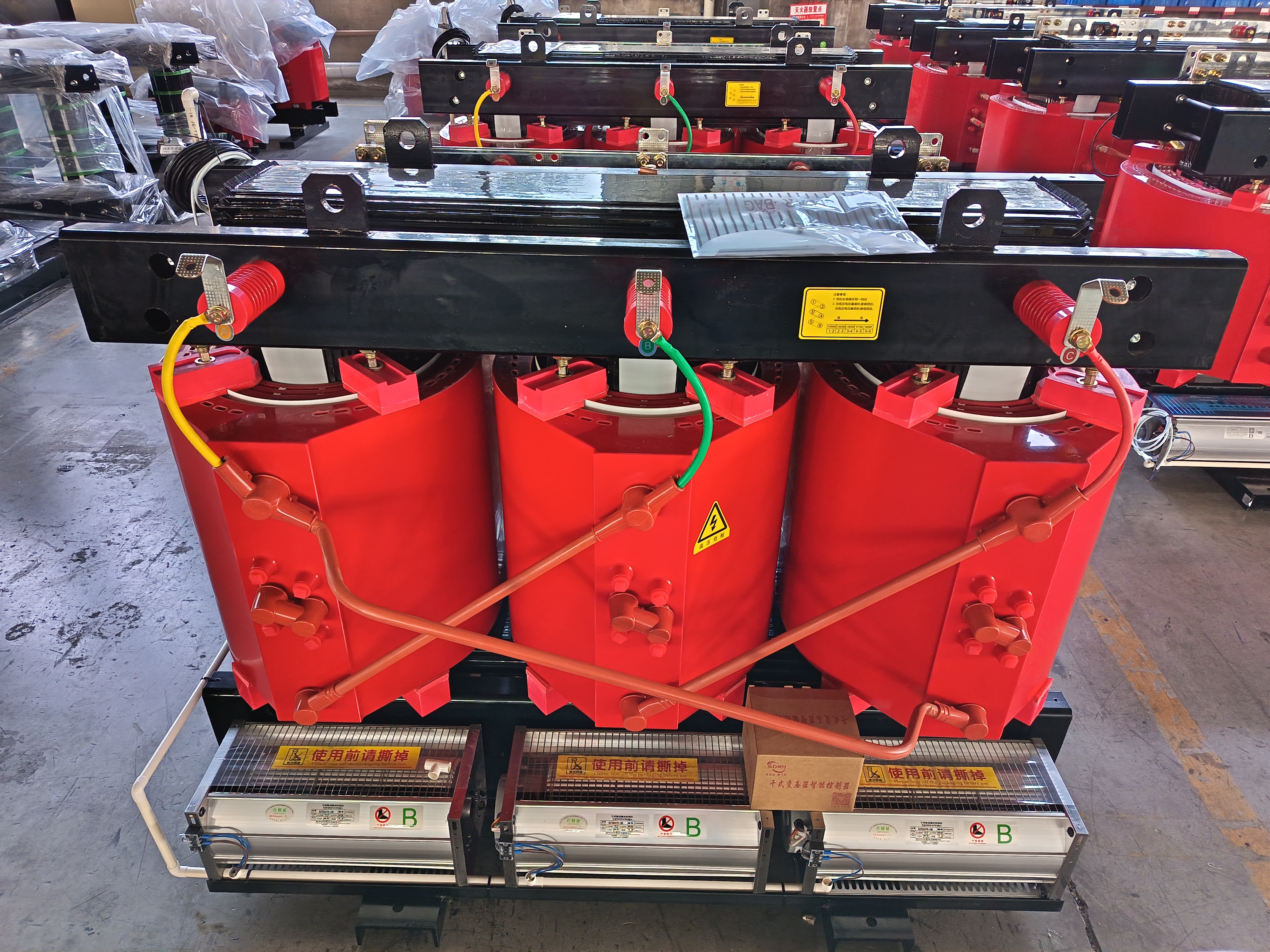
Copper-wound three-phase transformers: Copper features high density and excellent conductivity. Copper coil models are 10%–25% heavier than aluminum alternatives, with lower temperature rise and stronger overload resistance. They are the preferred choice for industrial and grid-grade long-term operation.
Aluminum-wound three-phase transformers: Aluminum is lightweight and cost-effective. It greatly reduces overall transformer weight, making installation and transportation easier. However, aluminum windings are only suitable for low-load, intermittent civilian power distribution scenarios.
Besides materials, high-voltage transformers require thicker insulating layers for coils, which also add extra weight to the winding assembly.
3. Cooling System: Oil-Immersed vs Dry-Type Transformer
The cooling method is the key reason for huge weight differences between mainstream three-phase transformer types, directly impacting site application and logistics planning.
Oil-immersed three-phase transformers: Widely used in 85% of outdoor industrial projects, these units rely on insulating mineral oil for heat dissipation and insulation. Filled with hundreds of liters of transformer oil and equipped with thick steel tanks, radiators and conservators, oil-immersed transformers are bulky and heavy. The oil alone accounts for 10%–20% of the total weight, ensuring stable heat dissipation for high-load outdoor operation.
Dry-type three-phase transformers: Completely oil-free, these transformers adopt epoxy resin insulation and air cooling. Without heavy oil and steel tank structures, dry-type models are 30%–40% lighter than oil-immersed transformers of the same capacity. Their lightweight, fireproof advantages make them ideal for indoor commercial and factory scenarios.
4. Voltage Grade & Insulation Design
Voltage class greatly affects three-phase transformer weight. Standard 10kV/0.4kV distribution transformers have simple insulation structures and moderate weight. In contrast, 35kV, 110kV high-voltage three-phase transformers need reinforced insulation systems, thickened insulating sleeves and extended creepage structures to prevent high-voltage breakdown and flashover.
These enhanced protective accessories add considerable weight, meaning a high-voltage three-phase transformer is far heavier than a low-voltage model even with the same kVA capacity.
5. Shell & Auxiliary Accessories
Industrial three-phase transformers use thick anti-corrosion carbon steel shells, sturdy mounting brackets and lifting lugs to resist transportation pressure and outdoor harsh environments. Forced cooling configurations (fans, oil pumps) and optional accessories like OLTC tap changers, temperature monitors and pressure relief valves further increase total weight.
Why Three-Phase Transformer Weight Is Important
Knowing the factors that affect three-phase transformer weight helps you calculate shipping costs, select suitable lifting equipment, and design qualified substation foundations. It also helps you quickly distinguish product configurations, tell copper vs aluminum windings and high-efficiency vs standard models, and avoid improper selection.
Conclusion
In summary, three-phase transformer weight is determined by five core factors: silicon steel core structure, winding material, cooling mode, voltage insulation grade, and auxiliary hardware. kVA capacity is only a reference index. Mastering these factors helps you select suitable three-phase transformers and control project installation and logistics costs effectively.