 EN
EN
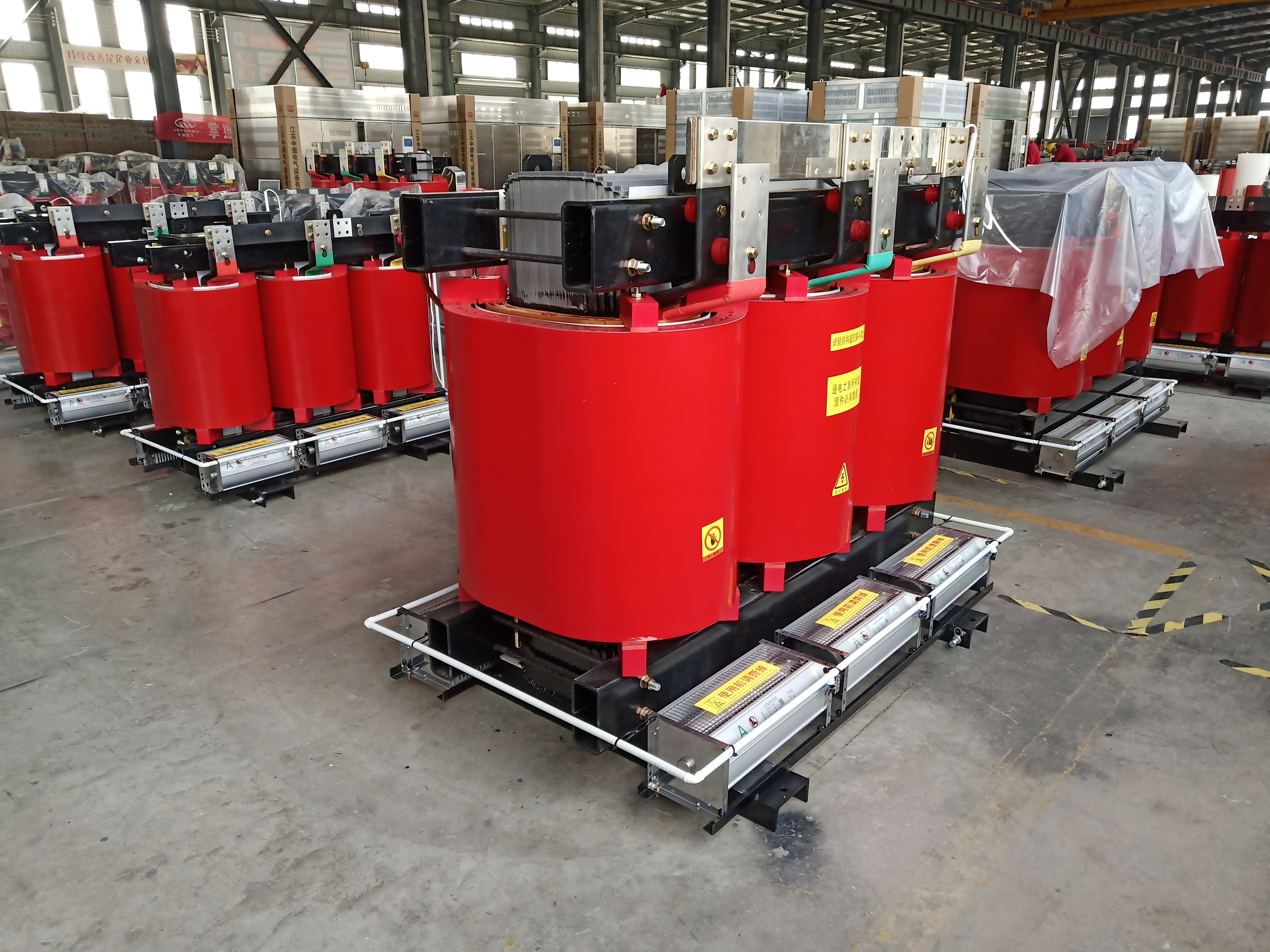
Modern electrical grids face unprecedented challenges as energy demands continue to surge and renewable energy sources create complex power flow patterns. At the heart of grid stability lies the critical need for comprehensive substation transformer monitoring systems that provide real-time visibility into transformer health and performance. These monitoring solutions have evolved from basic temperature measurements to sophisticated digital platforms that analyze multiple parameters simultaneously, enabling utilities to prevent failures, optimize maintenance schedules, and ensure continuous power delivery to millions of consumers worldwide.
Fundamentals of Real-Time Transformer Monitoring
Core Parameters and Measurement Technologies
Effective substation transformer monitoring encompasses multiple critical parameters that directly impact transformer longevity and grid reliability. Temperature monitoring remains fundamental, utilizing fiber optic sensors, thermal imaging cameras, and infrared measurement systems to track hot spots and thermal gradients throughout the transformer structure. Oil quality analysis through dissolved gas analysis (DGA) provides early warning signs of internal faults, detecting combustible gases that indicate insulation breakdown, overheating, or arcing conditions within the transformer tank.
Electrical parameters such as load current, voltage levels, power factor, and harmonic distortion require continuous measurement to identify abnormal operating conditions. Modern monitoring systems integrate multiple sensor types including current transformers, voltage transformers, and digital relays to capture comprehensive electrical signatures. Vibration monitoring using accelerometers and acoustic sensors detects mechanical issues such as loose windings, tap changer malfunctions, or core lamination problems that could lead to catastrophic failures if left unaddressed.
Digital Integration and Communication Protocols
Contemporary substation transformer monitoring systems leverage advanced communication protocols including IEC 61850, DNP3, and Modbus to seamlessly integrate with existing SCADA infrastructure. These protocols enable standardized data exchange between monitoring devices, control systems, and centralized management platforms, ensuring interoperability across different manufacturers and system architectures. Ethernet-based communication networks provide high-speed data transmission capabilities essential for real-time monitoring applications.
Cloud connectivity and edge computing technologies enhance monitoring capabilities by enabling remote access, advanced analytics, and predictive maintenance algorithms. Secure communication channels protect sensitive operational data while allowing authorized personnel to access monitoring information from any location. This connectivity enables rapid response to emergency conditions and facilitates collaboration between field technicians, control room operators, and engineering teams during critical situations.
Advanced Monitoring Technologies and Sensors
Fiber Optic Temperature Sensing Systems
Distributed temperature sensing (DTS) using fiber optic cables represents a breakthrough in substation transformer monitoring technology. These systems provide continuous temperature measurements along the entire length of fiber optic cables installed throughout transformer windings, oil circulation paths, and cooling systems. DTS technology offers superior accuracy, immunity to electromagnetic interference, and the ability to detect localized hot spots that traditional point sensors might miss.
The implementation of fiber optic sensing in substation transformer monitoring applications provides spatial resolution capabilities that enable precise location identification of thermal anomalies. This granular temperature data supports advanced thermal modeling and helps operators understand heat distribution patterns under various loading conditions. Installation techniques for fiber optic sensors have evolved to minimize impact on transformer design while maximizing measurement coverage and reliability.
Dissolved Gas Analysis and Oil Condition Monitoring
Online dissolved gas analysis systems continuously monitor transformer oil quality by measuring concentrations of key gases including hydrogen, methane, ethane, ethylene, acetylene, carbon monoxide, and carbon dioxide. These gases serve as indicators of specific fault conditions, with acetylene levels indicating high-energy arcing, while carbon monoxide and carbon dioxide concentrations reveal cellulose insulation degradation. Advanced DGA systems utilize gas chromatography, photoacoustic spectroscopy, and other analytical techniques to achieve parts-per-million measurement accuracy.
Oil condition monitoring extends beyond gas analysis to include moisture content, acidity, breakdown voltage, and particle contamination measurements. These parameters collectively provide a comprehensive assessment of transformer insulation system health and remaining useful life. Automated sampling systems and online analyzers reduce manual intervention requirements while ensuring consistent monitoring quality throughout the transformer lifecycle.
Grid Stability Applications and Benefits
Predictive Maintenance and Asset Management
Substation transformer monitoring enables predictive maintenance strategies that optimize resource allocation while minimizing unplanned outages. Historical trending data combined with machine learning algorithms identifies degradation patterns and predicts optimal maintenance intervals based on actual equipment condition rather than fixed schedules. This approach reduces maintenance costs, extends transformer life, and improves overall grid reliability by preventing unexpected failures.
Asset management systems integrate monitoring data with financial models to support investment planning and replacement decisions. Real-time condition assessment helps utilities prioritize maintenance activities, allocate spare equipment, and schedule planned outages during periods of low demand. The economic benefits of effective substation transformer monitoring include reduced emergency repair costs, improved workforce efficiency, and optimized inventory management for critical spare parts.
Emergency Response and Fault Diagnosis
Real-time monitoring systems provide immediate alerts when transformer parameters exceed predefined thresholds, enabling rapid emergency response and minimizing potential damage. Automated alarm systems classify fault severity levels and initiate appropriate response protocols, including load transfer procedures, protective relay operations, and emergency crew dispatch. This rapid response capability significantly reduces the duration and impact of power outages affecting customers and critical infrastructure.
Advanced fault diagnosis capabilities analyze multiple monitoring parameters simultaneously to identify root causes and recommend specific corrective actions. Pattern recognition algorithms compare current conditions with historical fault signatures to accelerate troubleshooting and repair processes. Integration with geographic information systems (GIS) and outage management systems enhances coordination between field crews, control room operators, and customer service representatives during emergency situations.
Implementation Strategies and Best Practices
System Design and Installation Considerations
Successful substation transformer monitoring implementation requires careful consideration of sensor placement, communication infrastructure, and integration with existing systems. Sensor selection depends on transformer type, operating environment, criticality level, and available budget. Retrofit installations must accommodate existing transformer configurations while new installations can optimize sensor placement for maximum effectiveness and reliability.
Communication network design ensures reliable data transmission under all operating conditions, including extreme weather events and electromagnetic disturbances. Redundant communication paths, uninterruptible power supplies, and cybersecurity measures protect monitoring system integrity and availability. Installation procedures must comply with utility safety standards, manufacturer specifications, and industry best practices to ensure long-term system performance and personnel safety.
Data Management and Analytics Platforms
Modern substation transformer monitoring generates vast quantities of data requiring sophisticated management and analysis capabilities. Time-series databases optimize storage and retrieval of monitoring data while maintaining historical records for trending analysis and regulatory compliance. Data compression techniques reduce storage requirements without compromising analytical accuracy or diagnostic capabilities.
Analytics platforms incorporate machine learning algorithms, statistical analysis tools, and visualization capabilities to transform raw monitoring data into actionable insights. Dashboard interfaces provide customizable views for different user roles, from field technicians requiring detailed parameter displays to executives needing high-level performance summaries. Mobile applications enable remote monitoring access for on-call personnel and field service teams requiring real-time information during maintenance activities.
Future Trends and Technology Evolution
Artificial Intelligence and Machine Learning Integration
Artificial intelligence technologies are revolutionizing substation transformer monitoring by enabling autonomous fault detection, predictive analytics, and adaptive alarm management. Deep learning algorithms analyze complex patterns in monitoring data to identify subtle degradation indicators that traditional threshold-based systems might miss. These AI-powered systems continuously improve their diagnostic accuracy through exposure to additional operational data and failure case studies.
Machine learning models predict transformer remaining useful life with greater accuracy by considering multiple degradation mechanisms, operating history, and environmental factors. Natural language processing capabilities enable automated report generation and facilitate knowledge transfer between experienced engineers and newer personnel. Integration with digital twin technologies creates virtual transformer models that simulate various operating scenarios and support optimal maintenance decision-making.
Internet of Things and Edge Computing
Internet of Things (IoT) technologies expand substation transformer monitoring capabilities by enabling distributed sensor networks, wireless communication options, and edge processing capabilities. Low-power wireless sensors reduce installation costs and complexity while providing flexible monitoring coverage for previously inaccessible locations. Edge computing devices perform local data processing and analysis, reducing communication bandwidth requirements and improving response times for critical alarms.
Standardization efforts for IoT devices ensure interoperability and simplify integration with existing monitoring infrastructure. Cybersecurity frameworks specifically designed for industrial IoT applications protect monitoring systems from cyber threats while maintaining operational functionality. These technological advances enable more comprehensive and cost-effective substation transformer monitoring solutions that adapt to evolving grid requirements and utility operational needs.
FAQ
What are the primary benefits of implementing real-time substation transformer monitoring
Real-time substation transformer monitoring provides numerous benefits including early fault detection, predictive maintenance capabilities, extended equipment life, reduced unplanned outages, improved safety for personnel, optimized maintenance scheduling, better asset management decisions, enhanced grid reliability, and significant cost savings through prevention of catastrophic failures. These systems enable utilities to transition from reactive to proactive maintenance strategies while maintaining high levels of customer service and grid stability.
How does dissolved gas analysis contribute to transformer health assessment
Dissolved gas analysis (DGA) serves as a critical diagnostic tool for substation transformer monitoring by detecting specific gases that indicate various fault conditions within the transformer. Different gases correspond to specific problems, such as acetylene indicating high-energy arcing, hydrogen suggesting low-energy partial discharge, and carbon monoxide revealing cellulose insulation degradation. Continuous online DGA monitoring provides early warning of developing faults, allowing operators to take corrective action before catastrophic failures occur.
What communication protocols are commonly used in modern monitoring systems
Modern substation transformer monitoring systems typically utilize standardized communication protocols including IEC 61850, DNP3, Modbus, and SNMP to ensure interoperability with existing utility infrastructure. IEC 61850 has become the preferred standard for substation automation due to its object-oriented data modeling, standardized configuration files, and support for high-speed peer-to-peer communication. These protocols enable seamless integration with SCADA systems, energy management systems, and other utility applications.
How do fiber optic sensors improve temperature monitoring accuracy
Fiber optic sensors enhance substation transformer monitoring accuracy through distributed temperature sensing (DTS) technology that provides continuous temperature measurements along the entire fiber length rather than discrete point measurements. This technology offers superior spatial resolution, immunity to electromagnetic interference, and the ability to detect localized hot spots that traditional sensors might miss. The continuous nature of fiber optic sensing enables precise fault location identification and comprehensive thermal mapping throughout transformer windings and cooling systems.
Table of Contents
- Fundamentals of Real-Time Transformer Monitoring
- Advanced Monitoring Technologies and Sensors
- Grid Stability Applications and Benefits
- Implementation Strategies and Best Practices
- Future Trends and Technology Evolution
-
FAQ
- What are the primary benefits of implementing real-time substation transformer monitoring
- How does dissolved gas analysis contribute to transformer health assessment
- What communication protocols are commonly used in modern monitoring systems
- How do fiber optic sensors improve temperature monitoring accuracy