 EN
EN
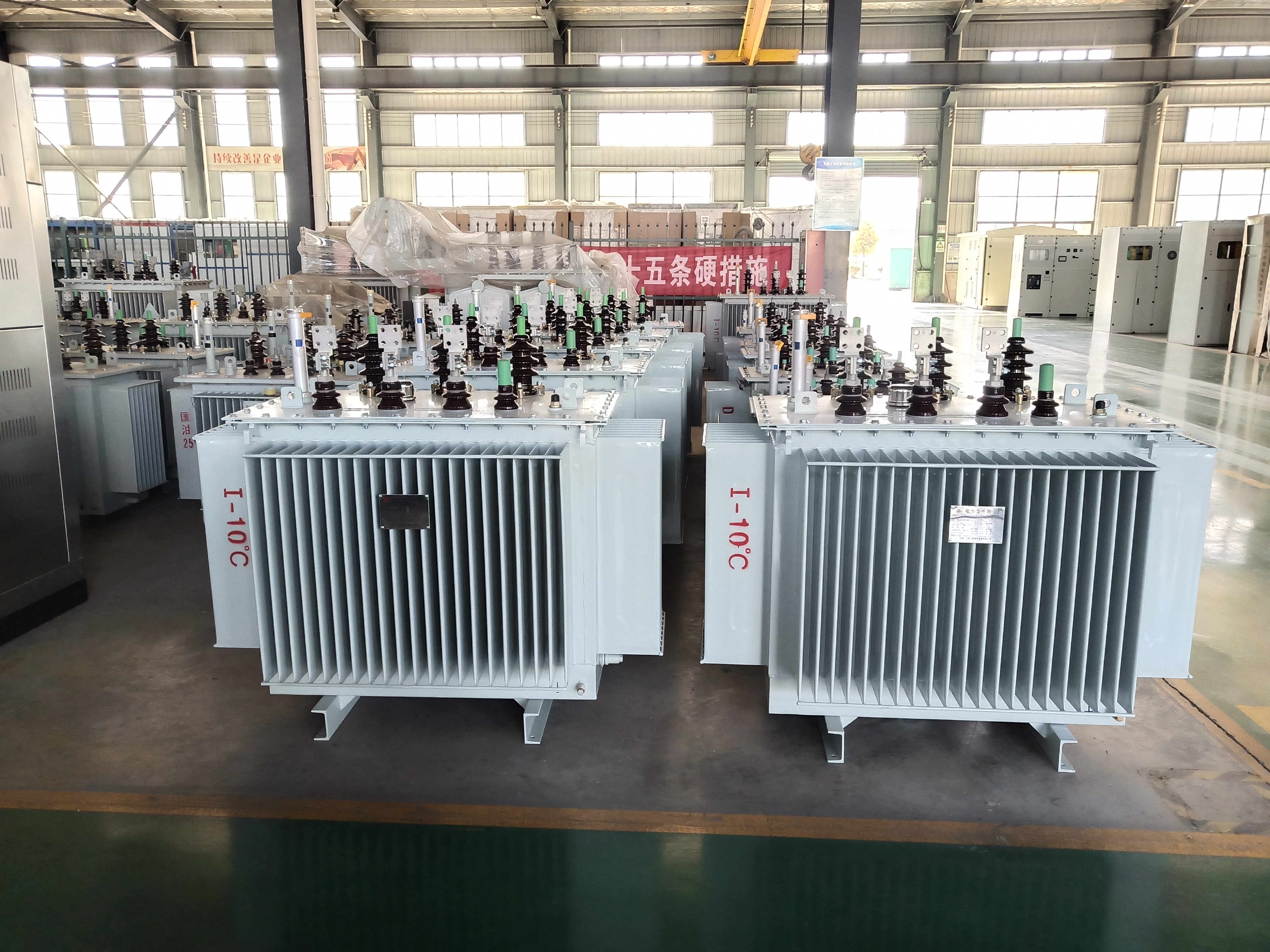
Power transformers are critical components for voltage step-up and grid connection in photovoltaic (PV) power plants. Oil-immersed and dry-type transformers are suited to vastly different applications, and the choice between them directly impacts a PV project's operational stability and maintenance costs.
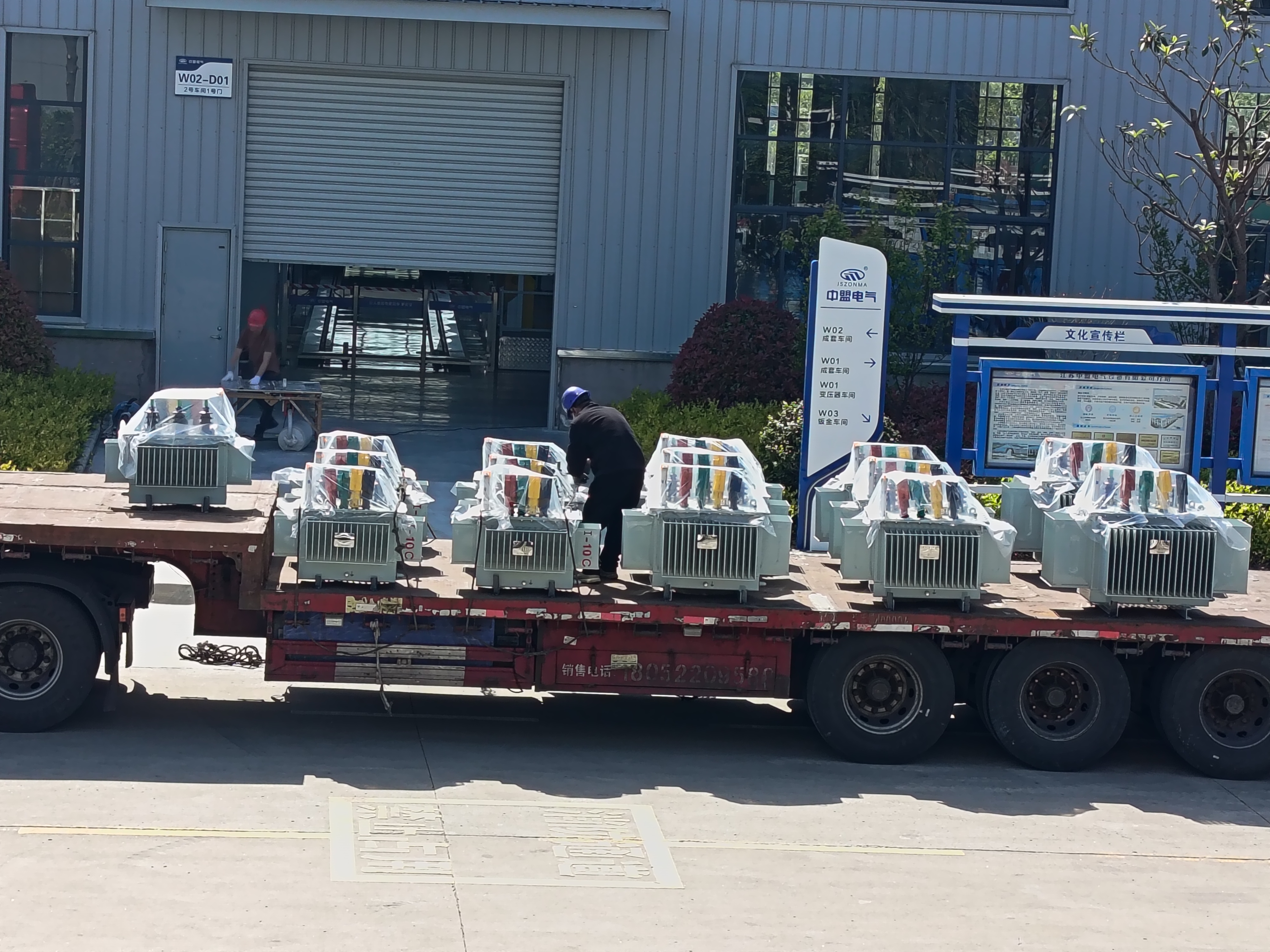
Large-scale, ground-mounted PV projects predominantly choose oil-immersed transformers. These units utilize circulating insulating oil for heat transfer, offering high heat dissipation efficiency and robust overload capacity. They are resilient against harsh environmental conditions—such as intense sunlight, heavy rain, and sandstorms—and feature a fully sealed structure that resists moisture and aging, making them ideal for the high-power, continuous grid-connection requirements of PV plants. In contrast, dry-type transformers rely on air cooling; they have lower heat dissipation limits and are prone to excessive temperature rise in high-temperature environments, making them rarely suitable for open-air, centralized PV power stations.
The core advantages of dry-type transformers lie in their safety—specifically their flame-retardant properties and the absence of oil-leakage risks—making them well-suited for commercial and industrial rooftop PV, indoor distribution rooms, and urban distributed PV installations. These sites are often located near factories or office buildings where personnel density is high and fire safety regulations are stringent. Dry-type transformers contain no flammable media like transformer oil and have a compact footprint, making them ideal for the limited installation space available on rooftops.
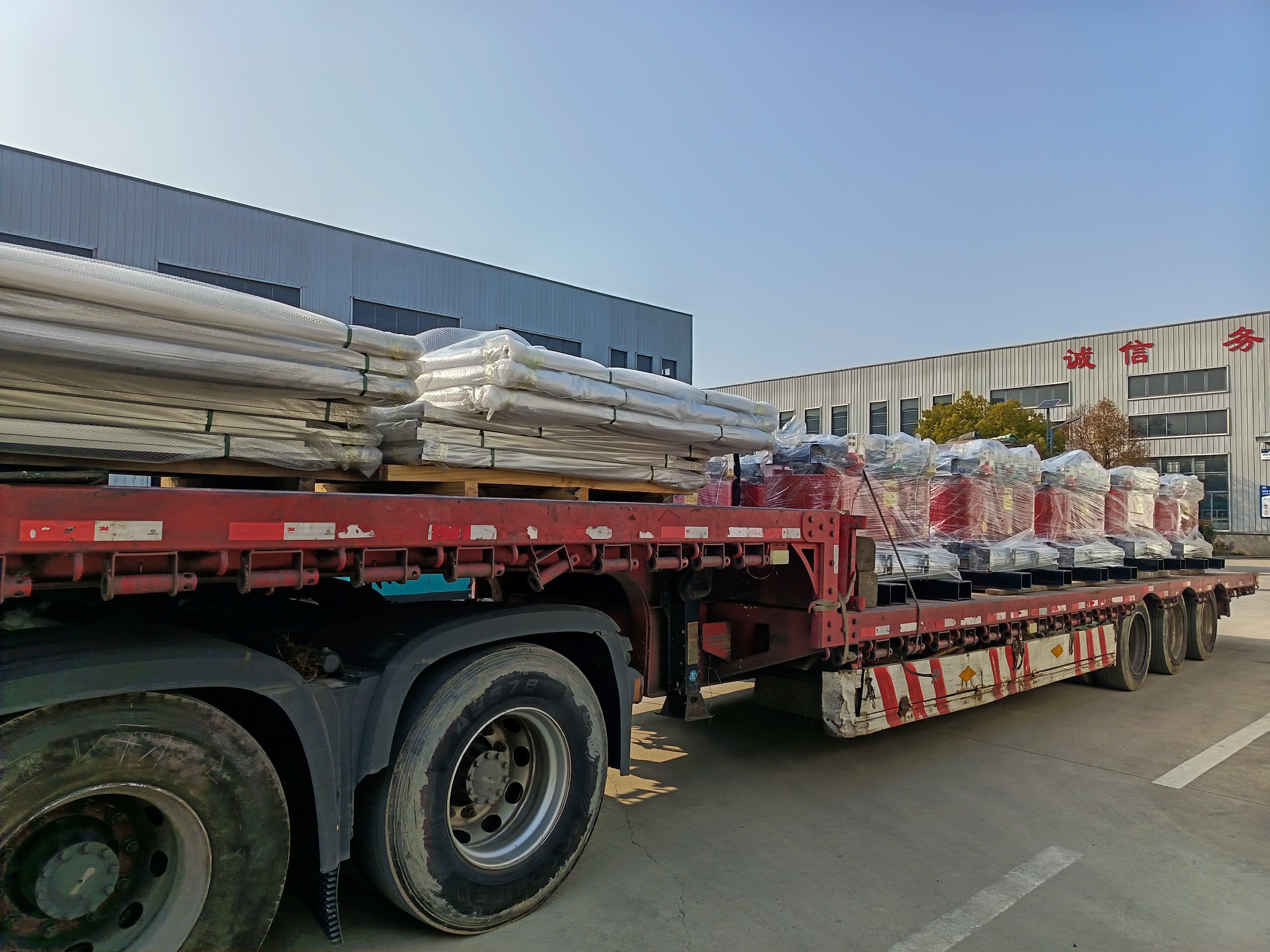
Regarding costs and lifecycle, oil-immersed transformers offer distinct advantages. For equivalent specifications, the purchase price of an oil-immersed transformer is 20% to 30% lower than that of a dry-type unit. They feature a more durable structure and lower failure rates, requiring only periodic testing of the insulating oil; this results in minimal maintenance effort and a service life of up to 25–30 years. Dry-type transformers have higher initial costs and eliminate the need for oil maintenance, but their coils are prone to dust accumulation and moisture absorption, necessitating regular cleaning of heat dissipation components; they also incur higher long-term losses due to temperature rise and have a shorter service life of approximately 20 years.
In summary, the rule for selecting a power transformer for a PV project is straightforward: choose oil-immersed transformers for large-scale, centralized, open-air PV projects, as they offer superior heat dissipation and lower costs; choose dry-type transformers for distributed commercial and industrial rooftop projects, as they ensure fire safety and facilitate regulatory compliance.