EN
EN

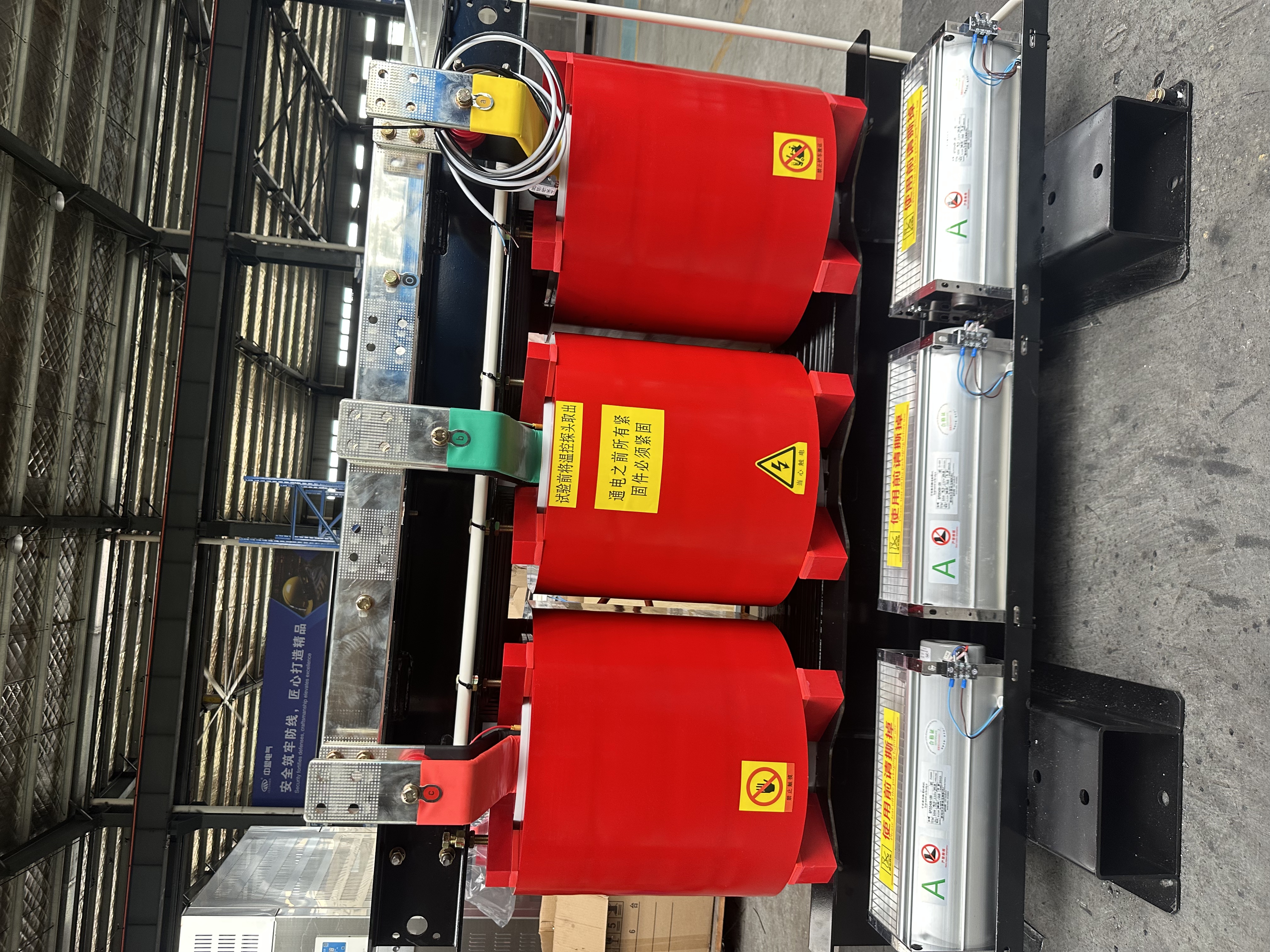
The main differences between 10kV and 11kV distribution transformers lie in their technical parameters, operational performance, and application scenarios. Although the voltage levels of the two are relatively close, they cannot be used interchangeably. Jiangsu Unita Electric Co.,LTD. can customize products according to your requirements. Below, we will briefly analyze the core differences between the two distribution transformers to provide a reference for engineering selection.
1. Technical Specifications Differences
The rated voltage standard is the most crucial difference between the two. The 10kV transformer is designed according to the Chinese GB standard and is suitable for the unified 10kV urban and rural distribution networks in China, fully compatible with domestic cables, switch cabinets, ring main units, etc. The 11kV transformer follows the IEC international standard with a rated working voltage of 11kV and is mainly used in overseas distribution projects in Africa, Southeast Asia, and the Middle East. The difference in voltage levels directly determines the overall design standard of the equipment. In terms of insulation design, the operating electric field intensity of the 11kV transformer is higher, using higher-grade insulation materials with greater insulation margin, which can effectively avoid insulation breakdown and local discharge problems under high-voltage conditions. At the same time, the winding turns, iron core parameters, and voltage regulation steps of the two devices are all specially designed. The conventional tap positions of the 10kV transformer are ±2×2.5%, and mixed use may cause voltage deviations and equipment overheating faults.
2. Performance Characteristics Differences
Both transformers have excellent energy-saving efficiency, but their performance is adapted to different scenarios. The 10kV transformer is optimized for the stable voltage and small load fluctuation conditions of domestic power grids, with high voltage regulation accuracy, capable of stably ensuring the power supply quality at the terminal, and the short-circuit impedance parameters are precisely matched with domestic protection devices, meeting the requirements of national standards. The 11kV transformer has a more redundant structure, a wider voltage adaptation range, and can adapt to the complex and harsh operating conditions of overseas power grids with large voltage fluctuations, having stronger anti-short-circuit impact capacity, and better long-term operational stability.
3. Practical Application Significance
The core basis for selection is the local power grid standard of the project. The 10kV transformer is exclusively for the domestic market, suitable for various distribution scenarios such as residential areas, industrial parks, and photovoltaic power stations, with high equipment generalization rate and convenient operation and maintenance. The 11kV transformer is mainly exported to Southeast Asia, Africa, and the Middle East, suitable for the 11kV power grid systems in those regions, and can adapt to the complex and harsh operating conditions of overseas environments. In summary, there is no performance superiority or inferiority between the two transformers; only the adapted scenarios are different. It is necessary to select precisely based on the local power grid standard to ensure the safe and economic operation of the distribution system.