EN
EN

News
Why Choose Cast Resin Dry Type Transformers for Safe Indoor Building Power Systems
Introduction
Why cast resin dry type transformers have become the preferred choice for indoor building power systems worldwide?Every modern building depends on a reliable and safe electrical power system. Whether it is a high-rise office tower, a hospital, a data center, or a shopping mall, the transformer that distributes electricity indoors must meet strict safety standards. Unlike outdoor installations, indoor power systems face unique challenges: limited space, strict fire codes, high occupancy density, and the need for continuous operation.
Above is the answer. In this article, we will explain what these transformers are, why they are safer than oil-filled alternatives, and how they help building owners reduce maintenance costs while complying with fire safety regulations. We will also provide practical selection tips for your next project.
What Is a Cast Resin Dry Type Transformer?
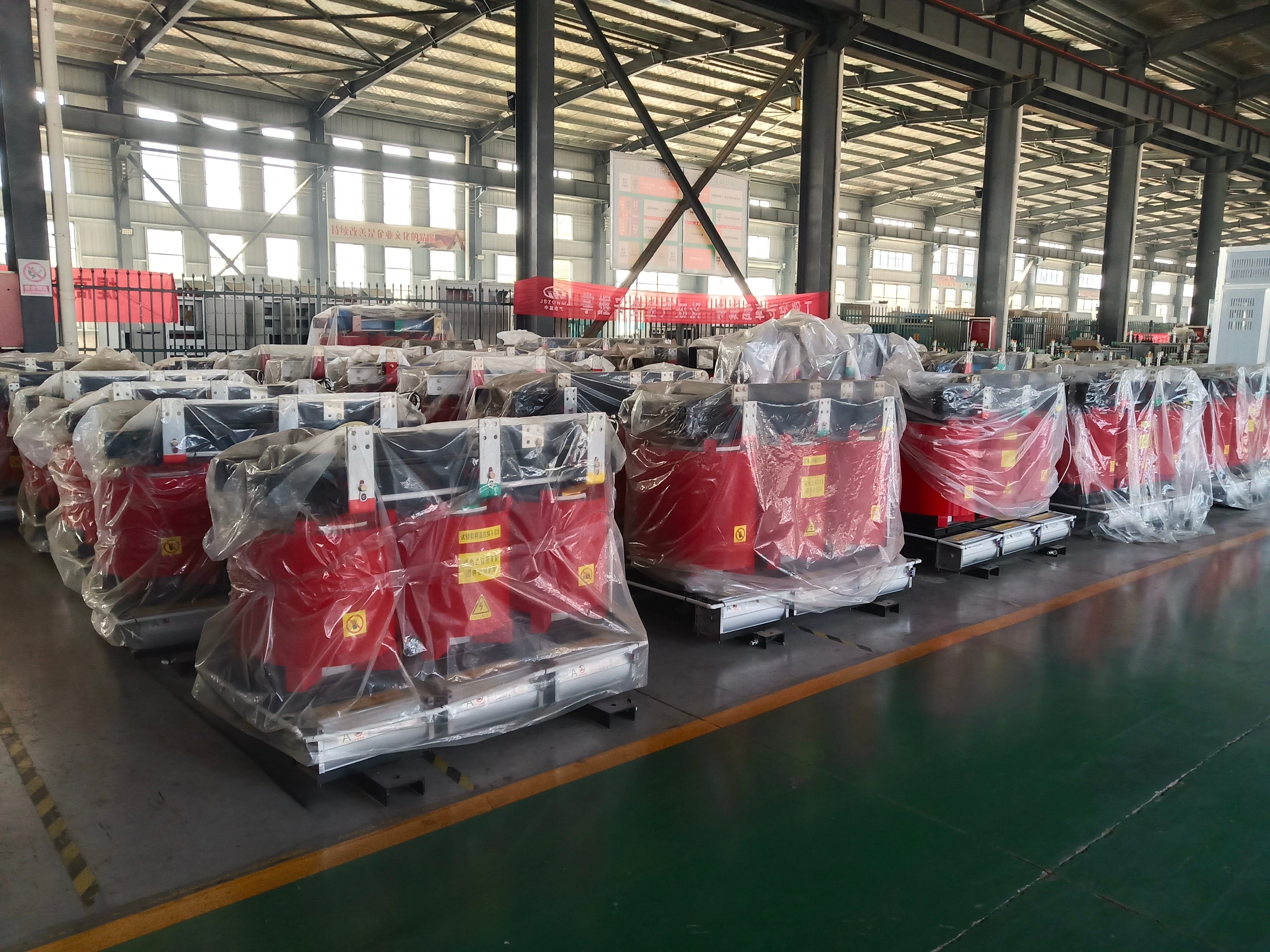
A cast resin dry type transformer is a type of transformer whose windings are completely encapsulated in epoxy resin under a vacuum casting process. This solid insulation system eliminates the need for any liquid coolant or insulating oil.
Unlike oil-immersed transformers that rely on mineral oil for cooling and insulation, cast resin transformers are completely dry. This fundamental difference makes them inherently safer for indoor installations, especially in buildings where fire protection and personnel safety are top priorities.
Common applications include commercial complexes, hospitals, airports, subway stations, data centers, hotels, and other public or high-occupancy buildings.
Key Advantage 1: Superior Fire Safety (Most Important Section)
3.1 Oil-Free Design Eliminates Fire Hazards
The most obvious safety advantage is the complete absence of flammable insulating oil. Oil-filled transformers contain thousands of liters of mineral oil, which can catch fire or explode in the event of a fault. In contrast, cast resin transformers use no oil at all, removing the risk of oil leaks, oil fires, or environmental contamination.
For reference, mineral oil has a calorific value of approximately 30 MJ/kg, while cast resin materials typically have a calorific value below 10 MJ/kg. This significant difference reduces the fire load in indoor electrical rooms.
3.2 Self-Extinguishing Epoxy Resin Material
The epoxy resin used in these transformers contains aluminum hydroxide as a flame-retardant filler. When exposed to high temperatures or open flames, this material releases chemically bound water, forming a protective aluminum oxide layer on the surface. This layer acts as a heat shield and prevents the fire from spreading.
Even if a fire occurs nearby, the transformer's surface temperature remains below the ignition point of most common building materials. The resin will not sustain combustion once the external heat source is removed.
3.3 Complies with F1 Fire Classification Standards
Cast resin dry type transformers are tested and certified according to the IEC 60076-11 standard for fire behavior. They typically achieve the highest F1 fire classification, which means:
• No sustained flaming occurs during a fire test
• Smoke emissions are limited and less toxic
• The transformer does not contribute to fire propagation
This compliance allows building owners to install these transformers indoors without requiring special fire suppression systems, firewalls, or oil containment pits. In many jurisdictions, this simplifies the approval process for building permits and fire safety inspections.
Key Advantage 2: Extremely Low Maintenance Requirements
4.1 Truly Maintenance-Free Operation
Because cast resin transformers do not use liquid insulation, there is no need for:
• Periodic oil quality testing
• Oil level monitoring and top-ups
• Leak detection and oil replacement
• Oil filtration or regeneration
For facility managers, this translates to significant labor savings over the transformer's 25 to 30-year service life.
4.2 Lower Total Cost of Ownership
While the initial purchase price of a cast resin transformer may be 20% to 30% higher than an equivalent oil-filled unit, the total cost of ownership over its lifetime is often lower. The elimination of routine oil maintenance, along with reduced insurance premiums due to lower fire risk, makes these transformers a cost-effective choice for building owners.
The only regular maintenance required is periodic cleaning of the winding surfaces to remove accumulated dust. This simple task can be performed during routine building maintenance cycles with compressed air or vacuum cleaning.
Key Advantage 3: Compact Design for Indoor Spaces
5.1 Space-Saving Dimensions
Indoor electrical rooms are often cramped, especially in dense urban buildings where every square meter counts. Cast resin transformers feature a tall, slender profile with a small footprint, allowing them to fit into tight spaces that would be impossible for oil-filled transformers with their larger clearances and containment requirements.
5.2 Flexible Installation Options
These transformers can be installed close to the load center, which reduces the length of low-voltage cables and minimizes line losses. In many buildings, they are installed on upper floors or even in basement electrical rooms without special structural reinforcements.
General installation clearances are modest: typically 800 mm from walls and 300 mm from adjacent equipment, making them suitable for retrofit projects where space is limited.
5.3 Low Noise Levels
Cast resin transformers operate at relatively low noise levels, typically between 50 and 65 dB(A) depending on the rated power. This makes them suitable for noise-sensitive environments such as hospitals, hotels, office buildings, and residential complexes where background noise must be kept to a minimum.
Key Advantage 4: Excellent Electrical and Environmental Performance
6.1 Superior Moisture Resistance
One of the most overlooked advantages of cast resin transformers is their outstanding resistance to moisture. The epoxy encapsulation makes the windings completely non-hygroscopic, meaning they do not absorb moisture from the air.
This is particularly important in coastal areas, tropical climates, or buildings without strict climate control. Cast resin transformers typically pass the E2 environmental class test under IEC 60076-11, which confirms their ability to withstand severe condensation and pollution without performance degradation.
6.2 High Efficiency and Low Losses
Modern cast resin transformers achieve efficiency levels above 99.2% at full load. Their low no-load and load losses translate to lower energy consumption throughout the building's operational life. For a 1,000 kVA transformer operating continuously, even a 0.5% efficiency improvement can save thousands of dollars in annual electricity costs.
6.3 Strong Overload Capacity
With forced air cooling (using built-in fans), cast resin transformers can operate continuously at 130% of their rated capacity. This provides a valuable safety margin during peak load periods or emergency situations without risking insulation damage.
6.4 Low Electromagnetic Emissions
Some cast resin transformer models are specifically designed to meet low electromagnetic emission requirements. This is an important consideration for buildings with sensitive electronic equipment, such as data centers, hospitals with MRI machines, or research laboratories.
Typical Application Scenarios
Application |
Key Selection Reasons |
High-rise office buildings |
Fire safety, compact footprint, low noise |
Hospitals |
Oil-free safety, low EMI, high reliability |
Data centers |
Critical fire protection, uninterrupted power |
Subway stations |
Moisture tolerance, fire compliance |
Hotels and theaters |
Personnel safety, acoustic comfort |
Airports and terminals |
Continuous operation, low maintenance |
Cast Resin Dry Type Transformers vs. Oil-Immersed Transformers
To help you make a more informed decision, the table below provides a direct comparison between cast resin dry type transformers and traditional oil-immersed transformers across eight key evaluation dimensions.
Comparison Dimension |
Cast Resin Dry Type Transformer |
Oil-Immersed Transformer |
Fire Safety |
★★★★★ Self-extinguishing, no flammable oil |
★★ Oil is highly flammable, poses fire risk |
Maintenance Requirements |
★★★★★ Virtually maintenance-free; no oil testing or replacement needed |
★★ Requires periodic oil quality testing, filtration, and replacement |
Indoor Installation Suitability |
★★★★★ Highly recommended; no special fire barriers required |
★ Requires firewalls, oil containment pits, and special permits |
Space Occupation |
★★★★ Compact footprint; fits in tight electrical rooms |
★★ Requires larger clearances and separation distances |
Noise Level |
★★★ Moderate (typically 50–65 dB) |
★★★★ Generally quieter due to liquid damping |
Moisture Resistance |
★★★★★ Excellent; epoxy encapsulation is non-hygroscopic |
★★★ Moderate; moisture can degrade oil quality over time |
Initial Purchase Cost |
★★★ Higher (20–30% premium over oil type) |
★★★★ Lower initial investment |
Total Cost of Ownership (TCO) |
★★★★ Lower over 25–30 years due to minimal maintenance |
★★★ Moderate; maintenance costs accumulate over time |
FAQ – Frequently Asked Questions
Q1: Are cast resin dry type transformers more expensive than oil-filled transformers?
Yes, the initial purchase cost is typically 20% to 30% higher. However, when you factor in the lower maintenance costs, reduced insurance premiums, and longer service life, the total cost of ownership is often comparable or even lower over 25 years of operation.
Q2: Can cast resin transformers be installed outdoors?
While they are primarily designed for indoor use, some models with higher IP protection ratings (such as IP54 or IP65) can be installed outdoors. However, it is generally more cost-effective to use oil-filled transformers for outdoor applications unless fire safety regulations require otherwise.
Q3: What is the typical service life of a cast resin dry type transformer?
With proper operation and regular cleaning, these transformers can reliably serve for 25 to 30 years. The epoxy resin insulation does not degrade over time like some liquid insulations, which contributes to this long service life.
Q4: Do cast resin transformers require special ventilation?
Yes, they require adequate ventilation to dissipate heat. As a general rule, you should provide approximately 3 to 4 cubic meters per minute of airflow for each kilowatt of total losses. Natural convection is usually sufficient for smaller units, while larger units may require forced ventilation.
Q5: Are cast resin transformers environmentally friendly?
Absolutely. They contain no mineral oil, so there is no risk of soil or water contamination. The epoxy resin materials are also recyclable, and the transformers have a lower overall environmental impact compared to oil-filled alternatives.
Q6: How do I choose the right cast resin transformer for my project?
Consider the following factors: Rated power (kVA) based on your building's load calculation; Primary and secondary voltage levels; IP protection rating – IP20 is typical for clean indoor environments; Insulation class – F (155°C) or H (180°C) are common choices; Temperature monitoring system – PTC or PT100 sensors are recommended; Relevant standards – ensure compliance with IEC 60076-11 or local equivalents.
Selection Tips and Important Considerations
When selecting a cast resin dry type transformer for your indoor power system, keep these practical points in mind:
1. Choose the right IP rating – For most clean indoor environments, IP20 is sufficient. For dusty or humid areas, consider IP23 or higher.
2. Specify the insulation class – Class F (155°C) is standard for most applications. Class H (180°C) is recommended if you anticipate frequent overloading or higher ambient temperatures.
3. Incorporate temperature monitoring – Install PTC thermistors or PT100 sensors in the windings to provide real-time temperature data and enable automatic fan control or alarm functions.
4. Plan for ventilation – Ensure the electrical room has adequate air intake and exhaust openings. A general guideline is 3 to 4 m³/min of airflow per kW of transformer losses.
5. Consider smart monitoring systems – Modern cast resin transformers can be equipped with digital monitoring platforms that track temperature, load, and insulation health remotely, enabling predictive maintenance.
6. Verify compliance with local codes – While IEC 60076-11 is the international standard, always check your local building codes and fire safety regulations for any additional requirements.
Conclusion
Cast resin dry type transformers offer a compelling combination of fire safety, low maintenance, compact design, and excellent electrical performance that makes them the ideal choice for indoor building power systems. Their oil-free, self-extinguishing construction addresses the most critical concern for building owners and facility managers: protecting lives and property from fire hazards.
At the same time, their long service life, high efficiency, and minimal maintenance requirements contribute to a lower total cost of ownership, making them not only the safest choice but also a smart long-term investment. As urban buildings become taller, denser, and more fire-safety-conscious, the demand for cast resin dry type transformers will continue to grow.
Whether you are planning a new commercial development, upgrading an existing power system, or specifying equipment for a critical infrastructure project, cast resin dry type transformers deserve serious consideration. We recommend consulting with a qualified transformer supplier or electrical engineer to evaluate your specific load requirements, environmental conditions, and budget constraints. With the right selection, you can ensure your building's power system operates safely, reliably, and efficiently for decades to come.