EN
EN

News
Off-Grid Project Equipment Selection: Dust Protection vs. Power Rating
At an off-grid project selection meeting, most people look at power and capacity first. But in sand-dust-prone regions, what really determines how long your equipment survives is often not the power rating—it’s the dust protection capability.
Sand grain damage to PV modules is a severely underestimated "chronic disease." Research shows that in desert regions, dust particle sizes mainly range from 1–100 µm (average around 50 µm). These particles can reduce glass transmittance from 1.0 (clean state) to 0.704 at a dust density of 0.7 mg/cm². When dust density reaches 2.1 mg/cm², transmittance drops to just 0.349. More critically, the secondary scratches and micro-pits created by sand grains scraping across glass surfaces cannot be restored through routine cleaning.
Table 1 Glass Transmittance vs. Dust Density
Dust Density (mg/cm²) |
Glass Transmittance |
Power Impact |
0.0 (clean state) |
1.000 |
Baseline / no derating |
0.7 |
0.704 |
Noticeable generation loss |
2.1 |
0.349 |
Severe loss; ~100% oversizing needed |
The Real Damage of Sand and Dust on Off-Grid Equipment
PV Modules: Scratches That Won’t Wash Off
Dust deposition doesn’t just block light—the abrasive action of particles permanently damages glass surfaces. A study of off-grid systems in Saudi Arabia found that at a dust density of 2.1 mg/cm², meeting the same load demand required expanding PV capacity from 10.5 kWp to 21 kWp (100% oversizing), and increasing battery banks from 5 to 9. The levelized cost of energy (LCOE) surged from $0.22/kWh to $0.40/kWh—an 82% cost increase. This means sand and dust don’t just affect power generation—they fundamentally alter the economics of off-grid projects.
Box Transformers / Prefabricated Cabins: Cooling Systems Hit First
When sand and dust invade ventilation openings, filter clogging causes cooling efficiency to plummet. Off-grid equipment cabins in desert regions face extreme challenges: internal cabinet temperatures can exceed 60°C in summer, and dust accumulation further degrades thermal conditions. Industry practice shows that outdoor cabinets must meet a minimum IP54/IP65 rating and be equipped with intelligent temperature control systems rated for -25°C to +55°C operating ranges.
Directional Guidance from International Standards
ITU-T L.1210 recommends that off-grid scenarios prioritize solar power supply, and that energy storage systems should include remote monitoring and digital O&M capabilities to replace traditional manual inspection models.
Shifting the Selection Logic
In sand-dust scenarios, the selection sequence should be: Protection Rating → Sealing Solution → Cooling Strategy → Power Parameters.
This isn’t dismissing the importance of power rating—it’s recognizing that maintenance and replacement costs from dust protection failure far exceed the price difference at the selection stage. For off-grid projects, equipment that "survives longer" matters more than equipment that "runs faster".
Jiangsu Unita Electric's Dust Protection Approach
Jiangsu Unita Electric’s prefabricated cabin products for high sand-dust environments build a dust protection system across three levels:
Cabin Hard Protection. Cabin bodies use corrosion-resistant Al-Zn-Mg coated steel, with overall protection ratings meeting sand-dust scenario requirements (IP54 and above). Critical seams are sealed to prevent sand ingress.
Graded Ventilation Filtration. The core contradiction in sand-dust environments is that "cooling requires ventilation, but ventilation means sand ingress." Zhongmeng’s prefabricated cabins are equipped with dust filters at air inlets while maintaining unobstructed airflow—balancing cooling demand with sealing requirements. The cabins use intelligent temperature control systems to ensure stable operation of internal electrical equipment under extreme temperatures.
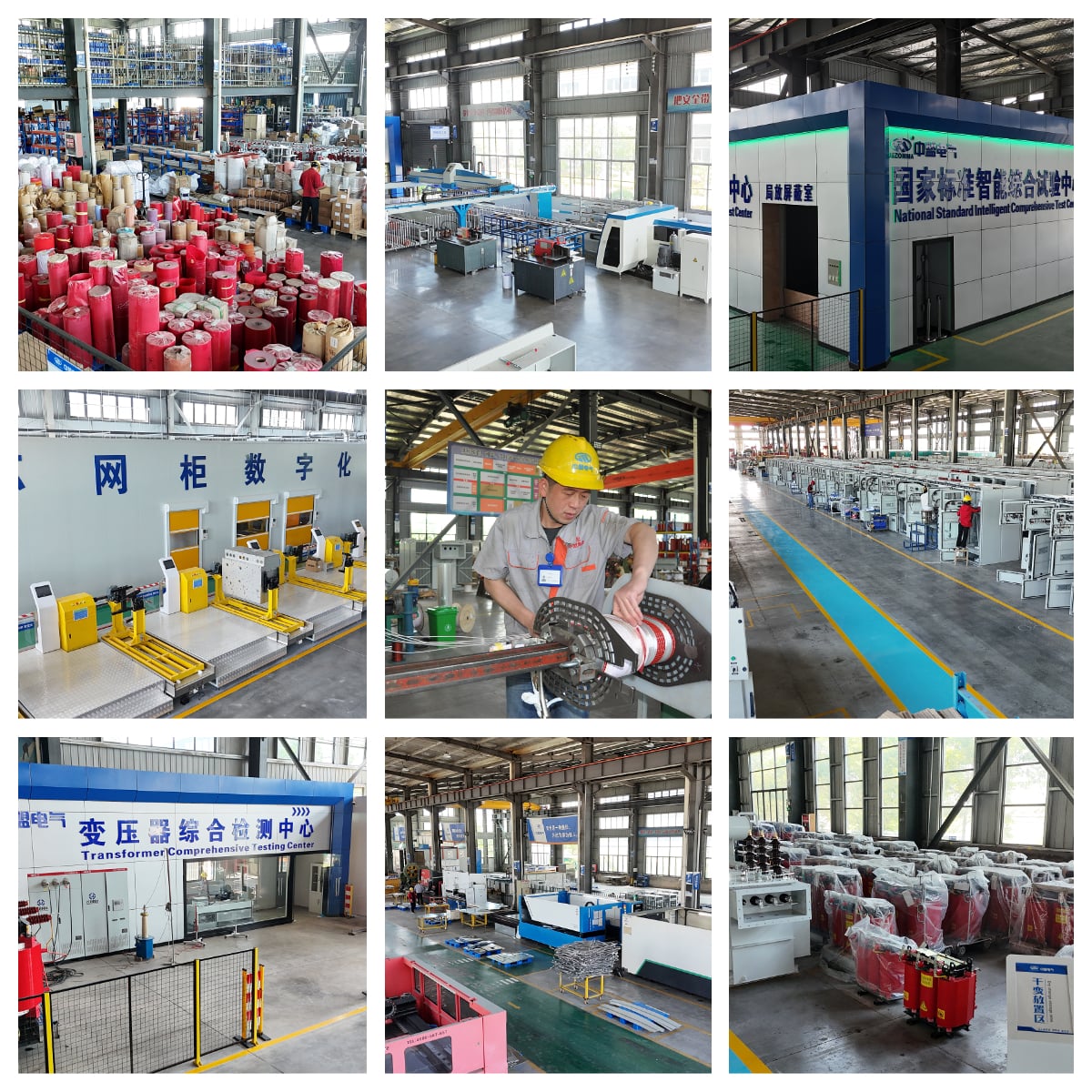
Factory Pre-Assembly Reduces On-Site Exposure. Jiangsu Unita’s grid-connected prefabricated cabins use a factory-prefabricated model with short on-site installation cycles, reducing equipment exposure to sand-dust environments during construction. The primary-secondary grid-connected prefabricated cabin integrates high-voltage distribution, protection control, and communication management into one unit, eliminating extensive on-site wiring and civil works.
Sand-Dust Scenario Selection Checklist
1. Annual sand-dust days, maximum wind speed, and sand particle size characteristics (fine sand/coarse sand) at the project site
2. Whether equipment protection rating matches sand-dust intensity (IP54 vs IP55+)
3. Whether ventilation openings are equipped with dust filters, and whether filter replacement is convenient
4. Whether the cabin sealing solution covers weak points such as door seams and steel plate joints
5. Whether the manufacturer has customized cases and test data for sand-dust scenarios
FAQ
Q: For off-grid project selection, which comes first—power rating or protection rating?
A: In sand-dust regions, protection rating comes first. Downtime and repair costs from dust protection failure far exceed the price difference at the selection stage.
Q: How often do prefabricated cabin dust filters need replacement?
A: It depends on dust concentration and season. Quarterly inspection is generally recommended, with shorter intervals during peak sand-dust seasons. Convenient filter replacement design should be a selection consideration.
Q: Is IP54 enough, or is IP65 necessary?
A: For arid sand-dust regions in Northwest China, IP54 with proper sealing design is typically sufficient. If the project also faces heavy rain or salt spray, IP55 and above is recommended.
Q: What’s the difference between prefabricated cabins and traditional box transformers in sand-dust scenarios?
A: Prefabricated cabins are factory pre-assembled and transported as complete units, shortening on-site installation time and reducing equipment exposure to sand-dust environments and sealing damage risks.
For off-grid projects in sand-dust regions, asking about "power rating" is fine—but asking about "dust protection" first is what determines whether the project can operate long-term. Zhongmeng Electric can customize prefabricated cabin dust protection solutions based on specific project environmental parameters, helping you avoid "chronic diseases" from the selection stage.