 EN

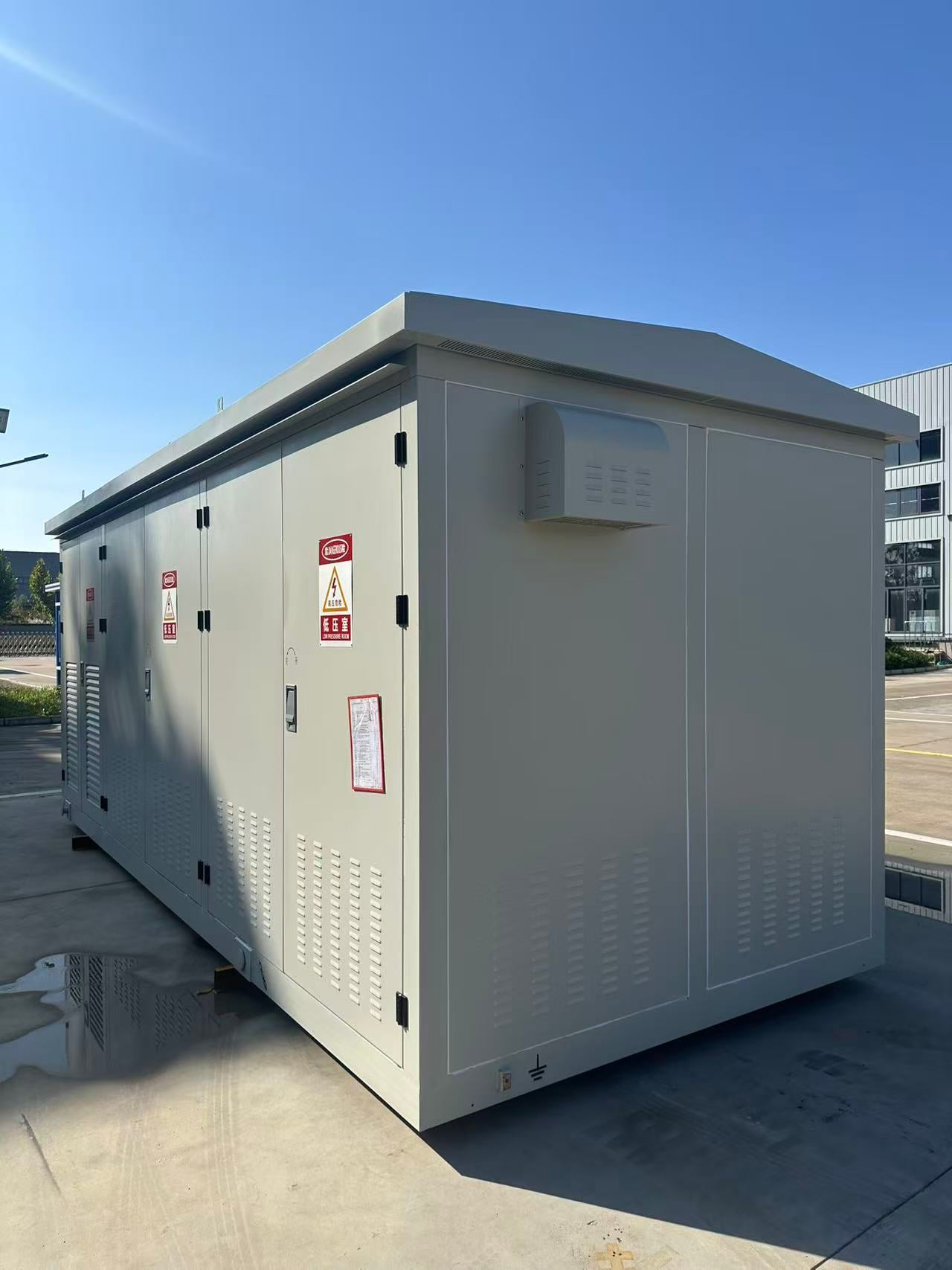
When deploying off-grid systems in remote areas, people usually spend a lot of effort discussing battery life, controller efficiency, or routine maintenance. But one fact is often underestimated: many devices already have hidden problems before they reach the site and are powered on for the first time, because of vibration and impact during transport. Operational failures usually come with alarms. Transport damage is often “quiet.” It may not stop the system immediately, but months later it can appear as loose connectors, cracked brackets, or reduced insulation.
Why Transport Damage Is Easy to Overlook
Off-grid project sites are often in places where the main power grid cannot easily reach: mountainous areas, islands, mining sites, or villages with poor roads. From the factory to the site, equipment usually travels by road, through ports, and sometimes over an unpaved “last mile.” During this journey, the equipment experiences continuous low-frequency swaying, occasional severe impact, and repeated tilting and shaking.
Impact and vibration directly increase the chance of equipment failure. This effect has a special feature: it does not always cause visible damage on the spot, but it can gradually loosen parts that were originally tight and cause small shifts in electrical connections that should keep a fixed distance. A system that passed factory tests may no longer have the same mechanical state after a long rough journey if the battery racks, cables, or controllers inside were not reliably held in place.
Transport Fixation of Prefabricated Cabins: The Key Is Not “Putting It Inside,” but “Keeping It From Moving”
A prefabricated cabin integrates equipment inside a closed cabin and transports it as one unit. This reduces uncertainty during on-site installation. But because it is a “single unit,” the mechanical issues in transport become more concentrated: the cabin is heavy and has large inertia, and every part inside that is not fully restrained can become an independent source of vibration during the journey.
Internal Fixation: Battery Racks and Modules Need “Buffering and Limiting,” Not Just Tightening
For battery energy storage equipment, industry practice clearly requires reliable connections and buffering and limiting between battery racks and battery cells or modules, so that stability is maintained under transport vibration. “Buffering and limiting” means keeping materials or structures between the fixing parts and the equipment that can absorb impact, while using limiting devices to prevent the equipment from moving side to side under repeated vibration. Simply tightening bolts very hard can, under long-distance vibration, actually cause the bolts to lose preload because of metal fatigue.
Cabin Fixation: Transport Locking and Site Fixation Are Two Different Systems
A prefabricated cabin needs one set of transport locking devices on a truck or ship, and another set of fixation methods to connect to the foundation after arriving at the site. Removable transport fixation devices usually include fixing plates, wedge blocks, and locking parts. They hold the cabin on the transport platform through limiting structures, not just through friction. The cabin itself also needs to be designed to withstand the mechanical stress from lifting, transport, and installation without deformation that affects the internal equipment.
Use Data Instead of “It Looks Fine”: The Role of Vibration Recorders
For equipment with shock and vibration requirements, installing a vibration recorder on the transport packaging or cabin is a low-cost but effective method. A vibration recorder continuously records impact and vibration data throughout the journey. After arrival, both sides can read the data together and judge whether the actual vibration exposure exceeded the equipment’s tolerance range. If it did not exceed the range, the fixation design worked. If it did exceed the range, key connections should be checked specifically before power-on. This method turns “transport quality” from a subjective judgment into a record that can be reviewed.
Arrival Inspection: Ask Three Questions Before Power-On
A power-on test can only answer “can the equipment work now?” It cannot answer “did it suffer internal damage during transport?” Off-grid sites are often far from repair resources, and the time cost of one rework is much higher than spending an extra half hour on inspection before departure.
The first question is: Are the transport fixation parts still intact? Check the locking points between the cabin and the transport platform, and the limiting devices on internal battery racks or equipment racks, for looseness, displacement, or deformation. Any part that has moved during transport needs to be reset and its fixation state confirmed again before power-on.
The second question is: Is the vibration record within the allowed range? If a recorder is installed, read the data on site and compare it with the equipment’s vibration tolerance. If the data is abnormal, check the tightness of electrical connections even if there is no visible damage.
The third question is: Are there any “hidden loose connections” inside? The most common effect of transport vibration on electrical systems occurs at connection points: terminals, connectors, and grounding bolts. Visual inspection can find obvious detachment, but small looseness needs to be checked by hand. For battery module connections and main grounding connections inside a prefabricated cabin, confirming them one by one before the first power-on is the last step that keeps transport risk outside the system.
Industry Standards and Testing Protocols
Several international standards address the transport packaging and testing of industrial equipment. The ISTA (International Safe Transit Association) series provides standardized procedures for simulating transport vibration and shock environments. IEC 62109 covers safety requirements for power converters used in renewable energy systems, including mechanical integrity under transport conditions.
For battery energy storage systems, UN 38.3 and IEC 62619 define transport safety requirements that include vibration and mechanical shock testing. Equipment manufacturers should reference these standards when designing fixation systems for prefabricated cabins, and conduct validated testing to confirm that their designs can withstand the expected transport environment.
Building a Transport Quality Protocol
An effective transport quality protocol consists of three phases: pre-shipment verification, in-transit monitoring, and post-arrival inspection. Each phase has specific checkpoints that must be documented and verified.
Pre-shipment: Verify that all fixation devices are installed according to the design specifications. Check bolt torque values, limiter engagement, and cable management. Record the initial state with photographs and a signed checklist.
In-transit: Install vibration recorders at designated locations on the cabin or packaging. Ensure recorders are activated and calibrated before the shipment leaves the factory. Monitor transit conditions where possible and document any incidents such as road closures, detours, or handling accidents.
Post-arrival: Follow the three-question inspection protocol before powering on any equipment. Document all findings and resolve any abnormalities before the system enters operational status. Maintain records for warranty and quality assurance purposes.
Conclusion: Making the Invisible Journey Visible
Transport damage is more common than operational failure for a simple reason: operational failures happen when someone is on site and monitoring is in place, while stress accumulation during transport happens when no one is watching and no one is recording.
The transport fixation design of prefabricated cabins, together with data checks and connection checks on arrival, essentially makes this “invisible journey” visible again. For off-grid projects, keeping equipment in the same mechanical state as when it left the factory is more worth confirming first than any single operating parameter.
Application Scenarios
Application Scenario |
Typical Transport Challenges |
Key Risks and Recommended Measures |
Solar PV Plant |
Remote mountain sites, unpaved roads |
Panel frame cracks; use corner bracing |
Wind Farm |
Oversized components, long-distance haul |
Bearing damage; use custom cradles |
Energy Storage System |
Heavy battery racks, high center of gravity |
Cell displacement; buffering and limiting |
Telecom Base Station |
High-altitude sites, narrow access roads |
Connector loosening; use vibration pads |
Mining Site |
Extreme terrain, continuous vibration |
Structural fatigue; reinforced fixation |
FAQ
Q1: What is transport damage in off-grid systems?
Transport damage refers to hidden mechanical issues — such as loose connectors, cracked brackets, or reduced insulation — caused by vibration and impact during equipment transit from the factory to the site.
Q2: Why is transport damage more common than operational failure?
Operational failures occur under monitored conditions with alarms and personnel on site. Transport damage accumulates silently during transit when no one is watching or recording, making it more likely to go undetected until months later.
Q3: What should an arrival inspection include?
An arrival inspection should verify three things: (1) transport fixation parts are still intact, (2) vibration recorder data is within the allowed range, and (3) critical electrical connections are tight, checked by hand where visual inspection is insufficient.
Q4: What is “buffering and limiting” for battery racks?
Buffering and limiting means placing energy-absorbing materials or structures between fixing parts and equipment to absorb impact, while using physical stops to prevent lateral movement under repeated vibration. This approach is more effective than simply tightening bolts, which can lose preload due to metal fatigue.
Q5: Are off-grid projects more vulnerable to transport damage?
Yes. Off-grid project sites are typically located in remote areas with poor road conditions — mountains, islands, mining sites, or villages. The extended “last mile” over unpaved roads exposes equipment to more vibration and impact, making both fixation design and arrival inspection especially critical.
Table of Contents
- Why Transport Damage Is Easy to Overlook
- Transport Fixation of Prefabricated Cabins: The Key Is Not “Putting It Inside,” but “Keeping It From Moving”
- Arrival Inspection: Ask Three Questions Before Power-On
- Industry Standards and Testing Protocols
- Building a Transport Quality Protocol
- Conclusion: Making the Invisible Journey Visible
- Application Scenarios
- FAQ