 EN
EN

News
Dry Transformer Selection: Match Type, Weigh Pros & Cons, Avoid Mistakes
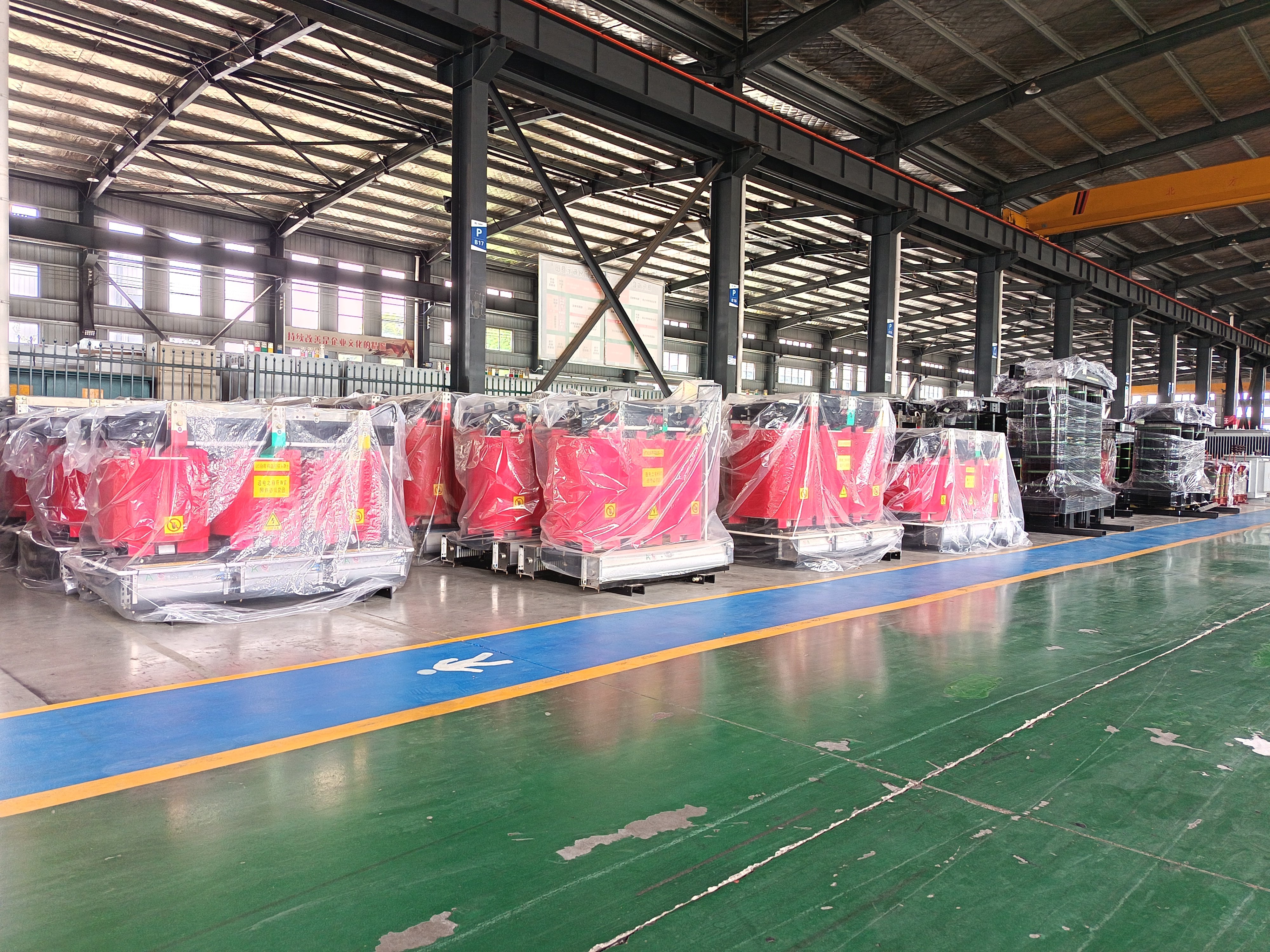
When selecting a dry-type transformer, it is not only necessary to have sufficient capacity but also to ensure good performance.
If the capacity is too small, it may lead to frequent tripping or even damage. If the capacity is too large, it will result in wasted investment and long-term electricity costs. Both of these are costs.
Step 1: Calculate the capacity accurately
Capacity is the first threshold for selection. The key point is not to look at the total power marked on the equipment nameplate, but to calculate the "computational load" - taking into account the devices running simultaneously, power factor, and future expansion.
A practical formula is: Transformer capacity (kVA) ≈ Total equipment power (kW) ÷ Power factor × Safety factor (it is recommended to leave about 20%). For example, if the total equipment power is 500kW and the power factor is 0.8, the calculated apparent power is approximately 625kVA. Adding a 20% margin, choosing 750kVA or 800kVA would be more reliable instead of forcing the use of 630kVA.
Step 2: Determine the type based on the scenario, and choose the energy efficiency based on the long-term perspective.
The requirements for transformers vary significantly depending on the specific scenario.
In densely populated areas (such as shopping malls and hospitals), low noise (recommended ≤ 55 dB) and high fire resistance (A-level flame retardant) must be prioritized, as these are the safety and compliance baselines.
For scenarios with high demands for power quality (such as data centers and precision manufacturing), the Dyn11 connection group of transformers is recommended, as it can effectively suppress harmonics and stabilize the neutral line voltage.
In outdoor scenarios such as new energy (photovoltaic and wind power), high protection level (IP54 or above) and resistance to salt spray corrosion become critical.
Once the type is determined, the energy efficiency level directly affects the operating costs over a period of ten years or even longer.
Taking a 1000kVA transformer as an example, the SCB13 series can save over $2000 yuan in annual electricity costs compared to the SCB10 series, which amounts to the difference of a new equipment over ten years. Choosing energy-efficient products, although the procurement cost is higher, is more cost-effective in the long run.
Step 3: Pay attention to temperature control and protection
Many selection errors occur in the hidden areas.
The temperature control system is the "thermometer" of the transformer, and it must support real-time monitoring, over-temperature alarm, and automatic tripping functions.
According to the F-class insulation standard, the hotspot temperature of the winding should be controlled below 155℃. If it reaches 170℃, the protection trip must be triggered;otherwise, the insulation life will be sharply shortened.
The protection level (IP) determines whether the equipment can adapt to the environment: for indoor distribution rooms, IP20 is sufficient, preventing small animals from entering; for outdoor or dusty, humid environments, IP23 or IP54 are essential; otherwise, the accumulation of dust will cause local discharge, directly threatening the equipment life.
Avoid common misconceptions
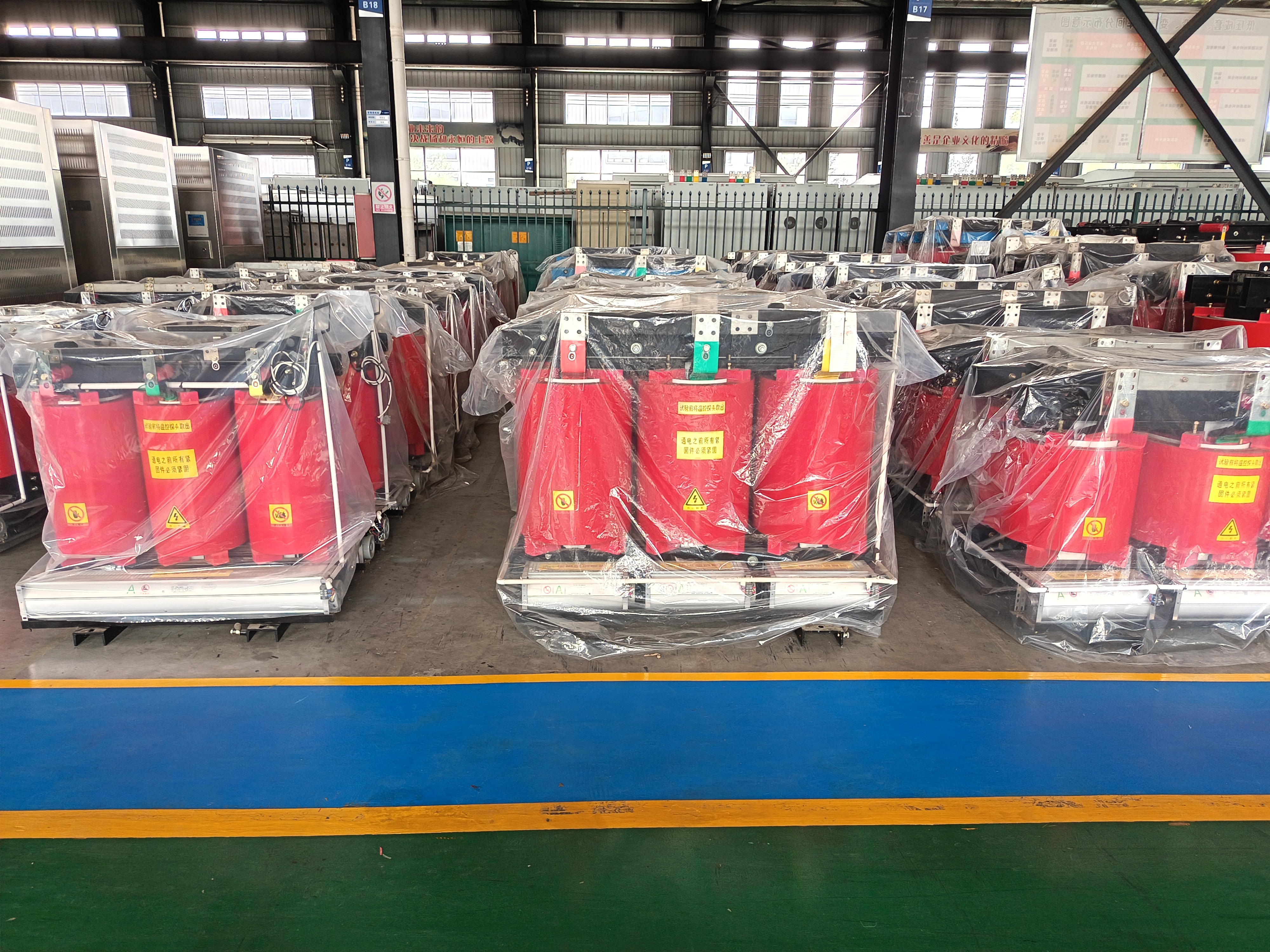
Misconception 1: Price priority. Products at lower prices may "cut corners" in terms of temperature control accuracy and fireproof materials. The costs for later repairs and electricity expenses often exceed the price difference.
Misconception 2: Ignoring the manufacturer's services. For transformers, "three parts of quality and seven parts of operation and maintenance" are crucial. A reliable manufacturer should provide complete factory test reports, installation guidance, and prompt after-sales response. These are invisible "invisible insurances".
The selection process is not about choosing the equipment with the highest parameters; instead, it is about ensuring that each indicator precisely matches the actual needs. Starting from accurately calculating the capacity, to matching the scenarios, reviewing energy efficiency, and verifying temperature control and protection, every step must be carried out meticulously. Only then can a truly "durable and cost-effective" device be selected.
Jiangsu Unita Equioment Co., Ltd.(JSZONMA) can based on your project requirements, from aspects such as performance and service environment, provide you with dry-type transformers that meet your needs from multiple perspectives of capacity, temperature control and protection. Moreover, before delivering the goods to you, they will conduct comprehensive transformer tests, such as capacity, temperature rise, short-term relay protection, etc., to ensure that the transformers fully meet your requirements, allowing you to feel more at ease.