 EN
EN


News
How to Choose the Oil-immersed Transformer for Your Project? Professional Procurement Guide
In power system projects, the selection of oil-immersed transformers directly affects the investment cost, operational reliability and long-term energy efficiency. With so many different types of transformers available on the market, how can one select the most suitable one for the project? The following aspects need to be considered:
1. Clearly define the basic electrical parameters
The first step in the selection process is to determine the rated capacity (kVA) and voltage level. Load density should be calculated based on the load, and future expansion requirements over the next 5-10 years should be considered. It is recommended to reserve a 20% margin. At the same time, the rated voltages of the primary and secondary sides and the tap ranges should be confirmed to ensure compatibility with the power grid.
2.Pay attention to performance and energy efficiency standards
Energy efficiency is a key factor in long-term operating costs. The no-load and load losses of a first-level energy-efficient transformer are approximately 30% lower than those of a third-level energy-efficient transformer. Although the initial purchase cost is slightly higher, the difference can usually be recovered through electricity cost savings within 2-3 years.
3.Evaluation of Cooling and Insulation Methods
Oil-immersed transformers are mainly classified as ONAN (oil-immersed self-cooling) and ONAF (oil-immersed air-cooling). For scenarios with frequent short-term overloads, ONAF can increase the capacity by approximately 40%. In terms of insulation materials, the combination of Nomex® and high-temperature-resistant oil (such as β oil) can significantly enhance the fire safety level, especially suitable for urban underground substations or indoor projects.
4.Considering environmental adaptability
Protection level: For outdoor power distribution, a level of IP54 or higher is recommended to prevent dust and water from entering.
Altitude and Temperature: When the altitude exceeds 1000 meters, the external insulation distance and temperature rise limit values need to be adjusted; when the ambient temperature is outside the range of -25℃ to +40℃, a special type of oil needs to be customized.
Earthquake resistance and noise: For projects located in seismic zones or residential areas, it is necessary to request the provision of earthquake resistance calculation documents and noise test reports (typically requiring ≤ 60 dB).
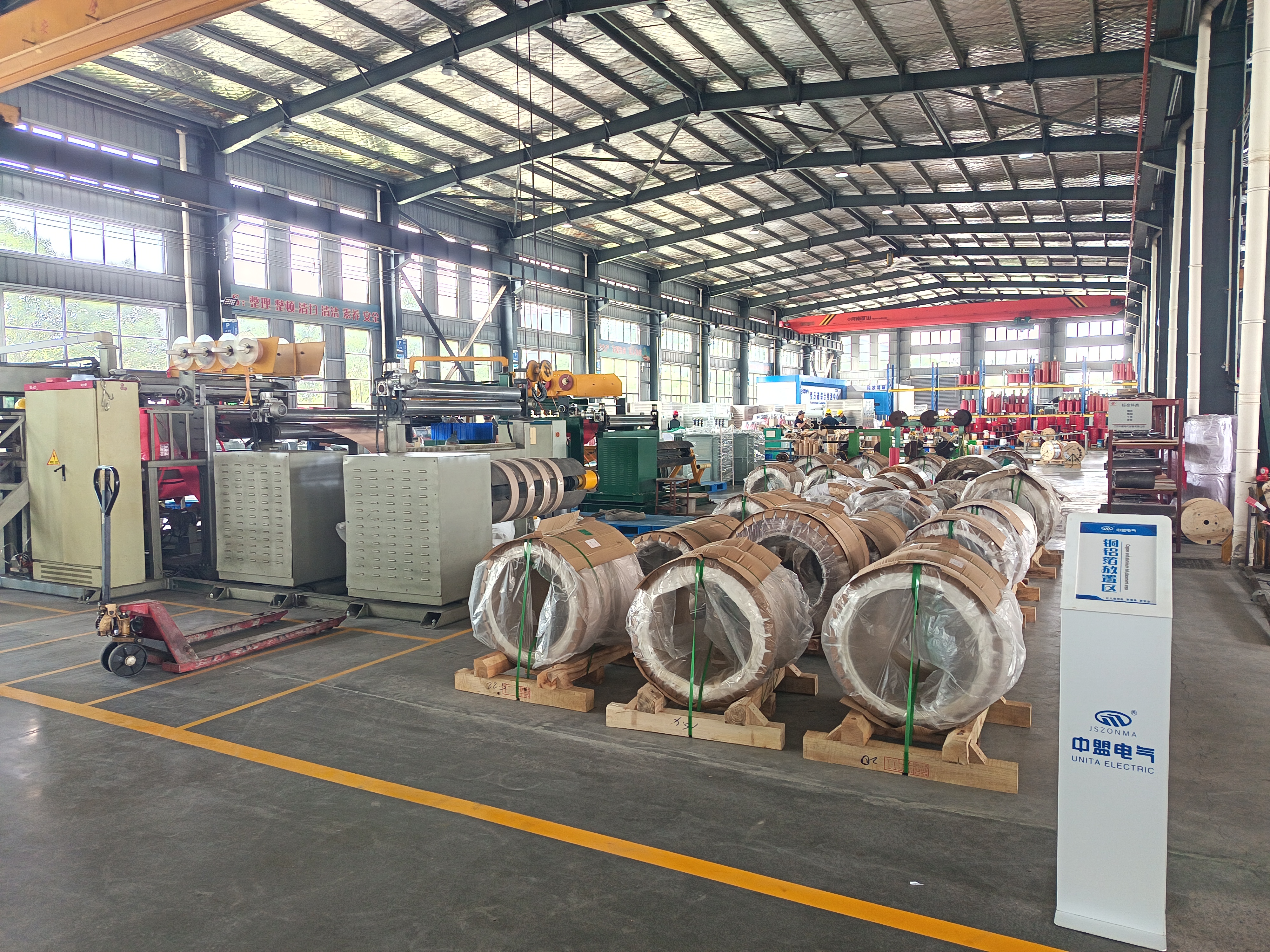
Summary: The selection process involves balancing technical parameters, energy efficiency levels, and environmental adaptability. It is not sufficient to consider only one aspect; all factors must be taken into account comprehensively. Only in this way can you select a transformer that not only meets the requirements but also operates stably for a long time.
If you have any questions or need to inquire about the requirements for specific transformers, please feel free to contact us at any time.