 EN
EN

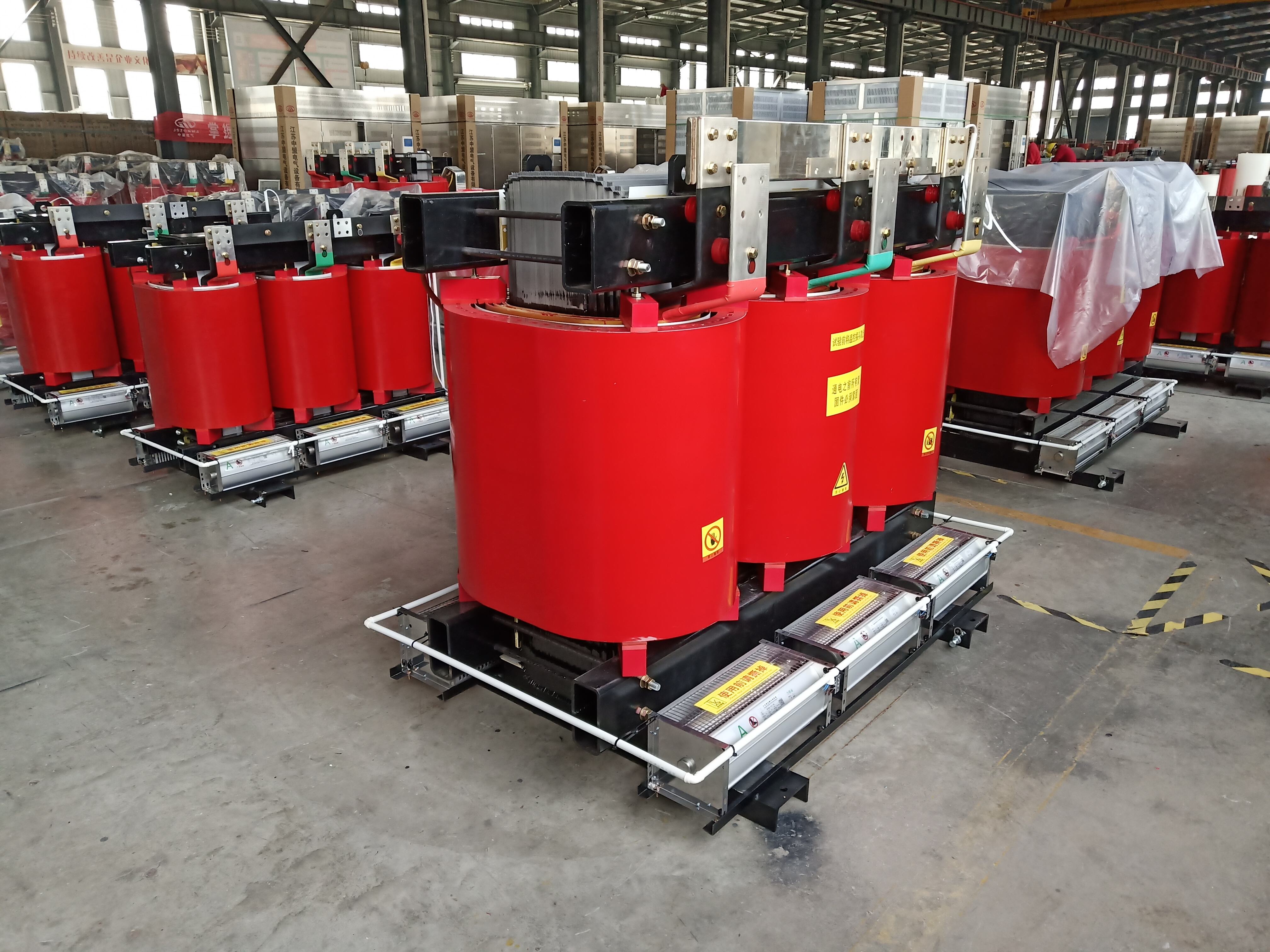
High-voltage electrical systems demand robust and reliable equipment capable of handling immense power loads while maintaining operational efficiency. Among the various transformer technologies available today, the oil transformer continues to dominate industrial applications due to its superior cooling capabilities, enhanced insulation properties, and proven track record in demanding environments. These liquid-filled units have evolved significantly over decades, incorporating advanced materials and design innovations that solidify their position as the preferred choice for utilities, industrial facilities, and power generation companies worldwide.
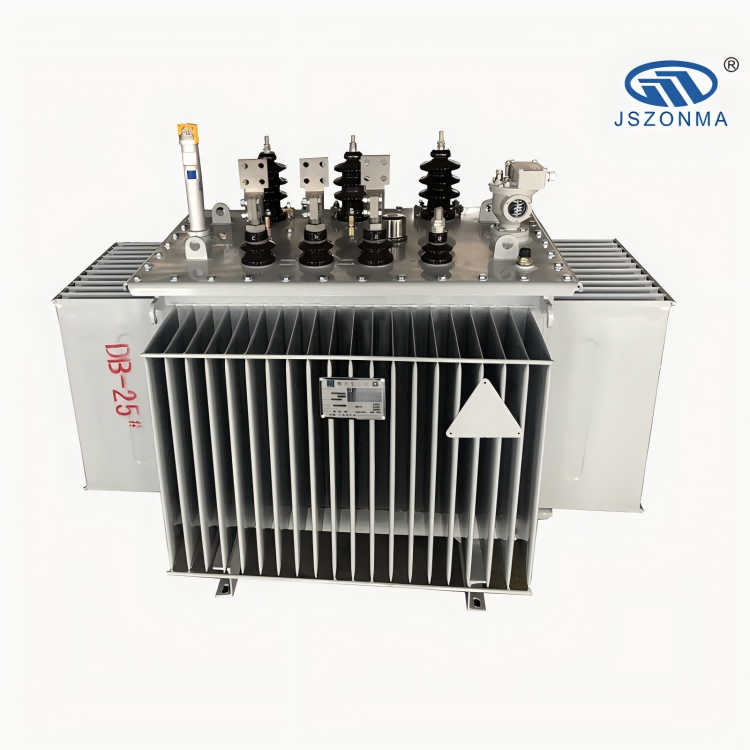
The fundamental advantage of oil-immersed transformer technology lies in its exceptional heat dissipation characteristics. Unlike air-cooled alternatives, mineral oil provides continuous circulation that effectively removes heat generated during electrical conversion processes. This thermal management capability enables oil transformer units to operate at higher power densities while maintaining optimal performance parameters. Additionally, the dielectric properties of transformer oil create superior insulation compared to air or other mediums, allowing for more compact designs without compromising safety standards.
Modern electrical infrastructure increasingly relies on oil transformer technology to meet growing energy demands across residential, commercial, and industrial sectors. The versatility of these units makes them suitable for applications ranging from neighborhood distribution systems to massive utility-scale installations. Their ability to step voltage up or down efficiently while maintaining power quality has made them indispensable components in contemporary power networks.
Superior Cooling Performance and Thermal Management
The cooling mechanism of an oil transformer represents one of its most significant advantages over alternative technologies. Mineral oil serves as both an insulating medium and an effective coolant, creating a dual-purpose system that maximizes operational efficiency. The natural convection properties of transformer oil enable continuous heat transfer from internal windings to external surfaces, where dissipation occurs through radiator fins or cooling fans depending on the specific design configuration.
Natural Circulation Benefits
Natural oil circulation within transformer tanks creates consistent temperature distribution throughout the unit. This process occurs without mechanical intervention, as heated oil rises while cooler oil descends, establishing a reliable convection cycle. The continuous movement prevents hot spots from developing within windings or core components, significantly extending equipment lifespan while maintaining consistent performance characteristics. This passive cooling approach also reduces maintenance requirements compared to systems requiring active cooling components.
The thermal capacity of transformer oil allows these units to handle temporary overload conditions without immediate performance degradation. During peak demand periods, the oil transformer can accommodate increased current flows while the cooling system gradually adjusts to maintain safe operating temperatures. This flexibility proves invaluable in utility applications where load variations occur throughout daily cycles.
Enhanced Heat Dissipation Mechanisms
Advanced oil transformer designs incorporate sophisticated heat exchange systems that maximize cooling efficiency. Radiator configurations, forced-air cooling systems, and water-cooled heat exchangers can be integrated to handle extreme power ratings. These cooling enhancements enable oil transformer units to operate in harsh environmental conditions while maintaining reliability standards required for critical infrastructure applications.
The thermal response characteristics of mineral oil provide stable operation across wide temperature ranges. Unlike solid insulation materials that may degrade rapidly under thermal stress, transformer oil maintains its properties consistently, ensuring long-term reliability. This stability translates into predictable performance over decades of operation, making oil transformer technology economically attractive for long-term investments.
Exceptional Insulation Properties and Electrical Performance
The dielectric strength of properly maintained transformer oil significantly exceeds that of air or other gaseous insulation mediums. This superior insulation capability allows oil transformer designs to achieve higher voltage ratings within compact physical footprints. The liquid insulation completely fills all void spaces within the transformer tank, eliminating air pockets that could potentially cause electrical failures under high-voltage conditions.
Dielectric Strength Advantages
Mineral oil used in oil transformer applications typically exhibits dielectric strength values exceeding 30 kV per 2.5mm gap under standard testing conditions. This exceptional insulation performance enables designers to reduce clearance distances between energized components and grounded surfaces, resulting in more compact transformer configurations. The consistent dielectric properties throughout the oil volume ensure reliable insulation performance regardless of load variations or environmental conditions.
The self-healing properties of liquid insulation provide additional reliability benefits. Minor electrical discharges that might permanently damage solid insulation materials are absorbed by transformer oil without creating permanent weakness points. This characteristic contributes to the robust nature of oil transformer technology and explains why these units often operate successfully for several decades with proper maintenance protocols.
Voltage Regulation and Power Quality
Oil transformer units provide excellent voltage regulation characteristics essential for maintaining power quality in distribution networks. The stable electrical properties of mineral oil insulation enable precise control of magnetic flux within transformer cores, resulting in minimal voltage fluctuations under varying load conditions. This performance consistency proves crucial for sensitive industrial processes and electronic equipment requiring stable power supplies.
The low-loss characteristics of well-designed oil transformer units contribute to overall system efficiency. Reduced energy losses translate into lower operating costs and environmental benefits through decreased power generation requirements. Modern oil transformer designs achieve efficiency ratings exceeding 99%, making them highly competitive options for energy-conscious applications.
Proven Reliability and Longevity in Demanding Applications
The operational history of oil transformer technology spans over a century, providing extensive data regarding reliability and performance characteristics. Field experience demonstrates that properly maintained oil transformer units regularly achieve service lives exceeding 30 years, with many installations operating successfully for 40-50 years or more. This exceptional longevity makes oil transformer technology highly cost-effective from lifecycle perspective considerations.
Field Performance Data
Statistical analysis of oil transformer failures reveals that most issues result from external factors rather than inherent design limitations. Lightning strikes, mechanical damage, and inadequate maintenance account for the majority of premature failures, while the core oil transformer technology demonstrates remarkable resilience under normal operating conditions. Utilities worldwide continue to specify oil transformer units for critical applications based on this proven reliability record.
The predictable aging characteristics of transformer oil enable effective condition monitoring programs that maximize equipment lifespan. Oil analysis techniques can detect developing problems years before they might cause failures, allowing for proactive maintenance interventions. This monitoring capability provides utilities and industrial operators with confidence in long-term system reliability while optimizing maintenance investments.
Environmental Adaptability
Oil transformer designs demonstrate exceptional adaptability to diverse environmental conditions ranging from arctic installations to tropical climates. The thermal properties of mineral oil enable reliable operation across temperature extremes that might challenge alternative technologies. Specialized oil formulations and tank designs allow these units to function effectively in coastal areas with high salt content, industrial zones with chemical contamination, and remote locations with minimal maintenance access.
The robust construction typical of oil transformer units provides excellent resistance to mechanical stresses including seismic activity, high winds, and transportation-related impacts. Heavy-duty tank designs and internal bracing systems protect critical components while maintaining electrical integrity under challenging physical conditions. This mechanical resilience contributes to the overall reliability reputation of oil transformer technology.
Economic Advantages and Cost-Effectiveness
The economic benefits of oil transformer technology extend beyond initial purchase costs to encompass total ownership expenses over equipment lifetimes. Lower maintenance requirements, extended service intervals, and high salvage values contribute to favorable economic profiles that make oil transformer units attractive investments for utilities and industrial operators. The proven technology also benefits from competitive manufacturing costs due to established production processes and material supply chains.
Total Cost of Ownership Analysis
Comprehensive lifecycle cost evaluations consistently demonstrate the economic advantages of oil transformer technology compared to alternative solutions. The combination of low initial costs, minimal maintenance expenses, and extended service lives results in exceptionally low cost-per-year-of-service ratios. Additionally, the high efficiency of modern oil transformer designs reduces operating costs through lower energy losses throughout equipment lifetimes.
The standardized nature of oil transformer technology enables competitive procurement processes that benefit purchasers through multiple supplier options and established pricing structures. This market maturity contrasts favorably with newer technologies that may involve premium pricing due to limited manufacturing capacity or proprietary designs. The availability of refurbishment services for oil transformer units further enhances their economic attractiveness.
Investment Recovery and Asset Value
Oil transformer units typically retain significant asset value throughout their service lives, providing favorable depreciation schedules for accounting purposes. The robust secondary market for used oil transformer equipment enables recovery of substantial investment portions when equipment reaches end-of-life conditions. This residual value characteristic distinguishes oil transformer technology from alternatives that may have limited secondary market appeal.
The long service life expectancy of oil transformer installations provides excellent return on investment through decades of reliable operation. Utilities can amortize initial costs over extended periods while benefiting from stable performance characteristics. This predictability enables accurate long-term financial planning and reduces uncertainty associated with equipment replacement scheduling.
Advanced Design Features and Modern Innovations
Contemporary oil transformer designs incorporate numerous technological improvements that enhance performance, reliability, and safety characteristics. Advanced core materials, improved winding techniques, and enhanced oil preservation systems represent significant improvements over earlier designs. These innovations ensure that modern oil transformer technology remains competitive with emerging alternatives while building upon proven operational principles.
Core and Winding Improvements
Modern oil transformer cores utilize high-grade electrical steels with superior magnetic properties that reduce no-load losses and improve efficiency ratings. Advanced core construction techniques minimize stray losses while optimizing magnetic circuit performance. These improvements enable oil transformer units to achieve exceptional efficiency levels while maintaining compact physical configurations suitable for space-constrained installations.
Winding design innovations incorporate improved insulation systems and conductor configurations that enhance both electrical and thermal performance. Computer-aided design tools enable optimization of winding geometries for specific applications, resulting in oil transformer units tailored to particular operating requirements. These design refinements contribute to improved reliability and performance characteristics across diverse application scenarios.
Oil Preservation and Monitoring Systems
Advanced oil preservation systems protect transformer oil from contamination and oxidation throughout equipment lifetimes. Sealed tank designs, nitrogen blanketing systems, and sophisticated breather configurations maintain oil quality while accommodating thermal expansion and contraction cycles. These preservation technologies significantly extend oil service life and reduce maintenance requirements compared to earlier open-tank designs.
Integrated monitoring systems enable continuous assessment of oil transformer condition through measurement of key parameters including dissolved gases, moisture content, and electrical properties. These monitoring capabilities provide early warning of developing problems while optimizing maintenance scheduling. Real-time data transmission enables remote monitoring of multiple installations from centralized control facilities, improving operational efficiency and reducing site visit requirements.
FAQ
What makes oil transformers more efficient than dry-type alternatives
Oil transformer units achieve superior efficiency through enhanced cooling capabilities that enable higher power densities and reduced losses. The liquid insulation provides better thermal conductivity compared to air, allowing for more compact designs with improved electrical performance. Modern oil transformer designs typically achieve efficiency ratings exceeding 99%, while comparable dry-type units may have efficiency ratings several percentage points lower due to thermal limitations and design constraints.
How long can oil transformers typically operate before requiring replacement
Well-maintained oil transformer units regularly achieve service lives of 30-40 years, with many installations operating successfully for 50 years or more. The longevity depends on factors including load patterns, environmental conditions, and maintenance quality. Regular oil analysis and condition monitoring enable optimization of equipment lifespan while providing advance warning of potential issues. This extended service life makes oil transformer technology highly cost-effective from lifecycle perspective considerations.
Are there environmental concerns associated with oil transformer installations
Modern oil transformer installations incorporate comprehensive containment systems and environmental protection measures that minimize ecological risks. Secondary containment systems prevent oil releases during normal operation or equipment failures. The mineral oil used in contemporary designs is biodegradable and poses minimal long-term environmental risks. Many utilities have implemented oil recycling programs that further reduce environmental impact while extending oil service life through reconditioning processes.
What maintenance requirements are necessary for optimal oil transformer performance
Oil transformer maintenance primarily involves periodic oil analysis, visual inspections, and electrical testing to assess overall condition. Oil analysis typically occurs annually and monitors dissolved gases, moisture content, and dielectric strength to detect developing problems. External inspections examine tank condition, cooling system operation, and accessory equipment functionality. Most oil transformer units require minimal maintenance between major overhauls, which may occur at 15-20 year intervals depending on operating conditions and performance history.
Table of Contents
- Superior Cooling Performance and Thermal Management
- Exceptional Insulation Properties and Electrical Performance
- Proven Reliability and Longevity in Demanding Applications
- Economic Advantages and Cost-Effectiveness
- Advanced Design Features and Modern Innovations
-
FAQ
- What makes oil transformers more efficient than dry-type alternatives
- How long can oil transformers typically operate before requiring replacement
- Are there environmental concerns associated with oil transformer installations
- What maintenance requirements are necessary for optimal oil transformer performance