 EN
EN
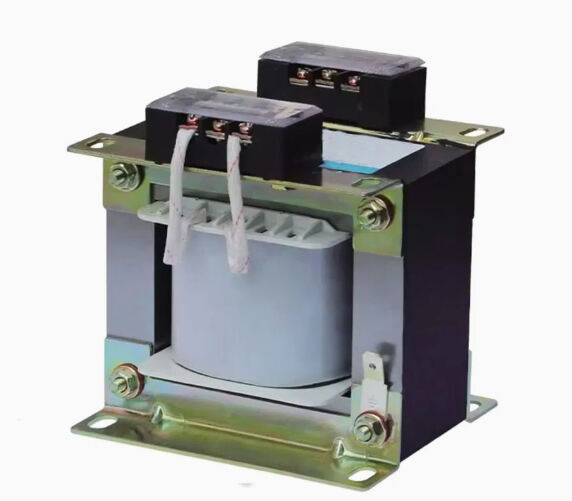
Selecting the appropriate transformer type for electrical infrastructure projects requires careful consideration of various technical and operational factors. The choice between an oil transformer and a dry transformer significantly impacts system performance, maintenance requirements, and overall project costs. Understanding the fundamental differences between these two transformer technologies helps engineers and facility managers make informed decisions that align with their specific application requirements. Modern electrical systems demand reliable power distribution solutions that can operate efficiently across diverse environmental conditions while meeting stringent safety standards.
Understanding Oil Transformer Technology
Core Operating Principles
An oil transformer utilizes mineral oil or synthetic fluid as both an insulating medium and cooling agent. The transformer oil serves multiple critical functions within the electrical system, providing superior dielectric strength compared to air-based insulation systems. The oil circulation process removes heat generated during power conversion, maintaining optimal operating temperatures even under heavy load conditions. This liquid cooling mechanism enables oil transformer designs to achieve higher power ratings and improved efficiency levels compared to their dry counterparts.
The insulating properties of transformer oil allow for more compact winding arrangements and reduced clearance distances between electrical components. This design advantage translates to smaller overall transformer dimensions for equivalent power ratings. The oil also acts as a protective barrier against moisture and contaminants that could compromise electrical insulation integrity. Advanced oil transformer systems incorporate sophisticated monitoring equipment to track oil quality parameters and detect potential issues before they impact system performance.
Construction and Design Features
Oil transformer construction incorporates a sealed tank system designed to contain the insulating fluid while preventing contamination from external sources. The tank structure includes expansion chambers and conservator systems that accommodate oil volume changes due to temperature variations. High-quality steel laminations form the magnetic core, while copper or aluminum windings are carefully positioned within the oil-filled chamber. The overall design emphasizes thermal management through natural or forced oil circulation systems.
Modern oil transformer designs include advanced protection systems such as pressure relief valves, temperature monitoring devices, and oil quality sensors. The external tank configuration allows for efficient heat dissipation through radiator fins or cooling tubes. Internal components are accessible for maintenance through removable covers and inspection ports. The robust construction methodology ensures reliable operation across diverse environmental conditions while maintaining electrical safety standards.
Dry Transformer Technology Overview
Air-Cooled System Design
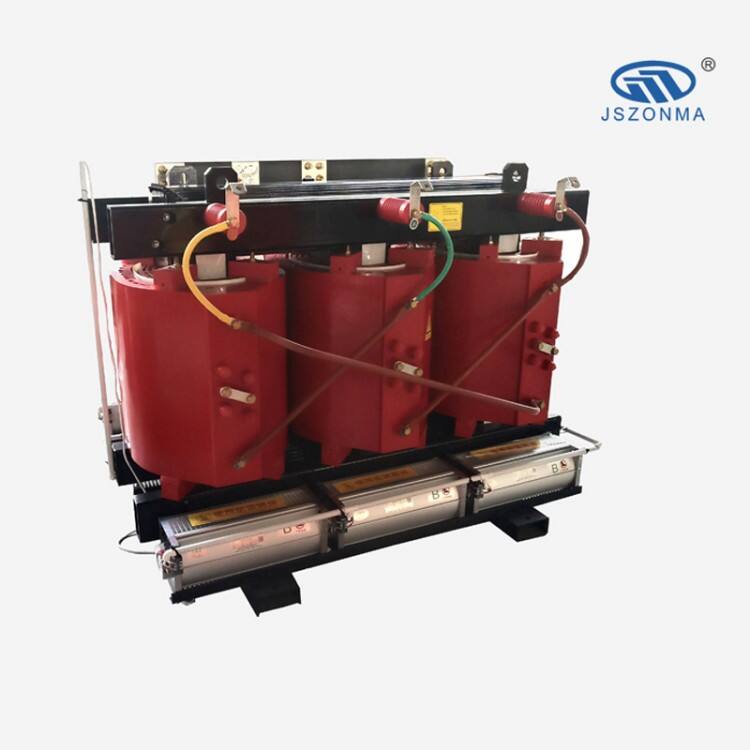
Dry transformers rely on ambient air circulation for cooling and utilize solid insulation materials instead of liquid dielectrics. The absence of oil eliminates fire hazards and environmental contamination risks associated with fluid-filled systems. Air-cooled designs incorporate ventilation systems that promote natural or forced air circulation around transformer windings. This cooling approach requires larger physical dimensions to achieve equivalent heat dissipation capabilities compared to oil-cooled systems.
The solid insulation system typically consists of resin-impregnated materials, epoxy coatings, or vacuum-sealed compounds that provide electrical isolation between windings. These materials offer excellent resistance to moisture and environmental contaminants while maintaining stable dielectric properties over extended operating periods. Dry transformer designs often incorporate cast resin encapsulation techniques that create robust, maintenance-free insulation systems suitable for indoor installation environments.
Environmental and Safety Advantages
Dry transformers present significant environmental benefits through their oil-free design, eliminating concerns about fluid leaks, spills, or disposal requirements. The absence of combustible liquids reduces fire risk and simplifies installation requirements in buildings with strict fire safety codes. Indoor installation flexibility allows dry transformers to be positioned closer to load centers, reducing transmission losses and improving system efficiency.
The maintenance requirements for dry transformers are typically lower than oil-filled units, as there are no fluid levels to monitor, oil quality tests to perform, or leak prevention measures to implement. This reduced maintenance overhead translates to lower lifecycle costs despite potentially higher initial equipment costs. Environmental compatibility makes dry transformers particularly suitable for applications in hospitals, schools, commercial buildings, and other facilities where safety and environmental protection are paramount concerns.
Performance Comparison Analysis
Efficiency and Load Capacity
Oil transformer systems generally demonstrate superior efficiency ratings and higher overload capacity compared to dry transformer alternatives. The liquid cooling medium enables more effective heat removal, allowing oil transformer units to operate at higher power densities without experiencing thermal stress. This thermal management advantage translates to improved performance under peak load conditions and enhanced system reliability during demanding operational scenarios.
Load capacity differences become more pronounced in high-power applications where thermal management becomes a critical design factor. Oil transformer technology can accommodate temporary overload conditions more effectively due to the thermal inertia provided by the liquid cooling medium. The heat storage capacity of transformer oil allows for brief periods of operation above rated capacity without immediate thermal damage. Dry transformers, while reliable, require more conservative loading practices to prevent overheating and insulation degradation.
Operational Lifespan Considerations
The operational lifespan of transformer systems depends on various factors including environmental conditions, loading patterns, and maintenance practices. Oil transformer units typically demonstrate longer operational lifespans when properly maintained, with some installations operating reliably for several decades. The liquid insulation system provides ongoing protection against moisture ingress and atmospheric contamination that can degrade electrical insulation over time.
Dry transformer lifespans are influenced primarily by insulation aging processes and thermal cycling effects. While modern dry transformer designs incorporate advanced materials that resist aging, the solid insulation system cannot be regenerated or replaced as easily as transformer oil. However, the reduced maintenance requirements and environmental stability of dry transformers can result in more predictable lifecycle costs and simplified asset management strategies.
Installation and Maintenance Requirements
Site Preparation and Infrastructure Needs
Oil transformer installations require specialized site preparation including concrete pads capable of supporting significant weight loads and potential oil containment systems. Environmental regulations often mandate secondary containment structures to prevent oil spills from reaching groundwater or surface water sources. The installation process involves careful handling procedures for oil-filled equipment and may require specialized transportation and rigging equipment due to weight considerations.
Dry transformer installations typically involve simpler site preparation requirements with standard concrete pads and basic ventilation considerations. The absence of liquid dielectrics eliminates containment system requirements and simplifies environmental compliance procedures. Installation flexibility allows dry transformers to be positioned in various indoor locations including basement areas, mechanical rooms, or purpose-built electrical enclosures without special environmental protection measures.
Ongoing Maintenance Protocols
Oil transformer maintenance protocols include regular oil testing procedures to monitor dielectric strength, moisture content, and contamination levels. Periodic oil filtration or replacement may be necessary to maintain optimal insulation properties and cooling effectiveness. Visual inspections of tank conditions, gasket integrity, and cooling system components form essential elements of preventive maintenance programs. Temperature monitoring and load analysis help optimize operational parameters and identify potential issues before they impact system performance.
Dry transformer maintenance requirements focus primarily on cleaning procedures to remove dust accumulation and visual inspections of insulation integrity. Air circulation systems require periodic cleaning to maintain cooling effectiveness, while electrical connections need regular inspection and torque verification. The simplified maintenance approach reduces ongoing operational costs but requires attention to environmental factors that could impact solid insulation performance over time.
Cost Analysis and Economic Factors
Initial Investment Considerations
Initial capital costs for oil transformer systems are generally lower than comparable dry transformer units, particularly in higher power rating applications. The manufacturing costs for oil transformer technology benefit from mature production processes and established supply chains. However, installation costs may be higher due to site preparation requirements, environmental compliance measures, and specialized handling procedures required for oil-filled equipment.
Dry transformer units typically command higher initial purchase prices due to advanced materials costs and specialized manufacturing processes. The premium pricing reflects the environmental and safety benefits provided by oil-free designs. Installation cost advantages often offset some of the initial equipment cost differential, as dry transformers require less complex site preparation and simplified installation procedures compared to oil transformer alternatives.
Lifecycle Cost Analysis
Lifecycle cost analysis reveals complex trade-offs between initial investment, operational expenses, and maintenance requirements. Oil transformer systems may offer lower total costs of ownership in high-power, long-duration applications where their superior efficiency and thermal performance provide ongoing operational benefits. Regular maintenance costs including oil testing, filtration, and eventual replacement must be factored into economic evaluations.
Dry transformer lifecycle costs benefit from reduced maintenance requirements and simplified operational procedures. The absence of fluid-related maintenance activities reduces ongoing operational expenses and eliminates environmental compliance costs associated with oil handling and disposal. Insurance costs may be lower for dry transformer installations due to reduced fire risk and environmental liability concerns, contributing to overall economic advantages in specific application scenarios.
Application-Specific Selection Guidelines
Industrial and Utility Applications
Large-scale industrial facilities and utility installations often favor oil transformer technology due to superior power handling capabilities and cost-effectiveness in high-power applications. Manufacturing facilities with substantial electrical loads benefit from the efficiency advantages and overload capacity provided by oil-cooled systems. Utility substations commonly employ oil transformer technology for transmission and distribution applications where reliability and performance are primary selection criteria.
Oil transformer installations in industrial settings require careful consideration of environmental regulations and safety protocols. Proper spill containment systems and emergency response procedures must be implemented to address potential oil release scenarios. Regular monitoring programs ensure continued compliance with environmental standards while maintaining optimal operational performance throughout the system lifecycle.
Commercial and Institutional Facilities
Commercial buildings, hospitals, schools, and other institutional facilities typically benefit from dry transformer installations due to their environmental safety characteristics and indoor installation flexibility. The absence of combustible fluids aligns with building fire safety codes and reduces insurance liability concerns. Dry transformer technology provides reliable power distribution while minimizing environmental impact and maintenance complexity.
Space-constrained commercial installations can accommodate dry transformers in mechanical rooms, basements, or specially designed electrical enclosures without requiring dedicated outdoor installations. The reduced maintenance requirements and elimination of oil-related environmental compliance issues make dry transformers particularly attractive for facilities management organizations seeking simplified operational procedures and predictable lifecycle costs.
FAQ
What are the main safety differences between oil transformers and dry transformers
The primary safety distinction lies in fire risk and environmental impact potential. Oil transformer units contain combustible mineral oil that poses fire hazards and requires specialized fire suppression systems. Environmental risks include potential oil spills that could contaminate soil and groundwater sources. Dry transformers eliminate these risks through oil-free designs, making them suitable for indoor installations and environmentally sensitive locations. However, oil transformer technology incorporates proven safety systems and protective devices that have been refined over decades of operational experience.
How do maintenance costs compare between the two transformer types
Oil transformer maintenance involves regular oil testing, periodic filtration or replacement, and monitoring of fluid levels and quality parameters. These activities require specialized equipment and trained personnel, contributing to higher ongoing maintenance costs. Dry transformer maintenance focuses primarily on cleaning procedures and visual inspections, resulting in lower routine maintenance expenses. However, major repairs or component replacements may be more complex and costly for dry transformers due to their specialized construction materials and techniques.
Which transformer type offers better efficiency for high-power applications
Oil transformer technology generally provides superior efficiency in high-power applications due to more effective thermal management and the ability to operate at higher power densities. The liquid cooling medium enables better heat dissipation, allowing oil transformers to maintain optimal operating temperatures under heavy load conditions. This thermal advantage translates to higher efficiency ratings and improved performance characteristics compared to air-cooled dry transformer systems, particularly in applications exceeding several megawatts of power capacity.
What environmental considerations should influence transformer selection decisions
Environmental considerations include fire safety requirements, spill containment obligations, and disposal responsibilities at end of life. Oil transformer installations must comply with environmental regulations regarding secondary containment, emergency response planning, and oil disposal procedures. Dry transformers eliminate fluid-related environmental concerns but may have higher embodied energy due to specialized materials. Installation location restrictions, such as proximity to water sources or sensitive environmental areas, often favor dry transformer selection due to their reduced environmental impact potential.
Table of Contents
- Understanding Oil Transformer Technology
- Dry Transformer Technology Overview
- Performance Comparison Analysis
- Installation and Maintenance Requirements
- Cost Analysis and Economic Factors
- Application-Specific Selection Guidelines
-
FAQ
- What are the main safety differences between oil transformers and dry transformers
- How do maintenance costs compare between the two transformer types
- Which transformer type offers better efficiency for high-power applications
- What environmental considerations should influence transformer selection decisions