 EN
EN
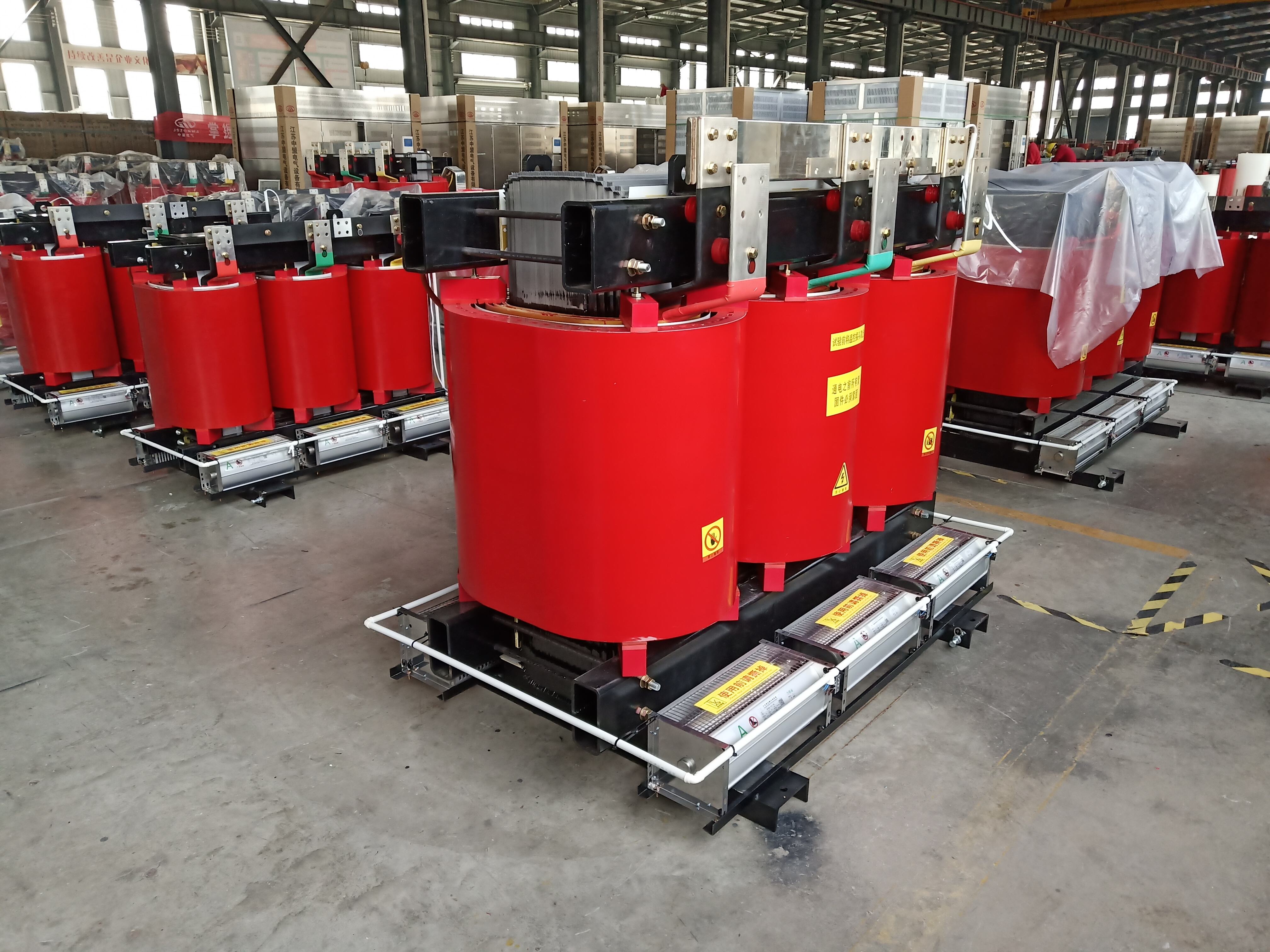
In today's rapidly evolving electrical infrastructure landscape, building owners and facility managers face critical decisions when selecting power distribution equipment. While traditional oil transformer systems have served industrial applications for decades, modern commercial buildings and data centers increasingly demand safer, more efficient alternatives. The shift toward dry type transformers represents a fundamental change in how we approach electrical safety, environmental responsibility, and operational efficiency in high-density commercial environments.
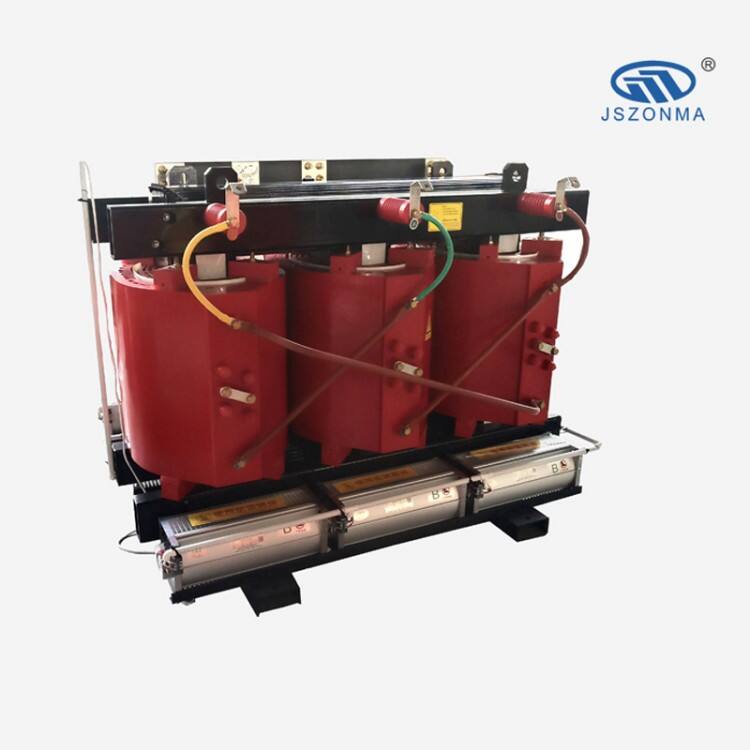
The electrical power industry continues to witness a significant transformation as facility managers prioritize safety protocols and environmental compliance over traditional cost considerations. This evolution stems from increasing awareness of fire hazards, environmental regulations, and insurance requirements that have made conventional liquid-filled transformers less attractive for indoor installations. Modern commercial facilities require electrical solutions that can operate safely in confined spaces while maintaining optimal performance under varying load conditions.
Data centers, in particular, have emerged as primary drivers of this technological shift due to their unique operational requirements and stringent safety standards. These facilities demand uninterrupted power delivery, minimal maintenance downtime, and absolute fire safety assurance. The choice between dry type and liquid-filled transformer technologies has become increasingly clear as facility operators evaluate long-term operational costs, safety implications, and regulatory compliance requirements.
Safety Advantages in Commercial Environments
Fire Prevention and Risk Mitigation
Commercial buildings and data centers prioritize fire safety above all other considerations when selecting electrical equipment. Dry type transformers eliminate the fire risks associated with combustible dielectric fluids found in traditional oil transformer systems. These units use solid insulation materials such as epoxy resin or cast coil designs that cannot ignite or contribute to fire spread, making them ideal for indoor installations where fire suppression systems may be limited or where evacuation procedures are complex.
The absence of flammable liquids in dry type units means that even in the event of electrical failure or overload, the risk of explosion or sustained combustion remains minimal. This characteristic proves particularly valuable in high-rise commercial buildings where fire department access may be challenging and where building evacuation requires significant time. Insurance companies increasingly recognize these safety benefits, often providing reduced premiums for facilities that utilize dry type transformer technology.
Indoor Installation Flexibility
Unlike conventional oil transformer installations that require specialized containment systems, dry type units can be installed directly within building mechanical rooms, electrical closets, or even occupied spaces. This flexibility eliminates the need for expensive secondary containment structures, oil collection systems, and specialized ventilation requirements that add complexity and cost to commercial projects.
The compact design of modern dry type transformers allows for installation in space-constrained environments typical of urban commercial buildings. Facility managers can position these units closer to electrical loads, reducing voltage drop and improving overall system efficiency. This proximity also simplifies maintenance access and reduces the complexity of electrical distribution systems throughout the building.
Environmental Compliance and Sustainability
Elimination of Hazardous Materials
Environmental regulations governing commercial facilities have become increasingly stringent regarding the use and disposal of dielectric fluids. Dry type transformers completely eliminate concerns about soil contamination, groundwater protection, and hazardous waste disposal that accompany oil-filled equipment. This advantage proves particularly significant for facilities seeking LEED certification or other green building standards where environmental impact reduction remains a primary objective.
The absence of liquid dielectrics also eliminates ongoing environmental monitoring requirements, periodic fluid testing, and specialized disposal procedures that add operational complexity to facility management. Building owners can avoid the long-term liability associated with potential environmental contamination while simplifying their regulatory compliance obligations.
Energy Efficiency and Carbon Footprint
Modern dry type transformer designs incorporate advanced magnetic materials and optimized core geometries that deliver superior energy efficiency compared to older oil transformer technologies. Lower no-load losses and reduced operating temperatures contribute to decreased energy consumption throughout the equipment lifecycle, supporting corporate sustainability initiatives and reducing operational costs.
The improved efficiency characteristics of dry type units align with increasingly stringent energy codes and utility demand response programs. Facilities can achieve better power factor performance and reduced harmonic distortion, contributing to overall electrical system efficiency and supporting grid stability initiatives.
Operational Benefits for Data Centers
Maintenance Requirements and Downtime Reduction
Data center operations demand maximum uptime and minimal maintenance interventions. Dry type transformers require significantly less routine maintenance compared to oil-filled alternatives, eliminating the need for periodic fluid analysis, gasket replacement, and leak monitoring that can interrupt critical operations. The solid insulation systems used in dry type designs provide stable performance characteristics over extended periods without degradation.
Maintenance activities for dry type units typically involve visual inspections, connection tightening, and cleaning procedures that can be performed during scheduled maintenance windows without extensive system shutdowns. This predictable maintenance schedule allows data center operators to plan maintenance activities around critical business operations while maintaining high availability standards.
Thermal Management and Cooling Integration
Data centers require precise thermal management to maintain optimal operating conditions for sensitive electronic equipment. Dry type transformers generate predictable heat loads that can be effectively integrated into facility cooling systems without the complications of managing oil temperatures or thermal expansion in liquid-filled systems. The ability to use forced air cooling allows for better integration with existing HVAC infrastructure.
Advanced dry type designs incorporate temperature monitoring systems and fan cooling options that provide real-time thermal management data. This integration supports building automation systems and allows facility operators to optimize cooling strategies based on actual transformer loading and ambient conditions.
Cost Analysis and Return on Investment
Initial Investment Considerations
While dry type transformers may require higher initial capital investment compared to conventional oil transformer alternatives, the total cost of ownership analysis consistently favors dry type technology for commercial applications. The elimination of secondary containment requirements, specialized installation procedures, and environmental compliance infrastructure results in significant project cost reductions during construction phases.
Installation cost savings extend beyond equipment procurement to include reduced foundation requirements, simplified electrical connections, and elimination of specialized fire suppression systems. These factors combine to offset the higher equipment costs while providing superior long-term value through reduced operational expenses and maintenance requirements.
Long-term Operational Savings
The operational cost advantages of dry type transformers compound over the equipment lifecycle through reduced maintenance expenses, lower insurance premiums, and improved energy efficiency. Facility operators avoid ongoing costs associated with oil sampling, environmental monitoring, and specialized maintenance personnel required for liquid-filled systems.
Energy efficiency improvements in modern dry type designs contribute to ongoing operational savings through reduced utility costs and improved power factor performance. These benefits become increasingly significant as energy costs rise and utility rate structures evolve to penalize inefficient electrical systems.
Technology Advances and Future Considerations
Material Science Innovations
Recent advances in insulation materials and core steel technologies have significantly improved the performance characteristics of dry type transformers. New epoxy resin formulations provide enhanced thermal conductivity and mechanical strength while maintaining excellent dielectric properties. These improvements allow for more compact designs with higher power densities suitable for space-constrained commercial applications.
Amorphous core materials and advanced silicon steel grades reduce no-load losses and improve overall efficiency performance. These technological improvements continue to narrow any performance gaps between dry type and oil transformer technologies while maintaining the inherent safety and environmental advantages of solid insulation systems.
Smart Grid Integration and Monitoring
Modern dry type transformers incorporate advanced monitoring and communication capabilities that support smart grid initiatives and building automation systems. Integrated sensors provide real-time data on loading, temperature, and performance parameters that enable predictive maintenance strategies and optimized system operation.
Digital monitoring systems allow facility managers to track performance trends, optimize loading schedules, and identify potential issues before they impact operations. This capability proves particularly valuable in data center environments where system reliability directly impacts business operations and customer service levels.
FAQ
What are the main safety differences between dry type and oil transformers in commercial buildings
Dry type transformers eliminate fire and explosion risks by using solid insulation instead of combustible oil. They can be safely installed indoors without special containment systems, reducing insurance costs and simplifying building code compliance. Oil transformers require secondary containment, fire suppression systems, and specialized ventilation due to their flammable dielectric fluid.
How do maintenance requirements compare between dry type and oil transformer systems
Dry type transformers require minimal maintenance consisting mainly of visual inspections, connection checks, and periodic cleaning. Oil transformers need regular fluid analysis, leak monitoring, gasket replacement, and specialized disposal procedures. This translates to lower ongoing maintenance costs and reduced system downtime for dry type installations.
Are dry type transformers suitable for all commercial building applications
Dry type transformers work well for most commercial applications, particularly indoor installations where safety is paramount. They excel in data centers, office buildings, hospitals, and educational facilities. However, for very large outdoor installations or extreme environmental conditions, oil transformers might still be preferred due to their superior heat dissipation capabilities.
What environmental benefits do dry type transformers provide over oil alternatives
Dry type transformers eliminate environmental contamination risks, reduce hazardous waste generation, and simplify regulatory compliance. They support green building certifications by avoiding soil and groundwater protection concerns associated with oil systems. Additionally, their improved energy efficiency contributes to reduced carbon footprint and supports sustainability initiatives.
Table of Contents
- Safety Advantages in Commercial Environments
- Environmental Compliance and Sustainability
- Operational Benefits for Data Centers
- Cost Analysis and Return on Investment
- Technology Advances and Future Considerations
-
FAQ
- What are the main safety differences between dry type and oil transformers in commercial buildings
- How do maintenance requirements compare between dry type and oil transformer systems
- Are dry type transformers suitable for all commercial building applications
- What environmental benefits do dry type transformers provide over oil alternatives