 EN
EN

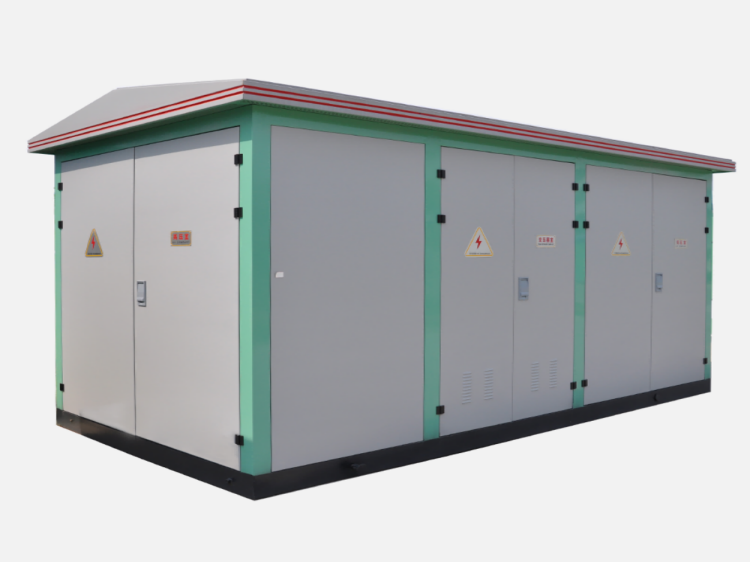
Electrical substations serve as critical nodes in power distribution networks, converting voltage levels to ensure safe and efficient electricity transmission. At the core of these installations lies the transformer, a device that steps voltage up or down according to system requirements. Among the various transformer technologies available, the dry transformer has emerged as a preferred solution for many applications due to its enhanced safety features and environmental benefits. These units operate without oil-based cooling systems, utilizing air circulation and solid insulation materials to manage heat dissipation and electrical isolation.
Modern power infrastructure demands reliable and safe transformer solutions that can operate in diverse environments while maintaining optimal performance. Traditional oil-filled transformers, while effective, present certain environmental and safety challenges that have prompted engineers to develop alternative technologies. The evolution of transformer design has led to significant improvements in materials, cooling methods, and overall system reliability. Understanding the fundamental principles behind transformer operation and the specific advantages of different types enables power system designers to make informed decisions for their projects.
The selection of appropriate transformer technology depends on multiple factors including installation location, environmental conditions, maintenance requirements, and safety considerations. Each type of transformer offers distinct advantages and limitations that must be carefully evaluated against project specifications. As electrical systems become increasingly sophisticated and safety standards continue to evolve, the importance of selecting the right transformer technology cannot be overstated.
Fundamental Principles of Transformer Operation
Electromagnetic Induction and Energy Transfer
Transformers operate on the principle of electromagnetic induction, discovered by Michael Faraday in the early 19th century. When alternating current flows through the primary winding, it creates a changing magnetic field in the transformer core. This magnetic flux links with the secondary winding, inducing a voltage according to the turns ratio between primary and secondary coils. The relationship between input and output voltage is directly proportional to the ratio of turns in each winding, allowing precise voltage transformation.
The core material plays a crucial role in transformer efficiency, typically constructed from laminated silicon steel to minimize eddy current losses. High-quality core materials ensure maximum magnetic flux coupling between windings while reducing energy losses through hysteresis and eddy currents. Modern transformer cores utilize advanced steel alloys with specific magnetic properties that enhance performance across various operating conditions.
Energy transfer efficiency in transformers exceeds 95% in most applications, making them among the most efficient electrical devices. The small losses that do occur manifest as heat, which must be managed through appropriate cooling systems. Understanding these loss mechanisms helps engineers optimize transformer design for specific applications and operating environments.
Voltage Regulation and Load Management
Voltage regulation in transformers refers to the ability to maintain consistent output voltage despite variations in load current. This characteristic is particularly important in distribution systems where load conditions fluctuate throughout the day. The voltage regulation percentage indicates how much the secondary voltage changes from no-load to full-load conditions, with lower percentages indicating better regulation.
Load management capabilities depend on transformer design parameters including winding configuration, core size, and cooling system capacity. Properly sized transformers can handle normal load variations while maintaining voltage stability within acceptable limits. Overloading conditions require careful monitoring to prevent damage to insulation systems and ensure long-term reliability.
Modern transformers incorporate various features to enhance load management, including tap changers for voltage adjustment and protection systems for fault detection. These features enable transformers to adapt to changing system conditions while maintaining optimal performance and protecting connected equipment from voltage disturbances.
Types and Classifications of Substation Transformers
Oil-Immersed Transformer Technology
Oil-immersed transformers have been the traditional choice for high-power applications due to their excellent cooling and insulation properties. The transformer oil serves multiple functions including heat dissipation, electrical insulation, and arc suppression. These units typically offer higher power density compared to air-cooled alternatives, making them suitable for applications where space constraints are critical.
The oil cooling system in these transformers utilizes natural convection or forced circulation to remove heat generated during operation. Radiators or cooling fans may be employed to enhance heat transfer, depending on the transformer rating and ambient conditions. Regular oil testing and maintenance are essential to ensure continued performance and detect potential problems before they lead to failures.
Environmental considerations have become increasingly important in oil-filled transformer applications. Containment systems prevent oil leaks from contaminating soil and groundwater, while fire suppression systems address safety concerns. Despite these challenges, oil-immersed transformers remain popular for many utility applications due to their proven reliability and cost-effectiveness.
Air-Cooled and Solid Insulation Systems
Air-cooled transformers represent a significant advancement in transformer technology, eliminating the need for liquid coolants while maintaining reliable operation. These units rely on natural or forced air circulation to remove heat, combined with solid insulation materials that provide excellent electrical isolation. The absence of oil eliminates environmental concerns associated with potential leaks and reduces fire risk significantly.
Solid insulation systems in dry transformer technology utilize advanced materials including epoxy resins, polyester compounds, and specialized films that provide superior electrical and thermal properties. These materials maintain their insulating properties across wide temperature ranges while resisting moisture absorption and chemical degradation. The manufacturing process involves vacuum impregnation or casting techniques that ensure complete insulation coverage.
Temperature monitoring systems in air-cooled transformers provide real-time data on operating conditions, enabling proactive maintenance and preventing overheating. Advanced designs incorporate multiple temperature sensors and automatic fan control systems that optimize cooling performance while minimizing energy consumption. These features contribute to extended service life and improved reliability compared to traditional designs.
Advantages of Modern Dry Transformer Technology
Environmental Benefits and Safety Features
Environmental sustainability has become a primary consideration in modern power system design, making dry transformer technology increasingly attractive. These units eliminate the risk of oil contamination, reducing environmental liability and simplifying installation requirements. The absence of flammable liquids significantly reduces fire risk, making them suitable for indoor installations and sensitive environments such as hospitals, schools, and commercial buildings.
Safety features inherent in dry transformer design include self-extinguishing properties and reduced toxic gas emissions during fault conditions. Unlike oil-filled units that may produce harmful gases when overheated, air-cooled transformers generate minimal emissions and do not require special ventilation systems. This characteristic makes them particularly valuable in enclosed spaces where air quality is critical.
Maintenance requirements for dry transformers are generally lower than oil-filled alternatives, as they do not require oil testing, filtration, or replacement. Visual inspections and electrical testing provide sufficient monitoring for most applications, reducing operational costs and downtime. The simplified maintenance schedule makes these units attractive for facilities with limited technical staff or remote locations where service access is challenging.
Installation Flexibility and Space Optimization
Installation flexibility represents a significant advantage of dry transformer technology, enabling placement in locations where oil-filled units would be impractical or prohibited. Building codes often restrict oil-filled transformers in certain areas due to fire safety concerns, while dry transformers face fewer restrictions and may be installed closer to loads. This flexibility reduces cable runs and associated losses while improving overall system efficiency.
Space optimization benefits include compact designs that maximize power density while minimizing footprint requirements. Modern dry transformer manufacturing techniques enable smaller overall dimensions compared to equivalent oil-filled units, particularly important in urban environments where real estate costs are high. Modular designs allow for factory testing and transportation as complete units, reducing installation time and costs.
Ventilation requirements for dry transformers are less stringent than oil-filled alternatives, as they do not generate flammable vapors or require explosion-proof enclosures. Natural ventilation is often sufficient for smaller units, while larger transformers may require forced air circulation. The simplified ventilation requirements reduce building costs and provide greater flexibility in facility design.
Applications and Industry Use Cases
Commercial and Industrial Installations
Commercial buildings increasingly rely on dry transformer technology for their electrical distribution needs due to safety requirements and space constraints. Office complexes, shopping centers, and high-rise buildings benefit from the reduced fire risk and environmental safety of air-cooled transformers. These installations often require transformers to be located within the building structure, making the safety advantages of dry transformer technology particularly valuable.
Industrial facilities with sensitive processes or hazardous materials often specify dry transformers to minimize additional safety risks. Chemical plants, pharmaceutical facilities, and food processing operations require electrical systems that do not introduce fire or contamination hazards. The clean operation and safety features of dry transformers make them ideal for these demanding applications where reliability and safety are paramount.
Data centers and telecommunications facilities represent growing markets for dry transformer technology due to their high reliability requirements and strict environmental controls. These facilities require uninterrupted power supply with minimal fire risk, making air-cooled transformers the preferred choice. The ability to install transformers in close proximity to loads reduces cable losses and improves overall system efficiency in these energy-intensive applications.
Utility and Distribution Networks
Electric utilities are increasingly adopting dry transformer technology for distribution substations, particularly in urban areas where environmental concerns are critical. These installations must comply with strict environmental regulations while providing reliable service to customers. The elimination of oil-related environmental risks makes dry transformers attractive for utility applications where public safety and environmental protection are priorities.
Distribution networks benefit from the reduced maintenance requirements of dry transformers, particularly in remote or difficult-to-access locations. Rural installations and underground networks present unique challenges where simplified maintenance procedures provide significant operational advantages. The reliability and longevity of modern dry transformer designs make them cost-effective solutions for these challenging applications.
Smart grid initiatives are driving adoption of advanced transformer technologies that provide enhanced monitoring and control capabilities. Dry transformers can be equipped with sophisticated monitoring systems that provide real-time data on operating conditions, load patterns, and performance metrics. This information enables utilities to optimize system operation and implement predictive maintenance strategies that improve reliability and reduce costs.
Selection Criteria and Design Considerations
Load Analysis and Sizing Requirements
Proper transformer sizing requires comprehensive analysis of load characteristics including magnitude, power factor, and harmonic content. Modern electrical loads often exhibit non-linear characteristics that affect transformer loading and heating patterns. Harmonic currents from electronic devices can cause additional heating in transformer windings and cores, requiring derating or special design considerations in dry transformer applications.
Load growth projections must be considered during the design phase to ensure adequate capacity for future expansion. Oversizing transformers provides reserve capacity but increases initial costs and reduces efficiency at light loads. Conversely, undersized transformers may experience premature failure due to overloading conditions. Careful load analysis helps optimize transformer sizing for both current needs and future requirements.
Duty cycle considerations affect transformer thermal design, particularly for applications with varying load patterns. Intermittent loads may allow smaller transformer ratings compared to continuous duty applications, provided adequate cooling time is available between load cycles. Understanding load patterns enables engineers to optimize transformer specifications while maintaining reliable operation throughout the expected service life.
Environmental Conditions and Installation Requirements
Environmental conditions significantly impact transformer design and performance, requiring careful consideration during the selection process. Ambient temperature variations affect cooling system requirements and insulation life, while altitude impacts dielectric strength and cooling effectiveness. Humidity levels influence insulation degradation rates and may require special protection measures in dry transformer installations.
Seismic considerations are increasingly important in transformer design, particularly in earthquake-prone regions. Dry transformers must be designed to withstand seismic forces without damage to windings, connections, or support structures. Proper anchoring and flexible connections help ensure continued operation following seismic events while preventing secondary damage to connected equipment.
Indoor installation requirements include ventilation design, clearance specifications, and fire protection systems. Adequate air circulation is essential for proper cooling in dry transformer installations, requiring careful consideration of inlet and outlet arrangements. Fire protection systems may include detection, suppression, and containment measures appropriate for the specific installation environment and local building codes.
Maintenance and Operational Best Practices
Inspection Procedures and Monitoring Systems
Regular inspection procedures for dry transformers focus on visual examination, thermal monitoring, and electrical testing to ensure continued reliable operation. Visual inspections should identify signs of overheating, insulation damage, or mechanical problems that could affect performance. Thermal imaging surveys can detect hot spots that indicate developing problems before they cause failures, enabling proactive maintenance interventions.
Electrical testing includes insulation resistance measurements, turns ratio verification, and impedance testing to assess transformer condition. These tests provide quantitative data on transformer performance and help establish trending information for predictive maintenance programs. Regular testing intervals should be established based on operating conditions, load patterns, and manufacturer recommendations to optimize maintenance effectiveness.
Advanced monitoring systems provide continuous surveillance of transformer operating parameters including temperature, load current, and environmental conditions. Digital monitoring systems can detect abnormal conditions and provide early warning of potential problems, enabling operators to take corrective action before failures occur. Integration with facility management systems provides centralized monitoring and control capabilities that improve operational efficiency.
Troubleshooting and Performance Optimization
Troubleshooting procedures for dry transformers involve systematic analysis of symptoms, operating conditions, and test results to identify root causes of problems. Common issues include overheating due to inadequate ventilation, voltage regulation problems caused by tap setting errors, and insulation degradation from environmental exposure. Understanding failure modes and their causes enables effective troubleshooting and prevents recurring problems.
Performance optimization strategies include load balancing, cooling system maintenance, and connection integrity verification. Proper load distribution among phases reduces heating and improves transformer life, while clean cooling surfaces ensure effective heat transfer. Tight connections prevent resistance heating that can damage insulation and reduce efficiency, requiring periodic inspection and maintenance.
Energy efficiency improvements can be achieved through proper loading practices, power factor correction, and harmonic mitigation measures. Operating transformers near their optimal load point maximizes efficiency while avoiding overloading conditions. Power factor correction reduces reactive current flow, decreasing losses and improving system capacity. Harmonic filters can reduce distortion levels that cause additional heating in dry transformer installations.
Future Trends and Technology Development
Advanced Materials and Manufacturing Techniques
Advanced insulation materials continue to evolve, offering improved thermal and electrical properties for dry transformer applications. Nanotechnology applications include enhanced dielectric materials with superior breakdown strength and thermal conductivity. These materials enable higher power densities while maintaining reliability, allowing more compact transformer designs that reduce installation footprints and costs.
Manufacturing techniques are incorporating automated processes and quality control systems that improve consistency and reduce production costs. Computer-controlled winding machines ensure precise coil geometry and optimal material utilization, while automated testing systems verify performance parameters throughout the manufacturing process. These improvements result in higher quality products with better performance predictability and reduced manufacturing variability.
Additive manufacturing technologies may enable custom transformer components with optimized geometries for specific applications. Three-dimensional printing of insulation components and cooling structures could provide design flexibility not possible with traditional manufacturing methods. These technologies may enable rapid prototyping and customization that reduce development time and improve product performance.
Smart Grid Integration and Digital Technologies
Smart grid integration requires transformers with enhanced communication and monitoring capabilities that support advanced grid management systems. Digital transformer technologies incorporate sensors, communication interfaces, and processing capabilities that enable real-time performance monitoring and control. These features support grid optimization strategies including demand response, load management, and predictive maintenance programs.
Internet of Things connectivity enables remote monitoring and control capabilities that improve operational efficiency and reduce maintenance costs. Wireless communication systems provide data transmission from transformer monitoring systems to central control facilities, enabling automated analysis and response to changing conditions. Cloud-based analytics platforms can process large amounts of data to identify patterns and optimize transformer performance across multiple installations.
Artificial intelligence applications include predictive analytics, fault detection, and optimization algorithms that enhance transformer operation and maintenance. Machine learning systems can analyze historical data to predict failure modes and optimize maintenance schedules, reducing costs and improving reliability. These technologies represent the future of transformer monitoring and control, enabling more efficient and reliable power systems.
FAQ
What are the main differences between dry transformers and oil-filled transformers
The primary differences lie in cooling and insulation methods, with dry transformers using air cooling and solid insulation materials while oil-filled units rely on liquid coolants. Dry transformers offer enhanced safety features including reduced fire risk and elimination of environmental contamination concerns. They require less maintenance and can be installed in locations where oil-filled transformers are restricted by safety codes. However, oil-filled transformers typically offer higher power density and may be more cost-effective for very large installations.
How do environmental conditions affect dry transformer performance
Environmental factors significantly impact dry transformer operation, with ambient temperature being the most critical parameter affecting cooling capacity and insulation life. High altitude reduces air density and cooling effectiveness, requiring derating or enhanced cooling systems. Humidity can cause insulation degradation over time, while dust and contaminants can obstruct cooling passages and reduce heat transfer efficiency. Proper enclosure design and environmental protection measures help mitigate these effects and ensure reliable operation in challenging conditions.
What maintenance procedures are recommended for dry transformers
Maintenance procedures for dry transformers include regular visual inspections to identify overheating signs or insulation damage, periodic electrical testing to assess insulation condition and verify performance parameters, and cleaning of cooling surfaces to maintain heat transfer efficiency. Temperature monitoring helps detect developing problems before they cause failures, while connection inspection prevents resistance heating issues. Unlike oil-filled transformers, dry units do not require oil testing or filtration, significantly reducing maintenance requirements and costs.
How should dry transformers be sized for specific applications
Proper sizing requires analysis of load characteristics including peak demand, power factor, and harmonic content, as non-linear loads may require derating due to additional heating effects. Future load growth should be considered to ensure adequate capacity for expansion, while duty cycle patterns affect thermal design requirements. Environmental conditions including ambient temperature and altitude influence cooling capacity and may require sizing adjustments. Professional engineering analysis helps optimize transformer selection for specific applications while ensuring reliable operation throughout the expected service life.
Table of Contents
- Fundamental Principles of Transformer Operation
- Types and Classifications of Substation Transformers
- Advantages of Modern Dry Transformer Technology
- Applications and Industry Use Cases
- Selection Criteria and Design Considerations
- Maintenance and Operational Best Practices
- Future Trends and Technology Development
- FAQ