 EN
EN

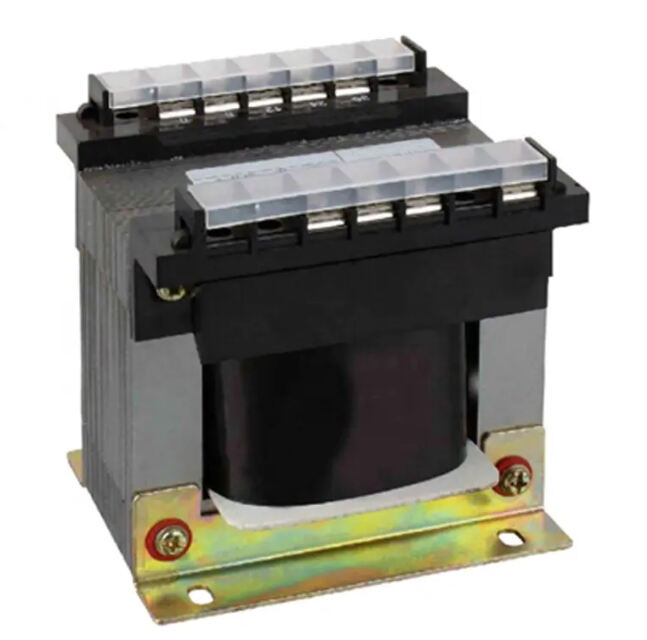
Modern electrical infrastructure relies heavily on efficient and safe power distribution systems, with dry type transformers serving as critical components in commercial and industrial facilities. Unlike oil-filled transformers, a dry transformer utilizes air or solid insulation materials instead of liquid cooling mediums, making them ideal for indoor installations where fire safety and environmental concerns are paramount. Understanding proper installation and ventilation requirements is essential for ensuring optimal performance, longevity, and compliance with electrical safety standards.
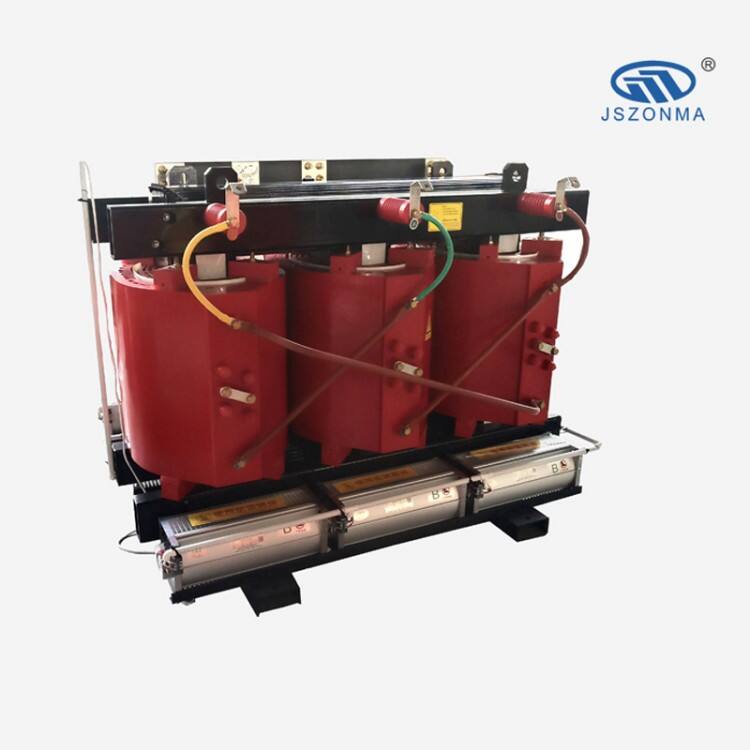
The importance of correct installation procedures cannot be overstated when dealing with electrical equipment of this magnitude. Dry transformers require specific environmental conditions and clearance requirements to operate efficiently while maintaining safety standards. Improper installation can lead to reduced efficiency, premature equipment failure, safety hazards, and costly downtime that affects entire facility operations.
Foundation and Structural Requirements
Concrete Pad Specifications
A properly constructed concrete foundation forms the backbone of any successful dry transformer installation. The concrete pad must extend at least six inches beyond the transformer footprint on all sides, providing adequate support and stability for the equipment's weight distribution. The thickness should be calculated based on the transformer's total weight, including accessories, with a minimum of eight inches for most standard installations.
The concrete mixture should meet minimum compressive strength requirements of 3,000 PSI after 28 days of curing. Reinforcement steel bars or mesh should be incorporated to prevent cracking under load and thermal expansion cycles. The surface must be level within one-quarter inch across the entire pad, ensuring proper equipment alignment and preventing mechanical stress on the transformer housing.
Seismic and Vibration Considerations
In regions prone to seismic activity, additional foundation reinforcement and anchoring systems become mandatory for dry transformer installations. The foundation design must comply with local building codes and seismic zone requirements, incorporating appropriate tie-down points and flexible connections that allow controlled movement during seismic events.
Vibration isolation may be necessary in sensitive environments or when the transformer operates in proximity to precision equipment. Specialized vibration dampening pads or spring-loaded mounting systems can significantly reduce operational noise and vibration transmission to surrounding structures, improving overall facility comfort and equipment longevity.
Clearance and Spacing Requirements
Minimum Safety Clearances
National Electrical Code and manufacturer specifications establish minimum clearance requirements around dry transformers to ensure safe operation and maintenance access. Front access clearances typically require 36 to 48 inches of unobstructed space, allowing technicians to safely perform routine inspections, testing, and maintenance procedures without compromise.
Side and rear clearances must accommodate heat dissipation requirements while providing emergency egress routes. Most installations require minimum side clearances of 12 to 24 inches, depending on the transformer's kVA rating and heat generation characteristics. These clearances also facilitate proper airflow patterns essential for cooling system effectiveness.
Multi-Unit Installation Spacing
When installing multiple dry transformers in the same facility or electrical room, additional spacing considerations become critical for both safety and performance. Adjacent units should maintain minimum separation distances that prevent heat buildup and allow independent maintenance without affecting neighboring equipment operation.
The cumulative heat generation from multiple units requires careful analysis of room ventilation capacity and airflow patterns. Strategic positioning of transformers can optimize natural convection currents while preventing hot air recirculation that could lead to premature aging of electrical components and insulation materials.
Ventilation System Design
Natural Ventilation Principles
Effective ventilation design begins with understanding the thermal characteristics of dry transformer operation and heat dissipation requirements. Natural ventilation relies on convection currents created by temperature differentials, with heated air rising and creating airflow patterns that remove excess heat from the installation area.
Inlet and outlet vents must be properly sized and positioned to create optimal airflow paths through the transformer installation space. The total effective area of ventilation openings should be calculated based on transformer losses, ambient temperature conditions, and desired temperature rise limitations to ensure adequate cooling performance.
Forced Air Ventilation Systems
In situations where natural ventilation proves insufficient or environmental constraints limit airflow, mechanical ventilation systems become necessary for maintaining safe operating temperatures. Fan-assisted ventilation can provide precise control over airflow rates and direction, ensuring consistent cooling performance regardless of external weather conditions or seasonal variations.
The design of forced ventilation systems must consider air filtration requirements, noise limitations, and energy efficiency factors. Properly selected fans and ductwork systems can significantly extend dry transformer service life while maintaining optimal operating conditions throughout varying load cycles and ambient temperature fluctuations.
Environmental Control and Monitoring
Temperature Management Systems
Advanced temperature monitoring and control systems provide real-time oversight of dry transformer operating conditions, enabling proactive maintenance and preventing costly equipment failures. Digital temperature sensors and monitoring devices can track winding temperatures, ambient conditions, and cooling system performance with high accuracy and reliability.
Automated temperature control systems can activate supplemental cooling equipment when predetermined temperature thresholds are exceeded, maintaining optimal operating conditions while minimizing energy consumption. These systems integrate seamlessly with facility management systems, providing centralized monitoring and control capabilities for maintenance personnel.
Humidity and Contamination Control
Moisture control represents a critical factor in dry transformer longevity and performance reliability. Installation areas should maintain relative humidity levels below 95% to prevent condensation formation on electrical components and insulation surfaces. Dehumidification systems may be necessary in humid climates or underground installations where moisture infiltration poses ongoing concerns.
Air filtration systems help prevent dust, debris, and corrosive contaminants from accumulating on transformer surfaces and internal components. Regular filter maintenance and replacement schedules ensure continued protection against environmental contaminants that could compromise insulation integrity or create tracking paths for electrical faults.
Installation Safety Protocols
Pre-Installation Inspection Procedures
Comprehensive pre-installation inspections verify that dry transformer units have not sustained damage during transportation and storage phases. Visual inspection of bushings, housing integrity, and accessory components helps identify potential issues before energization, preventing costly installation delays and safety hazards.
Electrical testing procedures, including insulation resistance measurements and turns ratio tests, confirm that internal components meet manufacturer specifications and safety standards. These tests provide baseline performance data for future maintenance reference and ensure that the transformer is ready for safe energization and operation.
Rigging and Positioning Safety
Safe rigging procedures are essential when moving and positioning dry transformers during installation, given their substantial weight and dimensional characteristics. Certified lifting equipment, proper rigging hardware, and trained personnel ensure that installation proceeds safely without damage to equipment or injury to workers.
Positioning accuracy becomes critical for maintaining proper clearances and alignment with electrical connections. Survey-grade measurement tools and precision positioning techniques help ensure that final placement meets design specifications and facilitates proper cable routing and termination procedures.
Connection and Commissioning
Electrical Connection Standards
Proper electrical connections form the foundation of reliable dry transformer operation, requiring adherence to strict torque specifications and connection hardware standards. All termination points must be cleaned and prepared according to manufacturer guidelines, ensuring optimal electrical contact and minimizing resistance that could lead to heating and connection failure.
Cable routing and support systems must accommodate thermal expansion and contraction cycles while maintaining proper bend radii and clearances. Strain relief systems prevent mechanical stress on termination points, extending connection reliability and reducing maintenance requirements throughout the transformer's operational life.
Testing and Commissioning Procedures
Comprehensive commissioning testing verifies that all installation elements function correctly and meet design specifications before placing the dry transformer into service. This includes verification of protection system settings, cooling system operation, and monitoring equipment calibration to ensure safe and reliable operation.
Load testing procedures confirm that the transformer can handle rated capacity while maintaining acceptable temperature rises and performance parameters. Documentation of all test results provides valuable baseline data for future maintenance planning and troubleshooting reference.
FAQ
What are the minimum clearance requirements for dry transformer installation?
Minimum clearance requirements vary based on transformer size and voltage class, but typically require 36-48 inches of front access space, 12-24 inches on sides, and adequate rear clearance for heat dissipation. These clearances ensure safe maintenance access and proper cooling airflow while meeting National Electrical Code requirements.
How do I determine if natural ventilation is sufficient for my dry transformer installation?
Natural ventilation sufficiency depends on transformer losses, ambient temperature conditions, and available ventilation openings. Calculate the total effective area of inlet and outlet vents based on manufacturer specifications and compare against heat dissipation requirements. If natural airflow cannot maintain acceptable temperature rises, mechanical ventilation systems become necessary.
What foundation requirements are necessary for outdoor dry transformer installations?
Outdoor installations require reinforced concrete pads extending at least six inches beyond the transformer footprint with minimum eight-inch thickness and 3,000 PSI compressive strength. The foundation must include proper drainage, grounding provisions, and seismic anchoring where required by local codes, ensuring long-term stability and safety.
How often should ventilation systems be inspected and maintained?
Ventilation systems require regular inspection every three to six months, with more frequent checks in dusty or contaminated environments. Filter replacement schedules depend on local conditions but typically range from monthly to quarterly. Temperature monitoring systems should be calibrated annually, and fan motors require lubrication and electrical testing according to manufacturer recommendations.
Table of Contents
- Foundation and Structural Requirements
- Clearance and Spacing Requirements
- Ventilation System Design
- Environmental Control and Monitoring
- Installation Safety Protocols
- Connection and Commissioning
-
FAQ
- What are the minimum clearance requirements for dry transformer installation?
- How do I determine if natural ventilation is sufficient for my dry transformer installation?
- What foundation requirements are necessary for outdoor dry transformer installations?
- How often should ventilation systems be inspected and maintained?