 EN
EN
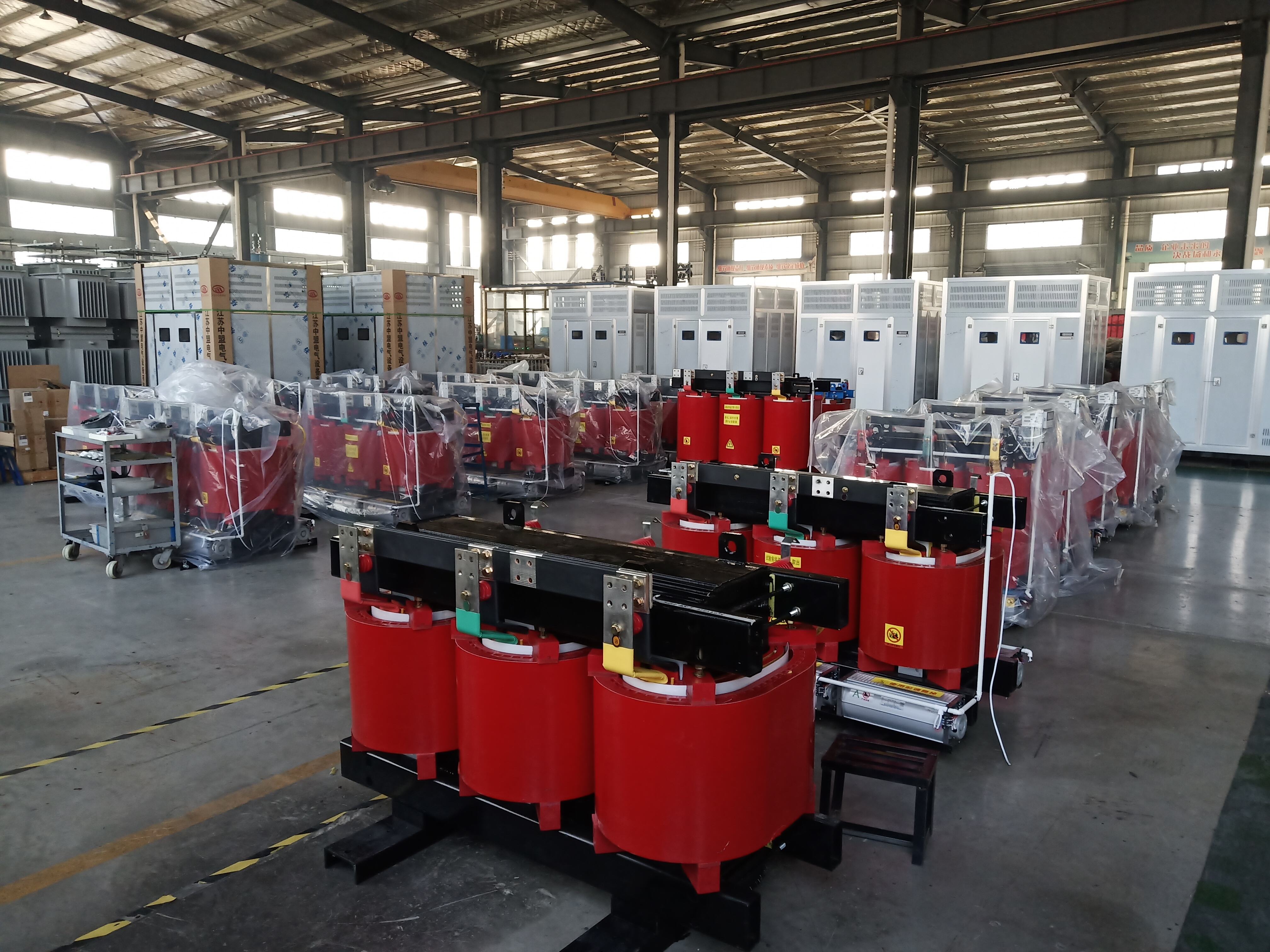
The modern electrical infrastructure is undergoing a revolutionary transformation as utilities worldwide embrace smart grid technologies to enhance efficiency, reliability, and sustainability. At the heart of this evolution lies advanced transformer technology, particularly dry transformers, which are becoming increasingly critical for successful smart grid integration. These innovative electrical devices provide superior performance characteristics that align perfectly with the demanding requirements of intelligent power distribution networks.
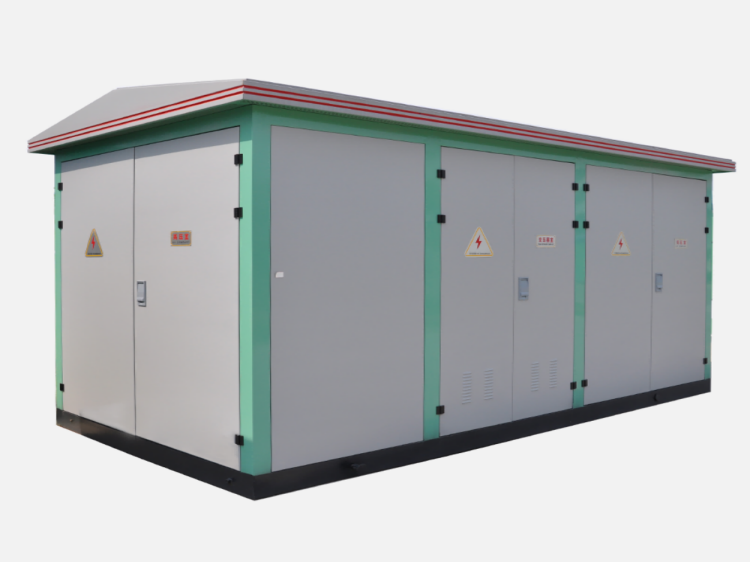
Smart grid systems require sophisticated electrical components that can seamlessly integrate with digital communication networks while maintaining exceptional operational reliability. Dry transformers offer distinct advantages over traditional oil-filled units, including enhanced safety profiles, reduced maintenance requirements, and superior environmental compatibility. These characteristics make them ideal candidates for deployment in urban substations and distributed energy resource integration points.
The integration of renewable energy sources, energy storage systems, and intelligent monitoring capabilities demands transformer designs that can adapt to rapidly changing electrical conditions. Modern substation transformers must accommodate bidirectional power flows, voltage fluctuations, and dynamic load variations that characterize contemporary smart grid operations. This technological evolution has driven significant innovations in transformer design, materials, and manufacturing processes.
Advanced Insulation Technologies for Smart Grid Applications
Epoxy Resin Insulation Systems
Contemporary dry transformer designs incorporate sophisticated epoxy resin insulation systems that provide exceptional dielectric strength and thermal stability. These advanced materials enable compact transformer designs while maintaining superior electrical performance characteristics. The epoxy resin casting process creates a homogeneous insulation structure that eliminates internal voids and air pockets, significantly enhancing the transformer's ability to withstand electrical stress and environmental conditions.
Modern epoxy formulations include specialized additives that improve thermal conductivity, UV resistance, and mechanical strength. These enhancements enable transformers to operate reliably in challenging outdoor environments while maintaining consistent performance over extended operational periods. The uniform insulation distribution achieved through vacuum casting processes ensures predictable electrical characteristics and enhanced operational safety.
Vacuum Pressure Impregnation Technologies
Vacuum pressure impregnation represents a significant advancement in dry transformer manufacturing, enabling superior insulation penetration and enhanced thermal performance. This process involves placing the wound transformer core and coils in a vacuum chamber, removing all air and moisture before introducing specialized insulating resins under controlled pressure conditions. The result is complete resin penetration throughout the winding structure, eliminating potential failure points.
The vacuum impregnation process creates transformers with exceptional moisture resistance and improved heat dissipation characteristics. These properties are particularly valuable in smart grid applications where transformers may experience frequent load cycling and varying environmental conditions. The enhanced thermal stability enables higher power density designs while maintaining conservative operating temperatures.
Smart Monitoring and Diagnostic Integration
Digital Sensor Integration
Modern substation transformers incorporate comprehensive digital monitoring systems that provide real-time operational data to smart grid control centers. These integrated sensor packages monitor critical parameters including winding temperatures, core temperatures, ambient conditions, and electrical loading characteristics. Advanced temperature monitoring systems utilize fiber optic sensors embedded within the transformer windings to provide precise thermal mapping.
Digital monitoring capabilities enable predictive maintenance strategies that optimize transformer performance and extend operational lifespans. Real-time data analysis algorithms can identify developing issues before they impact system reliability, allowing for proactive maintenance scheduling. This capability is particularly valuable for dry transformer installations in critical smart grid applications where unplanned outages must be minimized.
Communication Protocol Integration
Smart grid integration requires transformers equipped with standardized communication interfaces that enable seamless data exchange with utility control systems. Modern designs incorporate multiple communication protocols including DNP3, IEC 61850, and Modbus to ensure compatibility with diverse smart grid architectures. These communication capabilities enable remote monitoring, control, and diagnostic functions that enhance overall system reliability.
Advanced communication systems provide utilities with comprehensive operational visibility, enabling optimized load management and enhanced grid stability. The integration of wireless communication capabilities reduces installation costs and improves system flexibility, particularly in retrofit applications where existing infrastructure modifications are challenging. These communication enhancements support advanced grid management strategies including demand response and distributed energy resource coordination.
Enhanced Cooling and Thermal Management
Natural Air Cooling Optimization
Dry transformer cooling systems have evolved significantly to accommodate the thermal management requirements of smart grid applications. Advanced natural air cooling designs incorporate optimized air duct configurations and enhanced surface area treatments that maximize heat dissipation efficiency. These improvements enable higher power ratings within compact enclosure designs while maintaining conservative operating temperatures.
Computational fluid dynamics modeling has enabled precise optimization of cooling air flow patterns, resulting in more uniform temperature distributions and improved thermal performance. Modern designs incorporate specialized surface treatments and fin configurations that enhance convective heat transfer while minimizing acoustic emissions. These thermal management improvements are particularly important for urban substation applications where space constraints and noise limitations are critical considerations.
Forced Air Cooling Systems
For higher capacity applications, modern dry transformers incorporate intelligent forced air cooling systems that automatically adjust fan operation based on real-time thermal conditions. These systems utilize variable speed drives and advanced control algorithms to optimize cooling efficiency while minimizing energy consumption. Smart cooling systems can extend transformer capacity during peak demand periods while maintaining safe operating temperatures.
Advanced cooling control systems integrate with smart grid management platforms to coordinate cooling operations with grid loading conditions. This integration enables dynamic capacity management that maximizes asset utilization while ensuring reliable operation. The ability to temporarily increase transformer capacity during peak demand periods provides valuable grid flexibility that supports renewable energy integration and load management strategies.
Environmental Compatibility and Sustainability
Eco-Friendly Material Selection
Contemporary dry transformer designs prioritize environmental sustainability through careful material selection and manufacturing process optimization. Advanced insulation materials are formulated to minimize environmental impact while maintaining superior electrical and thermal performance characteristics. These materials are designed for complete recyclability at end-of-life, supporting circular economy principles in electrical infrastructure development.
Sustainable manufacturing processes incorporate energy-efficient production methods and waste minimization strategies that reduce the environmental footprint of transformer manufacturing. Advanced material formulations eliminate hazardous substances while maintaining performance characteristics, ensuring compliance with environmental regulations and corporate sustainability objectives. These environmental considerations are increasingly important for utilities implementing comprehensive sustainability programs.
Reduced Maintenance Requirements
Dry transformer designs inherently require less maintenance compared to oil-filled alternatives, contributing to reduced operational environmental impact. The elimination of insulating oil removes the need for oil sampling, filtration, and eventual disposal, significantly reducing maintenance-related environmental concerns. Advanced insulation systems maintain their properties over extended periods without requiring chemical treatments or replacement.
The reduced maintenance requirements of modern dry transformers support utility sustainability objectives while lowering operational costs. Predictive maintenance capabilities enabled by integrated monitoring systems further optimize maintenance scheduling, minimizing unnecessary service activities. These characteristics make dry transformers particularly attractive for environmentally sensitive installations and remote locations where maintenance access is challenging.
Smart Grid Integration Capabilities
Bidirectional Power Flow Management
Smart grid applications frequently involve bidirectional power flows as distributed energy resources inject power into the distribution network. Modern transformer designs accommodate these challenging operating conditions through enhanced thermal management and optimized magnetic circuit designs. Advanced core materials and winding configurations enable efficient operation under varying load directions and magnitudes.
Bidirectional capability requires sophisticated voltage regulation and load tap changing mechanisms that respond rapidly to changing grid conditions. Modern designs incorporate electronic tap changers and advanced voltage regulation systems that maintain power quality under dynamic loading conditions. These capabilities are essential for successful integration of renewable energy sources and energy storage systems.
Harmonics and Power Quality Management
Smart grid systems often contain significant harmonic content due to power electronic devices and non-linear loads. Advanced dry transformer designs incorporate specialized core materials and winding configurations that minimize harmonic losses and maintain power quality. K-factor rated transformers are specifically designed to handle harmonic currents without excessive heating or performance degradation.
Power quality enhancement features include integrated harmonic filtering capabilities and specialized grounding configurations that minimize system disturbances. These design enhancements ensure reliable operation in smart grid environments where power electronic devices create challenging harmonic conditions. Advanced monitoring systems continuously track power quality parameters and provide real-time feedback to grid management systems.
Future Developments and Emerging Technologies
Artificial Intelligence Integration
Emerging transformer technologies incorporate artificial intelligence algorithms that enable autonomous optimization and predictive maintenance capabilities. Machine learning systems analyze operational data patterns to identify optimal operating parameters and predict maintenance requirements. These intelligent systems continuously adapt to changing grid conditions and load patterns to optimize transformer performance.
AI-powered diagnostic systems can identify subtle changes in transformer behavior that indicate developing issues, enabling proactive maintenance interventions. Advanced analytics platforms process vast amounts of operational data to identify optimization opportunities and improve overall system reliability. These capabilities represent the next evolution in smart grid transformer technology.
Advanced Materials and Nanotechnology
Research and development activities focus on incorporating advanced materials including nanocomposite insulators and high-temperature superconducting materials. These emerging technologies promise significant improvements in power density, efficiency, and operational capabilities. Nanotechnology applications in insulation materials offer enhanced thermal conductivity and improved dielectric properties.
Future transformer designs may incorporate self-healing insulation materials that can repair minor damage automatically, extending operational lifespans and improving reliability. Advanced magnetic materials promise reduced losses and improved efficiency, supporting grid sustainability objectives. These emerging technologies will enable transformer designs that exceed current performance capabilities while maintaining environmental compatibility.
FAQ
What are the primary advantages of dry transformers in smart grid applications?
Dry transformers offer several critical advantages for smart grid integration, including enhanced safety due to the absence of flammable insulating oil, reduced fire risk, and minimal environmental impact. They require less maintenance than oil-filled units, provide excellent overload capability, and can be installed in locations where oil-filled transformers are prohibited. Additionally, they integrate seamlessly with digital monitoring systems and communication networks essential for smart grid operations.
How do modern dry transformers accommodate renewable energy integration?
Contemporary dry transformer designs specifically address renewable energy integration challenges through enhanced bidirectional power flow capabilities, improved voltage regulation systems, and advanced harmonic management features. They can handle the variable power outputs and voltage fluctuations characteristic of solar and wind installations while maintaining power quality. Integrated monitoring systems provide real-time data to grid management systems, enabling optimized renewable energy integration and grid stability.
What role does digital monitoring play in smart grid transformer applications?
Digital monitoring systems provide comprehensive real-time operational data that enables predictive maintenance, optimized load management, and enhanced grid reliability. These systems monitor critical parameters including temperatures, loading conditions, and electrical characteristics, transmitting data to utility control centers through standardized communication protocols. This capability supports proactive maintenance strategies and enables dynamic capacity management that maximizes asset utilization while ensuring reliable operation.
How do environmental considerations influence modern transformer design?
Environmental sustainability drives significant innovations in transformer design, including the development of eco-friendly insulation materials, energy-efficient manufacturing processes, and recyclable component designs. Modern dry transformers eliminate environmental concerns associated with insulating oil while providing superior operational characteristics. Advanced materials and manufacturing processes minimize environmental impact throughout the product lifecycle, supporting utility sustainability objectives and regulatory compliance requirements.
Table of Contents
- Advanced Insulation Technologies for Smart Grid Applications
- Smart Monitoring and Diagnostic Integration
- Enhanced Cooling and Thermal Management
- Environmental Compatibility and Sustainability
- Smart Grid Integration Capabilities
- Future Developments and Emerging Technologies
-
FAQ
- What are the primary advantages of dry transformers in smart grid applications?
- How do modern dry transformers accommodate renewable energy integration?
- What role does digital monitoring play in smart grid transformer applications?
- How do environmental considerations influence modern transformer design?