 EN
EN

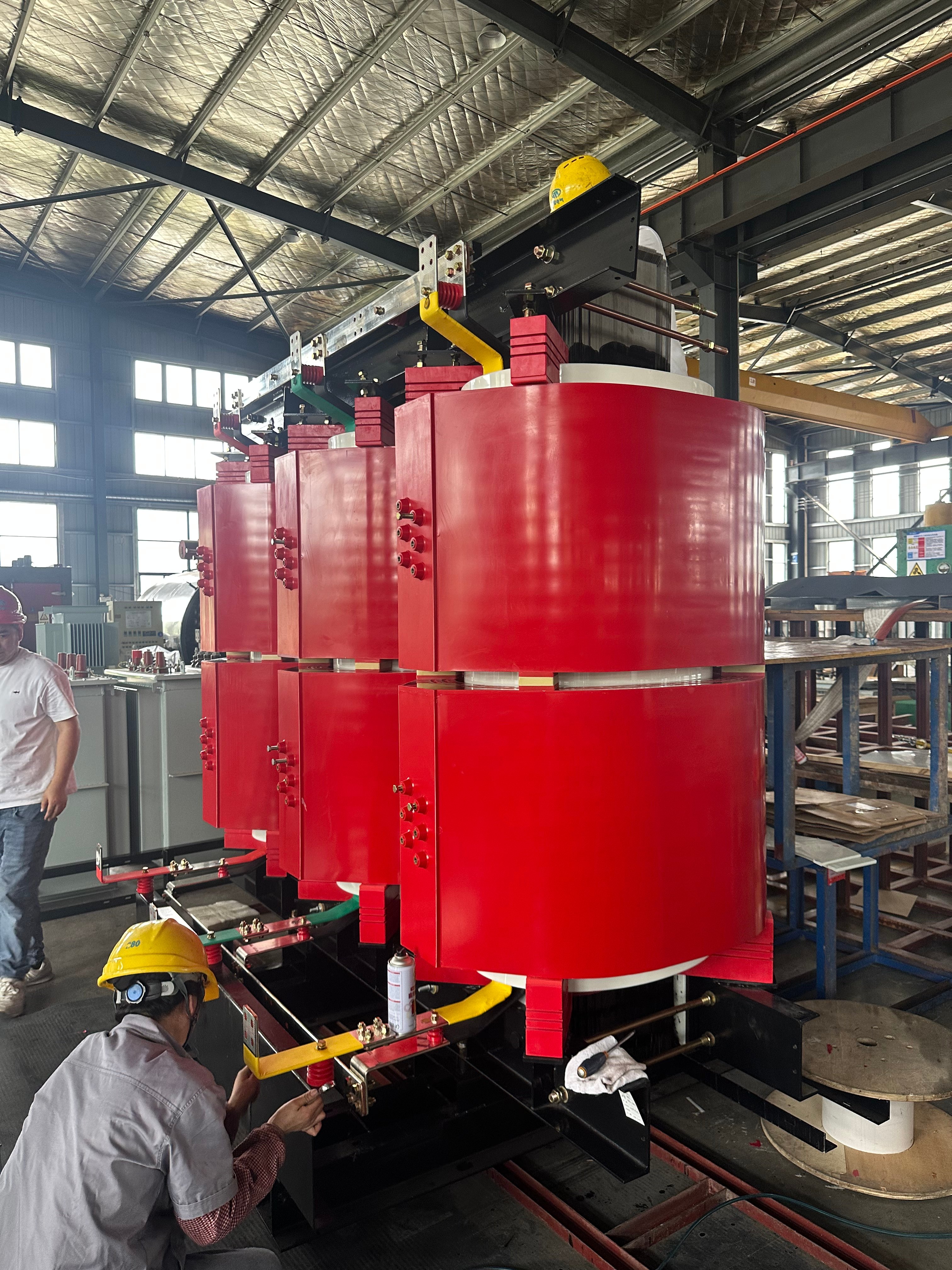
Understanding the difference between a power transformer and a distribution transformer is essential for anyone working in electrical systems. While both devices transfer electrical energy between circuits through electromagnetic induction, they serve very different roles in the power grid. This article explains the core differences between power transformers and distribution transformers — from voltage levels and efficiency design to real-world applications — helping you choose the right transformer for your project.
Overview: Two Transformers, Two Different Missions
To understand the difference between power transformer and distribution transformer, think of a highway compared to a city road. A power transformer works like a highway — it moves large amounts of electricity over long distances at very high voltages. A distribution transformer, on the other hand, works like local streets — it delivers electricity from the main grid directly to homes, offices, and factories at safe, usable voltage levels.
Both are essential, but they are designed for completely different working conditions. Choosing the wrong type can lead to higher energy losses, unnecessary costs, and even equipment failure.
What Is a power transformer
A power transformer is used in transmission networks to transfer electricity between different voltage levels — for example, from a power plant to a regional substation. Its main job is to step up voltage for long-distance transmission or step it down for further distribution.
Key characteristics of power transformers:
• Voltage rating: Typically 110 kV, 220 kV, 500 kV, or even higher (up to 1000 kV in ultra-high-voltage systems)
• Power rating: Usually above 10 MVA (megavolt-amperes); large units can exceed 200 MVA
• Location: Found in power plants, step-up substations, and large transmission substations
• Operation mode: Runs continuously at or near full load, 24 hours a day, 7 days a week
• Cooling method: Often uses oil-forced or water-forced cooling systems due to the massive heat generated
Because they operate under heavy and constant load, power transformers are built with robust insulation systems and complex cooling arrangements. They are also much larger in physical size compared to distribution units.
What Is a Distribution Transformer?
A distribution transformer is used at the final stage of the power grid. It takes medium-voltage electricity — typically 10 kV or 35 kV — and steps it down to the low voltages used by end consumers, such as 380 V for industrial equipment or 220 V for household appliances.
Key characteristics of distribution transformers:
• Voltage rating: Usually 35 kV or below on the primary side; secondary side is typically 380 V / 220 V
• Power rating: Generally 6300 kVA (6.3 MVA) or less — much smaller than power transformers
• Location: Installed near residential areas, commercial buildings, factories, or on utility poles in rural areas
• Common types: Oil-immersed (S9, S11, S13 series), dry-type, and amorphous alloy core transformers
• Operation mode: Load varies significantly throughout the day — high during morning and evening peaks, low at night
Distribution transformers are designed to handle frequent load fluctuations. They are also more exposed to the environment, so they often come with weatherproof enclosures or pole-mounted housings.
Power Transformer vs Distribution Transformer: The Core Differences
Now let's break down the difference between power transformer and distribution transformer across the most important technical and practical aspects.
1. Voltage Level and Capacity
Feature |
Power Transformer |
Distribution Transformer |
Primary voltage |
Usually ≥ 33 kV, up to 1000 kV |
Usually ≤ 35 kV, commonly 10 kV or 35 kV |
Rated capacity |
Generally 10 MVA |
Generally ≤ 6300 kVA (6.3 MVA) |
Physical size |
Very large, heavy |
Compact, relatively lightweight |
This is the most obvious distinction. If your system operates at 110 kV or above, you are in the domain of power transformers. If you are dealing with 10 kV to 380 V conversion, you need a distribution transformer.
2. Efficiency Design Philosophy — The Most Important Difference
This is where the two types truly differ in engineering logic.
• Power transformers are designed for maximum efficiency at full load (100% load). Because they run continuously at near-full capacity, engineers optimize their performance at that point. Their copper losses (load losses) and iron losses (core losses) are balanced for sustained heavy-duty operation.
• Distribution transformers are designed for maximum efficiency at partial load — typically around 50% to 70% load. Why? Because they are rarely fully loaded. In fact, for most of the day, they operate well below full capacity. At night, they may run at only 10–20% load.
This leads to an important concept: all-day efficiency (also called energy efficiency). Distribution transformers are evaluated not just by their efficiency at full load, but by their total energy performance over a full 24-hour cycle. This is because core losses (iron losses) occur continuously — even when the transformer is idle. Reducing these standby losses is a major focus for distribution transformer manufacturers.
3. Size, Weight, and Insulation Level
Power transformers are massive. A 500 kV unit can weigh hundreds of tons and require special foundations and transportation arrangements. Their insulation systems must withstand extremely high voltages, so they use high-grade insulating oil, paper, and sometimes gas-insulated technology.
Distribution transformers are much more compact. They are designed to fit into confined spaces — underground vaults, indoor electrical rooms, or on concrete poles. Insulation requirements are less demanding, but still must meet local safety and fire protection standards, especially for indoor dry-type units.
4. Voltage Regulation Method
Most distribution transformers are equipped with off-load tap changers or, in some modern models, on-load tap changers. These allow operators to adjust the output voltage within a small range to compensate for voltage drops along the distribution line. This is important because voltage at the end of a long low-voltage line can drop below acceptable limits.
Power transformers also have tap changers, but the regulation needs are generally more stable and less frequently adjusted compared to distribution networks.
5. Loss Characteristics and Energy-Saving Trends
Distribution transformers account for a significant portion of total losses in the power grid. That is why governments and utilities around the world have introduced strict efficiency standards for this category.
Here are some energy-saving milestones:
• S11 series distribution transformers offer about
• S13 series further reduces no-load losses by about
• Amorphous alloy core transformers can reduce no-load losses by up to
For power transformers, efficiency improvements are also ongoing, but the focus is more on reducing load losses (copper losses) since they run at full load most of the time.
Common Application Scenarios
To make it even clearer, here is a quick reference table for power transformer vs distribution transformer applications:
Application Scenario |
Recommended Type |
Power plant step-up for grid transmission |
Power Transformer |
Regional substation voltage conversion (e.g., 220 kV to 110 kV) |
Power Transformer |
Urban residential community power supply |
Distribution Transformer |
Factory workshop machinery power |
Distribution Transformer |
Commercial buildings, hospitals, schools |
Distribution Transformer (often dry-type for indoor safety) |
Rural electrification with low average load |
Distribution Transformer (amorphous alloy recommended) |
How to Choose the Right Transformer — A Practical Guide
Choosing between a power transformer and a distribution transformer is not difficult if you follow these decision steps:
Step 1: Check your voltage level
• If your primary voltage is 35 kV or lower and you need to supply end users → you need a distribution transformer
• If your primary voltage is 110 kV or above and you are interconnecting grids or stepping up from generation → you need a power transformer
Step 2: Evaluate your load profile
• Constant, high-load operation (close to 100% for most of the day) → power transformer
• Fluctuating load with long periods of low demand → distribution transformer
Step 3: Consider installation space and safety
• Limited space or indoor installation → choose a dry-type distribution transformer (fire-resistant, low maintenance)
• Outdoor, pole-mounted, or in a substation yard → oil-immersed distribution transformer is a cost-effective choice
Step 4: Look at energy efficiency regulations
• Many countries now mandate minimum efficiency levels for distribution transformers. Always check local standards (e.g., DOE in the US, Eco-design regulations in Europe, GB standards in China)
• If your project qualifies for green building or energy-saving incentives, investing in S13 or amorphous alloy transformers can bring long-term savings
Step 5: Compare initial cost vs. life-cycle cost
Energy-efficient transformers have higher upfront prices but lower operating costs. For a transformer expected to run for 20–30 years, the energy savings often far outweigh the initial investment.
Frequently Asked Questions (FAQ)
Q1: Can a distribution transformer be used as a power transformer?
Technically no. While both do voltage conversion, they are optimized for different load conditions. Using a distribution transformer in a power transmission role will cause overheating and rapid insulation aging because it is not designed for sustained full-load operation.
Q2: Can a power transformer be used for distribution?
It would work, but inefficiently. At partial loads, a power transformer has higher core-loss proportion, wasting energy. Its large size also makes it impractical for residential or commercial sites.
Q3: What is the main difference between a power transformer and a distribution transformer in simple terms?
A power transformer moves high-voltage electricity across long distances; a distribution transformer delivers low-voltage electricity to your home or business.
Q4: Why do distribution transformers have better "all-day efficiency"?
Because they are evaluated over a full day, including low-load periods. Their design minimizes core losses that occur even when the transformer is idle.
Q5: What is an amorphous alloy transformer, and where is it used?
It is a type of distribution transformer that uses a non-crystalline metal alloy for the core. It dramatically reduces no-load losses and is especially suitable for rural areas, wind farms, and solar projects where load is often low.
Conclusion
Understanding the difference between power transformer and distribution transformer goes beyond voltage numbers — it is about matching the equipment to its actual working environment. Power transformers are heavy-duty workhorses of the transmission grid, optimized for continuous full-load performance. Distribution transformers are the final link to the consumer, designed for efficiency across varying loads and compact installation.
Choosing correctly not only ensures reliable power supply but also reduces energy waste and operating costs over the equipment's lifetime. With the global push for carbon neutrality and energy efficiency, selecting the right transformer — whether it is a high-capacity power transformer or an energy-saving distribution transformer — has never been more important.
If you are planning a new project or upgrading existing infrastructure, take the time to analyse your voltage level, load pattern, and installation conditions. And if you need further guidance, consult with a qualified transformer supplier or electrical engineer who can help you make the best technical and economic decision.
Table of Contents
- Overview: Two Transformers, Two Different Missions
- What Is a power transformer
- What Is a Distribution Transformer?
- Power Transformer vs Distribution Transformer: The Core Differences
- 1. Voltage Level and Capacity
- 2. Efficiency Design Philosophy — The Most Important Difference
- 3. Size, Weight, and Insulation Level
- 4. Voltage Regulation Method
- 5. Loss Characteristics and Energy-Saving Trends
- Common Application Scenarios
- How to Choose the Right Transformer — A Practical Guide
- Step 1: Check your voltage level
- Frequently Asked Questions (FAQ)
- Conclusion