 EN
EN
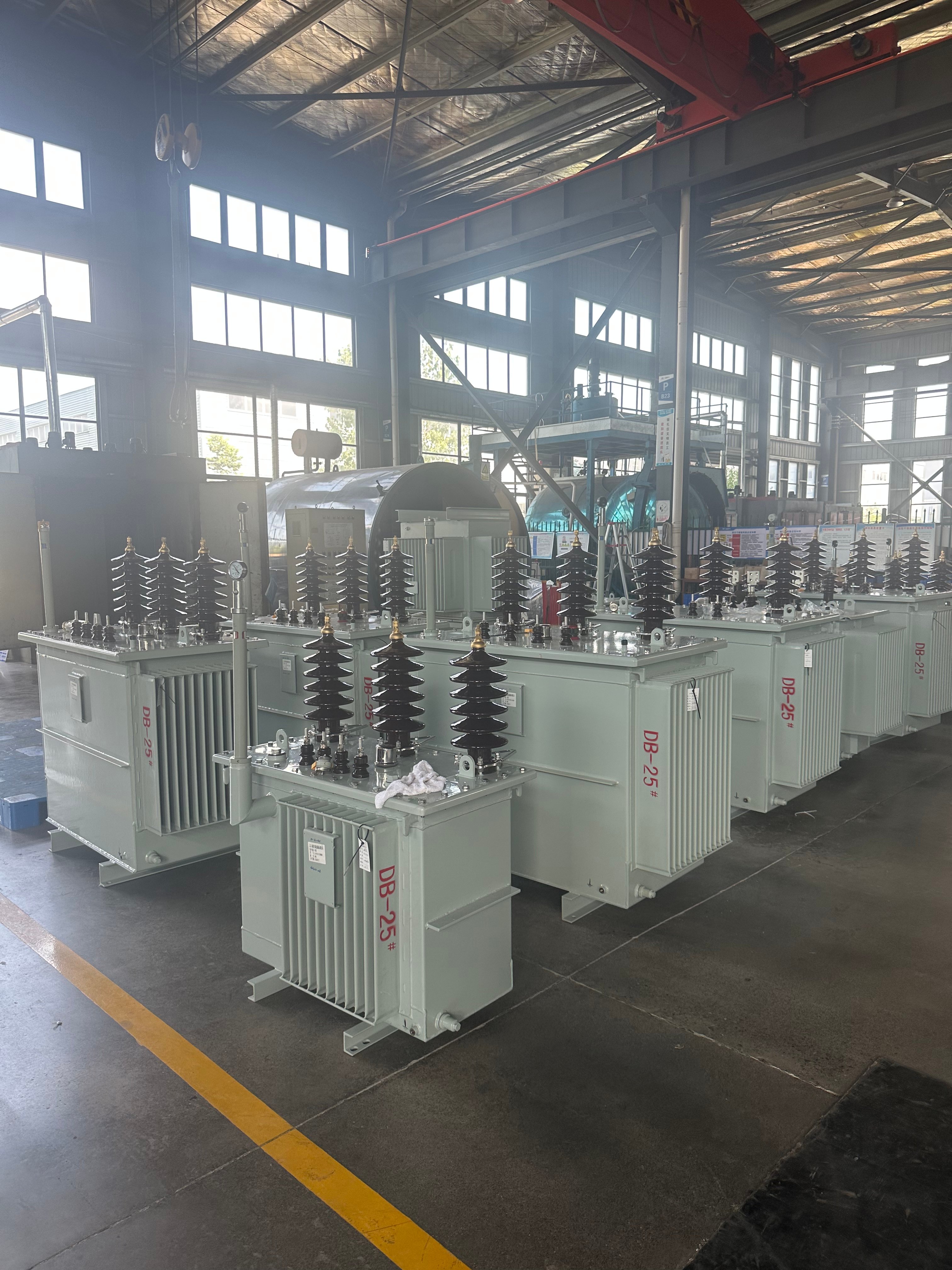
Understanding oil-immersed transformer price determinants is essential for any procurement professional or project manager planning electrical infrastructure investment. The cost of an oil-immersed transformer can vary dramatically—often by 20-30% for seemingly similar specifications—and the lowest quoted price rarely delivers the best value over the equipment's 25-30 year service life. This article breaks down the five critical factors that shape oil-immersed transformer pricing, helping you make informed procurement decisions that balance upfront costs against long-term operational expenses.
Part 1: Raw Material Costs – The Foundation of Transformer Pricing
Raw materials account for approximately 90% of the direct manufacturing cost of an oil-immersed transformer. This makes commodity prices—particularly copper, silicon steel, and insulating oil—the single largest driver of final pricing.
Copper vs. Aluminum Windings – A Critical Choice
The choice of winding material has a direct and substantial impact on transformer price. Copper-wound oil-immersed transformers typically command a higher initial price because copper offers superior electrical conductivity (100% IACS vs. 61% for aluminum), stronger mechanical performance, and better resistance to thermal stress.
When copper windings are preferred:
• Continuous industrial operations
• Heavy load conditions with frequent load changes
• Critical facilities (hospitals, data centers, mining operations)
• Projects where reliability outweighs initial cost concerns
When aluminum windings may be viable:
• General distribution projects with stable loads
• Budget-sensitive applications
• Light-load duty cycles
However, switching from copper to aluminum can reduce initial purchase cost by approximately 12-30%, this saving comes with tradeoffs. Aluminum's lower conductivity requires larger conductor cross-sections, potentially increasing the transformer's physical footprint. Aluminum connections also require careful design verification for temperature rise and short-circuit strength.
Actionable Tip: Before choosing aluminum to save on the oil-immersed transformer price, verify the design against your actual load profile and future expansion plans. The savings may be offset by higher losses over time.
Silicon Steel Core – The Efficiency Driver
Oriented silicon steel represents another major cost component. Higher-grade core materials—such as those used in S13 or amorphous alloy transformers—reduce no-load losses but increase the oil-immersed transformer price upfront. Amorphous alloy transformers offer the lowest no-load losses and are ideal for applications where the transformer remains energized for extended periods with minimal load.
An S11 oil-immersed transformer is typically selected as an economical solution for standard distribution projects. An S13 model offers better loss performance with higher initial cost, making it suitable for applications with long operating hours where energy savings can recoup the premium.
Other Raw Materials and Commodity Market Correlation
Additional material costs include:
• Transformer oil: Mineral oil vs. synthetic ester or natural ester oils; environmentally friendly options cost 20-40% more
• Insulation materials: Paper and pressboard quality affects thermal class and lifespan
• Tank steel: Thickness and corrosion protection (e.g., IP56 enclosures add 5-10%)
Raw material price volatility directly impacts oil-immersed transformer prices. Rising silicon steel prices in 2022 drove oil-immersed transformer prices up approximately 31% year-over-year, with subsequent declines in 2023 leading to a 6.57% decrease. Monitoring copper prices on the London Metal Exchange and silicon steel indices can help time purchases advantageously.
Part 2: Rated Capacity and Voltage Level – Size Matters
Capacity (kVA) – The Primary Scaling Factor
Rated capacity is the most obvious factor affecting oil-immersed transformer cost. Common capacities include 100 kVA, 250 kVA, 500 kVA, 1000 kVA, 1600 kVA, and 2500 kVA. As capacity increases, the quantity of copper/aluminum winding, silicon steel core, transformer oil, insulation materials, and tank structure all increase.
Reference price ranges (approximate, USD):
Capacity / Voltage |
Estimated Price Range (USD) |
100 kVA / 10 kV |
$1,200 – $1,800 |
315 kVA / 10 kV |
$2,000 – $3,200 |
630 kVA / 10 kV |
$3,800 – $5,500 |
1250 kVA / 10 kV |
$7,000 – $9,500 |
2500 kVA / 35 kV |
$15,000 – $22,000 |
5000 kVA / 35 kV |
$28,000 – $38,000 |
10 MVA / 110 kV |
$65,000 – $95,000 |
Note: Actual prices vary by customization, origin, quantity, and supplier terms.
The cost relationship is not linear—a 1600kVA unit may cost 5-7x more than a 50kVA unit despite having 32x the capacity. Buyers should avoid oversizing; excess capacity means higher capital cost with no added benefit.
Voltage Level – Engineering Complexity
An 11kV oil-immersed transformer is commonly specified for factories, commercial buildings, farms, and rural distribution. A 33kV transformer is more typical for power projects, mining areas, solar farms, and heavy industrial systems.
Higher voltage levels require:
• Enhanced insulation design
• Stronger bushings and larger clearances
• Stricter testing protocols
• More expensive materials and manufacturing processes
Never compare an 11kV transformer price with a 33kV price as if they were the same product—the engineering requirements are fundamentally different.
Part 3: Efficiency Standards and Loss Performance – Upfront Cost vs. Lifetime Savings
Understanding No-Load Loss and Load Loss
A transformer price should never be judged solely by purchase cost; long-term operating costs are equally important.
• No-load loss (P0): Core loss related to core material and structure; occurs 24/7 whenever the transformer is energized
• Load loss (Pk): Copper loss related to winding material, conductor design, and current density; varies with load
Over a 25-year service life, a transformer operates for approximately 219,000 hours. Every watt of loss during these hours translates to real electricity costs.
The Total Cost of Ownership (TCO) Reality
Consider two 1,000 kVA distribution transformers:
Metric |
Transformer A (Budget) |
Transformer B (Quality) |
No-load loss |
1,800 W |
1,100 W |
Load loss (full) |
10,500 W |
8,200 W |
Lifetime loss cost* |
$52,400 |
$33,800 |
*At $0.08/kWh, 50% average loading
The difference: $18,600—often exceeding the purchase price gap between the two units.
Industry research confirms that high-quality materials and efficient designs can lead to substantial long-term savings. Total Ownership Cost (TOC), which includes purchasing cost and capitalization of losses, is a critical metric for utility procurement decisions. Some transformers have lower TOC despite higher initial costs due to reduced total losses.
Efficiency Standard Evolution
The implementation of GB20052-2020 significantly increased efficiency requirements for oil-immersed transformers, driving up production costs. Higher energy efficiency classes (Grade 1 and Grade 2) typically add 10-15% to the oil-immersed transformer price but can deliver meaningful energy savings over the equipment's lifetime.
Model comparison:
• S11: Economic choice for standard distribution projects
• S13: Better loss performance, higher initial cost; suitable for long operating hours
• Amorphous alloy: Lowest no-load losses; ideal for continuous energization with minimal loads
For rural grids, commercial buildings, and public facilities with long operating hours, paying a premium for a more efficient transformer is often the smarter long-term investment.
Actionable Tip: When comparing oil-immersed transformer price quotations, request guaranteed maximum no-load and load loss values aligned with IEC 60076—not marketing typical values. Use a loss capitalization formula: initial price plus monetized losses over the asset life.
Part 4: Technical Specifications – Impedance, Taps, and Connection Groups
Short-Circuit Impedance – More Than a Number
Short-circuit impedance affects fault current, voltage drop, parallel operation, and protection device selection. For projects with large motors, pumps, crushers, or frequent starting loads, impedance must be carefully reviewed:
• Too low: Fault current may be excessive
• Too high: Motor starting voltage drop may become problematic
A 2500 kVA oil-immersed transformer with impedance increased from 6% to 8% requires expanded core dimensions and increased winding spacing, resulting in higher manufacturing cost.
Tap Range and Connection Group
• Tap ranges: Common configurations include ±2×2.5% or ±5%; special voltage adjustment may be required based on local grid conditions
• Connection groups (e.g., Dyn11): Affect grounding, phase shift, harmonics, and system matching
Critical warning: Buyers should not change the connection group only to match a lower-cost quotation unless the project engineer confirms the change is acceptable.
Testing and Certification Requirements
Transformers designed to international standards require more rigorous testing, which adds to the oil-immersed transformer price:
Requirement |
Cost Impact |
Routine tests (ratio, impedance, insulation) |
Baseline |
Type tests (temperature rise, short circuit) |
+5-10% |
Special tests (partial discharge, sound level) |
+8-15% |
IEC 60076 compliance |
+20-30% |
Third-party inspection or witness FAT |
Additional fees and scheduling requirements |
Routine tests for oil-immersed transformers typically include winding resistance measurement, voltage ratio test, vector group check, impedance voltage and load loss measurement, no-load loss and no-load current measurement, insulation resistance, and transformer oil testing. For EPC and utility projects, factory testing is a major component of procurement confidence.
Actionable Tip: Compare quotations on identical testing scopes. One supplier may include type tests in the base price; another may quote them as extras. Align witness FAT points and applicable standards (IEC 60076 vs. IEEE C57) before comparing.
Part 5: Customization, Accessories, and Site Conditions – The Hidden Cost Drivers
Tank Structure and Cooling Method
The mechanical configuration affects both the oil-immersed transformer price and long-term maintenance costs:
Structure |
Characteristics |
Cost Implication |
Hermetically sealed |
Reduces oil-air contact, lower maintenance |
Higher upfront, lower maintenance |
Conservator-type |
Allows oil expansion; traditional design |
Standard pricing |
Most distribution transformers use ONAN cooling (natural oil circulation, natural air cooling). Larger capacities or heavier loads may require additional cooling design. ONAF (forced air on radiators) can be specified for higher ambient or overload duty.
Accessories – From Basic to Smart
Accessories are easy to overlook but affect both price and operation:
Accessory |
Function |
Cost Impact |
Oil level indicator, thermometer, pressure relief valve |
Basic operation |
Standard included |
Buchholz relay |
Fault gas detection |
Additional cost |
Winding temperature indicator |
Overheat prevention |
Additional cost |
On-load tap changer |
Dynamic voltage regulation |
+15-25% to cost |
Smart monitoring (IoT, online DGA) |
Predictive maintenance |
$2,000-$5,000 |
A clean quotation should list accessories line by line. If the project specification requires alarm contacts, cable boxes, special paint thickness, or hot-dip galvanized parts, these should be stated before price confirmation.
Environmental and Site Adaptations
Site conditions can add 5-20% to the oil-immersed transformer price through specialized design requirements:
• High-temperature environments (Middle East, tropical): Additional cooling and insulation requirements
• Coastal salt fog: Corrosion-resistant tank materials and coatings
• High altitude: Enhanced insulation coordination
• Dusty mining areas: Reinforced sealing and filtration
• Seismic requirements: Reinforced supports and structures
Document ambient temperature range, altitude, and pollution class before finalizing ratings—suppliers may derate ratings when site conditions exceed standard reference values.
Procurement Risks Behind an Unusually Low Price
A low oil-immersed transformer price is not always a problem—some factories may have efficient production or favorable material sourcing. However, a price far below market range warrants careful checking.
Common risks include:
• Unclear winding material specification
• Higher loss values than expected
• Thinner tank structure
• Simplified accessories or non-specified impedance
• No clear IEC 60076 reference
• Incomplete test reports or no FAT support
• Weak export packing or unclear warranty terms
• Delivery term mismatches (EXW vs. CIF vs. FOB)
Actionable Tip: Compare quotations using the same technical sheet and the same delivery term. A transformer that passes Factory Acceptance Testing (FAT) gives buyers more confidence before shipment release.
Frequently Asked Questions (FAQ)
Q1: Why do oil-immersed transformer prices vary so much between manufacturers?
Price variations arise from differences in material quality (copper vs. aluminum, silicon steel grade), efficiency levels (S11 vs. S13 vs. amorphous alloy), technical specifications (impedance, tap range), testing scope (routine vs. type vs. special tests), accessories included, and warranty/after-sales support. A lower oil-immersed transformer price often reflects reduced material usage, higher losses, fewer accessories, or incomplete testing.
Q2: Is a copper-wound transformer always better than aluminum?
Copper offers better conductivity, mechanical strength, and thermal performance, making it the preferred choice for heavy-duty applications, frequent load changes, and critical facilities. Aluminum can reduce the oil-immersed transformer price by 12-30% and may be suitable for general distribution with stable loads—but the design must be carefully verified for conductor sizing, temperature rise, and short-circuit strength.
Q3: How much can I save by choosing a lower efficiency transformer?
A lower efficiency oil-immersed transformer may reduce purchase price by 10-15% but can cost significantly more in electricity over its lifetime. For example, a 1,000 kVA transformer with higher losses might cost $18,600 more in energy over 25 years than a more efficient model. For projects with long operating hours, paying a premium for efficiency is often the smarter investment.
Q4: What accessories typically add the most cost to an oil-immersed transformer?
On-load tap changers (OLTC) add 15-25% to cost. Smart monitoring systems (IoT sensors, online DGA) typically add $2,000-$5,000. Environmentally friendly insulating oils cost 20-40% more than mineral oil. Higher protection ratings like IP56 add 5-10% to the total cost.
Q5: How do site conditions affect oil-immersed transformer pricing?
High-temperature, coastal salt fog, high-altitude, or dusty environments require specialized design—additional cooling, corrosion-resistant coatings, enhanced insulation, or reinforced sealing. These adaptations can add 5-20% to the oil-immersed transformer price.
Q6: What should I check when comparing quotations?
Normalize technical specifications (impedance, vector group, tap range), efficiency guarantees (guaranteed max no-load and load losses), testing scope (routine vs. type tests, witness FAT), delivery terms (Incoterms, spares included), and accessories listed. Request complete technical data—not only the final unit price—and compare TCO rather than purchase price alone.
Conclusion
Understanding oil-immersed transformer price drivers is the first step toward smart procurement. Here's a summary checklist for evaluating quotations:
Procurement Checklist:
• Material specification: Copper vs. aluminum windings; silicon steel grade
• Efficiency level: No-load loss (P0) and load loss (Pk) guaranteed maximum values
• Technical parameters: Impedance, tap range, connection group (align with project design)
• Testing scope: Routine tests included? Type tests? Witness FAT?
• Accessories and spares: Clear line-by-line listing; spares included?
• Site adaptations: Environmental conditions accounted for in design?
• Delivery terms: Same Incoterms and logistics assumptions for apples-to-apples comparison
The oil-immersed transformer price is only the beginning. The purchase price typically represents only 15-25% of the total cost of ownership; the remaining 75-85% is energy consumption, maintenance, and failure-related costs. Budget transformers often require 3.2x more maintenance interventions over their first decade compared to premium units from established manufacturers.
Ready to make a smarter procurement decision? Start by requesting full technical data—no-load loss, load loss, temperature rise, and efficiency level—from every supplier. Then evaluate total cost of ownership, not just the headline price. For international projects, clarify IEC 60076 or IEEE C57 compliance, define witness FAT scope, and document site conditions before final order confirmation.
The cheapest transformer is rarely the best value. Invest in the right configuration for your specific application, and you'll reap the benefits for decades to come.
Table of Contents
- Part 1: Raw Material Costs – The Foundation of Transformer Pricing
- Copper vs. Aluminum Windings – A Critical Choice
- Silicon Steel Core – The Efficiency Driver
- Other Raw Materials and Commodity Market Correlation
- Part 2: Rated Capacity and Voltage Level – Size Matters
- Capacity (kVA) – The Primary Scaling Factor
- Voltage Level – Engineering Complexity
- Part 3: Efficiency Standards and Loss Performance – Upfront Cost vs. Lifetime Savings
- Understanding No-Load Loss and Load Loss
- The Total Cost of Ownership (TCO) Reality
- Efficiency Standard Evolution
- Part 4: Technical Specifications – Impedance, Taps, and Connection Groups
- Short-Circuit Impedance – More Than a Number
- Tap Range and Connection Group
- Testing and Certification Requirements
- Part 5: Customization, Accessories, and Site Conditions – The Hidden Cost Drivers
- Tank Structure and Cooling Method
- Accessories – From Basic to Smart
- Environmental and Site Adaptations
- Procurement Risks Behind an Unusually Low Price
- Frequently Asked Questions (FAQ)
- Conclusion
- Procurement Checklist: