 EN
EN
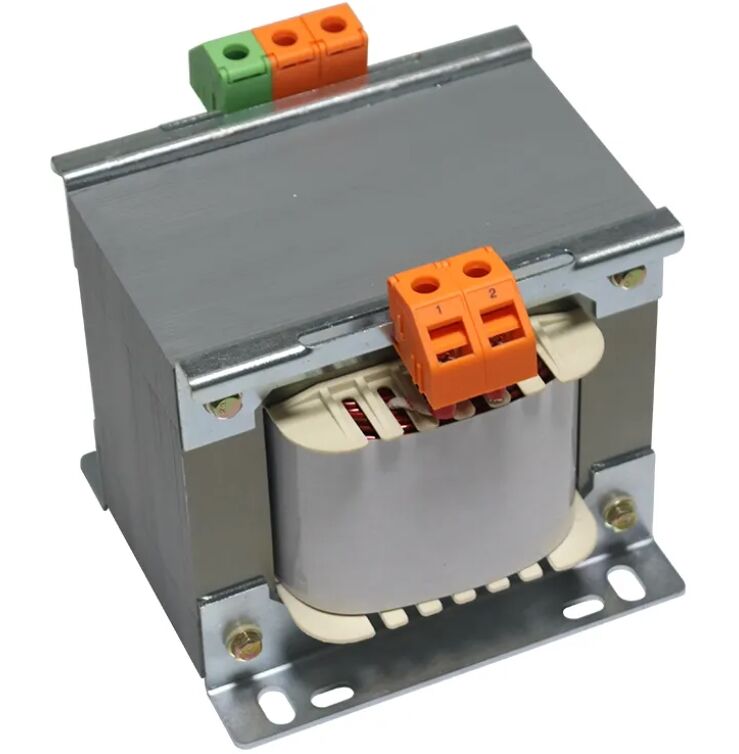
Power transformer efficiency represents one of the most critical factors determining the overall performance and cost-effectiveness of electrical power systems. In today's energy-conscious industrial landscape, optimizing power transformer efficiency has become paramount for utilities, manufacturers, and facility managers seeking to minimize operational costs while maximizing system reliability. Understanding the mechanisms behind energy losses and implementing strategic solutions can result in substantial savings and improved grid stability across high-voltage applications.
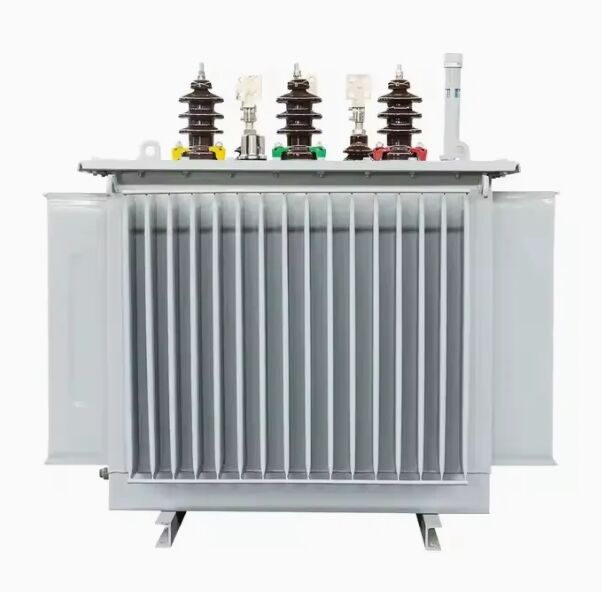
Modern electrical infrastructure depends heavily on transformers that operate at peak efficiency levels, particularly in high-voltage distribution networks where even minor improvements can translate to significant economic benefits. The relationship between transformer design, operational parameters, and energy conservation continues to evolve as technology advances and regulatory standards become more stringent. Facilities operating multiple transformers must consider both individual unit performance and system-wide optimization strategies to achieve maximum power transformer efficiency throughout their electrical network.
Understanding Energy Loss Mechanisms in Power Transformers
Core Losses and Magnetic Properties
Core losses constitute a fundamental component of transformer energy dissipation, occurring continuously regardless of load conditions. These losses primarily stem from hysteresis and eddy current effects within the transformer's magnetic core material. Hysteresis losses result from the repeated magnetization and demagnetization cycles as alternating current flows through the primary winding, causing molecular friction within the core steel. The magnitude of these losses depends directly on the core material's magnetic properties, operating frequency, and flux density levels.
Eddy current losses occur when circulating currents form within the core laminations due to the changing magnetic field. Modern transformer designs employ thin silicon steel laminations with insulating coatings to minimize these parasitic currents. The selection of high-grade electrical steel with optimal grain orientation significantly impacts overall power transformer efficiency. Advanced core materials featuring amorphous metals or nanocrystalline alloys can reduce core losses by up to forty percent compared to conventional silicon steel, though at higher initial investment costs.
Winding Resistance and Copper Losses
Copper losses, also known as load losses, vary proportionally with the square of the load current flowing through transformer windings. These resistive losses generate heat that must be dissipated through the cooling system, directly impacting power transformer efficiency under varying load conditions. The resistance of copper conductors increases with temperature, creating a feedback effect where higher losses lead to increased temperatures and subsequently higher resistance values.
Winding design optimization involves balancing conductor cross-sectional area, material costs, and thermal management requirements. Larger conductor sizes reduce resistance and copper losses but increase material costs and physical dimensions. Advanced winding techniques, including transposed conductors and optimized turn arrangements, help minimize both resistive losses and stray magnetic field effects that can contribute to additional heating and reduced efficiency.
Design Factors Affecting Transformer Performance
Magnetic Circuit Optimization
The magnetic circuit design significantly influences power transformer efficiency through its impact on flux distribution and core utilization. Step-lap core construction techniques ensure optimal grain orientation alignment and minimize air gaps that could increase magnetizing current requirements. The core cross-sectional area must be carefully sized to maintain appropriate flux density levels while avoiding saturation conditions that would dramatically increase core losses and harmonics.
Modern three-dimensional finite element analysis tools enable engineers to optimize core geometry and predict magnetic field distribution patterns before manufacturing. These simulations help identify potential hotspots and areas of flux concentration that could compromise power transformer efficiency. Advanced core designs incorporate carefully calculated joint configurations and clamping systems that maintain mechanical integrity while minimizing magnetic reluctance variations.
Cooling System Integration
Effective thermal management directly correlates with sustained power transformer efficiency throughout the equipment's operational lifespan. Oil-natural air-natural cooling systems rely on convective heat transfer through radiators or cooling fins, while forced air or oil circulation systems provide enhanced heat dissipation capabilities for higher-capacity applications. The cooling medium's thermal properties and circulation patterns significantly impact the transformer's ability to maintain optimal operating temperatures.
Advanced cooling systems incorporate variable-speed fans and pumps that adjust cooling capacity based on load conditions and ambient temperature variations. This adaptive approach maintains consistent operating temperatures while minimizing auxiliary power consumption. Proper cooling system design ensures that winding temperatures remain within acceptable limits, preventing accelerated insulation aging that could compromise long-term reliability and efficiency performance.
Operational Strategies for Maximizing Efficiency
Load Management and Optimization
Strategic load management represents a crucial factor in maintaining optimal power transformer efficiency across varying demand conditions. Transformers typically exhibit peak efficiency at loads ranging from sixty to eighty percent of their rated capacity, where the combination of fixed core losses and variable copper losses reaches an optimal balance. Operating transformers consistently at or near their most efficient loading point requires careful demand forecasting and load distribution planning.
Parallel transformer operation allows facilities to optimize overall system efficiency by energizing additional units during peak demand periods while operating fewer transformers during light load conditions. This approach enables each active transformer to operate closer to its peak efficiency point while maintaining system redundancy. Advanced control systems can automatically switch transformer configurations based on real-time load monitoring and efficiency calculations.
Voltage Regulation and Power Factor Management
Maintaining proper voltage levels and power factor conditions significantly impacts power transformer efficiency throughout the electrical system. Voltage variations outside optimal ranges can increase core losses due to higher flux density levels or reduce system capacity utilization. On-load tap changers enable real-time voltage adjustment to maintain optimal operating conditions while compensating for supply voltage fluctuations and load variations.
Poor power factor conditions increase reactive current flow through transformer windings, resulting in higher copper losses without contributing to useful power delivery. Power factor correction capacitors or active filtering systems help maintain unity power factor conditions, reducing transformer loading and improving overall system efficiency. Regular monitoring of power quality parameters enables proactive adjustments that maintain optimal operating conditions.
Advanced Technologies for Efficiency Enhancement
Smart Monitoring and Diagnostic Systems
Contemporary power transformer efficiency optimization relies heavily on continuous monitoring systems that provide real-time performance data and predictive maintenance insights. Digital monitoring platforms track key parameters including temperature distributions, dissolved gas analysis results, partial discharge activity, and loading patterns. This comprehensive data collection enables operators to identify efficiency degradation trends before they result in significant performance losses or equipment failures.
Artificial intelligence algorithms analyze historical performance data to predict optimal operating strategies and maintenance schedules that preserve peak efficiency levels. Machine learning models can identify subtle patterns in transformer behavior that indicate developing issues affecting power transformer efficiency. These predictive capabilities enable proactive interventions that maintain optimal performance while extending equipment lifespan.
Advanced Materials and Construction Techniques
Innovation in transformer materials continues to drive improvements in power transformer efficiency through reduced losses and enhanced thermal management capabilities. Superconducting windings eliminate resistive losses entirely but require sophisticated cryogenic cooling systems that may offset efficiency gains in certain applications. High-temperature superconductor materials show promise for future transformer designs as cooling requirements become more practical.
Nanocrystalline core materials offer superior magnetic properties with significantly reduced core losses compared to conventional silicon steel. These advanced materials enable more compact transformer designs while maintaining or improving efficiency levels. Biodegradable insulating fluids provide enhanced thermal properties and environmental benefits while supporting improved cooling performance that contributes to sustained power transformer efficiency.
Economic Benefits and Return on Investment
Energy Cost Reduction Analysis
Investing in high-efficiency transformers generates substantial long-term economic returns through reduced energy consumption and operational costs. A typical power transformer operates continuously for twenty-five to thirty years, making efficiency improvements particularly valuable from a lifecycle cost perspective. Even modest efficiency gains of one or two percent can result in significant savings when applied to large-capacity transformers operating under continuous load conditions.
Detailed economic analysis must consider both energy cost savings and potential demand charge reductions resulting from improved power transformer efficiency. Lower losses reduce the total electrical demand required from the utility supply, potentially moving facilities into lower demand charge tiers. Additionally, reduced heat generation decreases cooling system requirements, providing secondary energy savings that compound the primary efficiency benefits.
Maintenance and Reliability Improvements
Enhanced power transformer efficiency typically correlates with improved reliability and reduced maintenance requirements due to lower operating temperatures and reduced thermal stress on insulation systems. Cooler operating conditions extend insulation lifespan and reduce the rate of oil degradation in oil-filled transformers. These factors contribute to longer maintenance intervals and reduced lifecycle costs beyond the direct energy savings.
Reliability improvements associated with efficient transformer operation translate to reduced downtime costs and improved production continuity for industrial facilities. The economic value of avoiding unplanned outages often exceeds the direct energy savings from improved efficiency, making high-performance transformers attractive investments from multiple perspectives. Comprehensive cost-benefit analysis should include both quantifiable savings and risk reduction benefits when evaluating transformer upgrade decisions.
Installation and Commissioning Best Practices
Site Preparation and Environmental Considerations
Proper installation practices significantly impact the long-term power transformer efficiency and operational reliability. Site preparation must ensure adequate ventilation and clearances for optimal cooling system performance. Environmental factors including ambient temperature, altitude, and contamination levels affect transformer ratings and efficiency characteristics. Installation teams must account for these conditions when configuring cooling systems and protective equipment.
Foundation design and vibration isolation prevent mechanical stress that could compromise core integrity and efficiency over time. Proper grounding systems ensure electrical safety while minimizing stray currents that could contribute to additional losses. Cable connections and terminations must be properly sized and installed to prevent voltage drops and connection heating that would reduce overall system efficiency.
Commissioning Testing and Performance Verification
Comprehensive commissioning testing validates power transformer efficiency performance against manufacturer specifications and design requirements. No-load and load loss measurements verify that actual efficiency levels meet expected values. Temperature rise tests confirm that cooling systems provide adequate thermal management under rated load conditions. These baseline measurements establish performance benchmarks for ongoing monitoring and maintenance programs.
Insulation testing and dissolved gas analysis provide initial condition assessments that support long-term efficiency monitoring programs. Power quality measurements verify that the transformer installation does not introduce harmonics or other disturbances that could affect system-wide efficiency. Proper documentation of commissioning results creates valuable reference data for future performance comparisons and troubleshooting activities.
FAQ
What factors most significantly impact power transformer efficiency in high-voltage applications
The most significant factors affecting power transformer efficiency include core material selection, winding design optimization, cooling system effectiveness, and operating load conditions. Core losses from hysteresis and eddy currents represent fixed losses that occur regardless of load, while copper losses in windings vary with load current. Modern transformers achieve peak efficiency at approximately seventy percent of rated load, where the combination of fixed and variable losses reaches optimal balance.
How do environmental conditions affect long-term transformer efficiency performance
Environmental conditions significantly impact power transformer efficiency through their effects on cooling system performance and insulation aging rates. Higher ambient temperatures reduce cooling effectiveness, potentially leading to increased operating temperatures that raise winding resistance and copper losses. Contamination, humidity, and altitude variations affect insulation properties and cooling medium performance, requiring appropriate derating or enhanced maintenance practices to maintain optimal efficiency levels.
What maintenance practices help preserve transformer efficiency throughout its operational lifespan
Regular maintenance practices essential for preserving power transformer efficiency include oil quality monitoring and filtration, cooling system cleaning and inspection, and electrical connection maintenance. Dissolved gas analysis identifies developing issues before they impact performance, while thermographic inspections detect connection heating and cooling system problems. Proper loading management and voltage regulation help maintain optimal operating conditions that preserve efficiency and extend equipment lifespan.
How do smart grid technologies enhance transformer efficiency monitoring and optimization
Smart grid technologies enhance power transformer efficiency through real-time monitoring systems that track performance parameters and enable predictive maintenance strategies. Advanced sensors provide continuous data on temperature, loading, power quality, and insulation condition, while analytics platforms identify optimization opportunities and efficiency trends. Automated control systems can adjust tap positions, cooling system operation, and load distribution to maintain peak efficiency under varying operating conditions.
Table of Contents
- Understanding Energy Loss Mechanisms in Power Transformers
- Design Factors Affecting Transformer Performance
- Operational Strategies for Maximizing Efficiency
- Advanced Technologies for Efficiency Enhancement
- Economic Benefits and Return on Investment
- Installation and Commissioning Best Practices
-
FAQ
- What factors most significantly impact power transformer efficiency in high-voltage applications
- How do environmental conditions affect long-term transformer efficiency performance
- What maintenance practices help preserve transformer efficiency throughout its operational lifespan
- How do smart grid technologies enhance transformer efficiency monitoring and optimization