 EN
EN
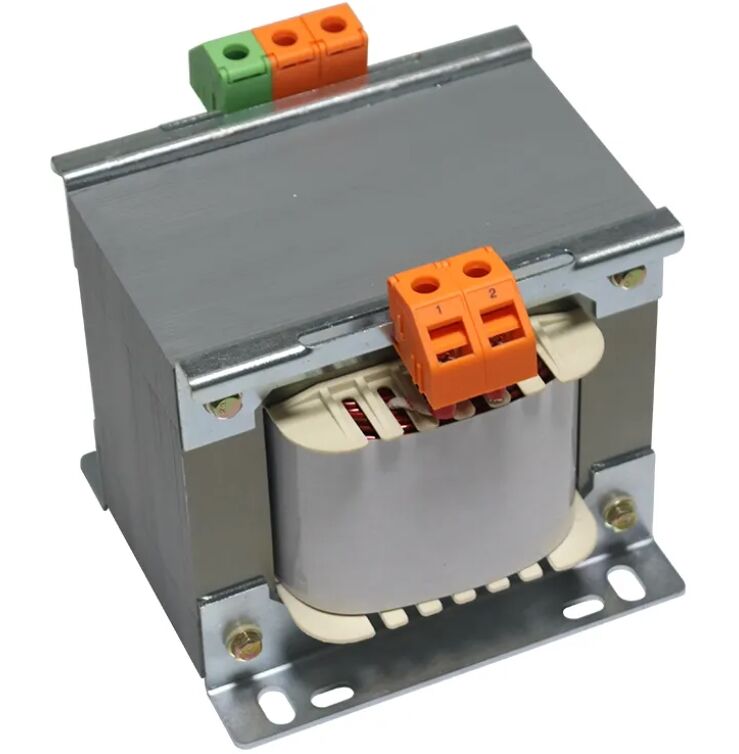
When selecting electrical equipment for indoor installations, power engineers face a critical decision between dry type transformer and oil-filled alternatives. This choice significantly impacts safety, maintenance requirements, environmental considerations, and long-term operational costs. Understanding the fundamental differences between these transformer types enables facility managers and electrical contractors to make informed decisions that align with their specific project requirements and regulatory compliance needs.
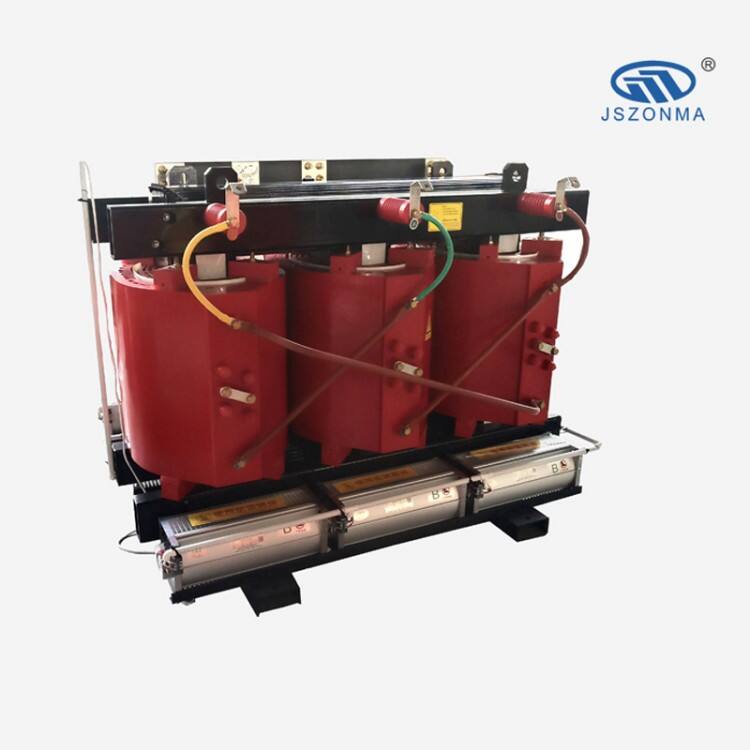
Modern industrial facilities increasingly prioritize safety and environmental responsibility in their electrical infrastructure decisions. The dry type transformer has emerged as a preferred solution for many indoor applications due to its inherent fire safety characteristics and reduced environmental impact. Unlike oil-filled transformers that rely on mineral oil for insulation and cooling, dry type transformers utilize solid insulation materials and air circulation, eliminating the risk of oil leaks and associated fire hazards in sensitive indoor environments.
The selection process involves evaluating multiple technical and operational factors that directly influence system performance, safety protocols, and total cost of ownership. From initial installation requirements to ongoing maintenance schedules, each transformer type presents distinct advantages and considerations that must be carefully assessed against specific application needs. This comprehensive analysis examines the five most critical factors that determine the optimal choice between dry type transformer and oil-filled alternatives for indoor installations.
Safety Considerations and Fire Risk Assessment
Fire Safety Characteristics
Fire safety represents the most significant differentiator between dry type transformer and oil-filled units in indoor environments. Dry type transformers eliminate the combustible oil component entirely, utilizing solid insulation materials that are inherently fire-resistant or self-extinguishing. This fundamental design difference dramatically reduces fire risk and allows for installation in proximity to occupied spaces, critical equipment, and sensitive materials without extensive fire suppression systems.
Oil-filled transformers contain hundreds or thousands of gallons of mineral oil that presents significant fire hazards in indoor installations. Even with modern fire-resistant oils, the potential for catastrophic failure and subsequent fire remains a primary concern. Building codes and insurance requirements often mandate extensive fire suppression systems, containment structures, and increased clearance distances when oil-filled transformers are installed indoors, substantially increasing project complexity and costs.
Environmental Containment Requirements
Environmental protection requirements for oil-filled transformers in indoor settings include comprehensive spill containment systems, leak detection monitoring, and emergency response protocols. These systems must be designed to contain the full oil volume plus additional capacity for firefighting water, creating significant space and infrastructure requirements. Regular inspection and maintenance of containment systems add ongoing operational responsibilities and costs.
The dry type transformer eliminates these environmental containment concerns entirely, as there are no liquid insulating materials to leak or spill. This simplification allows for more flexible installation configurations and reduces the environmental compliance burden on facility operators. The absence of oil also eliminates concerns about soil contamination, groundwater protection, and hazardous waste disposal associated with oil-filled units.
Installation and Space Requirements
Physical Space and Clearance Considerations
Installation space requirements differ significantly between dry type transformer and oil-filled alternatives, particularly in indoor environments where space optimization is crucial. Dry type transformers typically require less clearance distance due to their improved fire safety characteristics, allowing for more compact installations in electrical rooms, basements, and mechanical spaces. The reduced clearance requirements translate directly to lower facility costs and more efficient space utilization.
Oil-filled transformers demand substantial clearance distances for fire safety and maintenance access, often requiring dedicated transformer rooms with specialized ventilation, fire suppression, and containment systems. These requirements can significantly increase building costs and reduce available space for other critical facility functions. The additional infrastructure needed for oil-filled units often makes them impractical for retrofit installations in existing buildings with limited space availability.
Ventilation and Cooling Requirements
Cooling requirements represent another critical installation consideration when comparing transformer types. A properly designed dry type transformer relies on natural air circulation or forced ventilation for cooling, requiring adequate airflow around the unit and appropriate room ventilation to dissipate heat. Modern dry type designs incorporate efficient cooling systems that minimize ventilation requirements while maintaining optimal operating temperatures.
Oil-filled transformers generate heat that must be dissipated through the oil circulation system and external cooling equipment. Indoor installations often require additional cooling infrastructure, including heat exchangers, pumps, and specialized ventilation systems to manage the thermal load. These cooling systems add complexity, energy consumption, and maintenance requirements that must be factored into the total installation cost and ongoing operational expenses.
Maintenance Requirements and Operational Costs
Routine Maintenance Protocols
Maintenance requirements between dry type transformer and oil-filled units differ substantially in scope, frequency, and complexity. Dry type transformers require minimal routine maintenance, primarily consisting of visual inspections, connection tightening, and cleaning of accumulated dust or debris. The solid insulation system eliminates the need for oil testing, filtration, or replacement, significantly reducing maintenance labor and material costs over the transformer's operational life.
Oil-filled transformers demand comprehensive maintenance programs including regular oil sampling and analysis, moisture monitoring, dissolved gas analysis, and periodic oil replacement or reconditioning. These maintenance activities require specialized equipment, trained personnel, and careful handling of potentially contaminated oil. The complexity and frequency of oil-related maintenance tasks create ongoing operational expenses that must be considered in total cost calculations.
Predictive Monitoring Capabilities
Modern dry type transformer designs increasingly incorporate advanced monitoring systems that enable predictive maintenance strategies and real-time condition assessment. Digital monitoring capabilities include temperature sensors, partial discharge detection, and load monitoring systems that provide continuous feedback on transformer health and performance. These monitoring systems help optimize maintenance schedules and prevent unexpected failures while extending equipment life.
While oil-filled transformers also benefit from advanced monitoring technologies, the complexity of oil condition monitoring requires additional sensors, sampling systems, and analytical equipment. The integration of comprehensive monitoring systems for oil-filled units typically involves higher initial costs and ongoing calibration requirements compared to monitoring systems for dry type units, though both approaches provide valuable operational insights.
Performance and Efficiency Characteristics
Load Handling and Overload Capacity
Load handling capabilities represent a crucial performance consideration when selecting between transformer types for indoor applications. Dry type transformer designs have evolved significantly to provide excellent overload capacity and thermal performance, with modern units capable of handling substantial temporary overloads while maintaining safe operating temperatures. The solid insulation system provides reliable performance across varying load conditions without the thermal limitations associated with oil degradation.
Oil-filled transformers traditionally offered superior overload capacity due to the thermal mass and heat dissipation characteristics of the oil cooling system. However, indoor installations may limit the full utilization of this thermal advantage due to space constraints and ventilation limitations. The performance benefits of oil cooling must be weighed against the installation and maintenance complexities introduced by the liquid insulation system in indoor environments.
Noise and Vibration Control
Noise considerations become particularly important for indoor transformer installations, especially in occupied buildings or noise-sensitive environments. Modern dry type transformer designs incorporate advanced core construction and mounting systems that minimize audible noise and mechanical vibration. Sound enclosures and vibration isolation systems can further reduce noise transmission to occupied spaces, making dry type units suitable for installations near offices, laboratories, or residential areas.
Oil-filled transformers may generate additional noise from cooling system components including pumps, fans, and oil circulation equipment required for indoor installations. The acoustic characteristics of oil-filled units in indoor settings often require additional sound attenuation measures, increasing installation complexity and costs. The mechanical systems associated with oil cooling can also introduce vibration that may require isolation systems to prevent transmission to building structures.
Cost Analysis and Economic Considerations
Initial Capital Investment
Initial cost comparisons between dry type transformer and oil-filled alternatives must consider the complete installation package including supporting infrastructure, safety systems, and facility modifications. While oil-filled transformers may have lower equipment costs, the additional requirements for containment, fire suppression, ventilation, and specialized rooms often result in higher total project costs for indoor installations.
Dry type transformer installations typically require minimal supporting infrastructure beyond basic electrical connections and adequate ventilation, resulting in lower total installation costs despite potentially higher equipment prices. The reduced infrastructure requirements also enable faster installation schedules and minimize disruption to existing facility operations during transformer replacement or upgrade projects.
Long-term Operational Economics
Long-term economic analysis must account for operational costs including maintenance, testing, environmental compliance, and insurance requirements over the transformer's expected service life. Dry type transformer designs offer significant advantages in operational simplicity and reduced maintenance requirements, translating to lower lifetime costs despite higher initial equipment investments.
Oil-filled transformer operational costs include regular oil analysis, potential oil replacement, environmental compliance monitoring, and specialized maintenance procedures that require trained personnel and equipment. Insurance costs for indoor oil-filled installations may also be substantially higher due to increased fire risk and environmental liability concerns. These ongoing expenses can significantly impact the total cost of ownership calculation over the transformer's operational life.
Regulatory Compliance and Standards
Building Code Requirements
Building codes and electrical standards impose specific requirements for transformer installations that vary significantly between dry type transformer and oil-filled units. Most building codes permit dry type transformers in occupied buildings with minimal restrictions, allowing installation in electrical rooms, mechanical spaces, and other indoor locations without extensive fire protection systems or special construction requirements.
Oil-filled transformers face substantial regulatory restrictions for indoor installations, often requiring dedicated transformer rooms with fire-rated construction, automatic fire suppression systems, and specialized ventilation. These regulatory requirements directly impact project feasibility and costs, particularly for retrofit installations in existing buildings where compliance modifications may be extensive or impractical.
Environmental Regulations
Environmental regulations governing transformer installations focus primarily on oil containment, spill prevention, and waste management requirements. Dry type transformer installations face minimal environmental regulatory burden due to the absence of liquid insulating materials, simplifying permitting processes and reducing ongoing compliance obligations.
Oil-filled transformer installations must comply with comprehensive environmental regulations including spill prevention plans, containment system design, groundwater protection measures, and hazardous waste management protocols. These regulatory requirements create ongoing administrative responsibilities and potential liability concerns that extend throughout the transformer's operational life.
FAQ
What are the main safety advantages of dry type transformers for indoor use
Dry type transformers eliminate fire risks associated with combustible oil, require minimal containment systems, and can be installed closer to occupied spaces. They use solid insulation materials that are inherently fire-resistant, reducing the need for extensive fire suppression systems and allowing for more flexible installation locations within buildings.
How do maintenance requirements differ between dry type and oil-filled transformers
Dry type transformer maintenance is significantly simpler, requiring only visual inspections, connection checks, and cleaning. Oil-filled transformers demand regular oil testing, analysis, filtration, and potential replacement, along with monitoring of moisture content and dissolved gases. This complexity results in higher maintenance costs and requires specialized personnel and equipment.
Can dry type transformers handle the same loads as oil-filled units indoors
Modern dry type transformer designs provide excellent load handling capabilities suitable for most indoor applications. While oil-filled transformers traditionally offered superior overload capacity, indoor installation constraints often limit their thermal advantages. Dry type units can handle substantial temporary overloads while maintaining safe operating temperatures through advanced cooling designs.
What installation space differences should be expected between transformer types
Dry type transformer installations require less clearance space due to improved fire safety characteristics, allowing more compact installations in electrical rooms and mechanical spaces. Oil-filled transformers demand substantial clearance distances, dedicated transformer rooms with fire-rated construction, containment systems, and specialized ventilation, significantly increasing space and infrastructure requirements.
Table of Contents
- Safety Considerations and Fire Risk Assessment
- Installation and Space Requirements
- Maintenance Requirements and Operational Costs
- Performance and Efficiency Characteristics
- Cost Analysis and Economic Considerations
- Regulatory Compliance and Standards
-
FAQ
- What are the main safety advantages of dry type transformers for indoor use
- How do maintenance requirements differ between dry type and oil-filled transformers
- Can dry type transformers handle the same loads as oil-filled units indoors
- What installation space differences should be expected between transformer types