 EN
EN


Proper distribution transformer sizing is crucial for ensuring reliable electrical supply in residential developments while maintaining cost efficiency and safety standards. The process of determining the right transformer capacity involves analyzing load demands, growth projections, and local utility requirements. Understanding these factors helps electrical engineers and utility planners make informed decisions that prevent both undersized installations that could lead to power quality issues and oversized units that waste resources.
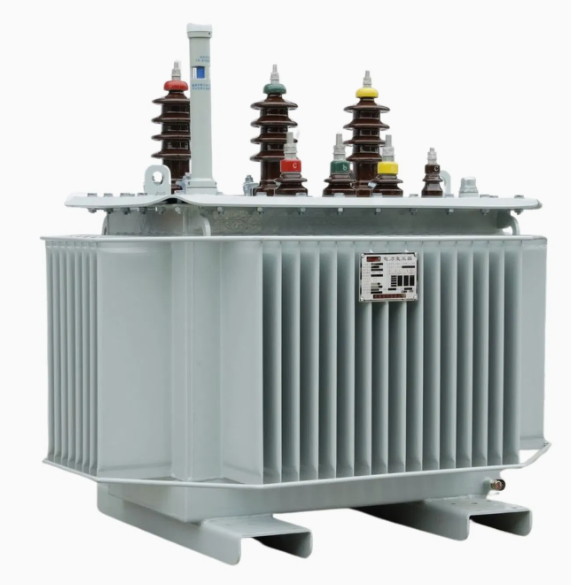
Distribution transformer sizing requires careful consideration of multiple variables that directly impact system performance and longevity. Modern residential areas have increasingly diverse electrical loads, from traditional appliances to electric vehicle charging stations and smart home technologies. These evolving demands make accurate load forecasting more challenging yet more important than ever for utility companies and electrical contractors.
Understanding Load Analysis Fundamentals
Peak Demand Assessment Methods
Accurate peak demand assessment forms the foundation of effective distribution transformer sizing. Engineers must evaluate the maximum simultaneous electrical demand that the transformer will experience during its service life. This analysis typically involves examining historical load data from similar residential developments and applying diversity factors that account for the likelihood that all loads will not operate simultaneously.
The coincidence factor plays a vital role in distribution transformer sizing calculations, as it represents the ratio of the maximum demand of a group of loads to the sum of their individual maximum demands. For residential applications, this factor typically ranges from 0.6 to 0.8, depending on the type and number of homes served. Understanding these statistical relationships helps prevent both oversizing and undersizing scenarios.
Load Growth Projection Strategies
Future load growth considerations are essential components of distribution transformer sizing decisions. Residential areas often experience significant electrical demand increases over time due to population growth, increased appliance usage, and the adoption of new technologies like heat pumps and electric vehicles. Planners typically account for 15 to 25 years of load growth when selecting transformer capacity.
Economic factors also influence load growth patterns in residential areas. Higher-income neighborhoods may adopt energy-intensive technologies more rapidly, while areas with aggressive energy efficiency programs might see slower demand growth. These demographic and economic considerations must be factored into distribution transformer sizing calculations to ensure adequate capacity throughout the transformer's service life.
Capacity Selection Criteria
Standard Rating Classifications
Distribution transformers for residential applications are available in standardized capacity ratings that follow industry conventions. Common ratings include 25, 37.5, 50, 75, 100, 167, 250, 333, and 500 kVA for single-phase units, while three-phase transformers typically range from 75 to 2500 kVA. The selection process involves matching calculated load requirements to the nearest appropriate standard rating.
When performing distribution transformer sizing calculations, engineers must consider both normal operating conditions and emergency loading scenarios. Transformers are typically sized to operate at 80-90% of their nameplate capacity under normal conditions, providing reserve capacity for peak loads and emergency situations. This conservative approach ensures reliable service and extends transformer life.
Environmental and Installation Factors
Environmental conditions significantly impact distribution transformer sizing requirements. High ambient temperatures reduce transformer capacity, while cooler climates may allow for higher loading. Installation locations also matter, as underground installations typically experience different thermal conditions compared to pole-mounted units.
Altitude considerations become important for installations above 1000 meters, where reduced air density affects cooling performance. Special derating factors must be applied in these situations to ensure proper distribution transformer sizing. Additionally, the proximity to other heat sources, such as buildings or other electrical equipment, can influence thermal performance and capacity requirements.
Load Calculation Methodologies
Residential Load Estimation Techniques
Several established methods exist for calculating residential loads in distribution transformer sizing applications. The square footage method provides a quick estimate based on the total floor area of homes served, typically using factors of 3-5 watts per square foot for general lighting and receptacle loads. This method works well for preliminary sizing but may not capture the full complexity of modern residential electrical demands.
The connected load method involves summing all individual electrical loads within the service area and applying appropriate demand factors. This approach provides more accurate results for distribution transformer sizing but requires detailed knowledge of installed equipment. Demand factors typically range from 40-60% for residential loads, reflecting the statistical reality that not all loads operate simultaneously.
Diversity Factor Applications
Diversity factors are critical components of accurate distribution transformer sizing calculations. These factors account for the variation in individual customer load patterns and the statistical improbability of simultaneous peak usage across all customers. For residential applications, diversity factors typically decrease as the number of customers increases, reflecting the law of large numbers.
Geographic and cultural factors influence diversity patterns in residential areas. Communities with similar demographics and lifestyle patterns may exhibit higher coincident peaks, requiring adjustments to standard diversity factors used in distribution transformer sizing. Seasonal variations also affect diversity, with summer air conditioning loads often creating higher coincidence factors than winter heating loads.
Safety and Regulatory Considerations
Code Compliance Requirements
National Electrical Code requirements significantly influence distribution transformer sizing decisions in residential applications. These codes specify minimum clearances, protection requirements, and installation standards that may affect transformer selection and placement. Local utility standards often impose additional requirements that must be considered during the sizing process.
Safety factors built into distribution transformer sizing practices help ensure reliable operation under various conditions. These factors typically account for measurement uncertainties, load growth beyond projections, and equipment aging effects. Conservative sizing practices reduce the risk of overloading and improve overall system reliability.
Protection System Integration
Overcurrent protection coordination is an integral part of distribution transformer sizing for residential applications. The transformer size directly influences protective device selection and coordination with upstream protection. Properly sized transformers enable effective fault current limitation while maintaining adequate capacity for normal operations.
Ground fault protection requirements may also influence distribution transformer sizing decisions. Certain transformer configurations and sizes trigger specific protection requirements that must be considered during the selection process. These protection system interactions ensure safe operation while maintaining service reliability.
Economic Optimization Strategies
Life Cycle Cost Analysis
Economic considerations play a major role in distribution transformer sizing decisions for utility companies and developers. Life cycle cost analysis examines initial purchase costs, installation expenses, operating losses, and maintenance requirements over the transformer's expected service life. This comprehensive approach often reveals that slightly larger transformers may provide better long-term value despite higher initial costs.
Energy efficiency considerations in distribution transformer sizing have gained importance with rising energy costs and environmental concerns. High-efficiency transformers typically have lower no-load and load losses, reducing operating costs over time. The incremental cost of efficient designs can often be recovered through energy savings within a few years of operation.
Load Factor Optimization
Load factor optimization in distribution transformer sizing involves balancing capacity utilization with efficiency considerations. Transformers operating at moderate load levels typically achieve better efficiency than those running near full capacity or lightly loaded. This relationship influences sizing decisions, particularly for residential applications with varying load patterns.
Demand charge considerations may also influence distribution transformer sizing strategies in areas where customers are subject to time-of-use rates or demand charges. Proper sizing can help minimize peak demand charges while maintaining adequate service capacity. These economic factors must be balanced against technical requirements to achieve optimal results.
Installation and Maintenance Implications
Physical Space Requirements
Physical constraints often influence distribution transformer sizing decisions in residential areas. Available space for installation may limit transformer size options, particularly in dense urban developments or underground applications. Clearance requirements for maintenance access must also be considered when selecting transformer capacity and configuration.
Transportation and handling limitations can affect distribution transformer sizing choices for residential installations. Larger transformers may require special equipment or access routes that are not available in all locations. These logistical considerations must be evaluated alongside electrical requirements to ensure practical installation solutions.
Maintenance Access Considerations
Maintenance requirements vary with transformer size and configuration, influencing long-term operational costs. Larger transformers typically require more complex maintenance procedures and specialized equipment, while smaller units may be replaced rather than repaired. These factors should be considered in distribution transformer sizing decisions to optimize life cycle costs.
Spare transformer availability affects sizing strategies in residential applications. Utilities often maintain inventories of common sizes for emergency replacement, making standard ratings more attractive than custom sizes. Distribution transformer sizing decisions should consider spare parts availability and standardization benefits to ensure reliable service continuity.
Technology Integration Considerations
Smart Grid Compatibility
Modern distribution transformer sizing must account for smart grid technologies and their impact on residential electrical systems. Advanced metering infrastructure, demand response programs, and distributed energy resources can significantly affect load patterns and peak demands. These technological changes require updated approaches to traditional sizing methodologies.
Communication equipment and monitoring systems integrated with distribution transformers may affect sizing calculations through additional auxiliary loads and cooling requirements. These systems provide valuable operational data but must be considered in the overall capacity planning process to ensure adequate transformer sizing.
Renewable Energy Integration
Distributed generation from rooftop solar systems and other renewable sources creates bidirectional power flow that affects distribution transformer sizing calculations. These installations can reduce net load during peak generation periods while potentially creating reverse power flow conditions. Proper sizing must account for these variable generation patterns and their impact on transformer loading.
Energy storage systems in residential applications add complexity to distribution transformer sizing calculations. Battery systems can shift load patterns, reduce peak demands, or create new loading scenarios depending on their control strategies. These emerging technologies require updated analytical methods to ensure appropriate transformer capacity selection.
FAQ
What factors should be considered when determining the appropriate size for a distribution transformer in residential areas
The primary factors for distribution transformer sizing in residential areas include peak demand analysis, load growth projections, diversity factors, environmental conditions, and regulatory requirements. Engineers must evaluate the maximum simultaneous electrical demand, apply appropriate diversity factors based on the number of customers served, and account for future load growth over the transformer's expected service life. Environmental factors such as ambient temperature and installation altitude also affect capacity requirements.
How do diversity factors affect distribution transformer sizing calculations
Diversity factors significantly reduce the required transformer capacity by accounting for the statistical improbability that all customers will use their maximum electrical demand simultaneously. These factors typically range from 0.4 to 0.8 for residential applications and decrease as the number of customers increases. Proper application of diversity factors prevents oversizing while ensuring adequate capacity for actual operating conditions, making them essential for accurate distribution transformer sizing.
What safety margins should be included in distribution transformer sizing for residential applications
Safety margins in distribution transformer sizing typically involve operating at 80-90% of nameplate capacity under normal conditions, providing reserve capacity for peak loads and emergency situations. Additional margins may be required for high ambient temperatures, altitude installations, or areas with rapid load growth. These conservative approaches ensure reliable service, extend equipment life, and accommodate unexpected load increases while maintaining system safety.
How do modern residential loads like electric vehicles and solar panels impact transformer sizing requirements
Electric vehicles and solar panels significantly impact distribution transformer sizing by creating new load patterns and bidirectional power flows. Electric vehicle charging can increase peak residential demands substantially, while solar panels can reduce net load during daylight hours but may create reverse power flow conditions. These technologies require updated analytical methods and may necessitate larger transformer capacities or different protection schemes to handle the changing electrical demands in modern residential areas.
Table of Contents
- Understanding Load Analysis Fundamentals
- Capacity Selection Criteria
- Load Calculation Methodologies
- Safety and Regulatory Considerations
- Economic Optimization Strategies
- Installation and Maintenance Implications
- Technology Integration Considerations
-
FAQ
- What factors should be considered when determining the appropriate size for a distribution transformer in residential areas
- How do diversity factors affect distribution transformer sizing calculations
- What safety margins should be included in distribution transformer sizing for residential applications
- How do modern residential loads like electric vehicles and solar panels impact transformer sizing requirements