 EN
EN
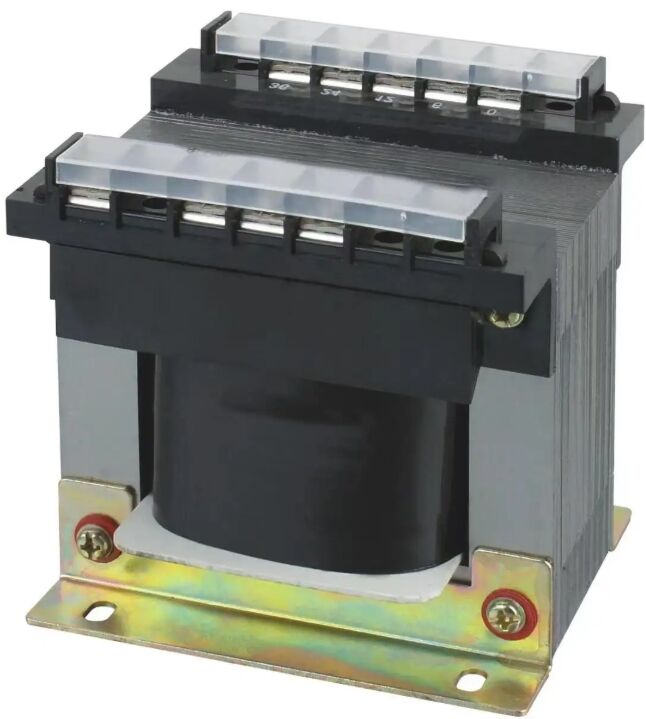
Energy efficiency has become a critical priority for industries worldwide as organizations strive to reduce operational costs and minimize environmental impact. Dry transformers represent one of the most effective solutions for achieving these dual objectives while maintaining reliable power distribution. Unlike traditional oil-filled transformers, dry transformers utilize solid insulation systems that eliminate the need for liquid cooling mediums, resulting in enhanced safety profiles and reduced environmental risks.
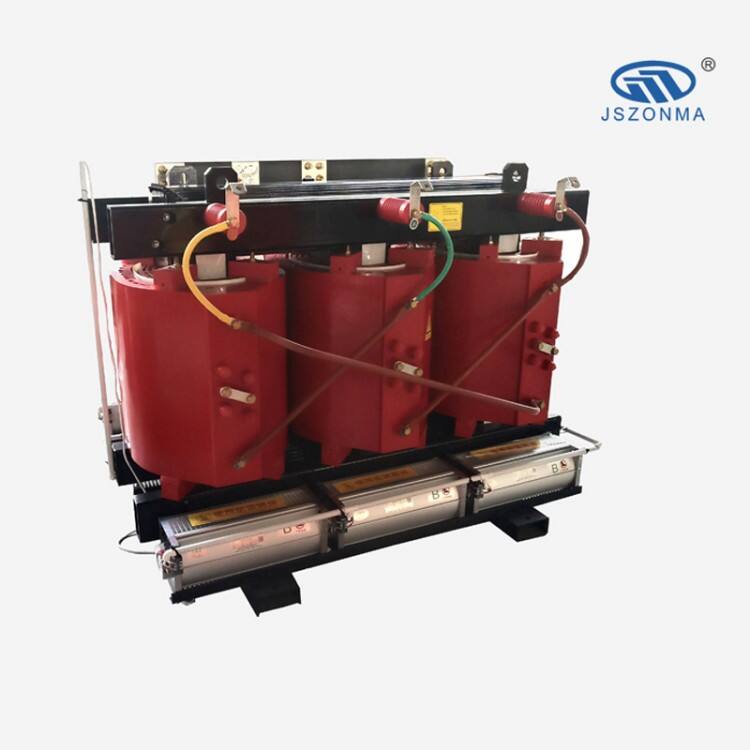
The transition to environmentally conscious electrical infrastructure has positioned dry transformers as essential components in modern sustainable energy strategies. These advanced electrical devices demonstrate superior performance characteristics while contributing significantly to carbon footprint reduction initiatives. Industrial facilities, commercial buildings, and renewable energy installations increasingly rely on dry transformers to optimize their energy consumption patterns and achieve sustainability targets.
Understanding Dry Transformer Technology
Core Design Principles
Dry transformers operate on fundamental electromagnetic principles similar to conventional transformers but incorporate innovative insulation technologies that eliminate liquid coolants. The core construction utilizes high-grade silicon steel laminations optimized for minimal energy losses during magnetic flux transitions. This design approach ensures that dry transformers maintain excellent efficiency ratings while providing robust performance across varying load conditions.
The windings in dry transformers feature specialized insulation materials such as epoxy resin or cast coil configurations that provide superior thermal management. These materials withstand elevated operating temperatures without degradation, ensuring consistent performance throughout extended service life cycles. The absence of oil-based cooling systems simplifies maintenance requirements and reduces potential environmental contamination risks associated with traditional transformer technologies.
Insulation System Advantages
Modern dry transformers incorporate advanced insulation systems that surpass conventional oil-filled alternatives in multiple performance categories. Class H insulation ratings enable continuous operation at temperatures up to 180 degrees Celsius, providing substantial thermal margins for demanding applications. The solid insulation approach eliminates concerns about oil leakage, fire hazards, and environmental contamination that traditionally accompany liquid-filled transformer installations.
The insulation materials used in dry transformers demonstrate exceptional dielectric strength and long-term stability under electrical stress. Vacuum pressure impregnation processes ensure complete penetration of insulating compounds throughout winding structures, eliminating air voids that could compromise performance. This comprehensive insulation approach contributes to the superior reliability and extended service life characteristics of dry transformers.
Energy Efficiency Performance Metrics
Loss Reduction Technologies
Energy efficiency in dry transformers stems from advanced core materials and optimized winding configurations that minimize both no-load and load losses. High-permeability silicon steel cores reduce hysteresis and eddy current losses during magnetic field cycling. Specialized grain-oriented steel laminations further enhance efficiency by aligning magnetic domains with flux paths, resulting in measurably lower energy consumption compared to standard transformer designs.
Load losses in dry transformers benefit from precision winding techniques and conductor optimization strategies. Low-resistance copper conductors minimize I²R losses during current flow, while careful impedance matching ensures optimal power transfer characteristics. These engineering refinements enable dry transformers to achieve efficiency ratings exceeding 98% at rated loads, translating to substantial energy savings over operational lifespans.
Operational Efficiency Advantages
The operational efficiency of dry transformers extends beyond electrical performance to encompass maintenance requirements and system reliability factors. Simplified cooling systems reduce auxiliary power consumption associated with forced ventilation or oil circulation pumps. Natural air cooling in many dry transformer applications eliminates parasitic losses while maintaining adequate thermal management for continuous operation.
Dry transformers demonstrate superior partial load efficiency characteristics compared to oil-filled alternatives, maintaining high efficiency ratings across wide load ranges. This performance advantage proves particularly valuable in applications with variable loading patterns, such as renewable energy systems and industrial facilities with fluctuating power demands. The consistent efficiency performance contributes to predictable energy costs and simplified load forecasting for facility managers.
Carbon Footprint Reduction Benefits
Direct Environmental Impact
The environmental advantages of dry transformers extend throughout their complete lifecycle, from manufacturing through end-of-life disposal. The elimination of transformer oil reduces environmental risks associated with potential spills, soil contamination, and groundwater pollution. Manufacturing processes for dry transformers generate fewer hazardous byproducts and require less energy-intensive processing compared to oil-filled alternatives.
Carbon emissions associated with dry transformer operation remain consistently lower due to superior efficiency characteristics and reduced maintenance requirements. The absence of oil-based cooling systems eliminates the need for periodic oil testing, filtration, and replacement activities that contribute to operational carbon footprints. Additionally, the recyclable nature of core materials and copper windings supports circular economy principles and reduces waste generation.
Lifecycle Sustainability Considerations
Sustainability assessments of dry transformers reveal significant advantages in total environmental impact when compared to traditional alternatives. Extended service life expectancy reduces replacement frequency and associated manufacturing emissions. The robust construction and simplified maintenance requirements of dry transformers result in lower lifetime resource consumption and reduced service vehicle emissions from maintenance activities.
End-of-life considerations favor dry transformers due to the absence of hazardous oil disposal requirements and simplified recycling processes. Core steel and copper windings retain high scrap value and can be efficiently processed through established recycling channels. The solid insulation materials used in modern dry transformers increasingly incorporate recyclable compounds that support sustainable disposal practices and circular material flows.
Application Scenarios and Implementation
Industrial Integration Strategies
Industrial facilities benefit significantly from dry transformer integration due to enhanced safety profiles and reduced environmental compliance requirements. Manufacturing plants processing flammable materials or operating in environmentally sensitive areas find dry transformers particularly advantageous for minimizing fire risks and environmental exposure. The compact footprint and simplified installation requirements of dry transformers enable flexible placement options that optimize electrical distribution system layouts.
Process industries with stringent cleanliness requirements appreciate the contamination-free operation of dry transformers. Food processing, pharmaceutical manufacturing, and semiconductor fabrication facilities rely on dry transformers to maintain sterile environments without concerns about oil vapors or potential contamination from cooling system leaks. These applications demonstrate the versatility and reliability advantages that drive dry transformer adoption across diverse industrial sectors.
Commercial Building Applications
Commercial buildings increasingly specify dry transformers for electrical distribution systems due to improved safety characteristics and reduced space requirements. High-rise office buildings, shopping centers, and educational facilities benefit from the fire-safe operation and minimal maintenance demands of dry transformers. The elimination of oil-based systems simplifies building code compliance and reduces insurance premiums associated with fire hazard mitigation.
Energy management systems in commercial buildings achieve enhanced performance when integrated with efficient dry transformers that maintain consistent power quality. The superior efficiency characteristics of dry transformers contribute to LEED certification requirements and green building standards. Facility managers appreciate the predictable operating costs and reduced maintenance complexity that dry transformers provide throughout building operational lifecycles.
Technical Performance Characteristics
Load Handling Capabilities
Dry transformers demonstrate exceptional load handling characteristics that accommodate diverse application requirements while maintaining optimal efficiency performance. Overload capacity enables temporary operation at ratings exceeding nameplate specifications, providing valuable flexibility for systems with variable or seasonal loading patterns. The robust thermal design of dry transformers supports sustained overload conditions without compromising service life or safety margins.
Dynamic loading capabilities of dry transformers prove particularly valuable in applications with rapid load changes or cyclic demand patterns. The thermal mass and heat dissipation characteristics enable effective management of load transients while maintaining stable operating temperatures. These performance attributes make dry transformers ideal for applications involving motor starting, welding equipment, or variable frequency drive systems that impose demanding electrical requirements.
Environmental Resilience Features
Environmental resilience represents a key advantage of dry transformers in challenging installation environments where traditional oil-filled alternatives might experience performance degradation. Coastal installations benefit from corrosion-resistant enclosures and materials that withstand salt spray exposure without compromising electrical integrity. Desert environments with extreme temperature variations and dust exposure favor dry transformers due to their sealed construction and simplified cooling requirements.
Altitude performance characteristics of dry transformers remain stable across wide elevation ranges without derating requirements that affect other transformer technologies. The solid insulation system maintains dielectric strength at reduced atmospheric pressure conditions, enabling reliable operation in mountain installations and high-altitude facilities. These environmental advantages expand the application range and deployment flexibility of dry transformers across diverse geographical locations.
Economic Considerations and ROI Analysis
Initial Investment Evaluation
Investment analysis for dry transformers must consider both initial capital costs and long-term operational savings to accurately assess total cost of ownership. While upfront costs may exceed conventional alternatives, the elimination of oil handling systems, containment structures, and specialized fire suppression equipment often results in favorable initial investment comparisons. Site preparation requirements for dry transformers typically involve reduced complexity and lower installation costs.
Financing considerations for dry transformers benefit from energy efficiency incentives and environmental compliance advantages that may qualify for preferential lending rates or utility rebates. The improved safety profile and reduced insurance requirements associated with dry transformers contribute additional financial benefits that enhance overall investment attractiveness. These factors combine to create compelling economic arguments for dry transformer selection in many applications.
Operational Cost Benefits
Long-term operational cost advantages of dry transformers accumulate through reduced maintenance requirements, enhanced efficiency performance, and eliminated oil management expenses. Annual maintenance costs for dry transformers typically represent a fraction of oil-filled alternatives due to simplified inspection procedures and reduced component replacement requirements. The absence of oil testing, filtration, and disposal activities results in predictable maintenance budgets and reduced labor requirements.
Energy cost savings from improved efficiency characteristics of dry transformers provide measurable returns throughout operational lifespans. The superior part-load efficiency performance proves particularly valuable in applications with variable loading patterns where traditional transformers experience reduced efficiency. Utility demand charge reductions may also result from improved power factor characteristics and reduced system losses associated with high-efficiency dry transformers.
FAQ
What makes dry transformers more energy efficient than oil-filled alternatives
Dry transformers achieve superior energy efficiency through advanced core materials, optimized winding designs, and eliminated parasitic losses from oil circulation systems. The absence of cooling pumps and oil heating elements reduces auxiliary power consumption, while high-grade silicon steel cores minimize magnetic losses. These design improvements typically result in efficiency ratings exceeding 98% at rated loads.
How do dry transformers contribute to carbon footprint reduction
Carbon footprint reduction from dry transformers occurs through multiple pathways including improved operational efficiency, eliminated oil-related emissions, and reduced maintenance activities. The higher efficiency reduces electrical losses that would otherwise contribute to grid demand and associated generation emissions. Additionally, the absence of oil eliminates potential environmental contamination and associated remediation activities that generate carbon emissions.
What are the typical maintenance requirements for dry transformers
Maintenance requirements for dry transformers focus primarily on visual inspections, connection tightening, and cooling system cleaning without the complexity of oil management. Annual inspections typically involve checking terminations, measuring insulation resistance, and verifying proper ventilation airflow. The simplified maintenance approach reduces labor requirements and eliminates specialized equipment needs associated with oil testing and processing.
Can dry transformers handle the same load capacity as conventional transformers
Modern dry transformers match or exceed the load handling capabilities of conventional oil-filled alternatives while providing superior overload capacity for temporary conditions. Advanced cooling designs and robust thermal management enable continuous rated operation with substantial overload margins for emergency conditions. The solid insulation system provides excellent thermal stability that supports demanding load profiles without performance degradation.