 EN
EN
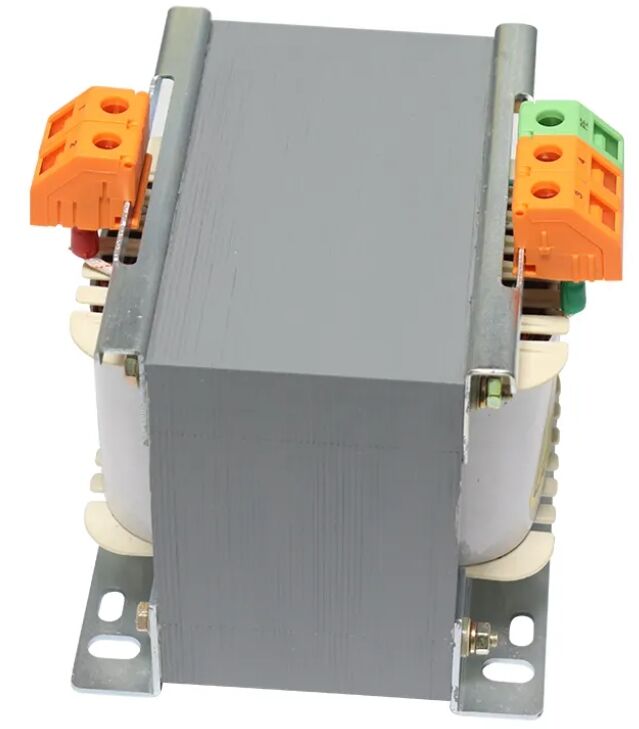
Modern electrical infrastructure demands reliable, efficient, and safe power distribution solutions that can adapt to evolving industrial and commercial requirements. The dry type transformer has emerged as a critical component in contemporary electrical systems, offering superior performance characteristics that make it indispensable across various applications. Unlike traditional oil-filled transformers, these units utilize air or resin for cooling and insulation, eliminating the environmental concerns and fire hazards associated with liquid-filled alternatives. As industries continue to prioritize sustainability, operational efficiency, and safety standards, the adoption of dry type transformer technology has accelerated significantly across global markets.
Understanding Dry Type Transformer Technology
Core Construction and Design Principles
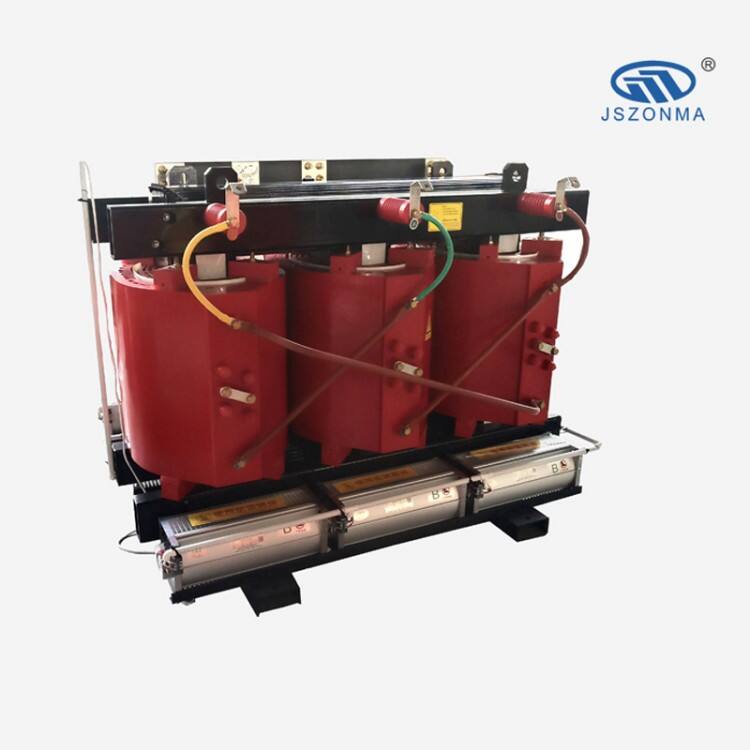
The fundamental architecture of a dry type transformer centers around its insulation system, which relies on solid or gaseous mediums rather than liquid dielectrics. The core construction typically employs high-grade silicon steel laminations that minimize eddy current losses and optimize magnetic flux distribution. Advanced manufacturing techniques ensure precise winding configurations that enhance electrical performance while maintaining structural integrity under varying load conditions. The absence of oil or other liquid coolants necessitates innovative approaches to heat dissipation and insulation coordination.
Epoxy resin encapsulation represents the most prevalent insulation method in modern dry type transformer designs. This approach involves vacuum impregnation or casting processes that eliminate air voids and moisture absorption, creating a robust dielectric barrier capable of withstanding electrical stress and environmental factors. The resin system provides excellent mechanical strength and thermal conductivity, enabling efficient heat transfer from the windings to the surrounding air. Alternative insulation methods include VPI (Vacuum Pressure Impregnated) systems and open-ventilated designs, each offering specific advantages depending on application requirements.
Operating Characteristics and Performance Metrics
Thermal management constitutes a primary consideration in dry type transformer operation, as the absence of liquid coolants requires careful attention to temperature rise limitations. The IEEE C57.12.01 standard defines temperature rise limits for various insulation classes, with Class F (155°C) and Class H (180°C) systems being most common in industrial applications. Natural air circulation provides the primary cooling mechanism, though forced air systems may be employed in high-load scenarios or confined spaces where ambient temperature control is critical.
Electrical performance characteristics of dry type transformers demonstrate excellent regulation and efficiency ratings comparable to their liquid-filled counterparts. Typical efficiency ratings range from 96% to 99% depending on capacity and design optimization. The solid insulation system provides superior impulse withstand capabilities, making these units particularly suitable for locations with frequent lightning activity or switching transients. Load tap changing mechanisms, while less common than in oil-filled units, are available for applications requiring voltage regulation under varying load conditions.
Comprehensive Benefits Analysis
Environmental and Safety Advantages
The environmental benefits of dry type transformer technology extend beyond the elimination of oil-related contamination risks. The absence of flammable liquids significantly reduces fire hazards, making these units suitable for indoor installations in commercial buildings, hospitals, schools, and other occupied structures. This safety characteristic enables placement in areas where oil-filled transformers would require extensive fire suppression systems or prohibited entirely by building codes and safety regulations.
Sustainability considerations favor dry type transformers due to their reduced environmental impact throughout the product lifecycle. The elimination of oil changes, potential leak remediation, and complex disposal procedures associated with liquid-filled units translates to lower long-term environmental costs. Additionally, the compact design and reduced weight of many dry type transformer configurations minimize transportation energy requirements and installation complexity, further enhancing their environmental profile.
Operational and Economic Benefits
Maintenance requirements for dry type transformer installations are substantially reduced compared to oil-filled alternatives. The absence of liquid systems eliminates the need for oil testing, filtration, and replacement procedures that constitute significant operational expenses over the unit's service life. Routine maintenance typically involves visual inspections, connection tightening, and cleaning procedures that can be performed by facility maintenance personnel without specialized training or equipment.
Installation flexibility represents another significant advantage, as dry type transformers can be positioned in various orientations and environments without concern for oil containment or environmental protection measures. This flexibility enables optimized placement for space efficiency and accessibility, particularly valuable in retrofit applications or constrained urban environments. The reduced installation complexity translates to lower initial project costs and shorter commissioning timelines.
Industrial and Commercial Applications
Manufacturing and Industrial Facilities
Manufacturing environments present ideal applications for dry type transformer technology due to the combination of safety requirements, environmental considerations, and operational demands. Heavy industrial facilities often require multiple distribution transformers throughout the facility, making the reduced maintenance burden and elimination of oil containment requirements particularly advantageous. The robust construction of epoxy-encapsulated units provides excellent resistance to vibration, dust, and chemical contaminants commonly present in industrial settings.
Process industries such as chemical manufacturing, food processing, and pharmaceutical production benefit from the enhanced safety profile and regulatory compliance facilitated by dry type transformer installations. The absence of flammable liquids simplifies permit applications and reduces insurance premiums in many jurisdictions. Additionally, the sealed nature of epoxy-encapsulated units prevents contamination of sensitive manufacturing processes where product purity is critical.
Commercial and Institutional Buildings
Commercial building applications represent the fastest-growing segment for dry type transformer installations, driven by stringent fire safety codes and environmental regulations in urban areas. High-rise buildings, shopping centers, and office complexes benefit from the space-efficient design and indoor installation capability that eliminates the need for separate transformer vaults or outdoor installations. The reduced weight of many dry type transformer designs enables floor-mounted installations that would be impractical with oil-filled units.
Educational institutions and healthcare facilities particularly value the safety and environmental benefits of dry type transformer technology. Schools, universities, and hospitals require reliable power distribution without the risks associated with flammable liquids in occupied buildings. The quiet operation characteristics of properly installed dry type transformers make them suitable for noise-sensitive environments where traditional cooling systems might be problematic.
Selection Criteria and Specifications
Capacity and Voltage Considerations
Proper sizing of dry type transformer installations requires careful analysis of load characteristics, future expansion requirements, and operating conditions. Standard capacity ratings range from 15 kVA to 30 MVA, with custom units available for specialized applications. The selection process must account for harmonic content in modern electrical loads, as non-linear loads can significantly impact transformer heating and derating requirements. K-factor ratings help quantify the unit's ability to handle harmonic currents without exceeding temperature limits.
Voltage class selection depends on the specific distribution system requirements and available utility connections. Low voltage units (600V and below) serve building distribution applications, while medium voltage units (up to 35 kV) handle utility interface and industrial distribution functions. The insulation coordination must be carefully evaluated to ensure adequate clearances and creepage distances for the intended operating environment and altitude conditions.
Environmental and Installation Factors
Environmental conditions significantly influence dry type transformer selection and performance. Temperature extremes, humidity levels, altitude, and contamination exposure all impact the appropriate insulation system and enclosure design. NEMA and IP ratings provide standardized methods for specifying environmental protection levels, with higher ratings required for harsh industrial environments or outdoor installations with weather protection.
Ventilation requirements must be carefully calculated to ensure adequate cooling airflow while preventing contamination ingress. The installation location should provide sufficient clearances for natural convection cooling and maintenance access. Forced air cooling systems may be necessary in applications with restricted airflow or elevated ambient temperatures, requiring additional design considerations for reliability and noise control.
Future Technology Trends
Advanced Materials and Manufacturing
Ongoing developments in insulation materials and manufacturing processes continue to enhance dry type transformer performance and reliability. Nanotechnology applications in epoxy resin systems promise improved thermal conductivity and dielectric strength, enabling higher power densities and enhanced overload capabilities. Advanced core materials with reduced losses and improved magnetic properties contribute to efficiency improvements and reduced environmental impact.
Additive manufacturing techniques are beginning to influence transformer component production, particularly for custom geometries and specialized applications. These technologies enable optimization of cooling surfaces and magnetic circuits that would be impractical with traditional manufacturing methods. The integration of sensors and monitoring systems during the manufacturing process provides enhanced quality control and traceability throughout the product lifecycle.
Smart Grid Integration and Monitoring
The evolution toward smart grid infrastructure drives demand for intelligent dry type transformer systems with integrated monitoring and communication capabilities. Advanced sensor systems can provide real-time data on temperature, load conditions, and insulation health, enabling predictive maintenance strategies and improved system reliability. Communication protocols such as IEC 61850 facilitate integration with broader grid management systems and automated control strategies.
Digital twin technology and advanced analytics are increasingly applied to dry type transformer monitoring and lifecycle management. These systems can predict maintenance requirements, optimize loading strategies, and identify potential failure modes before they impact system reliability. The combination of enhanced monitoring capabilities with the inherently low maintenance requirements of dry type transformers creates opportunities for significant operational cost reductions and improved asset utilization.
FAQ
What is the typical lifespan of a dry type transformer compared to oil-filled units
Dry type transformers typically offer comparable or superior service life to oil-filled units when properly specified and maintained. With appropriate environmental protection and regular maintenance, these units commonly achieve 25-30 years of reliable service. The absence of oil degradation eliminates one of the primary aging mechanisms in traditional transformers, while the solid insulation system provides stable performance characteristics throughout the service life. Factors such as load cycling, ambient temperature, and contamination exposure primarily influence aging rates.
How do efficiency ratings compare between dry type and oil-filled transformers
Modern dry type transformers achieve efficiency ratings very similar to oil-filled units of comparable capacity and voltage class. Typical efficiency ranges from 96% to 99% depending on size, with larger units generally achieving higher efficiency ratings. The solid insulation system may result in slightly higher losses in some designs due to increased winding temperatures, but advanced materials and manufacturing techniques have largely eliminated significant efficiency differences. Energy efficiency regulations such as DOE 2016 standards apply equally to both transformer types.
What are the space and weight advantages of dry type transformer installations
Dry type transformers offer significant space and weight advantages in many applications due to the elimination of oil containment requirements and associated safety systems. The absence of fire suppression systems, oil collection areas, and explosion venting reduces overall installation footprint by 30-50% in typical applications. Weight advantages vary by design, with cast resin units often weighing less than equivalent oil-filled transformers, while VPI units may be comparable in weight but offer superior space efficiency due to compact mounting configurations.
Are there any performance limitations in extreme temperature environments
Dry type transformers can operate effectively in extreme temperature environments with appropriate design considerations and derating factors. High ambient temperatures may require capacity derating or forced cooling systems to maintain acceptable temperature rises, while low temperatures generally improve performance by increasing thermal margin. Insulation systems are designed to handle temperature extremes within specified ranges, typically -40°C to +50°C ambient conditions. Special designs can accommodate more extreme conditions with appropriate material selection and thermal management systems.
Table of Contents
- Understanding Dry Type Transformer Technology
- Comprehensive Benefits Analysis
- Industrial and Commercial Applications
- Selection Criteria and Specifications
- Future Technology Trends
-
FAQ
- What is the typical lifespan of a dry type transformer compared to oil-filled units
- How do efficiency ratings compare between dry type and oil-filled transformers
- What are the space and weight advantages of dry type transformer installations
- Are there any performance limitations in extreme temperature environments