 EN
EN
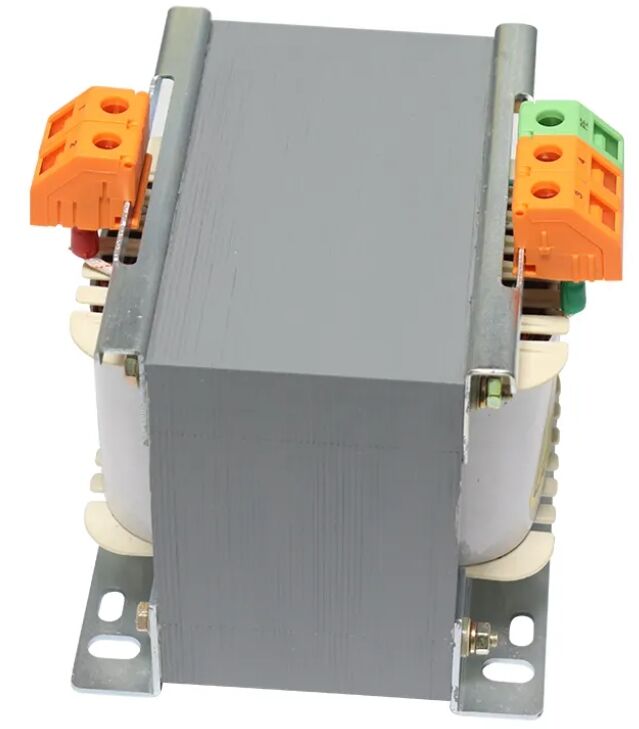
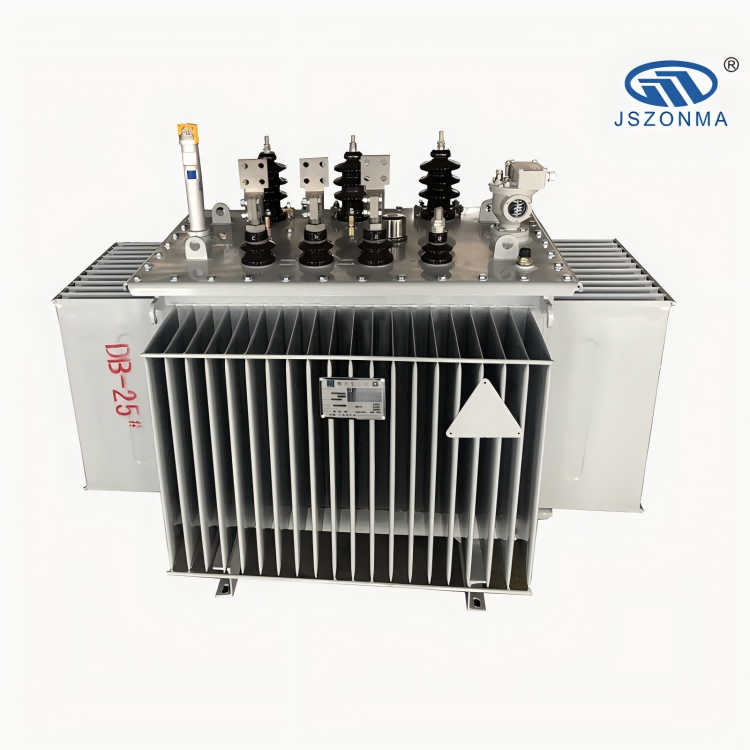
ប្រព័ន្ធចែកចាយថាមពលនៅទូទាំងសហគ្រាសឧស្សាហកម្ម និងបណ្តាញប្រយោជន៍ ពឹងផ្អែកយ៉ាងខ្លាំងលើបច្ចេកវិទ្យាត្រងស៊ីឡាំងដើម្បីធានាការគ្រប់គ្រងវ៉ុល និងការដាច់សរសៃអគ្គិភ័យដោយប្រសិទ្ធភាព។ សមាសភាគអគ្គិភ័យសំខាន់ៗទាំងនេះប្រឈមមុខនឹងបញ្ហាដំណើរការជាច្រើន ដែលអាចប៉ះពាល់ដល់ដំណើរការ សុវត្ថិភាព និងអាយុកាល។ ការយល់ដឹងអំពីបញ្ហាទូទៅ និងការអនុវត្តដំណោះស្រាយដែលមានប្រសិទ្ធភាព គឺជាកត្តាសំខាន់សម្រាប់ការថែរក្សាការហែលប្រព័ន្ធថាមពលដែលអាចទុកចិត្តបាន និងការការពារការរំខានដែលមានថ្លៃដើមខ្ពស់ក្នុងកម្មវិធីពាណិជ្ជកម្ម និងឧស្សាហកម្ម។
ការថយចុះនៃប្រព័ន្ធផ្តាច់សរសៃ និងការថែទាំ
មេកានិចនៃការថយចុះគុណភាពប្រេង
ប្រេងត្រាស្វូមទ័រមានមុខងារសំខាន់ៗជាច្រើនដូចជា ការដាច់សរសៃភ្លើង ការរាយកំដៅ និងការ العائقការផ្ទះះ។ តាមពេលវេលា ការប៉ះពាល់នឹងអុកស៊ីសែន សំណើម និងសីតុណ្ហភាពខ្ពស់ធ្វើឱ្យមានការបំបែកខាងគីមីនៃម៉ូលេគុលប្រេង។ ដំណើរការកំទេចកំទើយនេះនាំឱ្យកើតមានសារធាតុអាស៊ីត កាកទុក និងការថយចុះនៃស្ថេរភាពអ៊ីសូឡង់។ កម្មវិធីវិភាគប្រេងធម្មតាអាចរកឃើញសញ្ញាដំបូងនៃការថយចុះតាមរយៈការវិភាគឧស្ម័នរាវ ការធ្វើតេស្តមាតិកាសំណើម និងការវាស់វែងកម្រិតអាស៊ីត។
បច្ចេកទេសរាវរកទំនើបអនុញ្ញាតឱ្យអ្នកគ្រប់គ្រងសំណាក់ធ្វើការត្រួតពិនិត្យស្ថានភាពប្រេងដោយស្វ័យប្រវត្តិ និងកំណត់ពេលសម្រាប់សកម្មភាពថែទាំបង្ការមុនពេលដែលឈានដល់ដែនកំណត់សំខាន់ៗ។ ការធ្វើតេស្តនៅក្នុងមន្ទីរពិសោធន៍ ជាទូទៅពិនិត្យមើលប៉ារ៉ាម៉ែត្រដូចជា វ៉ុលបំបែកឌីអេឡិចត្រូនិច កត្តាអំណាច តម្លាភាពផ្ទៃប៉ះ និងកម្រិតការបំពុលដោយភាគល្អិច។ ការវាយតម្លៃទាំងនេះផ្តល់នូវការយល់ដឹងមានតម្លៃអំពីសុខភាពសរុបនៃប្រព័ន្ធការពារ ហើយជួយព្យាករណ៍អំពីអាយុកាលសេវាកម្មដែលនៅសល់។
យុទ្ធសាស្ត្រគ្រប់គ្រងការបំពុលដោយសារតែភាពជោគ
ការលិចទឹកតំណាងអោយកត្តាប្រថុយប្រថានធ្ងន់ធ្ងរបំផុតមួយចំពោះស្ថេរភាព និងសមត្ថភាពប្រតិបត្តិការរបស់ម៉ាស៊ីនបំលែងថាមពល។ សំណើមអាចចូលទៅក្នុងប្រព័ន្ធតាមផ្លូវផ្សេងៗដូចជាស៊ីលីកាខូច ប៉ោងប៉ោលមិនប្រក្រតី ប្រព័ន្ធយកខ្យល់មិនគ្រប់គ្រាន់ ឬផលប៉ះពាល់ពីការឡើងចុះសីតុណ្ហភាព។ ទោះបីជាមានទឹកប្រើប្រាស់បន្តិចបន្តួចក៏ដោយ ក៏វានឹងបន្ថយសមត្ថភាពធន់ទ្រាំឌីអ៊ែលីចត្រូវបានយ៉ាងខ្លាំង ហើយបំភាន់ដំណើរចាស់របស់ស្រទាប់ការពារប្រព័ន្ធផងដែរ។
ការគ្រប់គ្រងសំណើមប្រកបដោយប្រសិទ្ធភាពតម្រូវឱ្យមានវិធីសាស្ត្រច្រើនស្រទាប់ដែលរួមបញ្ចូលប្រព័ន្ធបិទជិតបានល្អ ឧបករណ៍បំបាត់សំណើមសកម្ម និងវិធានការត្រួតពិនិត្យជាប្រចាំ។ ឧបករណ៍យកខ្យល់ដោយស៊ីលីកា ប្រព័ន្ធគ្របដណ្តប់ដោយអាសូត និងប្រព័ន្ធសម្អាតប្រេងតាមអ៊ីនធឺណិតអាចជួយរក្សាថ្នាក់សំណើមនៅក្នុងកំរិតសមរម្យក្នុងអំឡុងពេលប្រតិបត្តិការធម្មតា។ នីតិវិធីឆ្លើយតបបន្ទាន់គួររួមបញ្ចូលសមត្ថភាពដំណើរការប្រេងយ៉ាងរហ័ស ដើម្បីដោះស្រាយករណីបំពុលធ្ងន់ធ្ងរដែលអាចគំរាមកំហែងដល់ស្ថេរភាពរបស់បរិក្ខារ។
ការគ្រប់គ្រងកំដៅ និងការបង្កើនប្រសិទ្ធភាពប្រព័ន្ធបំបាត់កំដៅ
ការបង្កើនប្រសិទ្ធភាពនៃការផ្ទេរកំដៅ
ការគ្រប់គ្រងកំដៅមានតួនាទីសំខាន់ក្នុងការរក្សាស្ថានភាពប្រតិបត្តិការឱ្យបានល្អបំផុត និងការពន្យារអាយុកាលបម្រើរបស់សម្ភារៈ។ សីតុណ្ហភាពខ្ពស់ពេកធ្វើឱ្យស្រទាប់ចាំងអាយុកាលខ្លីចុះ កើនឡើងនូវសំណើមរបស់ប្រេង ហើយអាចនាំឱ្យមានស្ថានភាពកំដៅកើនខុសធម្មតា។ ការរចនាប្រព័ន្ធធ្វើអោយត្រជាក់ត្រូវពិចារណាលើស្ថានភាពបន្ទុកអតិបរមា ការប្រែប្រួលសីតុណ្ហភាពបរិស្ថាន និងផលប៉ះពាល់នៃកំពស់ដែលប៉ះពាល់ដល់សមត្ថភាពរំសាយកំដៅ។
ប្រព័ន្ធធ្វើអោយត្រជាក់ទំនើបបានបញ្ចូលបច្ចេកវិទ្យាត្រួតពិនិត្យ និងគ្រប់គ្រងទំនើបដើម្បីបង្កើនប្រសិទ្ធភាពការផ្ទេរកំដៅ។ ការគ្រប់គ្រងម៉ាស៊ីនបូមដែលប្រែប្រួលល្បឿន ការគ្រប់គ្រងវ៉ែលរ៉ាឌីអេទ័រដោយវចនានុក្រមឆ្លាតវៃ និងក្បួនដោះស្រាយថែទាំជាមុន ជួយរក្សាប្រសិទ្ធភាពកំដៅឱ្យបានល្អបំផុត ខណៈពេលដែលកាត់បន្ថយការប្រើប្រាស់ថាមពល។ ការវិភាគអង្កត់កំដៅនៅតាមផ្នែកផ្សេងៗនៃ ម៉ាស៊ីនប្តូរអ៊ីល អាចកំណត់ចំណុចកំដៅដែលអាចកើតមាន ហើយណែនាំសកម្មភាពថែទាំដែលមានគោលបំណង។
ភាពអាចទុកចិត្តបាននៃប្រព័ន្ធបូម និងម៉ាស៊ីនបូម
គ្រឿងបរិក្ខារត្រជាក់បន្ថែម រួមទាំងបំបែកប្រេង និងប្រដាប់ត្រជាក់ត្រូវការការថែទាំជាប្រចាំ ដើម្បីធានាការដំណើរការដោយគ្មានកំហុសក្នុងកាលៈទេសៈដែលមានបន្ទុកខ្ពស់។ ការខូចខាតរបស់វ៉ាល់ ការថយចុះគុណភាពម៉ូទ័រ និងការខូចប្រព័ន្ធគ្រប់គ្រង អាចបំភ្លៃសមត្ថភាពត្រជាក់ ហើយនាំឱ្យមានការបិទបន្ទាន់បន្ទាន់។ ការអនុវត្តប្រព័ន្ធត្រជាក់បន្ថែម និងកម្មវិធីថែទាំដោយផ្អែកលើស្ថានភាព អាចជួយកាត់បន្ថយហានិភ័យនៃការរំខានដែលបណ្តាលមកពីកំដៅ។
ការត្រួតពិនិត្យការញ័រ ការថតរូបកំដៅ និងការវិភាគលំហូរប្រេង ផ្តល់នូវសញ្ញាព្រមានដំបូងអំពីបញ្ហាដែលអាចកើតមានក្នុងប្រព័ន្ធត្រជាក់។ កម្មវិធីថែទាំបង្ការគួររួមបញ្ចូលការបំប៉ោងវ៉ាល់ ការធ្វើតេស្តអ៊ីសូឡង់ម៉ូទ័រ និងការផ្ទៀងផ្ទាត់សៀគ្វីគ្រប់គ្រង។ ការគ្រប់គ្រងស្តុកគ្រឿងបន្លាស់ ធានាការស្តារឡើងវិញនូវសមត្ថភាពត្រជាក់ពេញលេញបន្ទាប់ពីការខូចខាតគ្រឿងបរិក្ខារ។
សមត្ថភាពអគ្គិសនី និងប្រព័ន្ធការពារ
ការរកឃើញ និងការដោះស្រាយបញ្ហាការបញ្ចេញចេញផ្នែក
សកម្មភាពបញ្ចេញចេញដោយផ្នែកខ្លះនៅក្នុងខ្សែរវិល និងប្រព័ន្ធផ្នែកដាច់ស្រយាលរបស់ម៉ាស៊ីនបំលែងប្រេង អាចបង្ហាញពីស្ថានភាពខូចខាតដែលកំពុងអភិវឌ្ឍ ហើយអាចនាំឱ្យមានការខូចខាតធ្ងន់ធ្ងរនាពេលអនាគត។ សាកល្បងអគ្គិភ័យទាំងនេះកើតឡើងនៅពេលដែលកម្មវិធីអគ្គិភ័យមានកំហាប់កើនឡើងលើសពីកម្លាំងបំបែករបស់សម្ភារៈដាច់ស្រយាល។ ប្រព័ន្ធតាមដានតាមអ៊ីនធឺណិតអាចរកឃើញ និងវិភាគគំរូនៃការបញ្ចេញចេញដោយផ្នែក ដើម្បីវាយតម្លៃស្ថានភាពផ្នែកដាច់ស្រយាល និងទស្សន៍ទាយតម្រូវការថែទាំ។
បច្ចេកទេសរោគវិនិច្ឆ័យទំនើប រួមទាំងការរកឃើញដោយអ៊្ល្រាសោនិក ការតាមដានប្រេកង់វិទ្យុ និងការវិភាគឧស្ម័នរាវ ជួយកំណត់ទីតាំង និងកម្រិតភាពធ្ងន់ធ្ងរនៃសកម្មភាពបញ្ចេញចេញដោយផ្នែក។ ការវិភាគនិន្នាការក្នុងរយៈពេលវែង អនុញ្ញាតឱ្យក្រុមការងារថែទាំបំបែកភាពខុសគ្នារវាងកម្រិតផ្ទៃខាងក្រោយធម្មតា និងស្ថានភាពខូចខាតកំពុងអភិវឌ្ឍ។ យុទ្ធសាស្ត្រឆ្លើយតបដែលសមស្រប អាចរួមមានការកាត់បន្ថយបន្ទុក ការតាមដានបន្ថែម ឬការបិទបន្តើមដោយមានគំរោងសម្រាប់ការត្រួតពិនិត្យ និងជួសជុលដោយលម្អិត។
ការសម្របសម្រួល និងការធ្វើតេស្តរបស់រ៉ីឡេការពារ
ការកំណត់រចនាសម្ព័ន្ធឧបករណ៍ការពារ និងគម្រោងសមទាត់គ្នាដោយត្រឹមត្រូវ គឺជាកត្តាសំខាន់សម្រាប់ការដាច់ខ្សែភ្លាមៗនៃការខូចខាត ខណៈពេលដែលរក្សាស្ថេរភាពប្រព័ន្ធ។ ការការពារត្រង់ស្វូរម៉ាស៊ីនប្រភេទប្រេង ជាទូទៅរួមមាន រ៉ូឡែកអធិបតេយ្យភាព ការពារលើសចរន្ត រ៉ូឡែកសម្ពាធឆាប់រហ័ស និងប្រព័ន្ធកំណត់ហេតុឧស្ម័នប៊្រើកហូល (Buchholz)។ ការធ្វើតេស្ត និងការកំណត់ការត្រួតពិនិត្យជាប្រចាំលើឧបករណ៍ការពារទាំងនេះ ធានាអំពីប្រតិបត្តិការដែលអាចទុកចិត្តបានក្នុងកាលៈទេសៈប្រព័ន្ធដែលមិនធម្មតា។
ប្រព័ន្ធរ៉ូឡែកឌីជីថលទំនើបផ្តល់នូវសមត្ថភាពរៀបចំរោគសញ្ញា និងច្រកបញ្ចូល-ចេញទំនាក់ទំនង ដែលគាំទ្រកម្មវិធីថែទាំបែបប្រវាក់ការ។ ការកត់ត្រាករណី ការកត់ហេតុលំដាប់លំដោយនៃព្រឹត្តិការណ៍ និងការវិភាគរូបក្រាហ្វិក ជួយកំណត់មូលហេតុដើមនៃប្រតិបត្តិការប្រព័ន្ធការពារ។ ការសិក្សាសមទាត់គ្នាគួរតែធ្វើបច្ចុប្បន្នភាពជាប្រចាំ ដើម្បីគណនាការផ្លាស់ប្តូរប្រព័ន្ធ និងរក្សាសមត្ថភាពការពារដែលមានភាពរហ័ស និងជ្រើសរើសបានល្អបំផុត។
ភាពពេញលេញរបស់ផ្នែកមេកានិច និងការវាយតម្លៃរចនាសម្ព័ន្ធ
ការត្រួតពិនិត្យស្ថានភាពធុង និងផ្នែកប៊ីចិង
សុវត្ថិភាពនៃប្រព័ន្ធផ្ទេរកំដៅប្រេង និងប៉ោងប៉ោលផ្ទះបានផ្ទៀងផ្ទាត់ដល់សុវត្ថិភាព និងស្ថេរភាពក្នុងរយៈពេលវែង។ ការប្រែប្រួលសីតុណ្ហភាព ការញ័រ និងកត្តាបរិស្ថានអាចបណ្តាលឱ្យស៊ីលីកុនខូច ចំណុចប្រទាក់ប្រេះ និងប៉ោងប៉ោលខូចសៀគ្វី។ ការត្រួតពិនិត្យដោយភ្នែក ការស្កេនកំដៅ និងការធ្វើតេស្តមេកានិចជាទៀងទាត់ អាចជួយរកឃើញបញ្ហាមុនពេលកើតមានការហូរប្រេង ឬការខូចប្រព័ន្ធភ្លើង។
ការធ្វើតេស្តសមាមាត្រថាមពលប៉ោងប៉ោល ការវាស់កំដែរភាព និងការវិភាគ tan delta ផ្តល់ការវាយតម្លៃបរិមាណនៃស្ថានភាពច្រករបាំងនៅក្នុងគ្រឿងបន្លាស់សំខាន់ទាំងនេះ។ ការតភ្ជាប់កុងតាក់ក្តៅ ការចូលទឹក និងការកើតជាកាបូននៅខាងក្នុង អាចរកឃើញតាមរយៈកម្មវិធីធ្វើតេស្តប្រព័ន្ធ។ យុទ្ធសាស្ត្រជំនួសបន្ទាប់ពីវាយតម្លៃស្ថានភាព អាចជួយការពារការខូចមិនបានរំពឹងទុក និងការបែកបាក់ប្រព័ន្ធដែលពាក់ព័ន្ធ។
ការវិភាគការញ័រ និងភាពតានតឹងនៃច្រក
ការរំភើបផ្នែកមេកានិចនៅក្នុងត្រង់ស្វូម៉ែរប្រេងអាចបង្ហាញពីការលោតចេញនៃសន្លឹកដែកកេណ្ឌ ការធ្វើចលនានៃខ្សែវេច ឬផលប៉ះពាល់ពីបាតុភូតម៉ាញ៉េតូស្ត្រីកធីវ (magnetostrictive) ក្រោមស្ថានភាពផ្ទុក។ ការរំភើបខ្លាំងពេកបណ្តាលឱ្យកើតការខូចខាតផ្នែកមេកានិច អាចបំផ្លាញស្រទាប់ចុះខ្សែ ហើយអាចបង្កើតសំលេងរំខានដែលប៉ះពាល់ដល់ទំនាក់ទំនងជាមួយសហគមន៍។ កម្មវិធីតាមដានការរំភើបតាមដានលក្ខណៈនៃកម្រិត និងប្រេកង់រំភើប ដើម្បីកំណត់បញ្ហាមេកានិចដែលកំពុងអភិវឌ្ឍ។
ការផ្ទៀងផ្ទាត់ភាពជាប់គ្នានៃដែកកេណ្ឌតាមរយៈការវាស់វែងកម្លាំង និងការតាមដានសំលេងអាកូសទិក ជួយរក្សាការបង្ហាប់មេកានិចឱ្យបានត្រឹមត្រូវសម្រាប់សន្លឹកដែកបន្សំ។ ប្រព័ន្ធកំដៅខ្សែវេចត្រូវការការត្រួតពិនិត្យជាប្រចាំ ដើម្បីធានាការចែកចាយសម្ពាធឱ្យបានសមស្រប និងការពារកុំឱ្យកើតចលនានៃអ្នកនាំចរណ៍ក្នុងអំឡុងពេលមានកំហុស។ បច្ចេកទេសវិភាគរចនាសម្ព័ន្ធអាចវាយតម្លៃចលតារបស់គ្រឿងបន្លាស់ត្រង់ស្វូម៉ែរទៅនឹងព្រឹត្តិការណ៍ផ្នែកដី និងការផ្ទុកក្នុងអំឡុងពេលដឹកជញ្ជូន។
សំណួរញឹកញាប់
តើមូលហេតុសំខាន់ៗណាដែលបណ្តាលឱ្យត្រង់ស្វូម៉ែរប្រេងបរាជ័យ?
មូលហេតុដែលជាទូទៅបំផុតនៃការខូចខាតរបស់ត្រងសាំងអ៊ីណោះរួមមានការធ្លាក់ចុះនៃសម្ភារៈច្រានដោយសារអាយុកាល និងសំពាធកំដៅ ការបំពុលដោយសារសំណើមដែលធ្វើឱ្យកម្លាំងអ៊ីចូរថយចុះ បញ្ហាមេកានិចដូចជាការតភ្ជាប់មិនជាប់ ឬការផ្លាស់ទីរបស់ចិញ្ចៀន និងកំហុសអគ្គិសនីដូចជាសកម្មភាពបញ្ចេញភ្លើងផ្នែក។ កម្មវិធីថែទាំជាប្រចាំដែលផ្តោតលើការវិភាគប្រេង ការគ្រប់គ្រងកំដៅ និងការធ្វើតេស្តប្រព័ន្ធការពារ អាចបន្ថយឱកាសនៃការខូចប្រភេទទាំងនេះបានយ៉ាងខ្លាំង។
តើគួរធ្វើការពិនិត្យ និងផ្លាស់ប្តូរប្រេងត្រាន់ស្វើមនៅពេលណា
ប្រេកង់នៃការធ្វើតេស្តប្រេងត្រងសាំងអាស្រ័យលើអាយុសម្ភារៈ លក្ខខណ្ឌនៃការទាញយក និងកត្តាបរិស្ថាន ប៉ុន្តែជាទូទៅមានចាប់ពីរៀងរាល់ត្រីមាសទៅរៀងរាល់ឆ្នាំសម្រាប់ការវិភាគប្រចាំថ្ងៃ។ ប៉ារ៉ាម៉ែត្រសំខាន់ៗដូចជាមាតិកាឧស្ម័នរលាយ កំរិតសំណើម និងកម្លាំងអ៊ីចូរ គួរតែត្រូវបានតាមដានឱ្យបានញឹកញាប់ជាងនេះក្នុងអំឡុងពេលដែលបន្ទុកធ្ងន់ ឬបន្ទាប់ពីមានការរំខានប្រព័ន្ធ។ ការផ្លាស់ប្តូរប្រេងទាំងស្រុងត្រូវការជាទូទៅរៀងរាល់ 15-25 ឆ្នាំ ទោះបីជាការតម្រង និងការសម្អាតប្រភេទខ្ពស់អាចពន្យារអាយុកាលបម្រើការងារបានយ៉ាងច្រើនក៏ដោយ។
អ្វីជាការអនុវត្តការថែទាំដែលអាចបន្លាយអាយុកាលប្រើប្រាស់របស់ត្រង់ស្វើម៉ា?
ការអនុវត្តការថែទាំដែលមានប្រសិទ្ធភាពរួមមានការវិភាគ និងការសម្អាតប្រេងជាប្រចាំ ការត្រួតពិនិត្យសីតុណ្ហភាព និងបង្កើនប្រសិទ្ធភាពប្រព័ន្ធកំដៅ ការគ្រប់គ្រងសំណើមតាមរយៈប្រព័ន្ធបិទជិត និងប្រព័ន្ធដកដង្ហើមដែលសមស្រប ការធ្វើតេស្ត និងការកំណត់រ៉ីឡេការពារ និងកម្មវិធីវាយតម្លៃស្ថានភាពដ៏ទូលំទូលាយ។ យុទ្ធសាស្ត្រថែទាំបែបប្រេកាន់ទុកជាមុនដោយប្រើបច្ចេកទេសរ៉ឺសើរអាចកំណត់បញ្ហាដែលកំពុងកើតមាននៅដំណាក់កាលដំបូង ហើយអនុញ្ញាតឱ្យធ្វើការជ្រៀតជ្រែកតាមផែនការ ដើម្បីការពារការខូចខាតបន្ទាន់ និងបន្លាយអាយុកាលប្រើប្រាស់របស់បរិក្ខារ។
តើសំណាក់អាចបង្កើនប្រសិទ្ធភាព និងភាពអាចទុកចិត្តបានរបស់ត្រង់ស្វើម៉ាប្រេងដោយរបៀបណា
ការបង្កើនសមត្ថភាពដំណើរការទាមទារឱ្យមានវិធីសាស្ត្រផ្សំផ្សាជាមួយការអនុវត្តការផ្ទុកដែលគោរពដោយកំណត់សីតុណ្ហភាព ការគ្រប់គ្រងបរិស្ថានដែលកាត់បន្ថយការបំពុល និងការចូលមកនៃសំណើម កម្មវិធីត្រួតពិនិត្យប្រព័ន្ធដោយប្រើឧបករណ៍វិភាគទានទំនើប និងយុទ្ធសាស្ត្រថែទាំជាមុនដោយផ្អែកលើស្ថានភាពសម្ភារៈជាជាងកាលវិភាគថេរ។ ការវិនិយោគលើប្រព័ន្ធត្រួតពិនិត្យតាមអ៊ីនធឺណិត និងការបណ្តុះបណ្តាលបុគ្គលិកក្នុងបច្ចេកទេសវិភាគ ជាទូទៅផ្តល់ផលត្រឡប់យ៉ាងល្អតាមរយៈការកើនឡើងនៃភាពអាចទុកចិត្តបាន និងការថយចុះនៃថ្លៃដើមថែទាំ។