 EN
EN

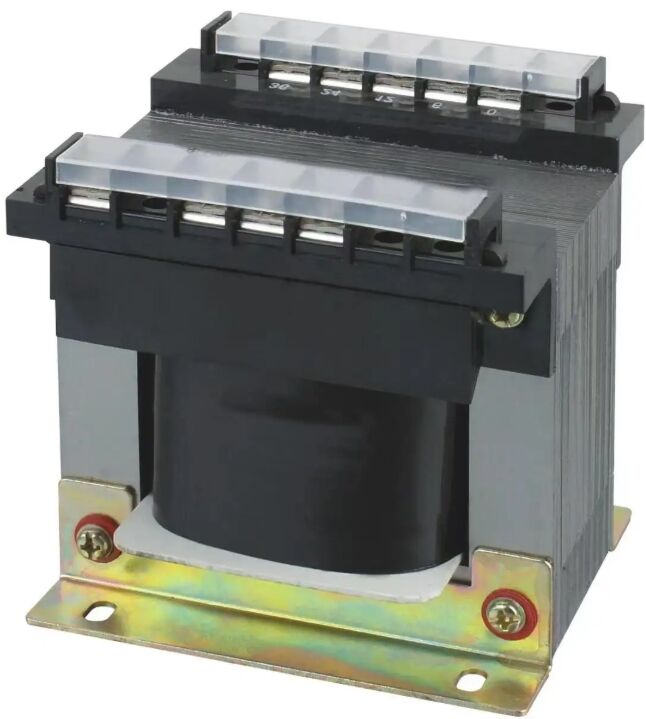
Installing a dry transformer requires meticulous planning, adherence to safety protocols, and comprehensive understanding of electrical systems. These essential power distribution components serve critical roles in industrial facilities, commercial buildings, and infrastructure projects worldwide. A dry transformer operates without oil or other liquid coolants, making it safer for indoor installations and environmentally sensitive locations. The installation process demands expertise in electrical engineering, proper equipment handling, and strict compliance with national and local electrical codes. Modern dry transformer technology offers superior reliability, reduced maintenance requirements, and enhanced safety features compared to traditional oil-filled alternatives. Professional installation ensures optimal performance, longevity, and protection of both equipment and personnel throughout the operational lifecycle.
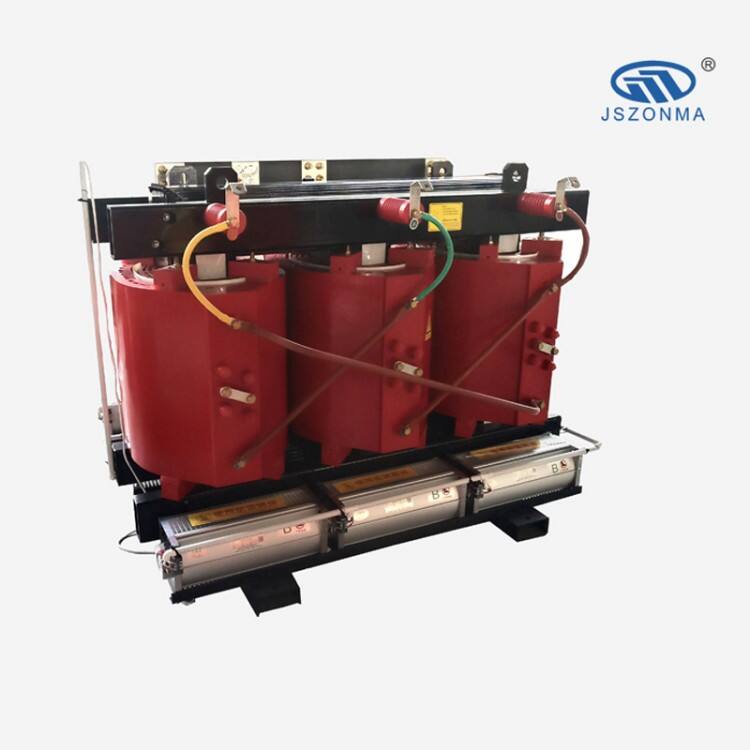
Pre-Installation Planning and Site Assessment
Electrical Load Analysis and System Requirements
Conducting thorough electrical load analysis forms the foundation of successful dry transformer installation. Engineers must evaluate current demand, anticipated future growth, and peak load conditions to select appropriate transformer capacity. The dry transformer rating should accommodate both steady-state operations and temporary overload conditions without compromising safety or efficiency. System voltage requirements, including primary and secondary voltage levels, must align with facility power distribution architecture. Proper load calculations prevent undersizing that leads to overheating and premature failure, while oversizing results in unnecessary capital expenditure and reduced efficiency.
Power quality considerations play crucial roles in dry transformer selection and installation planning. Harmonic distortion, voltage fluctuations, and transient conditions affect transformer performance and longevity. Modern facilities with variable frequency drives, LED lighting, and electronic equipment generate harmonic currents that require specialized dry transformer designs. K-factor ratings indicate the transformer's ability to handle non-linear loads without derating. Installation teams must coordinate with electrical consultants to ensure compatibility between the dry transformer specifications and existing power distribution infrastructure.
Site Preparation and Environmental Considerations
Environmental conditions significantly impact dry transformer performance and installation requirements. Ambient temperature, humidity levels, altitude, and ventilation directly influence cooling capacity and operational efficiency. The installation location must provide adequate clearances for heat dissipation, maintenance access, and safety compliance. Indoor installations require proper ventilation systems to remove heat generated during normal operations. Temperature rise calculations determine minimum clearance distances from walls, ceilings, and adjacent equipment to prevent overheating conditions.
Seismic considerations become critical in earthquake-prone regions where dry transformer installations require special mounting systems and bracing. Foundation design must support the transformer weight while accommodating thermal expansion and mechanical vibrations. Corrosive environments, such as chemical processing facilities or coastal locations, demand enhanced protection through specialized enclosures and coating systems. The dry transformer installation site should minimize exposure to dust, moisture, and contaminants that could affect insulation integrity and cooling efficiency over time.
Safety Protocols and Regulatory Compliance
National Electrical Code Requirements
National Electrical Code compliance ensures safe and legal dry transformer installations throughout the United States. Article 450 specifically addresses transformer installation requirements, including overcurrent protection, grounding, and ventilation specifications. Primary and secondary overcurrent protection must be properly sized and coordinated to provide selective fault clearing without nuisance tripping. The dry transformer installation must include appropriate disconnecting means accessible to operating personnel while maintaining safe working clearances.
Grounding systems require careful attention to ensure personnel safety and equipment protection. The dry transformer secondary neutral must be properly grounded according to system configuration requirements. Equipment grounding conductors provide fault current paths and enable protective devices to operate correctly during ground fault conditions. Bonding requirements ensure electrical continuity between metallic components and grounding electrode systems. Installation documentation must demonstrate code compliance through proper labeling, circuit identification, and as-built drawings.
Personal Protective Equipment and Work Safety
Installation personnel must utilize appropriate personal protective equipment throughout the dry transformer installation process. Arc-rated clothing, insulated tools, and voltage-rated gloves provide essential protection during electrical work. Lockout/tagout procedures prevent accidental energization during installation activities. Safety boundaries around the work area protect both workers and bystanders from electrical hazards. Emergency response procedures must be established and communicated to all installation team members before work begins.
Crane operations and heavy equipment handling require specialized safety protocols during dry transformer positioning. Rigging calculations ensure adequate lifting capacity with appropriate safety factors. Certified crane operators and riggers must oversee all lifting operations. Ground conditions, overhead clearances, and weather conditions affect safe lifting operations. Emergency medical response capabilities should be readily available throughout the installation process, particularly during high-risk activities involving electrical systems and heavy equipment.
Installation Procedures and Technical Requirements
Mechanical Installation and Positioning
Proper mechanical installation begins with accurate positioning of the dry transformer according to approved drawings and specifications. Foundation requirements typically include reinforced concrete pads designed to support the full weight plus dynamic loads. Vibration isolation may be necessary in sensitive environments to prevent transmission of mechanical noise through building structures. Anchor bolts must be properly torqued to manufacturer specifications while allowing for thermal expansion during operation.
Clearance requirements ensure adequate ventilation and maintenance access around the dry transformer installation. Minimum clearances vary based on voltage ratings, cooling requirements, and applicable codes. Top clearances accommodate heat dissipation and potential maintenance activities. Side clearances provide access for connection work and routine inspections. Front clearances ensure safe approach distances for operating personnel and emergency response activities. Proper positioning facilitates future maintenance while maintaining operational safety.
Electrical Connections and Terminations
Electrical connections represent critical aspects of dry transformer installation requiring precision and expertise. Primary connections must accommodate system voltage levels while providing reliable long-term performance. Cable terminations require proper torque specifications to prevent loose connections that generate heat and create failure points. Phase sequence verification ensures correct rotation for three-phase systems serving motor loads. Connection hardware must be compatible with conductor materials and environmental conditions.
Secondary connections distribute power to downstream electrical systems through properly sized conductors and protection devices. Neutral connections require careful attention to grounding system configuration and load balancing. Testing procedures verify connection integrity through resistance measurements and thermal imaging. Documentation of all electrical connections supports future maintenance and troubleshooting activities. Quality control measures ensure installation consistency and long-term reliability.
Testing and Commissioning Procedures
Pre-Energization Testing Requirements
Comprehensive testing procedures verify dry transformer installation quality before initial energization. Insulation resistance testing confirms adequate dielectric strength between windings and ground. Turns ratio testing verifies proper transformer construction and connection integrity. Polarity testing ensures correct phase relationships for parallel operation or system integration. These tests identify potential installation defects before they cause equipment damage or safety hazards.
Visual inspection procedures examine all aspects of the dry transformer installation for compliance with specifications and codes. Connection tightness, clearance verification, and component condition assessment prevent future problems. Grounding system continuity testing ensures proper fault current paths. Protection device coordination studies verify that overcurrent devices provide appropriate protection without unnecessary interruptions. Documentation of all test results supports warranty claims and regulatory compliance requirements.
Energization and Performance Verification
Initial energization of dry transformer installations follows systematic procedures to minimize risk and verify proper operation. Primary voltage application should occur gradually while monitoring secondary voltage output and current levels. Temperature measurements during initial operation confirm adequate cooling and normal thermal performance. Load testing validates transformer capacity and efficiency under actual operating conditions.
Performance verification includes measurement of no-load losses, impedance values, and temperature rise characteristics. These measurements confirm that the dry transformer meets specification requirements and operates within acceptable parameters. Harmonic analysis may be necessary in facilities with significant non-linear loads. Long-term monitoring systems can provide continuous performance data and early warning of potential problems. Proper commissioning ensures optimal dry transformer performance throughout its operational lifetime.
Maintenance Planning and Operational Considerations
Preventive Maintenance Strategies
Effective maintenance planning extends dry transformer service life while maintaining optimal performance and reliability. Scheduled inspections identify potential problems before they cause failures or safety hazards. Cleaning procedures remove dust and debris that impede cooling and create tracking paths. Connection tightening prevents loose joints that generate heat and cause deterioration. Temperature monitoring systems provide early warning of abnormal conditions requiring immediate attention.
Insulation testing at regular intervals tracks deterioration trends and predicts remaining service life. Infrared thermography identifies hot spots that indicate connection problems or internal faults. Vibration analysis can detect mechanical problems in cooling fans or structural components. Documentation of maintenance activities supports warranty claims and regulatory compliance. Preventive maintenance programs typically cost significantly less than emergency repairs or premature replacement.
Performance Monitoring and Optimization
Modern dry transformer installations benefit from advanced monitoring systems that track key performance parameters continuously. Temperature sensors monitor winding and ambient conditions to optimize loading and prevent overheating. Power quality analyzers identify harmonic distortion and voltage regulation issues. Load monitoring systems track utilization patterns and identify opportunities for efficiency improvements.
Energy efficiency optimization involves proper loading, power factor correction, and harmonic mitigation strategies. Dry transformer efficiency varies with load level, typically peaking at 50-75% of rated capacity. Proper sizing during installation ensures optimal efficiency throughout the operational range. Regular efficiency measurements verify continued performance and identify degradation trends. Modern dry transformer designs incorporate advanced materials and construction techniques that maximize efficiency while minimizing environmental impact.
FAQ
What are the minimum clearance requirements for dry transformer installations
Dry transformer clearance requirements vary based on voltage rating and cooling method but typically require minimum 3-foot clearances on accessible sides and 6-12 inches on non-accessible sides. Ventilated dry transformers need additional clearance above the unit for heat dissipation, usually 6-12 feet depending on capacity. These requirements ensure adequate cooling airflow, maintenance access, and safety compliance with national electrical codes and manufacturer specifications.
How do I determine the correct capacity for a dry transformer installation
Proper dry transformer sizing requires comprehensive load analysis including connected load inventory, demand factors, future growth projections, and duty cycle considerations. Calculate the total connected load, apply appropriate demand factors based on load type, add safety margins for contingencies, and consider ambient temperature effects on capacity. Professional electrical engineers should perform load studies for critical applications to ensure adequate capacity without excessive oversizing that reduces efficiency and increases costs.
What testing is required before energizing a newly installed dry transformer
Pre-energization testing includes insulation resistance testing between windings and ground, turns ratio verification, polarity testing, and continuity checks of all connections. Visual inspection confirms proper installation, adequate clearances, and secure mounting. Grounding system testing verifies proper fault current paths. Protection device settings must be verified and coordinated. All test results should be documented and compared to manufacturer specifications before initial energization.
What are the key differences between dry transformer and oil-filled transformer installations
Dry transformer installations eliminate oil containment requirements, environmental spill concerns, and fire suppression system complications associated with oil-filled units. However, dry transformers require more ventilation for cooling and have different clearance requirements. Installation costs are typically lower due to simplified foundation requirements and reduced environmental protection measures. Dry transformers are preferred for indoor installations, high-rise buildings, and environmentally sensitive locations where oil spill risks are unacceptable.
Table of Contents
- Pre-Installation Planning and Site Assessment
- Safety Protocols and Regulatory Compliance
- Installation Procedures and Technical Requirements
- Testing and Commissioning Procedures
- Maintenance Planning and Operational Considerations
-
FAQ
- What are the minimum clearance requirements for dry transformer installations
- How do I determine the correct capacity for a dry transformer installation
- What testing is required before energizing a newly installed dry transformer
- What are the key differences between dry transformer and oil-filled transformer installations