EN
EN

1. What Is a Distribution Transformer?
A distribution transformer, often shortened to "distribution transformer" or "DT," is a static electrical device that converts voltage levels in a power distribution system based on the principle of electromagnetic induction. It typically operates at voltage levels ranging from 10kV to 35kV with a capacity of 6300kVA or below, directly supplying power to end-users. In simple terms, a distribution transformer acts as the "voltage converter" between the medium-voltage power grid and the end-user—stepping down medium-voltage electricity to low-voltage levels such as 400V/220V for residential, commercial, and light industrial use. Whether you are in an urban residential complex, an industrial park, or a rural power network, the distribution transformer is the critical equipment at the end of the power supply system.
2. Types of Distribution Transformers
Distribution transformers can be classified along multiple dimensions. It is important to clarify the application scenario before selecting the right type:
2.1 By Insulation and Cooling Method
- Oil-Immersed Transformer: Uses mineral oil as both insulating and cooling medium. It is cost-effective, offers low losses, provides good cooling performance, and has strong adaptability, making it widely used in distribution networks. Oil-immersed transformers can be further divided into non-sealed, sealed, and hermetically sealed types. Typical models include the S11 series and amorphous alloy core transformers.
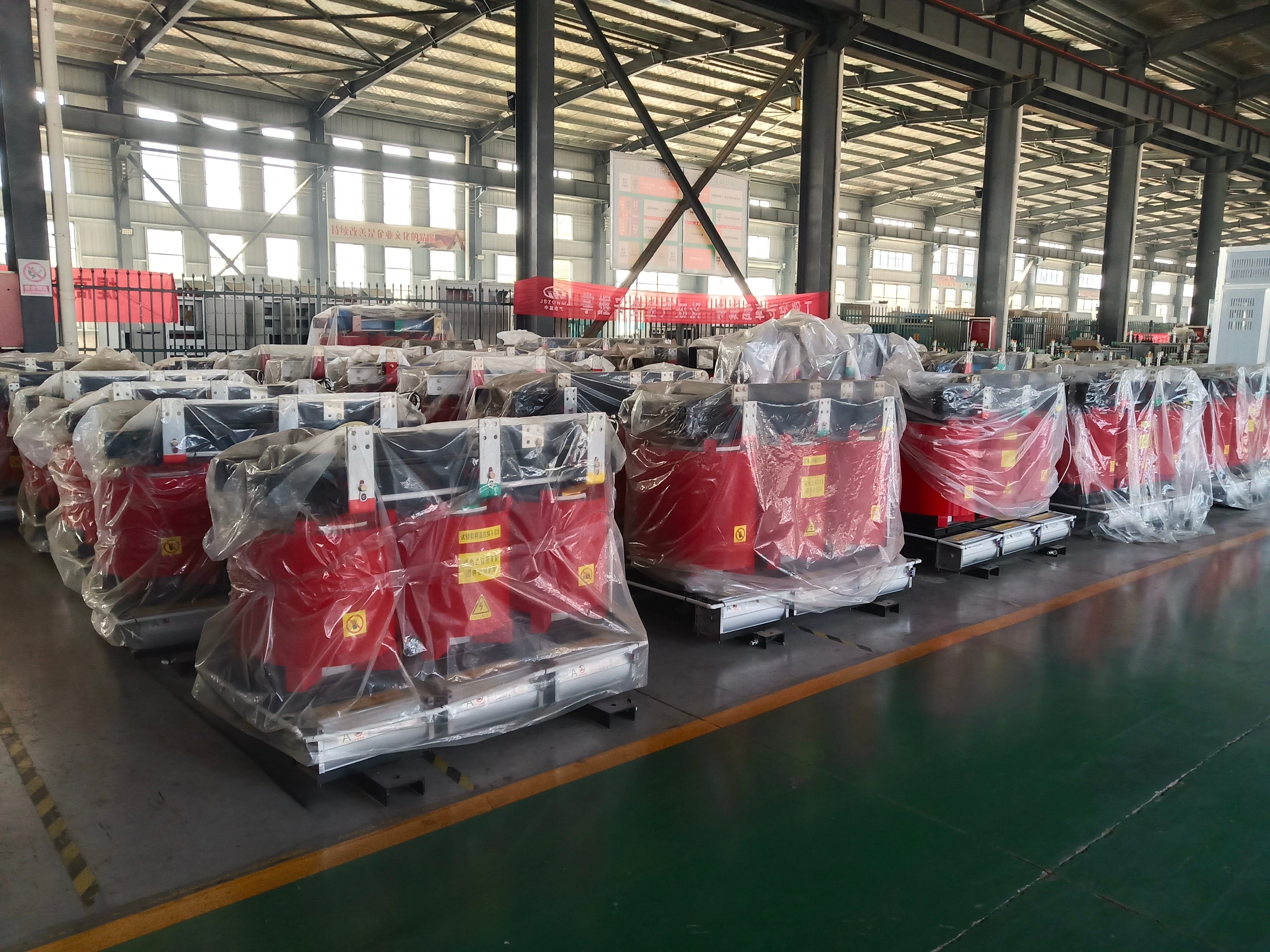
- Dry-Type Transformer: Uses epoxy resin casting for insulation. It contains no flammable oil, poses no fire or explosion risk, offers excellent fire resistance, and requires minimal maintenance. Dry-type transformers are primarily used in indoor settings such as high-rise buildings, data centers, and commercial centers. However, they are relatively more expensive and not suitable for outdoor installation.
2.2 By Voltage Regulation Method
- Off-Circuit Tap-Changing (DETC): Requires the transformer to be de-energized when adjusting taps. Suitable for applications where voltage stability is not a critical requirement.
- On-Load Tap-Changing (OLTC): Allows tap changes while the transformer is energized and carrying load. Suitable for applications where continuity of power supply is a high priority.
2.3 By Connection Group
For residential and commercial buildings, the Dyn11 connection group is recommended. This configuration effectively suppresses third harmonics, reduces zero-sequence impedance, increases single-phase short-circuit current, and improves the responsiveness of protection devices.
2.4 By Installation Location
Distribution transformers are categorized as indoor or outdoor types. Outdoor installations are further classified as pole-mounted (typically 30kVA and below, using a single pole), platform-mounted (above 315kVA), and pad-mounted (including prefabricated compact substations).
3. Why Does a Distribution Transformer Need Condition Monitoring?
The necessity of distribution transformer condition monitoring stems from several practical factors:
3.1 Aging Equipment Fleet
According to the "Distribution Network Operation Status White Paper" published by the China Electric Power Research Institute in 2025, the installed base of 10kV and below distribution transformers in China has exceeded **45 million units**, with **32%** having been in service for more than 15 years. Traditional manual inspections, conducted only once or twice per month, are insufficient to detect hidden equipment faults in a timely manner.
3.2 Wide Impact of Failures
Transformer-related failures account for 47% of the total outage duration in distribution networks each year. With the large-scale integration of distributed photovoltaic systems, EV charging stations, and other new types of loads, the operational complexity of distribution transformers has increased significantly.
3.3 Shift from "Reactive Repair" to "Proactive Prevention"
The traditional model of periodic maintenance and post-fault repair can no longer meet the demands for high-reliability power supply. Online condition monitoring systems enable 24/7 real-time monitoring, moving the fault handling window forward and substantially reducing the risk of unplanned outages.
4. What Parameters Should Be Monitored in a Distribution Transformer?
Monitoring parameters for distribution transformers typically cover the following key dimensions:
4.1 Oil Temperature Monitoring
High-precision platinum resistance sensors are mounted on the top oil conservator or the outer shell corresponding to the winding position to track oil temperature change rates in real time. When the oil temperature exceeds the threshold or the temperature rise rate is abnormal, an alarm is triggered to provide early warning of overheating risks. The accuracy of temperature sensors should reach ±0.5°C.
4.2 Load Monitoring
Split-core current transformers are used to collect three-phase current data from the transformer, enabling real-time calculation of load factor and three-phase imbalance. A warning is triggered when the load exceeds 80% of the rated capacity, and an emergency alarm is issued when it exceeds 120%.
4.3 Voltage Quality Monitoring
Three-phase voltage data on the low-voltage side are simultaneously collected to generate statistics on voltage deviation, violation duration, and compliance rate. These reports can be directly formatted to meet the requirements of State Grid and China Southern Power Grid.
4.4 Dissolved Gas Analysis (DGA)
Gas chromatography is used to detect the composition and concentration of gases dissolved in transformer oil. This is a critical method for early detection of latent faults such as internal overheating and arcing.
4.5 Partial Discharge Detection
Ultrasonic sensors or ultra-high frequency (UHF) antenna technology are used to capture partial discharge signals, identifying winding insulation defects.
In addition, distribution transformer online monitoring systems typically adopt non-intrusive designs—split-core CTs for current sampling and surface-mounted temperature sensors—allowing for live installation without interrupting normal power supply.
5. How to Select a High-Quality Distribution Transformer?
When selecting a distribution transformer, the following factors should be carefully evaluated:
5.1 Accurate Capacity Sizing
Calculate the total load of all electrical equipment, taking into account the demand factor, load factor, and projected load growth over the next 3–5 years. The optimal load factor for a transformer typically falls between 60% and 80%. Oversizing increases no-load losses, while undersizing may lead to overload failures.
5.2 Pay Attention to the Connection Group
For residential and commercial applications, the Dyn11 connection group is recommended. It effectively suppresses third harmonics, reduces zero-sequence impedance, and enhances single-phase short-circuit protection capability.
5.3 Choose the Cooling Method Based on Installation Environment
- Outdoor, humid environments with cost sensitivity: Prioritize oil-immersed transformers, which offer superior heat dissipation and strong adaptability.
- Indoor installations with specific fire safety requirements: Choose dry-type transformers, gas-insulated transformers, or non-flammable liquid-insulated transformers.
5.4 Prioritize Energy Efficiency
Give preference to Tier 1 or Tier 2 energy efficiency** transformers. While the initial purchase cost is higher, the long-term energy savings are substantial and can quickly recover the price premium.
5.5 Select a Reliable Supplier
Give priority to manufacturers with proven production qualifications, strong technical capabilities, and a solid market reputation. When signing a contract, ensure that warranty terms and after-sales response times are clearly specified.
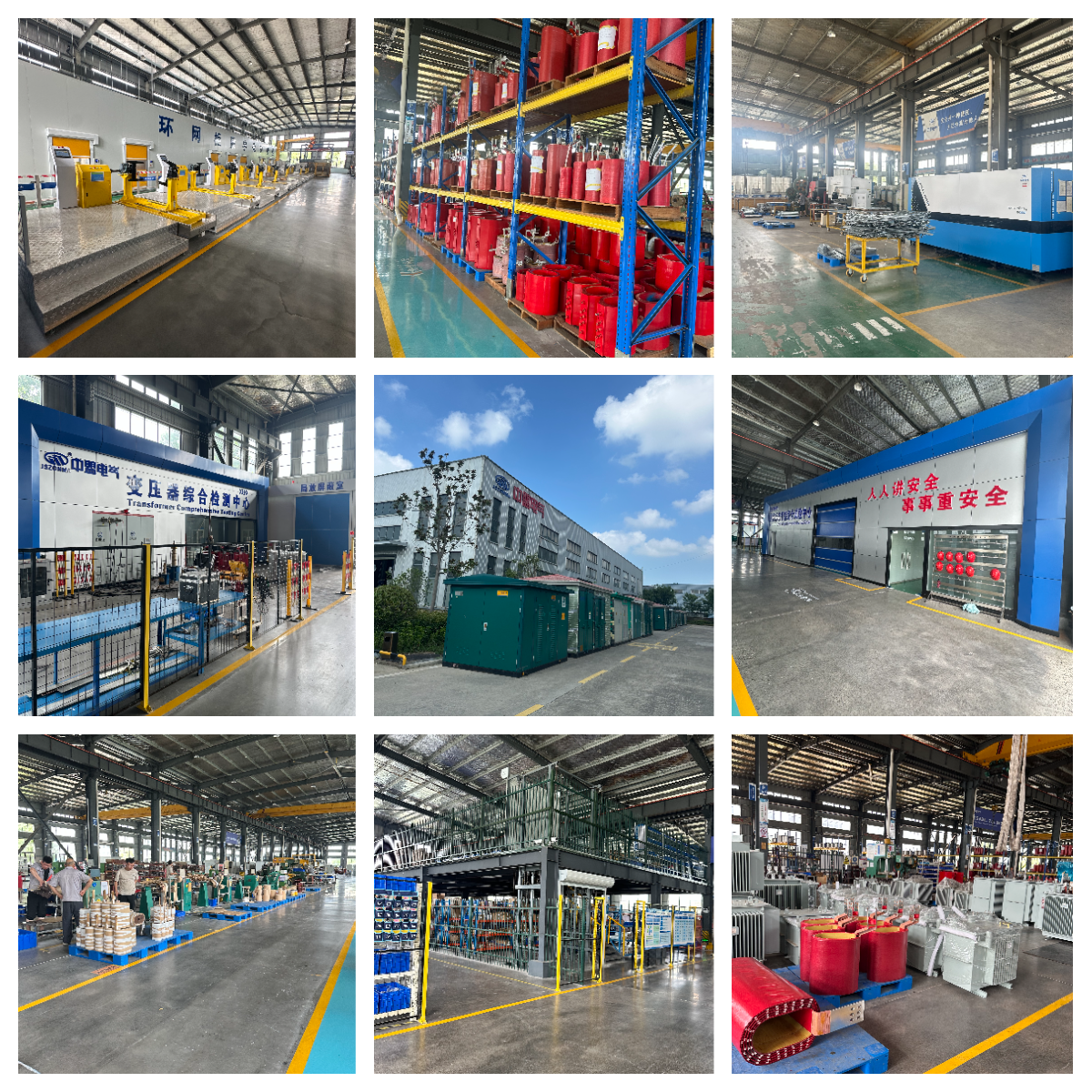
Special Note from Jiangsu Unita Electric Equipment Co., Ltd. :
Our oil-immersed distribution transformers come with pre-reserved standard sensor mounting interfaces that seamlessly integrate with mainstream online monitoring systems, enabling you to achieve rapid deployment of distribution transformer condition monitoring. Whether you need basic temperature and load monitoring or a comprehensive DGA and partial discharge solution, we offer customizable configuration services tailored to your specific requirements.
If you have particular monitoring needs or questions regarding product selection, please feel free to inquire about our customized configuration solutions. Our team is ready to provide professional technical support and one-on-one consultation.
6. FAQ
Q1: Will installing an online condition monitoring device affect the normal operation of the transformer?
No. Monitoring devices that comply with industry standards use **non-intrusive designs**—split-core current transformers and surface-mounted sensors. They can be installed live without any modification to the transformer's internal wiring and do not affect normal power supply.
Q2: What is the measurement deviation between oil temperature monitoring data and manual measurements?
Devices from reputable manufacturers meet standard accuracy requirements, with an error margin of no more than ±0.5°C—comparable to manual infrared temperature measurement and more stable over long-term operation.
Q3: Is there still a significant gap between domestic and imported monitoring systems?
In terms of core monitoring functions and data acquisition accuracy, leading domestic brands are now fully capable of meeting the needs of all levels of distribution networks. Moreover, they offer advantages in after-sales responsiveness, spare parts availability, and customization services.
Q4: Do we need to implement full-scope monitoring all at once?
Not necessarily. A phased deployment strategy is recommended: start with the three basic dimensions of oil temperature, load, and voltage in the first phase, then gradually expand to include partial discharge and DGA after the system is stable. The key is to choose a platform-based, scalable system architecture.
Q5: Can online monitoring data be directly interfaced with existing utility grid systems?
Yes. Mainstream systems support standard communication protocols such as Modbus and IEC 61850, enabling seamless integration with existing substation automation platforms and distribution dispatch systems.
7. Conclusion
Distribution transformer condition monitoring is a core direction in the intelligent upgrade of distribution networks. When selecting a system, start with actual operational needs and evaluate from four dimensions: monitoring parameters, system compatibility, diagnostic capabilities, and supplier service capabilities. Prioritize platform-based products with independent R&D capability, standard protocol support, and mature diagnostic functions. A balanced approach to monitoring parameters—optimizing performance while controlling costs—is the key to achieving a substantial shift from "reactive repair" to "proactive prevention" in distribution network maintenance.
Jiangsu Unita Electric Equipment Co., Ltd. —specializing in the manufacture of high-quality oil-immersed distribution transformers with built-in intelligent monitoring readiness. Partner with us to accelerate your distribution network's digital transformation. Contact us today for your customized product selection solution.