 EN
EN
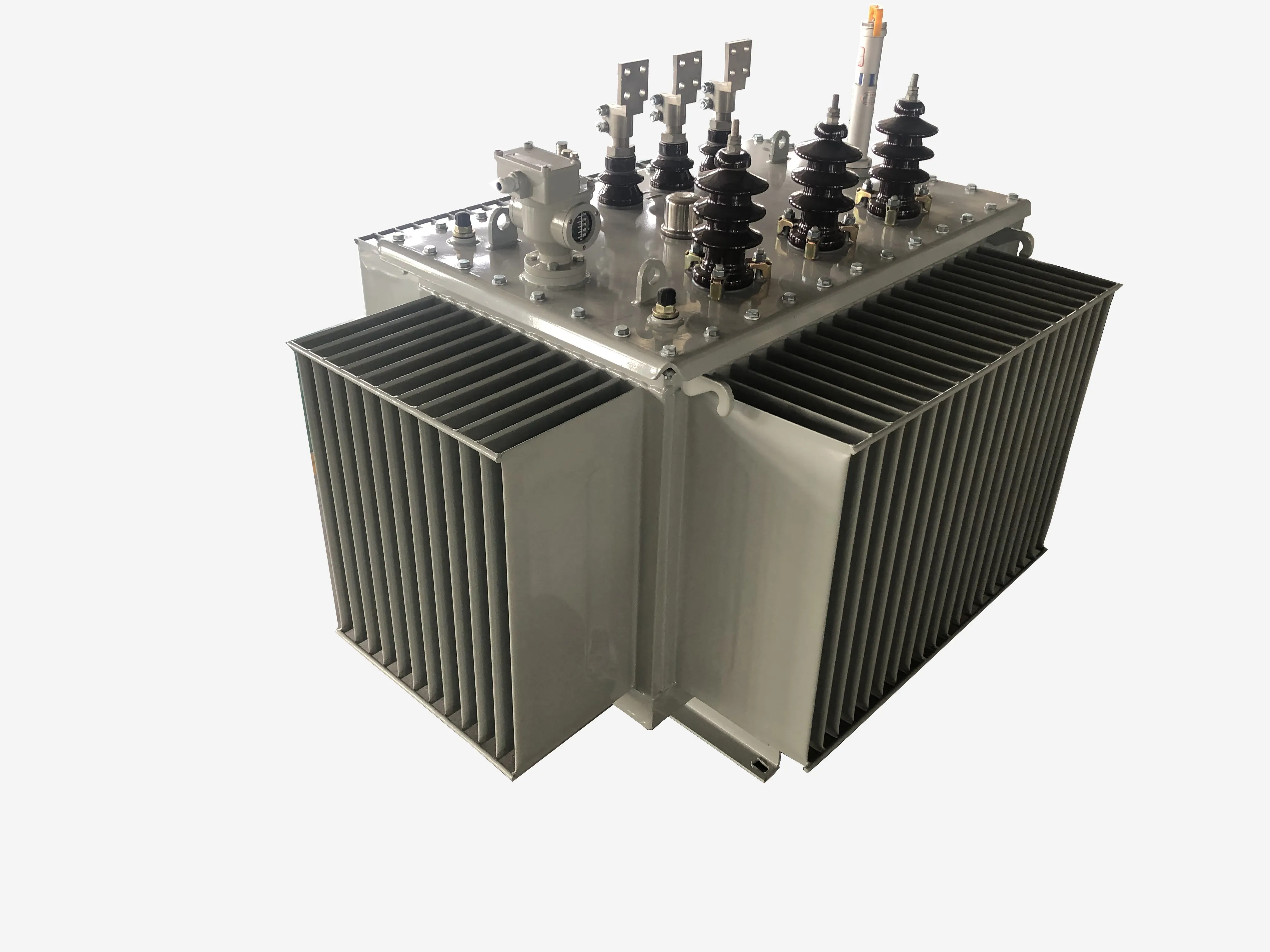
Global energiya aralashmasi barqaror kelajakka qaratilganda, elektr energiyasini ishlab chiqarishni qo'llab-quvvatlaydigan infratuzilma ham rivojlanishi kerak. Quruq turdagi transformatorlar ichki shahod sharoitida a'lo natija beradi, lekin suvda turuvchi Transformerlar quyosh, shamol va gidroelektr energiyasi kabi keng ko'lamli qayta tiklanadigan energiya loyihalarida moy bilan to'ldirilgan transformatorlar hali ham qayta tiklanadigan energiya sohasining nozik asosi hisoblanadi.
2026-yilda qayta tiklanadigan manbalarning o'zgaruvchan xususiyati tufayli tarmoq barqarorligi murakkablashganda, moy bilan to'ldirilgan birliklarning maxsus xususiyatlari hech qachon shu qadar muhim bo'lmagan.
1. O'zgaruvchan yuklar uchun yuqori darajadagi issiqlik tarqatish
Qayta tiklanadigan energiya ishlab chiqarish deyarli doimiy bo'lmaydi.
Tabiiy konveksiya: Mineral moy yoki tabiiy efir lar juda samarali sovutgich sifatida ishlaydi.
Suyuqlik o'ramlar va sovutish plastinkalaridan o'tib, havoda sovutiladigan (quruq) tizimlarga nisbatan ancha tezroq issiqlikni tarqatadi. Ko'p yuk quvvati: Moy bilan siqilgan qurilmalar vaqtinchalik yuk ortishi bilan samaraliroq bosh qiladi.
Moyning issiqlik massasi "bufer" vazifasini bajaradi va transformatorga izolyatsiya shikastlanishsiz issiqlik zudlikda oshishini so'ngib olish imkonini beradi — bu xususiyat shamol guruchlari kuchayganda quvvatda birdanlikda oshish sodir bo'lganda juda muhim.
2. Qattiq uzoq masofadagi muhitlarga chidamlilik
Aksariyat tiklanuvchi energiya loyihalari elementlar eng qattiq joylarda joylashgan: dengiz ustidagi shamol elektr stansiyalari, quruq cho'llar yoki balandlikdagi tog' tizmalarida.
-
Germetik zichlangan himoya: Moy bilan siqilgan transformatorning yadrosi va chulg'amlari to'liq moy ichiga botirilgan va zichlab yopilgan.
Bu ularni quyidagilardan himoya qiladi: Туз юзги dengiz ustidagi muhitlarda.
Qum va chang cho'llardagi quyosh elektr stansiyalarida.
Kam tarqaluvli tropik gidroelektr stansiyalari joylarida.
Korroziyaga qarshilik: Zamonaviy tanklar korroziv dengiz havosida ham 30 yil davom etadigan yuqori doimiylikka ega C5-M qoplamalar bilan qoplangan.
tarmoqqa ulanish uchun quvvat ko'tarish samaradorligi:
Qayta tiklanadigan energiya ko'pincha past kuchlanishda (masalan, shamol turbinalari uchun 690 V yoki quyosh invertorlari uchun 800 V–1500 V) ishlab chiqariladi, lekin liniya yo'qotishlarini minimal darajada saqlash maqsadida yuqori kuchlanishda (110 kV, 220 kV yoki undan yuqori) uzatilishi kerak.
Yuqori kuchlanish imkoniyati: Yuqori kuchlanish (HV) va juda yuqori kuchlanish (EHV) sohalari uchun moy hozirda eng yaxshi dielektrik izolyator hisoblanadi.
Quruq turdagi transformatorlar odatda 35 kV gacha cheklangan bo'lsa, moy bilan to'ldirilgan transformatorlar osongina 500 kV va undan yuqoriga kengaytirilishi mumkin . Asosiy kuch transformatorlari (MPT): Qayta tiklanadigan elektr stansiyasida moy bilan to'ldirilgan MPT — bu butun elektr stansiyasining chiqish quvvatini uzoq masofaga uzatish uchun ko'taradigan «darvozabon» hisoblanadi.
4. "Yashil" transformatorlarning ko'tarilishi: Ester suyuqliklari
Qayta tiklanadigan energiya manbalarida moyli transformatorlarga qo'yilgan tarixiy tanqidlardan biri — moy oqib chiqish xavfi edi. 2026-yilda bu muammo ester suyuqliklaridan foydalanish orqali hal qilindi. Tabiiy esterlar (o'simlik moylari) .
Biodegradatsiya qilinishi: Biodegradatsiya qilinadigan ester suyuqliklari tuproq va suv uchun hech qanday zaharli ta'sir ko'rsatmaydi.
Agar o'rmon yoki qirg'oq chetida joylashgan shamol elektr stansiyasida moy oqib chiqsa, ekologik ta'sir e'tiborga olinmaydigan darajada bo'ladi. Yonish nuqtasi yuqori: Ester suyuqliklarning yonish nuqtasi 300°C (minerall moyga nisbatan ~170°C ga qaraganda) dan yuqori bo'lib, ularni "K-sinf" yong'inxavfsiz deb topish mumkin. Bu mutaxassislarga moyning sovutish quvvatini quruq transformatorlarning xavfsizlik xususiyatlari bilan birlashtirish imkonini beradi.
5. Aqlli tarmoq va ikki tomonlama oqimni qo'llab-quvvatlash
Qayta tiklanadigan energiya tarmoqlari transformatorni faqatgina "oddiy" temir yurakdan ko'ra ko'proq qilishni talab qiladi. Ular aqlli tarmoq texnologiyalari bilan integratsiya qilinishi kerak.
Yuk ostida boshqariladigan chastotaviy o'zgartirgichlar (OLTC): OLTC bilan jihozlangan moyli transformatorlar tarmoq operatoriga quvvat oqimini uzilmay, haqiqiy vaqtda kuchlanish darajasini sozlash imkonini beradi.
Bu quyosh fermasiga bulutlarning o'tishi natijasida vujudga keladigan kuchlanish tebranishlarini muvozanatlash uchun juda muhim. Integratsiyalangan nazorat: 2026-yilgi modellar ichki o'rnatilgan DGA (Eritilgan gazlarni tahlil qilish) sensorlariga ega bo'lib, ular ma'lumotlarni bulutga uzatadi va operatorlarga masofaviy aktivlarning holatini markaziy boshqaruv paneli orqali kuzatish imkonini beradi.
Taqqoslash: Quyosh/shamol qo'llanilishining mosligi
| Xususiyat | Moy bilan siqilgan (Ester) | Yuqorida turuvchi |
| Maksimal qoldiq | 1000 kV gacha | Odatda 35 kV gacha |
| Tashqi foydalanish uchun reyting | Asl (germetik) | Qopqoq talab qiladi |
| Sovutish samaradorligi | Juda yuqori | O'rtacha |
| Atrof-muhit | Biologik ravishda parchalanadigan variantlar | Ajoyib |
| Odatdagi vazifasi | Elektrostantsiyadagi kuchlanishni oshirish | Invertor uchun moʻljallangan / yopiq joylarda ishlatish |
Xulosa
"Quruq va moyli" deb ataluvchi transformatorlar haqidagi munozara davom etayotgan boʻlsada, qayta tiklanadigan energiya sohasida moyli transformatorlarning ahamiyati kamaymoqda emas, balki kengaymoqda. Ular yuqori kuchlanishlarni qabul qilish, qattiq tashqi iqlim sharoitlariga chidash va ekologik jihatdan xavfsiz efirli suyuqliklardan foydalanish qobiliyati tufayli global energiya oʻtishi jarayonida ular eng mos hamkor hisoblanadi.
Ishonchlilik va uzoq masofali uzatish muhim ahamiyat kasb etadigan kommunal miqyosdagi loyihalar uchun moyli transformator hozirda sanoatning eng ishonchli ishchi vositasi hisoblanadi.
Ko'p beriladigan savollar
S: Nega ishlatish maslangan transformator quyosh fermalari uchun quruq turdagi transformatorlar o'rniga nima uchun s?
J: Asosan, quyosh fermalari ochiq havoda joylashgan va quyoshning eng kuchli soatlarida yuqori samarali sovutishni talab qiladi. Moy bilan to'ldirilgan transformatorlar tabiiy ravishda ob-havo sharoitiga chidamli va kunning o'rtasida maksimal ishlab chiqarish paytida hosil bo'ladigan issiqlikni boshqarishda yaxshiroqdir.
Savol: Ester bilan to'ldirilgan transformatorlar qimmatroqmi?
J: Dastlabki narxi mineral moyga nisbatan yuqori, lekin ular ko'pincha olov devorlari talablarini kamaytirish va sug'urta premiyalarini pasaytirish orqali o'z qiymatini qaytaradi.
Savol: Qayta tiklanadigan energiya transformatorlarini qanchalik tez-tez texnik xizmat ko'rsatish kerak?
J: Zamonaviy germetik dizaynlar va onlayn monitoring tizimlari bilan birga jismoniy tekshiruv odatda faqat har 3 dan 5 yilga bir marta talab qilinadi, shu bilan birga raqamli monitoring tizimi 24/7 sog'liq holati haqida ma'lumot beradi.
Siz qayta tiklanadigan energiya o'rnatishini rejalashtiryapsizmi?
Bizning jamoamiz inverter vazifasi va tarmoqqa ulanish (grid-tie) dasturlari uchun maxsus loyihalangan moy bilan to'ldirilgan transformatorlarni taklif etadi.
Mundarija
- 1. O'zgaruvchan yuklar uchun yuqori darajadagi issiqlik tarqatish
- 2. Qattiq uzoq masofadagi muhitlarga chidamlilik
- tarmoqqa ulanish uchun quvvat ko'tarish samaradorligi:
- 4. "Yashil" transformatorlarning ko'tarilishi: Ester suyuqliklari
- 5. Aqlli tarmoq va ikki tomonlama oqimni qo'llab-quvvatlash
- Taqqoslash: Quyosh/shamol qo'llanilishining mosligi
- Xulosa