 EN
EN
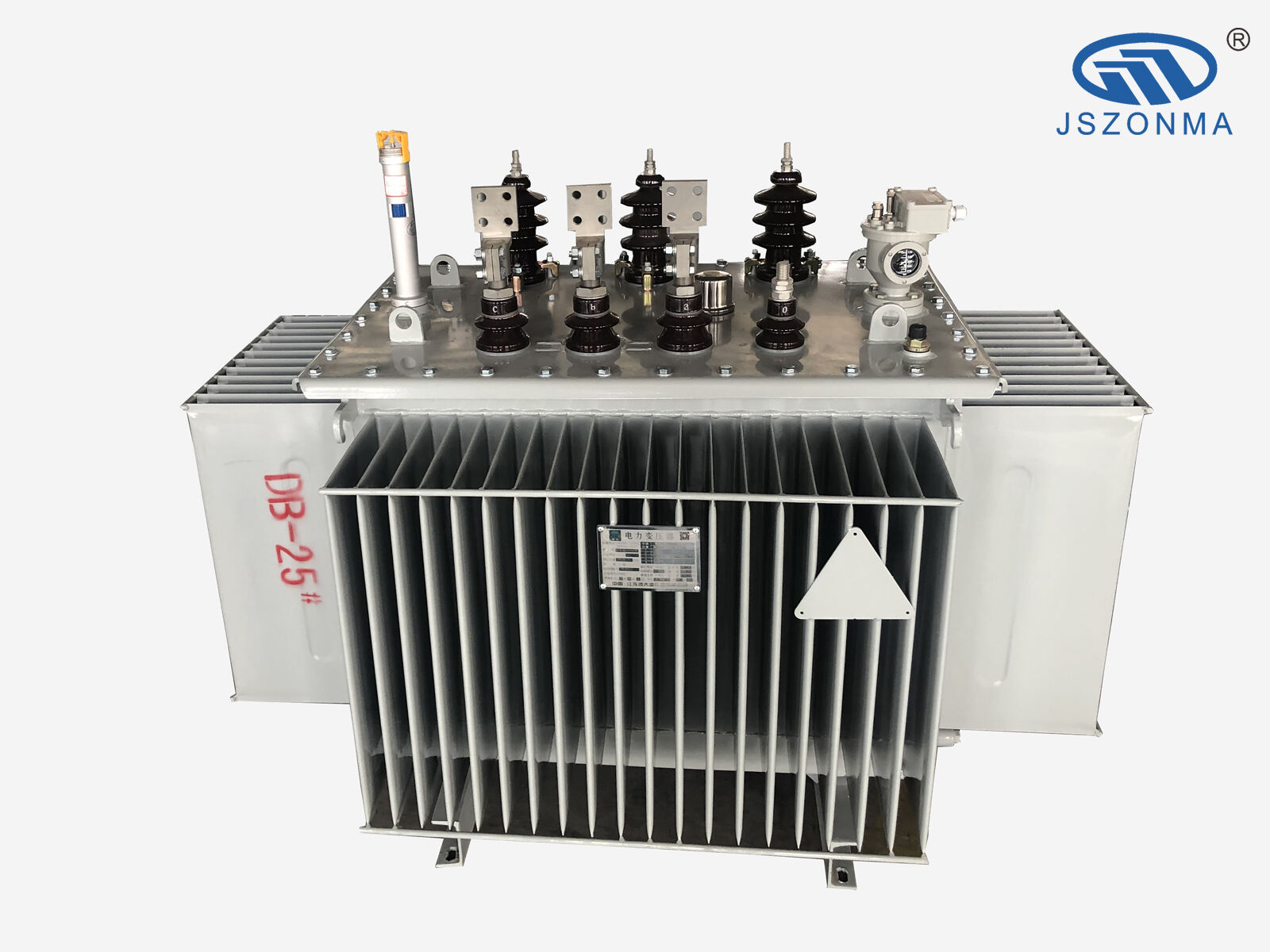
ប៉ុន្តែ ទ្រព្យផ្ទុកសំបុកដែលមានអ៊ីល ត្រាស្មីដែលត្រូវបានគេស្គាល់ថាមានភាពជាប់ល្អ មិនមែនជាឧបករណ៍ដែលអាច «ដាក់ហើយភ្លេច» ទេ។ ដោយសារវាអាស្រ័យលើគីមីវិទ្យាប្រេង និងសេលមេកានិក វាមានសារធាតុប៉ះពាល់ដែលអាចបណ្តាលឱ្យមានការខូចខាតជាក់លាក់។ នៅឆ្នាំ២០២៦ ដោយសារការបញ្ចូលសេនសើរឆ្លាត ការកំណត់បញ្ហាទាំងនេះកាន់តែងាយស្រួល ប៉ុន្តែការ «ជួសជុល» នៅតែតម្រូវឱ្យមានភាពច្បាស់លាស់ផ្នែកបច្ចេកទេស។
ខាងក្រោមនេះគឺជាបញ្ហាដែលជាទូទៅប៉ះពាល់ត្រាស្មីដែលចិញ្ចឹមដោយប្រេង និងដំណោះស្រាយស្តង់ដាររបស់ឧស្សាហកម្មដើម្បីដោះស្រាយបញ្ហាទាំងនេះ។
១. ការរួលរាយ និងការហូរចេញនៃប្រេង
ការរួលរាយគឺជាបញ្ហាដែលកើតឡើងញឹកញាប់បំផុត។ វាជាទូទៅកើតឡើងនៅតាមសេល វ៉ាល់ ឬស្លាប់រ៉ាឌីអាត័រ ដោយសារការញ័រ ការផ្លាស់ប្តូរសីតុណ្ហភាព ឬសេលចាស់។
បញ្ហាដែលកើតឡើង៖ ប្រេងប្រមូលផ្តុំនៅផ្នែកបាត ឬ «ហូរចេញ» នៅតាមចំណុចភ្ជាប់។
ការមានប្រេងតិចពេកអាចបណ្តាលឱ្យម៉ាស៊ីនក្តៅហើន និងការផ្ទះះអ៊ីសូឡេស្យុន។ -
ដំណោះស្រាយ៖ * ការជំនួសសេលែក៖ ជំនួសសេលែកចាស់ដែលធ្វើពីឈើក័រក៍ ឬនីទ្រីល ដោយសេលែកវីតុន ឬសេលែកហ្វ្លូរ៉ូអេឡាស្ទូម៉ែរដែលមានគុណភាពខ្ពស់ ដែលអាចទប់ទល់នឹងសីតុណ្ហភាពប្រតិបត្តិការខ្ពស់ជាងនៅឆ្នាំ ២០២៦ បានល្អជាងមុន។ ការប៉ះជាប់/ការប៉ះជាប់ដោយប្រើសារធាតុប៉ះជាប់៖
ការប៉ះជាប់ដោយប្រើសារធាតុប៉ះជាប់៖ ការរលាកតូចៗនៅលើធុងអាចប៉ះជាប់បានដោយប្រើសារធាតុប៉ះជាប់អេបូកស៊ីដែលមានសារធាតុពិសេសសម្រាប់បរិយាកាសដែលមានទំនាក់ទំនងជាមួយប្រេង។
ការបញ្ចូលប្រវែងប៉ះជាប់៖ ជាញឹកញាប់ ការរលាកអាចត្រូវបានដោះស្រាយដោយគ្រាន់តែបញ្ចូលប្រវែងប៉ះជាប់ឡើងវិញនូវស្ក្រូវដែលភ្ជាប់គ្នាដោយប្រើប្រវែងប៉ះជាប់តាមស្តង់ដាររបស់អ្នកផលិត។
២. ការប៉ន្ទះដោយសារសារធាតុទឹក
សារធាតុទឹកគឺជា «អ្នកសម្លាប់ដែលមិនឮសំឡេង» ចំពោះម៉ាស៊ីនបំប្លែង។
បញ្ហាដែលកើតឡើង៖ ទឹកចូលមកតាមឧបករណ៍ដកខ្យល់ដែលមានបញ្ហា ឬសេលដែលចាស់ទុះ។ ការមានទឹកច្រើន (ppm) នាំឱ្យមានការខ្ចាប់ខ្លួនផ្ទៃក្នុង។
-
ដំណោះស្រាយ៖
ការដកទឹកចេញពីប្រេង៖ ប្រើ ម៉ាស៊ីនសម្អាតប្រេងដែលប្រើសុញ្ញាកាស ដើម្បីបង្វិលប្រេង ហើយដកទឹក ឧស្ម័នដែលរលាយ និងភាគល្អិតចេញ។
ការថែទាំឧបករណ៍ដកខ្យល់៖ ជំនួសស៊ីលីកាគេលដែលឆ្លងទឹកហើយ (ដែលផ្លាស់ប្តូរទៅជាសៀម/ស្វាយនៅពេលសើម) ដោយស៊ីលីកាគេលថ្មីពណ៌ខៀវ ដើម្បីធានាថា ខ្យល់ដែលចូលទៅក្នុងធុងគឺស្ងួត។
ដំណាំការស្ងួត: ប្រសិនបើសម្ភារៈដែលប្រើសម្រាប់ការពារ (insulation) ធ្វើពីក្រដាស សើម នោះត្រូវការដំណាំការ «ការផ្តល់កំដៅ និងសុញ្ញាកាស» ដើម្បីប៉ះពាល់ទឹកចេញពីគ្រាប់កណ្តាល។
៣. ការខូចខាតនៃសម្ភារៈការពារ (Insulation Degradation) (ការបង្កើតជាម៉ាស៊ីន)
នៅពេលប្រេងអុកស៊ីតក្នុងរយៈពេលជាច្រើនទសវត្ស វាបង្កើតជាម៉ាស៊ីនក្រាស់ និងមានសារធាតុអាស៊ីត។
បញ្ហាដែលកើតឡើង៖ ម៉ាស៊ីននេះធ្លាក់ចុះលើគ្រាប់ដែលប្រើសម្រាប់បង្កើតវាយ៉ាង (windings) និងនៅក្នុងប្រឡាយប៉ះពាល់កំដៅ (cooling ducts) ដែលប្រើជាសម្ភារៈការពារ ដែល រារាំង កំដៅនៅខាងក្នុងម៉ាស៊ីនប៉ះពាល់កំដៅ (transformer) ដែលនាំឱ្យអាយុកាលរបស់វាធ្លាក់ចុះយ៉ាងឆាប់រហ័ស។
-
ដំណោះស្រាយ៖
ការស្តារប្រេងឡើងវិញ៖ នៅឆ្នាំ ២០២៦ មាន ម៉ាស៊ីនស្តារប្រេងឡើងវិញចល័ត (ORU) អាចដកជាតិអាស៊ីត និងសារធាតុច្រានចេញបានដោយប្រើដីឥដ្ឋ Fullers Earth ដោយមិនចាំបាច់បិទថាមពលទៅលើម៉ាស៊ីនបំប្លែង (ក្នុងករណីខ្លះ)។
ការបំពេញឡើងវិញ៖ ប្រសិនបើប្រេងនេះខូចខាតហួសហេតុ ម៉ាស៊ីនបំប្លែងអាចត្រូវបាន «បំពេញឡើងវិញ» ដោយប្រេងរាវរាងកាយថ្មី ឬប្រេងរាវធម្មជាតិដែលមិនប៉ះពាល់ដល់បរិស្ថាន អេស្ត័រធម្មជាតិ ដែលអាចជួយពន្យារអាយុកាលនៃសារធាតុការពារប៉ាក់ដែលនៅសល់។
៤. ការបរាជ័យនៃប៊ូសិង
ប៊ូសិងគឺជាច្រកចូល និងច្រកចេញសម្រាប់វ៉ុល្តេស៍ខ្ពស់។
បញ្ហាដែលកើតឡើង៖ ផ្ទៃបាក់នៅលើសេរាមិក ការរហ័សនៃប្រេងពីប៊ូសិង ឬ «ការតាមដាន» (ផ្លូវឆេះនៅលើផ្ទៃ) ដែលបណ្តាលមកពីធូលី និងអំបិល។
-
ដំណោះស្រាយ៖
ការសម្អាត៖ ការសម្អាតជាប្រចាំដោយប្រើសារធាតុរាវពិសេសដើម្បីដកសារពិសាជន៍ឧស្សាហកម្មចេញ។
ការផ្លាស់ប្តូរ: ប្រសិនបើរកឃើញគ្រាប់ប៉ោង គ្រាប់ប៉ោងត្រូវតែផ្លាស់ប្តូរ។ បច្ចុប្បន្ន RIP (ក្រដាសដែលបានឆ្លាក់ដោយរែសីន) គ្រាប់ប៉ោងត្រូវបានប្រើជាទូទៅជាការធ្វើអាប់ក្រេត ព្រោះវាគឺ «ស្ងួត» ហើយមិនអាចរីកចេញបានទេ។
5. ការប្រមូលផ្តុំឧស្ម័នដែលរលាយ
កំហុសខាងក្នុងដូចជាការប៉ះទង្គិច ឬការប៉ះទង្គិចផ្នែកមួយបណ្តាលឱ្យផលិតឧស្ម័នជាក់លាក់ (អាសេទីឡីន អ៊ីដ្រូសែន មេតាន់)។
បញ្ហាដែលកើតឡើង៖ ការប្រមូលផ្តុំឧស្ម័នលើសកម្រិតអាចបណ្តាលឱ្យ រេឡេយ Buchholz ដំណើរការ ហើយបើកទ្វារម៉ាស៊ីនបំប្លែងដើម្បីការពារការផ្ទ explosion។
-
ដំណោះស្រាយ៖
ការវិភាគ DGA: យកគំរូប្រេងមកធ្វើការសាកល្បងនៅក្នុងមន្ទីរពិសោធន៍។ សមាមាត្រនៃឧស្ម័នប្រាប់អ្នក ច្បាស់លាស់ ថា មានបញ្ហាអ្វី (ឧទាហរណ៍៖ អ៊ីស៊ីទីលែនខ្ពស់បង្ហាញពីការប៉ះទង្គិចដែលមានថាមពលខ្ពស់)។
ការត្រួតពិនិត្យខាងក្នុង៖ ផ្អែកលើលទ្ធផល DGA បើសិនជាបច្ចេកទេសម្នាក់ត្រូវបើករន្ធមនុស្សដើម្បីត្រួតពិនិត្យការផ្លាស់ប្តូរស្ថានភាព ឬការតភ្ជាប់គ្រឿងវេចខ្ចប់ ដើម្បីរកផ្នែកដែលធ្លាក់ចេញ ឬការកើតជាប្រេងកាបូន។
ម៉ាទ្រីសការដោះស្រាយបញ្ហាការថែទាំ
| រោគសញ្ញា | មូលហេតុប្រហែល | សកម្មភាពបន្ទាន់ |
| ការប្រកាសសញ្ញាប្រើប្រាស់សីតុណ្ហភាពខ្ពស់ | ប្រេងទាប / រ៉ាឌីអេទ័រត្រូវបានរារាំង | ពិនិត្យមើលកម្រិតប្រេង; សម្អាតជញ្ជាំងត្រជាក់ |
| ពពុះនៅក្នុងផ្ទៃកញ្ចក់មើលប្រេង | ការប៉ះទង្គិចខាងក្នុង / ខ្យល់ចូល | អនុវត្តការវិភាគឧស្ម័នដែលរលាយ (DGA) |
| ប្រេងមានពណ៌ប្រែប្រួល (ងងឹត) | ការបង្កើតកាបូន / អុកស៊ីដកម្ម | តម្រង ឬជំនួសប្រេង |
| សំឡេងហ៊ីស / ការញ័រ | ស្រទាប់គ្រាប់ប៉ះគ្នាមិនជាប់ | ពិនិត្យភាពតឹងរឹងនៃស្រែក; ពិនិត្យមើលការផ្ទុកលើស |
សេចក្តីសន្និដ្ឋាន: ការបង្ការថោកជាងការជួសជុល
«ការជួសជុល» ដែលមានប្រសិទ្ធភាពប៉ុណ្ណោះសម្រាប់បញ្ហាអំពីត្រាស្ម័រគឺ ការថែទាំព្យាករណ៍ ។ នៅឆ្នាំ ២០២៦ ការដំឡើង ប្រព័ន្ធការតាមដានតាមអ៊ីនធឺណិត ដែលតាមដានសីតុណ្ហភាពប្រេង សំណើម និងឧស្ម័នដែលរាវនៅក្នុងប្រេងជាបន្តបន្ទាប់ អាចសន្សំប្រាក់បានរាប់សែនដុល្លារសម្រាប់ស្ថាប័នមួយ ដោយការរកឃើញរន្ធប៉ះគ្រឿងបិទ (gasket) ដែលមានតម្លៃ ៥០០ ដុល្លារ មុនពេលវាក្លាយទៅជាបញ្ហាប៉ះពាល់ដល់ផ្នែកខាងក្នុង (core failure) ដែលមានតម្លៃ ៥០,០០០ ដុល្លារ។