 EN
EN

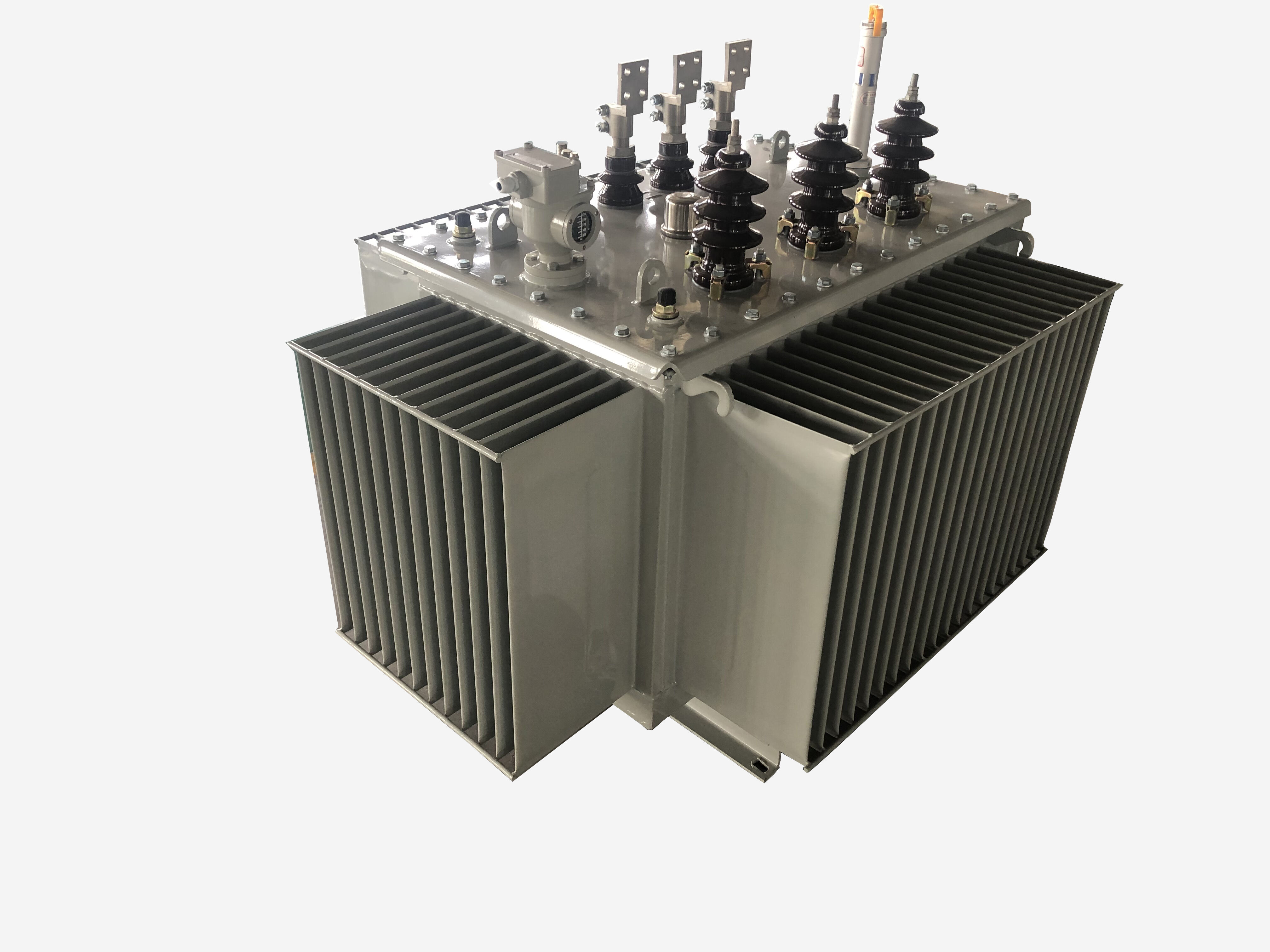
នៅក្នុងពិភពនៃការចែកចាយថាមពលអគ្គិសនីដែលមានសមត្ថភាពខ្ពស់ ទ្រព្យផ្ទុកសំបុកដែលមានអ៊ីល គឺជាអ្នកដែលមានឥទ្ធិពលខ្លាំងជាងគេដោយគ្មានការប្រឆាំង។
នៅពេលដែលយើងឆ្លងកាត់ឆ្នាំ ២០២៦ ម៉ាស៊ីនទាំងនេះនៅតែជាអ្នកថែរក្សាប្រព័ន្ធផ្គត់ផ្គង់ថាមពល (power grid)។
១. សមត្ថភាពការពារអគ្គិសនី (Dielectric Strength) ដ៏ល្អបំផុតរបស់ប្រេងម៉ាស៊ីនបំប្លែង
នៅវ៉ុលខ្ពស់ (ឧទាហរណ៍ ១១០kV ដល់ ៥០០kV ឬច្រើនជាងនេះ) ខ្យល់គឺមិនមានសារធាតុដែលមានសារធាតុការពារអគ្គិសនីគ្រប់គ្រាន់ ដើម្បីបង្ការការប៉ះទង្គិចអគ្គិសនី (electrical arcing) ទេ។ ប៉ុន្តែប្រេងវិញ គឺជារឿងផ្សេងទៀត។
សមាមាត្រឌីអេឡេកត្រិក (Dielectric Constant): ប្រេងទំនាញ (រាវដុត ឬអេស្ត័រធម្មជាតិ) មានស្ថេរភាពអេឡិចត្រិកខ្ពស់ជាងខ្យល់យ៉ាងច្រើន។
នេះអនុញ្ញាតឱ្យគ្រឿងផ្សំខាងក្នុងត្រូវបានដាក់នៅជិតគ្នាប៉ុណ្ណោះដោយគ្មានគ្រោះថ្នាក់នៃការ "ឆេះឆាប" (ផ្ទះលីកអេឡិចត្រិកឆ្លងកាត់រវាងផាស)។ លក្ខណៈសម្បត្តិស្តារសាជាតិ៖ ប្រសិនបើផ្ទះលីកតូចមួយកើតឡើងក្នុងខ្យល់ វាអាចបტុសផ្លូវកាបូនអចិន្ត្រៃយ៍លើសារធាតុដែលប្រើសម្រាប់ការពារអេឡិចត្រិក។
នៅក្នុងឯកតាដែលចិញ្ចឹមដោយប្រេង រាវនេះហូរត្រឡប់ចូលទៅក្នុងចន្លោះ ដែលប៉ះពាល់ដល់ការពារអេឡិចត្រិកដោយស្វ័យប្រវ័ត្តិភ្លាមៗ។ ការប៉ះពាល់ដោយប្រេង៖ ប្រេងធ្វើឱ្យសារធាតុការពារដែលធ្វើពីកกระดาសដែលហ័រជុំវិញខ្សែសម្រាប់ធ្វើជាកូអ៊ីលដែលធ្វើពីសំណាក់ ទៅពេញលេញ ដែលជាការដកខ្យល់ចេញទាំងស្រុង។
នេះប៉ះពាល់ដល់ ការប៉ះពាល់ផ្នែក ដែលជាប៉ារ៉ាម៉ែត្រសំខាន់បំផុតដែលបណ្តាលឱ្យការបរាជ័យនៃសារធាតុការពារនៅវ៉ុលខ្ពស់។
២. ការគ្រប់គ្រងសីតុណ្ហភាពកម្រិតខ្ពស់ (ការធ្វើអោយត្រជាក់)
ផ្ទុកធ្ងន់បង្កើតកំដៅច្រើនដោយសារការបាត់បង់ថាមពលដែលបណ្តាលមកពីការទប់ទល់ ( $I^2R$ )។ ប្រសិនបើកំដៅនេះមិនត្រូវបានដកចេញ ស្រទាប់ការពារនឹងឆេះហើយរលាយ។ ម៉ាស៊ីនប៉ាន់ប្រទេសដែលប្រើប្រាស់ប្រេងធ្វើជាប្រព័ន្ធប៉ាន់ប្រទេសប្រើ ការចាយកំដៅតាមរយៈសារធាតុរាវ ដើម្បីដកកំដៅចេញពីសេក្ត័រ។
ជំនាន់នៃការធ្វើអោយត្រជាក់៖
ONAN (ប្រេងធម្មជាតិ ខ្យល់ធម្មជាតិ)៖ សម្រាប់ផ្ទុកធម្មតា ប្រេងធ្វើការចាប់ផ្តើមហើរដោយសារឥទ្ធិពល "ថេរ្មូស៊ីហ្វុន" — ប្រេងក្តៅឡើងហើយហូរឆ្លងកាត់រ៉ាឌីអាត័រខាងក្រៅ ដែលនៅទីនោះវាត្រូវបានធ្វើអោយត្រជាក់ដោយខ្យល់បរិស្ថាន។
ONAF (ប្រេងធម្មជាតិ ខ្យល់បង្ខំ)៖ នៅពេលដែលផ្ទុកកើនឡើង ប្រព័ន្ធគ្រាប់ផ្សាយខ្យល់ស្វ័យប្រវ័ត្តិនឹងចាប់ផ្តើមដំណាំដើម្បីផ្ញើអាកាសឆ្លងកាត់រាងកាយប៉ះកំដៅ ដែលធ្វើឱ្យសមត្ថភាពធ្វើជាអ៊ីសូឡេស្យុនកើនឡើងដល់ 25-33%.
OFAF (ប្រេងបង្ខំ អាកាសបង្ខំ): សម្រាប់ផ្ទុកឧស្សាហកម្មខ្លាំងណាស់ ប៉ាំប៊ីបានធ្វើឱ្យប្រេងហើរជាបន្តបន្ទាប់ ខណៈដែលគ្រាប់ផ្សាយខ្យល់ផ្ញើអាកាស ដែលអនុញ្ញាតឱ្យម៉ាស៊ីនប៉ាំប៊ីទទួលបានថាមពលច្រើនជាងមុនក្នុងទំហំស្តង់ដារដែលមានទំហំតូច។
៣. ស្ថេរភាពយាន្តការប្រឆាំងនឹងការខ្លីចុះ (Short-Circuits)
នៅពេលដែលផ្ទុកធ្ងន់ ហើយជាពិសេសក្នុងអំឡុងពេលការខ្លីចុះ (short-circuit fault) កម្លាំងអេឡិចត្រូម៉ាញេទិករវាងគូរស៊ីនមានកម្លាំងខ្លាំងណាស់ — ដែលគ្រាន់តែគ្រប់គ្រាន់ដើម្បីបំបែក ឬកាត់ប៉ះកូបប៉ែរ (copper coils) ចេញពីគ្នា។
ការគាំទ្ររចនាសម្ព័ន្ធ: ម៉ាស៊ីនប៉ាំប៊ីដែលប្រើប្រេងជាប្រព័ន្ធប៉ះកំដៅមានរចនាសម្ព័ន្ធការពារដែលធ្វើពីស្ពាន់ដែករឹងមាំ។
ផលប៉ះពាល់ «ការបន្ថយការញាក់» (Damping Effect): ប្រេងខ្លួនឯងមានសារប្រយោជន៍ជាប្រព័ន្ធបន្ថយការញាក់ (damper) ដោយផ្ទាល់។ ដោយសារតែគូរស៊ីនត្រូវបានចំណាក់ទុកក្នុងសារធាតុរាវ ប្រេងនេះជួយស្រូបយកការញាក់យាន្តការ និងការប៉ះទង្គិចយាន្តការដែលកើតឡើងភ្លាមៗពីសារធាតុចរន្តខ្ពស់ ដែលការពារស្ថេរភាពរចនាសម្ព័ន្ធរបស់ប៉ះកំដៅ។
៤. ការបិទបាំងដោយស្រពេច (Hermetic Sealing) និងសមត្ថភាពទប់ទល់នឹងបរិស្ថាន
ម៉ាស៊ីនបំលែងដែលមានសមត្ថភាពខ្ពស់ជាញឹកញាប់ត្រូវបានដាក់នៅក្នុងស្ថានីយ៍រង្វាន់ដែលស្ថិតនៅឆ្ងាយ និងនៅខាងក្រៅ។
ធុងដែលបានបិទជិតប៉ិច៖ ដោយបិទជិតប៉ិចប្រេងនៅក្នុងធុងមួយ (ជាញឹកញាប់ដោយប្រើអ៊ីសូតូប ឬថង់រក្សាទុក) ផ្នែកខាងក្នុងទាំងអស់នឹងត្រូវបានដាច់ពីអុកស៊ីសែន និងសំណើមទាំងស្រុង។
វាជួយការពារការអុកស៊ីតកម្មនៃសំរិទ្ធ និងការចាស់ទុះនៃក្រដាស ដែលអនុញ្ញាតឱ្យម៉ាស៊ីនបំលែងទទួលបានផ្ទុកធ្ងន់បានយូរ។ លើសពី៣០ ឆ្នាំ . ការច្នៃប្រឌិតប្រេងប្រភេទអេស្ត័រ៖ នៅឆ្នាំ ២០២៦ ម៉ាស៊ីនបំលែងដែលទទួលបានផ្ទុកធ្ងន់ជាច្រើនប្រើ អេស្ត័រធម្មជាតិ ។ ប្រេងដែលបានផលិតពីរុក្ខជាតិទាំងនេះមានចំណុចឆេះខ្ពស់ជាង និងមានសមត្ថភាពពិសេសក្នុងការ «ទាញ» សំណើមចេញពីក្រដាសការពារ ដែលជួយបន្ថែមពេលអាយុកាលរបស់ម៉ាស៊ីនបំលែងក្រោមលក្ខខណ្ឌសីតុណ្ហភាពខ្ពស់។
៥. ការប្រៀបធៀបប្រសិទ្ធភាព៖ ការទទួលបានផ្ទុកខ្ពស់
| លក្ខណៈ | ប្រេងចុះក្នុង (គំរូឆ្នាំ ២០២៦) | ប្រភេទស្ងួត (ការចាក់រ៉េសីន) |
| អ៊ីលីចតិចអតិបរមា | 500kV+ | ជាទូទៅ $\le$ 35kV |
| ប្រសិទ្ធភាពការត្រជាក់ | ល្អណាស់ (ការហូរចរន្តរបស់អាឡុយមីញ៉ូម) | មធ្យម (ការហូរចរន្តខ្យល់) |
| សមត្ថភាពលើសមុខ | ខ្ពស់ (ដោយសារម៉ាស់កំដៅរបស់ប្រេង) | មានកំណត់ (ការកើនឡើងនៃកំដៅយ៉ាងឆាប់រហ័ស) |
| ផ្ទៃដីនៅពេល kVA ខ្ពស់ | ប៉ាគុល | ធំ (ត្រូវការចន្លោះច្រើនជាង) |
| ភាពអាចទុកចិត្តបាននៅខាងក្រៅ | ល្អប្រសើរ | តម្រូវឱ្យមានគ្រឿងបិទដែលធ្ងន់ |
សង្ខេប៖ ហេតុអ្វីបានជាប្រេងនៅតែឈ្នះសម្រាប់ថាមពលធ្ងន់
ទ្រព្យផ្ទុកសំបុកដែលមានអ៊ីល ដោះស្រាយវ៉ុលខ្ពស់ និងផ្ទុកធ្ងន់តាមរយៈ សារធាតុដែលមានសារធាតុដង់ស៊ីតេខ្ពស់ ។ បរិស្ថានរាវផ្តល់ជាឧបសគ្គឌីអេឡេកត្រិកដែលប្រសើរជាងអាកាស និងប្រព័ន្ធបញ្ជូនកំដៅដែលរក្សាប៉ាក់សំខាន់នៃម៉ាស៊ីនបម្លែងឱ្យត្រជាក់ ទោះបីជាបណ្តាញអគ្គិសនីត្រូវបានបង្ហាញដល់ដែនកំពូលរបស់វាក៏ដោយ។
ទំព័រ ដើម
- ១. សមត្ថភាពការពារអគ្គិសនី (Dielectric Strength) ដ៏ល្អបំផុតរបស់ប្រេងម៉ាស៊ីនបំប្លែង
- ២. ការគ្រប់គ្រងសីតុណ្ហភាពកម្រិតខ្ពស់ (ការធ្វើអោយត្រជាក់)
- ៣. ស្ថេរភាពយាន្តការប្រឆាំងនឹងការខ្លីចុះ (Short-Circuits)
- ៤. ការបិទបាំងដោយស្រពេច (Hermetic Sealing) និងសមត្ថភាពទប់ទល់នឹងបរិស្ថាន
- ៥. ការប្រៀបធៀបប្រសិទ្ធភាព៖ ការទទួលបានផ្ទុកខ្ពស់