 EN
EN
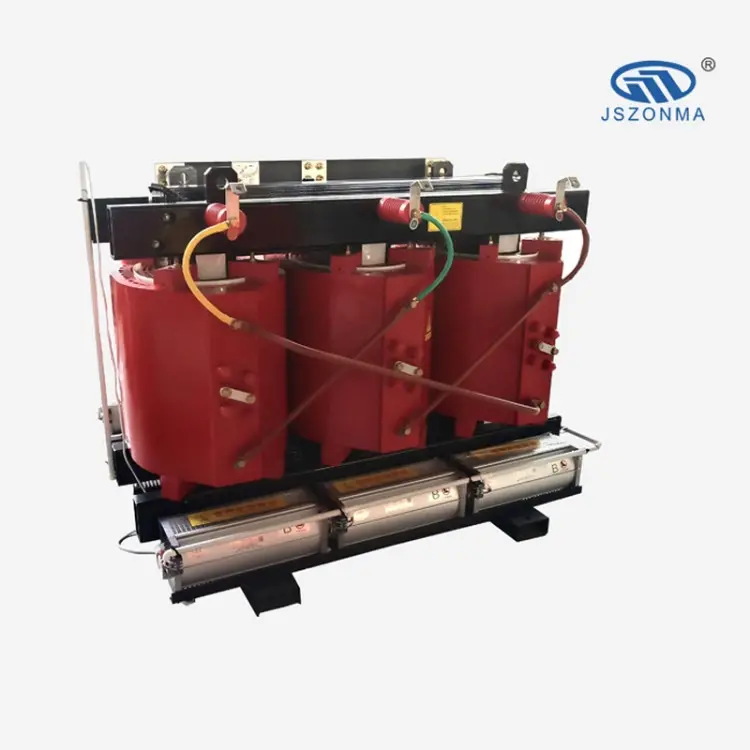
V rychle se měnící krajině průmyslové infrastruktury je poptávka po bezpečnosti, efektivitě a environmentální odpovědnosti vyšší než kdy dříve. V průběhu roku 2026 se přesun od tradičních olejem plněných zařízení směrem k suchých transformátorů zrychlil, a to pod vlivem zhuštěné zástavby měst a přísných ESG (environmentálních, sociálních a správních) požadavků.
Pokud spravujete výrobní závod, datové centrum nebo komerční komplex s vysokou budovou, je výběr správné technologie rozvodu elektrické energie rozhodující. Tato příručka popisuje pět hlavních výhod použití suchých transformátorů v průmyslových prostředích a vysvětluje, proč se stávají zlatým standardem moderních energetických systémů.
1. Neporazitelná požární bezpečnost a instalace v uzavřených prostorách
Bezpečnost je nejdůležitějším faktorem v jakémkoli průmyslovém prostředí. Tradiční transformátory plněné kapalinou používají minerální olej jako chladicí a izolační prostředek. Ačkoli je tento olej účinný, je hořlavý a v případě katastrofálního poškození nebo elektrického oblouku představuje významné riziko požáru.
Samozhášecí vlastnosti
Suché transformátory, zejména ty využívající Technologii VPI (impregnace pod vakuem a tlakem) nebo Odlitý rezinový používají nehořlavé izolační materiály.
Transformátory s odlitou pryskyřicí: Vinutí je uzavřeno v pevné epoxidové pryskyřici, která má samozhášecí vlastnosti a nepodporuje hoření.
Odolnost vůči požáru: Protože neobsahují hořlavý olej, není nutné pro ně instalovat drahé systémy potlačení požáru ani protivýbuchové sklepy.
Blízkost zátěže
Díky bezpečnosti pro použití v uzavřených prostorách lze suché transformátory umístit mnohem blíže k elektrické zátěži. To snižuje délku sekundárních kabelů, čímž se minimalizují úbytky napětí a snižují se náklady na instalaci. Pro průmyslové provozy, kde je místo velmi ceněno, představuje takové „lokální“ rozvádění elektrické energie významnou výhodu.
2. Ochrana životního prostředí a udržitelnost (nulové úniky)
Jelikož se globální průmysl přizpůsobuje cílům uhlíkové neutrality do roku 2026 , environmentální zátěž zařízení se stala klíčovým faktorem při nákupu.
Žádné riziko úniku oleje
Olejem plněné transformátory vyžadují složité zásobníky pro obsahování, aby se zabránilo kontaminaci půdy a podzemních vod v případě úniku. Suchých transformátorů toto riziko zcela eliminují.
Žádné toxické chemikálie: Nepoužívají PCB ani jiné nebezpečné kapaliny.
Ekologicky šetrné ukončení životnosti: Na konci své 30leté životnosti je suchý transformátor mnohem snazší recyklovat. Měděné nebo hliníkové vinutí a ocelové jádro lze znovu získat bez nutnosti manipulace s kontaminovanými kapalinami.
3. Minimální údržba a nižší provozní náklady
V průmyslovém sektoru je prostoj nepřítelem ziskovosti. Jednou z nejvýznamnějších výhod suchých transformátorů je téměř údržbou nevyžadující provoz.
Zjednodušená kontrola
U olejem plněných zařízení je nutné pravidelně odebírat vzorky oleje, provádět analýzu rozpuštěných plynů (DGA) a kontrolovat těsnost uzavření. Naopak údržba suchého transformátoru se převážně skládá z:
Vizualizované kontroly kontroly připojení.
Pravidelného čištění prachu z chladicích otvorů (což lze provést během plánovaných výpadků provozu závodu).
Dlouhodobé úspory
I když je počáteční nákupní cena suchého transformátoru často vyšší než u odpovídajícího olejem izolovaného zařízení, celkové Celkové náklady na vlastnictví (TCO) provozní náklady jsou často nižší. Ušetříte na:
Eliminaci testování a výměny oleje.
Snížení pojistných prémii kvůli nižšímu riziku požáru.
Žádná potřeba specializovaných místností odolných proti požáru ani odvodňovacích systémů.
4. Vysoká spolehlivost za náročných průmyslových podmínek
Moderní suché transformátory jsou navrženy tak, aby vydržely náročné průmyslové provozní podmínky, včetně vlhkosti, prachu a expozice chemikáliím.
Odolnost vůči vlhkosti a kontaminantům
Transformátory s litou pryskyřicí jsou téměř nepropustné pro vlhkost. Pryskyřice uzavřená ve vakuu brání vniknutí vlhkého vzduchu nebo korozivních průmyslových výparů do vinutí. To je činí ideálními pro:
Závody na zpracování chemikálií
Doly a tunely
Přístavní zařízení s vysokým obsahem soli ve vzduchu.
Odolnost proti zkratu
Pevné zapouzdření cívek poskytuje vynikající mechanickou pevnost. Během události zkratu jsou elektromagnetické síly obrovské. Tuhá konstrukce transformátoru s litým pryskyřičným izolačním systémem brání pohybu vinutí a výrazně snižuje riziko vnitřního mechanického poškození ve srovnání s olejovými transformátory.
5. Úspora prostoru a flexibilita návrhu
Průmyslové nemovitosti jsou drahé. Maximalizace „hustoty výkonu“ vaší provozní budovy – tedy získání vyššího výkonu v kVA na čtvereční stopu – je nezbytná.
Kompaktní půdorys
Suché transformátory obvykle mají menší fyzickou náročnost než olejové transformátory se stejným jmenovitým výkonem v kVA, zejména pokud zohledníme požadované vzdálenosti a ochranné opatření pro olejové zařízení.
Univerzální skříně
V závislosti na konkrétní průmyslové geografické poloze (GEO) lze suché transformátory přizpůsobit různými typy skříní:
IP21/IP23: Pro standardní vnitřní ochranu.
NEMA 3R: pro venkovní aplikace, kde je stále upřednostňována technologie chlazení vzduchem.
Vlastní rozměry: Lze je navrhnout tak, aby se vešly do stávajících elektrických skříní nebo kompaktních transformovn, což je ideální pro modernizaci starších průmyslových zařízení.
Srovnávací tabulka: suché transformátory vs. olejové transformátory
| Funkce | Suchý transformátor | Transformátor naplněný olejem |
| Požární bezpečnost | Extrémně vysoká (nehořlavé) | Střední (vyžaduje protipožární opatření) |
| Vliv na životní prostředí | Žádné riziko úniku | Vysoké riziko (vyžaduje uzavření) |
| Údržba | Minimální (čištění/kontrola) | Častá (testování oleje/kontrola těsnění) |
| Umístění instalace | Uvnitř budov, blízko zátěže | Obvykle venku |
| Životnost | 25–30+ let | 25–35+ let |
Závěr: Je suchý transformátor vhodný pro vaši provozovnu?
Výběr suchého transformátoru je investicí do odolnost a bezpečnost bezpečnosti a spolehlivosti vaší průmyslové činnosti. Vyloučením požárních rizik, snížením údržbových nákladů a odstraněním environmentálních odpovědností tyto jednotky poskytují řešení připravené na budoucnost pro energetické potřeby roku 2026 a dále.
Pokud má vaše provozovna za cíl zvýšit bezpečnost uvnitř budov, disponuje omezeným počtem zaměstnanců pro údržbu nebo musí splňovat přísné environmentální „zelené“ stavební předpisy, je suchý transformátor bezesporu lepší volbou.
Často kladené otázky (FAQ)
Otázka: Lze suché transformátory používat venku?
Odpověď: Ano, avšak vyžadují speciální ochranný kryt odolný vůči povětrnostním vlivům (např. NEMA 3R nebo IP54), který chrání komponenty před přímým deštěm a nečistotami.
Otázka: Jsou suché transformátory hlučnější než olejové?
A: Obecně jsou suché transformátory mírně hlučnější kvůli chybějícímu oleji, který by tlumil vibrace jádra. Moderní konstrukce však využívají vysoce kvalitní ocel pro jádro a protivibrační podložky, čímž se hladina hluku snižuje na úroveň odpovídající průmyslovým normám.
Otázka: Jak si vybrat mezi VPI a litou pryskyřicovou izolací?
A: Technologii VPI (impregnace pod vakuem a tlakem) je vynikající pro běžné průmyslové použití za přítomnosti určité vlhkosti. Odlitý rezinový je vhodnější pro extrémně náročná, vlhká nebo chemicky agresivní prostředí, kde je vyžadována maximální mechanická pevnost.
Potřebujete technické posouzení pro své zařízení?
Náš inženýrský tým se specializuje na průmyslové rozvody elektrické energie. Můžeme vám pomoci stanovit vhodný výkon transformátoru a vybrat správnou třídu izolace pro vaše konkrétní prostředí.
Obsah
- 1. Neporazitelná požární bezpečnost a instalace v uzavřených prostorách
- 2. Ochrana životního prostředí a udržitelnost (nulové úniky)
- 3. Minimální údržba a nižší provozní náklady
- 4. Vysoká spolehlivost za náročných průmyslových podmínek
- 5. Úspora prostoru a flexibilita návrhu
- Srovnávací tabulka: suché transformátory vs. olejové transformátory
- Závěr: Je suchý transformátor vhodný pro vaši provozovnu?