EN

Structure and Integration
Design Configurations
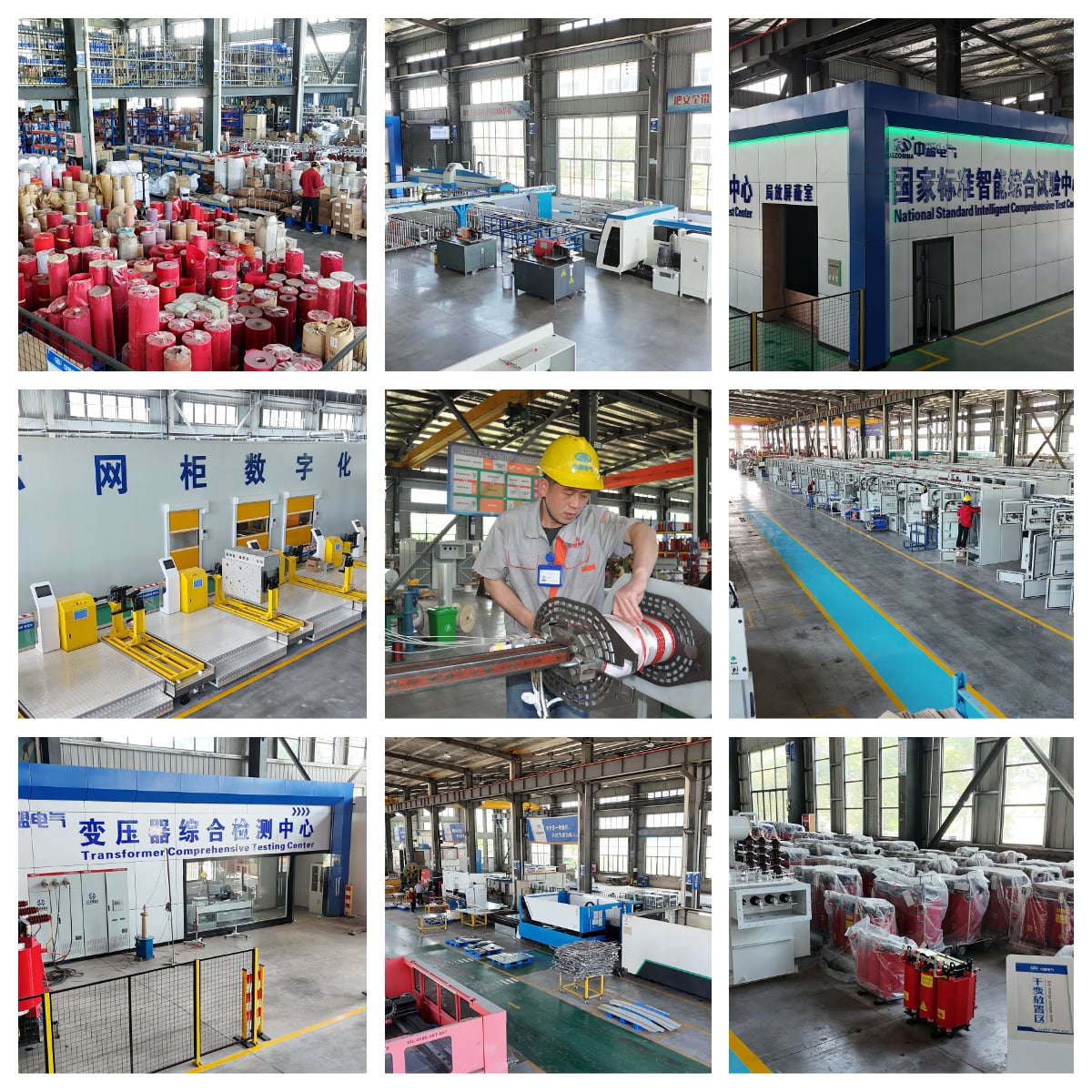
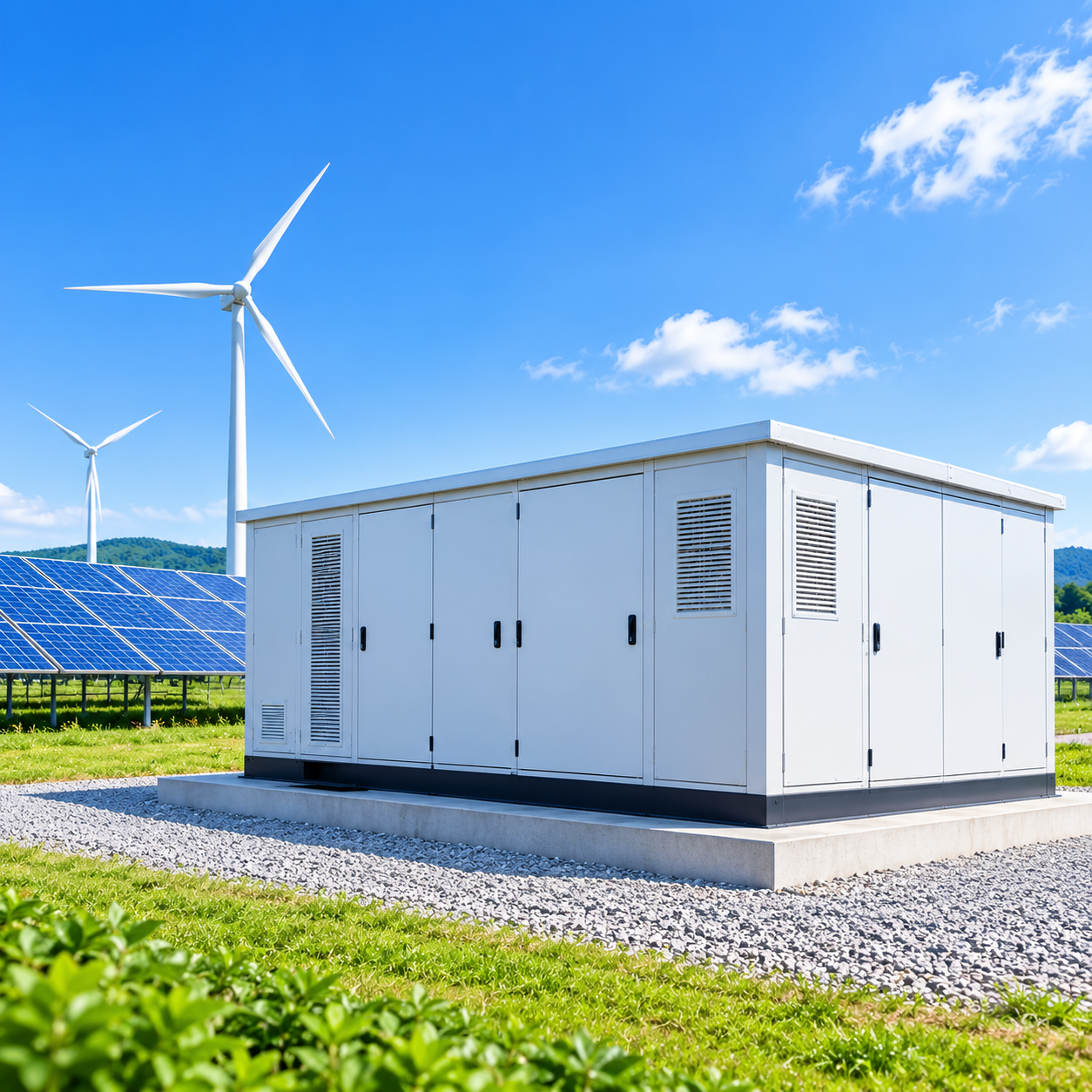
A box-type substation combines medium-voltage incoming panels, the step-up or step-down transformer, low-voltage feeders, protection devices, and metering in one steel enclosure.
European-style designs place high-voltage, transformer, and low-voltage compartments in separate sections within a common housing, while American-style designs simplify the arrangement by immersing high-voltage components in the transformer tank.
Both approaches eliminate the need for a separately built control room and on-site assembly of discrete equipment.
Advantages over Conventional Civil-Construction Substations
Construction and Cost
A traditional substation requires site pouring of foundations, followed by sequential installation of transformers and switchgear, with a construction period typically of two to three months.
A prefabricated box-type substation is assembled and routine-tested in the factory; on-site work is limited to foundation fixing and cable connection, reducing installation and commissioning to three to seven days and lowering overall construction cost by roughly 18% to 25%.
Space Efficiency
Conventional substations occupy three to five times the ground area of modular units, while box-type designs can reduce footprint by 20% to 30%.
Outdoor Installation and Site Considerations
Protection Ratings
Box-type substations are designed for direct outdoor placement. Standard enclosures typically provide IP54 protection, with IP65 available for coastal salt-spray, high-cold, or dusty sites.
Because the enclosure is factory-sealed and pretested, site work is mainly limited to preparing a level foundation and making cable terminations—an important advantage where skilled labor or heavy construction equipment is unavailable.
Applications in Microgrid Projects
Photovoltaic Microgrids
In photovoltaic microgrids, step-up box substations convert the low-voltage output of inverters (commonly 0.8 kV) to 10 kV or 35 kV for grid connection or local distribution.
Battery Energy Storage Systems
In battery energy storage systems, integrated PCS–transformer box units combine the power conversion system and step-up transformer in one enclosure, simplifying the interface between the DC battery side and the AC network.
Remote Industrial Microgrids
For remote industrial microgrids—mines, oil and gas sites, or islanded facilities—box-type substations support photovoltaic, storage, and diesel generation in a coordinated configuration without permanent civil works.
Selection Parameters
Capacity and Voltage
Capacity selection follows the aggregate microgrid load and the largest single transformer rating; typical distributed PV units range from 1,250 kVA to 3,150 kVA, while storage-coupled designs may extend higher.
Voltage class is determined by the point of interconnection—10 kV or 35 kV on the medium-voltage side, with low-voltage inputs matched to the inverter or PCS output.
Enclosure and Configuration
Enclosure protection should be specified at IP54 as a baseline, upgraded to IP65 where salt spray, blowing sand, or extreme temperature differentials are present.
Internal configuration should define whether the unit is PV step-up only, storage-integrated with PCS, or a general distribution unit with outgoing feeders and reactive power compensation.
Jiangsu Unita Product Range
Jiangsu Unita’s product range aligns with these selection requirements: prefabricated box-type substations, PV step-up box transformers with sealed IP54 enclosures and capacities from 1,250 kVA to 3,150 kVA, and PCS–transformer integrated units that combine conversion and step-up functions in a single transportable enclosure.
Application Scenarios
Scenario |
Configuration |
Key Features |
Benefits |
Photovoltaic Power Station |
PV step-up box substation |
0.8 kV to 10/35 kV, 1,250-3,150 kVA |
Fast grid connection, reduced civil works |
Wind Farm |
Step-up box substation |
0.69 kV to 35 kV, up to 4,000 kVA |
Remote outdoor operation, compact footprint |
Energy Storage System |
PCS-transformer integrated unit |
DC/AC conversion + step-up in one enclosure |
Simplified battery-to-grid interface |
Telecom Base Station |
Compact distribution box substation |
10 kV to 0.4 kV, 200-630 kVA |
Reliable power supply, minimal maintenance |
Mining Operation |
Heavy-duty box substation |
35 kV incoming, multi-feeder outgoing |
No permanent civil works, relocatable |
Frequently Asked Questions
Q1: What is a box-type substation?
A box-type substation, also known as a prefabricated or pre-packaged substation, integrates high-voltage switchgear, a distribution transformer, and low-voltage distribution equipment into a single factory-assembled enclosure.
Q2: What is the difference between European and American styles?
European-style designs separate high-voltage, transformer, and low-voltage compartments within a common housing, while American-style designs immerse high-voltage components in the transformer tank for a more compact arrangement.
Q3: How long does installation take?
On-site installation and commissioning typically takes three to seven days, compared to two to three months for conventional civil-construction substations. This represents a cost reduction of approximately 18% to 25%.
Q4: What protection ratings are available?
Standard enclosures provide IP54 protection. IP65 is available for harsh environments including coastal salt-spray, high-cold, or dusty sites.
Q5: What is a PCS-transformer integrated unit?
A PCS-transformer integrated unit combines the power conversion system (PCS) and step-up transformer in a single enclosure, simplifying the interface between DC battery storage and the AC network in microgrid applications.
123