 EN
EN
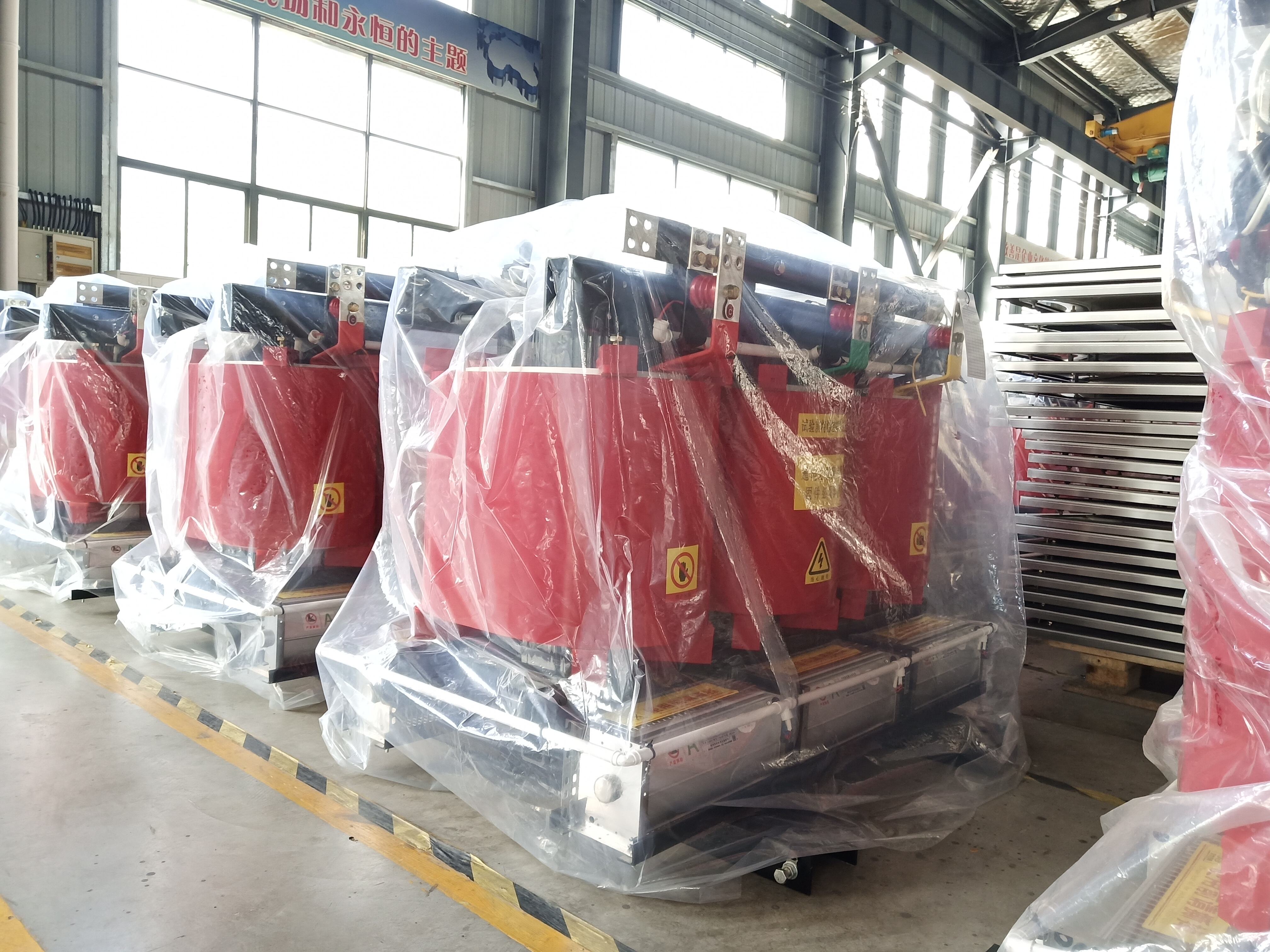
Енергетска ефикасност постала је критична брига за индустрије и комуналне услуге широм света, јер се организације труде да смањију оперативне трошкове и минимизирају утицај на животну средину. Међу различитим електричним компонентама које утичу на потрошњу енергије, дистрибутивни трансформатор игра кључну улогу у одређивању укупне ефикасности система. Ови основни уређаји претварају високонапонску електричну енергију из преносних линија у ниже напоне погодне за индустријске и комерцијалне апликације, што њихове карактеристике ефикасности чини кључним за одрживо функционисање. Модерна технологија дистрибутивних трансформатора значајно се развила, нудећи побољшане перформансне могућности које директно доприносе побољшању стратегија управљања енергијом.
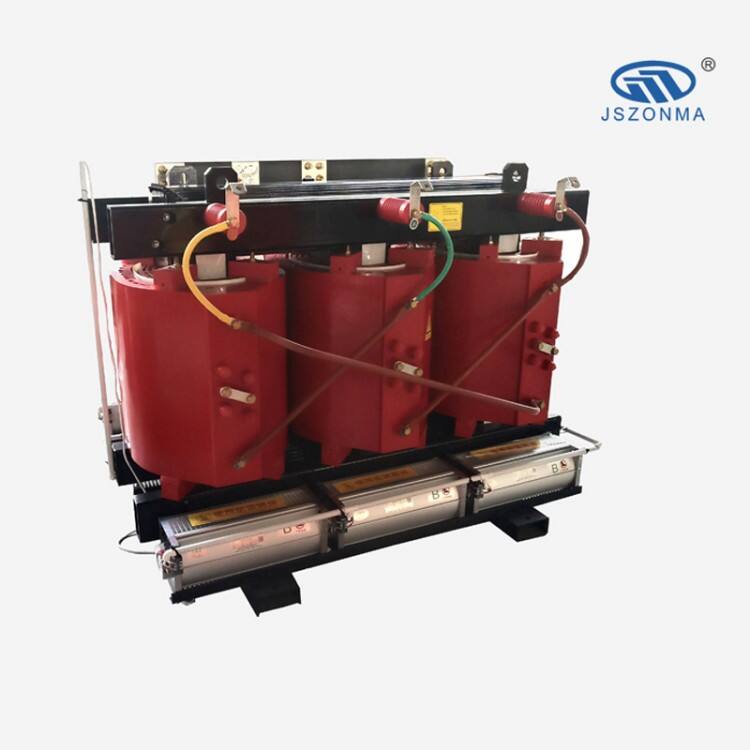
Интеграција напредних материјала и иновативних принципа дизајна у савременој производњи дистрибутивних трансформатора резултирала је значајним побољшањима оцењивања енергетске ефикасности. Ова побољшања се преведу у мерење смањења губитака енергије, који се традиционално јављају кроз губитке једра и губитке бакра током нормалног рада. Разумевање односа између ефикасности дистрибутивних трансформатора и укупних обрасца потрошње енергије омогућава управљачима објеката да доносе информисане одлуке о надоградњи опреме и оптимизацији система. Финансијске последице побољшане ефикасности трансформатора иду изван непосредне уштеде енергије и укључују смањење захтева за одржавање и продужен живот опреме.
Разумевање основа ефикасности дистрибуционих трансформатора
Карактеристике и утицај основних губитака
Изгубице у једру у дистрибуционом трансформатору представљају константан потрошач енергије који се јавља без обзира на услове оптерећења, што их чини посебно значајним у прорачунима ефикасности. Ови губици су резултат хистерезе и ефекта струје у трансформаторском сржном материјалу, који претварају електричну енергију у топлоту. Модерни дизајн дистрибутивних трансформатора укључује напредна силицијумска челична језгра са побољшаним магнетним својствима која значајно смањују ове паразитске губитке. Избор висококвалитетних основних материјала директно утиче на губитке без оптерећења, који могу да чине значајан део укупне потрошње енергије у системима са лаким оптерећењем.
Произвођачи су развили специјализоване технике конструкције језгра које минимизирају ваздушне празнине и оптимизују дистрибуцију магнетног флукса широм структуре дистрибутивног трансформатора. Ове иновације резултирају смањеним захтевима за магнетизирању струје и нижим нивоима хармоничког искривљења, што доприноси побољшању квалитета енергије и ефикасности система. Увеђење метода изградње корена са корак и напредних процеса одгајања додатно побољшава магнетне карактеристике корена дистрибутивних трансформатора. Разумевање ових механизама губитка у основи омогућава инжењерима да одреде одговарајуће нивое ефикасности за специфичне апликације и услове рада.
Стратегије оптимизације губитка оптерећења
Губици оптерећења у апликацијама дистрибутивних трансформатора варирају са квадратом струје оптерећења, што их чини зависним од стварних услова рада и профила оптерећења. Ови губици се углавном јављају у намотањима трансформатора због ефекта грејања отпорности, обично познатих као губици И2Р. Напређени материјали проводника и оптимизоване конфигурације намотавања значајно утичу на величину губитака оптерећења и укупну ефикасност. Пажљиво одабирање пресекних површина проводника и уређења намотања директно утичу на отпорне карактеристике пројеката дистрибутивних трансформатора.
Модерни процеси производње дистрибутивних трансформатора укључују алате за дизајн помоћу рачунара који оптимизују распореде намотања за минимални отпор и максималну ефикасност. Ови приступи пројектовању узимају у обзир факторе као што су ефекат коже проводника, ефекат близини и захтеви за топлотну управљање. Увеђење високопроводљивих материјала и иновативних система хлађења додатно побољшава перформансе губитка оптерећења у савременим производима дистрибутивних трансформатора. Правилна оптимизација губитка оптерећења осигурава да се побољшања ефикасности одржавају у различитим условама рада и сценаријама оптерећења.
Напредни материјали и грађевинске технологије
Врховно ефикасни основни материјали
Развој напредних основних материјала представља значајан пробив у трансформатор за дистрибуцију повећање ефикасности, а произвођачи сада користе специјализоване електричне челике који показују супериорна магнетна својства. Ови материјали имају смањене карактеристике губитка једра и побољшане пролазности које се директно преводе у побољшане перформансе енергетске ефикасности. Зрнчано оријентисани силицијски челик који се користи у модерним јездовима дистрибутивних трансформатора подвргнут је специјализованим обрадама које усклађују кристалну структуру за оптималне способности управљања магнетним флуксом. Ова оптимизација материјала резултира мерећим смањењем губитака без оптерећења и побољшањем укупних оцењивања ефикасности.
Инновативне технике ламинације језгра и напредни изолациони системи доприносе даље побољшању ефикасности у савременим дизајнима дистрибутивних трансформатора. Увеђење танких ламинација смањује губитке струје вихрева, док се одржава структурни интегритет и карактеристике топлотних перформанси. Специјализована апликација премаза на основним материјалима пружа побољшана изолациона својства и смањена губици између ламинара. Ови материјални напредоци омогућавају произвођачима дистрибутивних трансформатора да постигну веће проценке ефикасности, а истовремено одржавају трошковно ефикасне производне процесе и поуздане дугорочне карактеристике перформанси.
Инновације у технологији навијања
Револуционалне технологије намотавања трансформисале су ефикасност дистрибутивних трансформатора кроз имплементацију напредних конфигурација проводника и изолационих система. Ове иновације укључују употребу континуирано транспоносаних проводника који минимизирају губитке струје у циркулацији и побољшавају дистрибуцију струје широм структуре намотања. Модерни дизајн дистрибутивних трансформатора укључује оптимизоване аранжмане проводника који смањују губитак отпора и ефекте магнетних пропуста. Пажљиво разматрање геометрије проводника и позиционирања омогућава произвођачима да постигну супериорну ефикасност при одржавању компактних физичких димензија.
Напредни изолациони материјали и технике примене значајно доприносе побољшању ефикасности дистрибуционог трансформатора, омогућавајући веће густине струје и побољшане могућности управљања топлотом. Ови развојни догађаји укључују употребу специјализованих система изолације папира и конфигурација испуњених течностима које пружају супериорне карактеристике расејавања топлоте. Употреба процеса вакуумске импрегнације обезбеђује потпуну засићење изолације и елиминише ваздушне џепove који би могли угрозити перформансе. Ови напредоци у технологији навијања омогућавају дизајну дистрибуционих трансформатора да раде на већим нивоима ефикасности, уз одржавање одличне поузданости и безбедносних карактеристика.
Стандарди и прописи о енергетској ефикасности
Еволуција регулаторног оквира
Међународни стандарди енергетске ефикасности за примене дистрибутивних трансформатора значајно су се развили последњих година, успостављајући минималне захтеве за перформансе који покрећу континуирано побољшање у дизајну и производњој пракси. Ови прописи обично одређују максимално дозвољене губитке за различите номиналне капацитете и класе напона, стварајући оквир за упоређивање ефикасности и критеријуме избора. Употреба стандардизованих процедура испитивања обезбеђује доследно мерење и извештавање о карактеристикама ефикасности дистрибуционог трансформатора код различитих произвођача и производних линија. У складу са овим стандардима постало је од суштинског значаја за приступ тржишту у многим регионима, што покреће иновације у технологијама за повећање ефикасности.
Регионалне варијације у стандардима ефикасности одражавају различите приступе циљевима очувања енергије и заштите животне средине, при чему неке јурисдикције спроводе строже захтеве од других. Хармонизација међународних стандарда олакшава глобалну трговину, док се истовремено одржава фокус на побољшању енергетске ефикасности у примене дистрибуционих трансформатора. Произвођачи морају да се носе са овим различитим регулаторним захтевима док развијају производе који испуњавају или превазилазе спецификације ефикасности на више тржишта. Непрекидна еволуција ових стандарда обезбеђује континуирани притисак за технолошки напредак и оптимизацију ефикасности у пројектовању и производњи трансформатора за дистрибуцију.
Протоколи за сертификацију и тестирање
Протоколи испитивања за проверу ефикасности дистрибутивних трансформатора обезбеђују тачна мерења и извештавање о карактеристикама перформанси под стандардизованим условима. Ове процедуре испитивања укључују мерења губитка без оптерећења, одређивање губитка оптерећења и израчуне ефикасности у различитим условима оптерећења. Акредитоване лабораторије за испитивање користе специјализовану опрему и процедуре за верификацију усаглашености са применим стандардима ефикасности и спецификацијама произвођача. Увеђење строгих протокола тестирања пружа поверење у објављене оцене ефикасности и омогућава тачна поређења перформанси између различитих производа за дистрибутивне трансформаторе.
Напређене технике мерења и системи инструментације омогућавају прецизно одређивање губитака и карактеристика ефикасности дистрибуционих трансформатора под различитим условима рада. Ови капацитети за тестирање укључују анализу квалитета енергије, мерене хармоније и процену топлотне перформансе. Развој аутоматизованих система за тестирање побољшава тачност мерења и смањује временска потреба за тестирањем, истовремено одржавајући свеобухватну документацију о перформанси. Одређене процедуре сертификације и испитивања осигурају да се тврдње о ефикасности дистрибутивних трансформатора потврде провереном информацијом о перформанси и стандардизованим протоколима мерења.
Економске користи високоефикасних дистрибутивних трансформатора
Анализа трошкова током целичног века трајања
Економско оправдање инвестирања у технологију високоефикасних дистрибутивних трансформатора далеко се протеже изван почетних разматрања куповне цене да би обухватило укупне трошкове власништва током радног трајања опреме. Анализа трошкова животног циклуса открива да губици енергије представљају највећу компоненту укупних трошкова власништва, често прелазе почетне трошкове опреме у првих неколико година рада. Дизајни високоефикасних дистрибутивних трансформатора обично показују супериорну економску перформансу кроз смањену потрошњу енергије, мање захтјеве за хлађење и смањене потребе за одржавањем. Квантификација ових економских користи омогућава информисано доношење одлука у вези са избором опреме и временским временом надоградње.
Детално финансијско моделирање операција дистрибутивних трансформатора мора узети у обзир факторе као што су пројекције раста оптерећења, ескалација трошкова енергије и разматрања поузданости опреме. Увеђење високоефикасних трансформатора може резултирати значајним годишњим уштедама које се акумулишу током оперативног живота опреме, често оправдавајући премарије почетних трошкова у разуним периодима окупације. Додатне економске користи укључују смањење наплате за потражњу, побољшане карактеристике фактора снаге и побољшано коришћење капацитета система. Ове свеобухватне економске предности чине технологију високоефикасних дистрибутивних трансформатора атрактивним инвестицијама за напредне организације усредсређене на дугорочну оперативну оптимизацију.
Утјецај на животну средину и одрживост
Уколико је потребно, уколико је могуће, уколико је могуће, уколико је могуће, уколико је могуће, уколико је могуће, уколико је могуће, уколико је могуће, уколико је могуће, уколико је могуће, уколико је могуће, уколико је могуће, уколико је могуће, уколико је могуће, уколико је могуће, уколико је Побољшање енергетске ефикасности директно се преводи у смањење потрошње фосилних горива и смањење емисије стаклених гасова повезаних са производњом електричне енергије. Увеђење високоефикасне технологије дистрибутивних трансформатора подржава иницијативе корпоративне одговорности за животну средину, док пружа осетљиве оперативне користи. Ове еколошке предности су у складу са све строжијим регулаторним захтевима и очекивањама заинтересованих страна у вези са одрживим пословним праксама.
Квантификација еколошких користи омогућава организацијама да документују напредак ка циљевима одрживости и демонстрирају посвећеност управљању животном средином. Смањена потрошња енергије повезана са операцијом високоефикасних дистрибутивних трансформатора доприноси целокупним циљевима управљања енергијом објекта и подржава захтеве сертификације зелених зграда. Напредни дизајн трансформатора такође укључује материјале и производне процесе који су поштеђени од штете за животну средину и који минимизују еколошки утицај током целог животног циклуса производа. Ове свеобухватне еколошке користи повећавају вредност понуде за технологију високоефикасних дистрибутивних трансформатора, док подржавају шире иницијативе о одрживости организације.
Разлози за инсталацију и интеграцију
Употреба укупних уређаја
Успешна интеграција високоефикасне технологије дистрибутивних трансформатора захтева пажљиво разматрање фактора компатибилности система и постојећих инфраструктурних ограничења. Ови разлози укључују захтеве за регулисање напона, могућности струје од грешке и потребе за координацијом система за заштиту. Модерни дизајн дистрибутивних трансформатора мора ефикасно да се повезује са постојећим електричним системима, истовремено пружајући побољшане карактеристике ефикасности. Оцене компатибилности система осигурају да побољшања ефикасности не угрожавају поузданост или оперативну флексибилност у целокупном електричном дистрибуционом систему.
Напредне технологије дистрибутивних трансформатора могу укључити карактеристике као што су побољшане могућности праћења, побољшана толеранција на грешке и оптимизоване топлотне карактеристике које захтевају координацију са постојећим компонентама система. Интеграциони процес мора узети у обзир захтеве система контроле, комуникационе протоколе и процедуре одржавања које подржавају дугорочни оперативни успех. Правилна интеграција система осигурава остварење користи од ефикасности, а истовремено одржавање стандарда оспорности и безбедности. Свеобухватно планирање и координација олакшавају успјешну имплементацију високоефикасне технологије дистрибуционих трансформатора у постојећој инфраструктури објекта.
Системи за праћење и оптимизацију
Увеђење напредних система мониторинга омогућава континуирано оптимизацију перформанси и ефикасности трансформатора за дистрибуцију током целог животног века. Ове могућности надзора укључују мерење губитака у реалном времену, топлотно праћење и анализу профила оптерећења који подржавају проактивно одржавање и стратегије оперативне оптимизације. Савремене инсталације дистрибутивних трансформатора могу да укључују интелигентне системе за праћење који пружају детаљне податке о перформанси и могућности анализе тренда. Доступност свеобухватних информација о праћењу омогућава управљачима објеката да оптимизују обрасце оптерећења и идентификују могућности за даље побољшање ефикасности.
Софистицирани алати за анализу података и могућности трендова подржавају стратегије предвиђања одржавања које максимизују ефикасност и поузданост дистрибутивних трансформатора током времена. Ови системи могу да идентификују развојне проблеме пре него што утичу на перформансе или карактеристике ефикасности, омогућавајући проактивну интервенцију и оптимизацију. Интеграција система за праћење са платформама за управљање енергијом објекта пружа свеобухватну видљивост о перформанси трансформатора и његовом утицају на укупне обрасце потрошње енергије. Напређене могућности праћења и оптимизације осигурају да се користи од ефикасности одржавају и максимизују током целог радног живота дистрибутивног трансформатора.
Често постављене питања
Који фактори одређују оцене ефикасности дистрибуционих трансформатора
Ефикасност дистрибуционих трансформатора зависи првенствено од материјала, дизајна намотања и квалитета конструкције, а висококвалитетне силицијумске челичне језгра и оптимизоване конфигурације проводника доприносе супериорним перформансима. Губици без оптерећења и губици оптерећења представљају две главне компоненте које одређују укупну ефикасност, а модерни дизајне се фокусирају на минимизацију и кроз напредне материјале и технике производње. Ознаке ефикасности се обично одређују у различитим условима оптерећења, а пик ефикасности се обично јавља на оптерећењима између 50-75% номиналног капацитета. Карактеристике повећања температуре, системи хлађења и способности хармоничног управљања такође утичу на ефикасност у стварним условима рада.
Како стандарди енергетске ефикасности утичу на избор трансформатора
Норми за енергетску ефикасност постављају минималне захтеве за перформансе који помажу у управљању одлукама о избору дистрибутивних трансформатора и обезбеђују усаглашеност са регулаторним захтевима у различитим јурисдикцијама. Ови стандарди обично одређују максимално дозвољене губитке за различите номинације капацитета и напона, стварајући оквир за поређење производа различитих произвођача. У складу са стандардима ефикасности је често обавезно за одређене апликације и може бити потребно за попусте комуналних услуга или програме подстицаја. Разумевање применитих стандарда омогућава информисано доношење одлука о нивоима ефикасности и помаже у оправдању инвестиција у технологију дистрибутивних трансформатора са већом ефикасношћу.
Који су типични периоди повраћаја за високоефикасне трансформаторе
Период окупације инвестиција у високоефикасне дистрибутивне трансформаторе обично се креће од 3-7 година у зависности од трошкова енергије, обрасца оптерећења и постигнутих побољшања ефикасности у поређењу са стандардним пројектима. Уредби са високим трошковима енергије, континуираним оптерећењем или 24-часовим операцијама обично доживљавају краће периоде окупације због веће годишње уштеде енергије. Анализа трошкова током животног циклуса често открива укупне уштеде које су више од почетних трошкова премије за фактори од 3-5 пута током оперативног живота опреме. Додатне користи као што су смањени трошкови хлађења, побољшана поузданост и мање захтеве за одржавање доприносе општој економској оправданости изван једноставних просјека о уштеди енергије.
Како се модерни трансформатори упоређују са старијим јединицама по ефикасности
Модерни дизајн дистрибутивних трансформатора обично постиже побољшање ефикасности од 1-3% у поређењу са старијим јединицама, што се преводи у значајну уштеду енергије и трошкова током радног живота опреме. Стари трансформатори произведени пре тренутних стандарда ефикасности често показују знатно веће губитке због мање напредних основних материјала и конструкционих техника. Увеђење високог квалитета силицијумског челика, оптимизованих конфигурација намотања и напредних производних процеса у савременим дизајнима резултира меримостивијим ефикасним перформансима. Замена старе опреме за дистрибуцију трансформатора са модерним високоефикасним јединицама често пружа непосредне оперативне користи и подржава дугорочне циљеве управљања енергијом.