 EN
EN

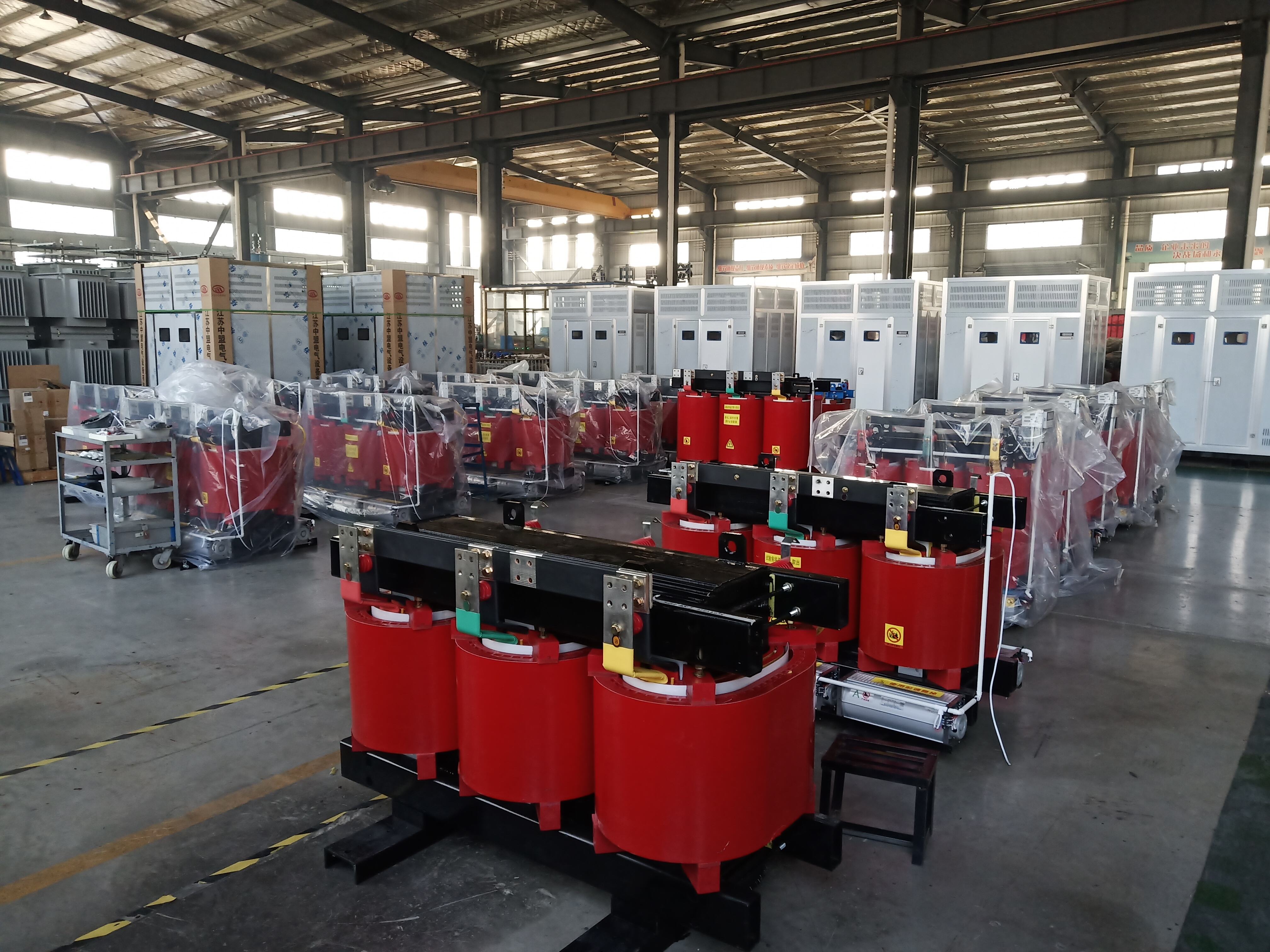
ਇਲੈਕਟ੍ਰੀਕਲ ਪਾਵਰ ਡਿਸਟ੍ਰੀਬਿਊਸ਼ਨ ਦੀ ਦੁਨੀਆ ਵਿੱਚ, ਆਇਲ ਟਰਾਂਸਫਾਰਮਰ ਵਿਸ਼ਾਲ ਨੈੱਟਵਰਕਾਂ ਵਿੱਚ ਭਰੋਸੇਯੋਗ ਊਰਜਾ ਟ੍ਰਾਂਸਮਿਸ਼ਨ ਨੂੰ ਯਕੀਨੀ ਬਣਾਉਣ ਲਈ ਸਭ ਤੋਂ ਮਹੱਤਵਪੂਰਨ ਘਟਕਾਂ ਵਿੱਚੋਂ ਇੱਕ ਵਜੋਂ ਖੜ੍ਹਾ ਹੈ। ਇਹ ਜਟਿਲ ਇਲੈਕਟ੍ਰੀਕਲ ਉਪਕਰਣ ਖਣਿਜ ਤੇਲ ਨੂੰ ਠੰਢਾ ਕਰਨ ਦੇ ਮਾਧਿਅਮ ਅਤੇ ਇਨਸੂਲੇਸ਼ਨ ਸਿਸਟਮ ਦੋਵਾਂ ਵਜੋਂ ਵਰਤਦੇ ਹਨ, ਜੋ ਕਿ ਉੱਚ ਵੋਲਟੇਜ ਐਪਲੀਕੇਸ਼ਨਾਂ ਲਈ ਅਣਸੁਲਝ ਨੂੰ ਬਣਾਉਂਦਾ ਹੈ। ਇੰਜੀਨੀਅਰਾਂ, ਸੁਵਿਧਾ ਮੈਨੇਜਰਾਂ ਅਤੇ ਇਲੈਕਟ੍ਰੀਕਲ ਬੁਨਿਆਦੀ ਢਾਂਚੇ ਦੇ ਪ੍ਰਬੰਧਨ ਵਿੱਚ ਸ਼ਾਮਲ ਕਿਸੇ ਵੀ ਵਿਅਕਤੀ ਲਈ ਆਇਲ ਟਰਾਂਸਫਾਰਮਰ ਦੀਆਂ ਜਟਿਲ ਠੰਢਾ ਕਰਨ ਅਤੇ ਇਨਸੂਲੇਸ਼ਨ ਤੰਤਰਾਂ ਨੂੰ ਸਮਝਣਾ ਜ਼ਰੂਰੀ ਹੈ।
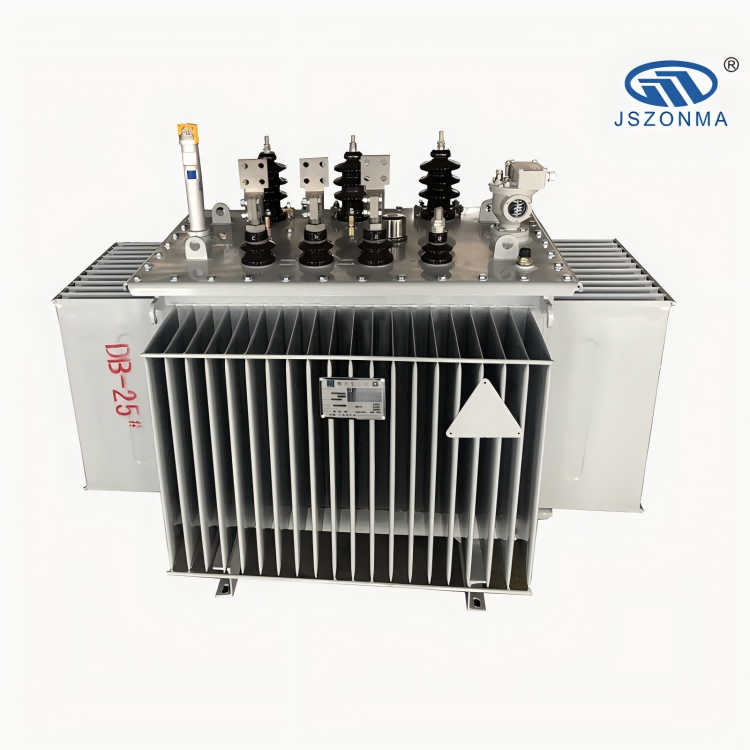
ਤੇਲ ਟਰਾਂਸਫਾਰਮਰ ਦੇ ਮੂਲ ਸਿਧਾਂਤਾਂ ਨੂੰ ਸਮਝਣਾ
ਮੁੱਢਲੇ ਕਾਰਜਾਤਮਕ ਸਿਧਾਂਤ
ਤੇਲ ਟਰਾਂਸਫਾਰਮਰ ਦਾ ਮੌਲਿਕ ਕਾਰਜ ਵਿਦਿਆਤ ਚੁੰਬਕੀ ਪ੍ਰੇਰਣਾ ਸਿਧਾਂਤਾਂ ਅਤੇ ਉੱਨਤ ਥਰਮਲ ਮੈਨੇਜਮੈਂਟ ਸਿਸਟਮਾਂ 'ਤੇ ਆਧਾਰਿਤ ਹੈ। ਜਦੋਂ ਪ੍ਰਾਇਮਰੀ ਵਾਇੰਡਿੰਗ ਰਾਹੀਂ ਬਿਜਲੀ ਦਾ ਕਰੰਟ ਵਹਿੰਦਾ ਹੈ, ਤਾਂ ਇਹ ਇੱਕ ਚੁੰਬਕੀ ਖੇਤਰ ਪੈਦਾ ਕਰਦਾ ਹੈ ਜੋ ਸੈਕੰਡਰੀ ਵਾਇੰਡਿੰਗ ਵਿੱਚ ਵੋਲਟੇਜ ਪੈਦਾ ਕਰਦਾ ਹੈ। ਇਸ ਪ੍ਰਕਿਰਿਆ ਦੌਰਾਨ, ਟਰਾਂਸਫਾਰਮਰ ਮਹੱਤਵਪੂਰਨ ਗਰਮੀ ਪੈਦਾ ਕਰਦਾ ਹੈ ਜਿਸਨੂੰ ਲਾਜ਼ਮੀ ਤੌਰ 'ਤੇ ਪ੍ਰਭਾਵਸ਼ਾਲੀ ਢੰਗ ਨਾਲ ਪ੍ਰਬੰਧਿਤ ਕੀਤਾ ਜਾਣਾ ਚਾਹੀਦਾ ਹੈ ਤਾਂ ਜੋ ਉਪਕਰਣਾਂ ਦੀ ਅਸਫਲਤਾ ਨੂੰ ਰੋਕਿਆ ਜਾ ਸਕੇ ਅਤੇ ਇਸਦੇ ਪ੍ਰਦਰਸ਼ਨ ਦੇ ਪੱਧਰ ਨੂੰ ਚੰਗੀ ਹਾਲਤ ਵਿੱਚ ਬਣਾਈ ਰੱਖਿਆ ਜਾ ਸਕੇ।
ਇਸ ਪ੍ਰਕਿਰਿਆ ਵਿੱਚ ਟਰਾਂਸਫਾਰਮਰ ਦੇ ਤੇਲ ਦੀ ਦੋਹਰੀ ਭੂਮਿਕਾ ਹੁੰਦੀ ਹੈ, ਇਹ ਇੱਕ ਬਿਜਲੀ ਇਨਸੂਲੇਟਰ ਅਤੇ ਇੱਕ ਗਰਮੀ ਟਰਾਂਸਫਰ ਮਾਧਿਅਮ ਦੋਵਾਂ ਵਜੋਂ ਕੰਮ ਕਰਦਾ ਹੈ। ਇਹ ਦੋਹਰੀ ਕਾਰਜਸ਼ੀਲਤਾ ਤੇਲ ਟਰਾਂਸਫਾਰਮਰ ਨੂੰ ਹਵਾ-ਠੰਡਾ ਵਿਕਲਪਾਂ ਨਾਲੋਂ ਕਾਫ਼ੀ ਵੱਧ ਕੁਸ਼ਲ ਬਣਾਉਂਦੀ ਹੈ, ਖਾਸ ਕਰਕੇ ਉੱਚ-ਸ਼ਕਤੀ ਐਪਲੀਕੇਸ਼ਨਾਂ ਵਿੱਚ ਜਿੱਥੇ ਲਗਾਤਾਰ ਕੰਮ ਕਰਨ ਲਈ ਥਰਮਲ ਪ੍ਰਬੰਧਨ ਵਧੇਰੇ ਮਹੱਤਵਪੂਰਨ ਹੋ ਜਾਂਦਾ ਹੈ।
ਮੁੱਖ ਕੰਪੋਨੈਂਟ ਅਤੇ ਡਿਜ਼ਾਈਨ ਐਲੀਮੈਂਟ
ਆਧੁਨਿਕ ਤੇਲ ਟਰਾਂਸਫਾਰਮਰ ਡਿਜ਼ਾਈਨ ਵਿੱਚ ਕਈ ਮਹੱਤਵਪੂਰਨ ਘਟਕ ਸ਼ਾਮਲ ਹੁੰਦੇ ਹਨ ਜੋ ਇਸ਼ਤਿਹਾਰ ਅਤੇ ਨਿਰੋਧਕ ਪ੍ਰਦਰਸ਼ਨ ਨੂੰ ਪ੍ਰਾਪਤ ਕਰਨ ਲਈ ਸਹਿਯੋਗ ਕਰਦੇ ਹਨ। ਕੋਰ ਅਤੇ ਵਾਇੰਡਿੰਗਜ਼ ਨੂੰ ਇੱਕ ਸੀਲਬੰਦ ਟੈਂਕ ਸਿਸਟਮ ਵਿੱਚ ਰੱਖੇ ਗਏ ਵਿਸ਼ੇਸ਼ ਤੌਰ 'ਤੇ ਸ਼ੁੱਧ ਖਣਿਜ ਤੇਲ ਵਿੱਚ ਪੂਰੀ ਤਰ੍ਹਾਂ ਡੁਬੋਇਆ ਜਾਂਦਾ ਹੈ। ਇਸ ਕੰਫਿਗਰੇਸ਼ਨ ਦੇ ਨਾਲ ਸਾਰੇ ਗਰਮੀ ਉਤਪਨ ਕਰਨ ਵਾਲੇ ਘਟਕ ਠੰਢਾ ਕਰਨ ਵਾਲੇ ਮਾਧਿਅਮ ਨਾਲ ਸਿੱਧੇ ਸੰਪਰਕ ਵਿੱਚ ਰਹਿੰਦੇ ਹਨ, ਜੋ ਗਰਮੀ ਟ੍ਰਾਂਸਫਰ ਦੀ ਕੁਸ਼ਲਤਾ ਨੂੰ ਵੱਧ ਤੋਂ ਵੱਧ ਕਰਦਾ ਹੈ।
ਟੈਂਕ ਦੀ ਡਿਜ਼ਾਈਨ ਆਪਣੇ ਆਪ ਵਿੱਚ ਕੁੱਲ ਠੰਢਾ ਕਰਨ ਸਿਸਟਮ ਵਿੱਚ ਇੱਕ ਮਹੱਤਵਪੂਰਨ ਭੂਮਿਕਾ ਨਿਭਾਉਂਦੀ ਹੈ, ਜਿਸ ਵਿੱਚ ਅਕਸਰ ਲਹਿਰਦਾਰ ਦੀਵਾਰਾਂ ਜਾਂ ਬਾਹਰੀ ਰੇਡੀਏਟਰ ਹੁੰਦੇ ਹਨ ਜੋ ਗਰਮੀ ਨੂੰ ਛੱਡਣ ਲਈ ਸਤਹ ਦੇ ਖੇਤਰ ਨੂੰ ਵਧਾਉਂਦੇ ਹਨ। ਇਹ ਡਿਜ਼ਾਈਨ ਤੱਤ ਟਰਾਂਸਫਾਰਮਰ ਨੂੰ ਲੰਬੇ ਸਮੇਂ ਤੱਕ ਸੁਰੱਖਿਅਤ ਕਾਰਜਸ਼ੀਲ ਤਾਪਮਾਨ ਬਣਾਈ ਰੱਖਦੇ ਹੋਏ ਕਾਫ਼ੀ ਉੱਚੀ ਪਾਵਰ ਰੇਟਿੰਗ ਨੂੰ ਸੰਭਾਲਣ ਦੇ ਯੋਗ ਬਣਾਉਂਦੇ ਹਨ।
ਠੰਢਾ ਕਰਨ ਸਿਸਟਮ ਦੀ ਆਰਕੀਟੈਕਚਰ ਅਤੇ ਪ੍ਰਦਰਸ਼ਨ
ਪ੍ਰਾਕ੍ਰਿਤਕ ਕੰਵੈਕਸ਼ਨ ਠੰਢਾ ਕਰਨ ਦੀਆਂ ਵਿਧੀਆਂ
ਤੇਲ ਟਰਾਂਸਫਾਰਮਰ ਵਿੱਚ ਪ੍ਰਾਥਮਿਕ ਠੰਢਕ ਮਕੈਨੀਜ਼ਮ ਟਰਾਂਸਫਾਰਮਰ ਤੇਲ ਵਿੱਚ ਕੁਦਰਤੀ ਕੰਵੈਕਸ਼ਨ ਧਾਰਾਵਾਂ 'ਤੇ ਨਿਰਭਰ ਕਰਦਾ ਹੈ। ਜਿਵੇਂ ਹੀ ਤੇਲ ਘੁੰਮਦਾਰਾਂ ਅਤੇ ਕੋਰ ਤੋਂ ਗਰਮੀ ਸੋਖ ਲੈਂਦਾ ਹੈ, ਇਹ ਘੱਟ ਘਣਾ ਹੋ ਜਾਂਦਾ ਹੈ ਅਤੇ ਟੈਂਕ ਦੇ ਉਪਰਲੇ ਹਿੱਸੇ ਵੱਲ ਚੜ੍ਹ ਜਾਂਦਾ ਹੈ। ਫਿਰ ਗਰਮ ਤੇਲ ਨੂੰ ਬਦਲਣ ਲਈ ਠੰਡਾ ਤੇਲ ਹੇਠਾਂ ਵੱਲ ਉਤਰਦਾ ਹੈ, ਜਿਸ ਨਾਲ ਲਗਾਤਾਰ ਸੰਚਾਰ ਪੈਟਰਨ ਬਣਦੇ ਹਨ ਜੋ ਮਹੱਤਵਪੂਰਨ ਘਟਕਾਂ ਤੋਂ ਗਰਮੀ ਨੂੰ ਪ੍ਰਭਾਵਸ਼ਾਲੀ ਢੰਗ ਨਾਲ ਸਥਾਨਾਂਤਰਿਤ ਕਰਦੇ ਹਨ।
ਟੈਂਕ ਦੀ ਜਿਆਮਿਤੀ ਡਿਜ਼ਾਈਨ ਨਾਲ ਇਸ ਕੁਦਰਤੀ ਸੰਚਾਰ ਪ੍ਰਕਿਰਿਆ ਨੂੰ ਵਧਾਇਆ ਜਾਂਦਾ ਹੈ, ਜੋ ਤੇਲ ਦੇ ਵਹਿਣ ਦੇ ਆਦਰਸ਼ ਪੈਟਰਨ ਨੂੰ ਉਤਸ਼ਾਹਿਤ ਕਰਦੀ ਹੈ। ਕੁਦਰਤੀ ਕੰਵੈਕਸ਼ਨ ਠੰਢਕ ਦੀ ਪ੍ਰਭਾਵਸ਼ੀਲਤਾ ਕਈ ਕਾਰਕਾਂ 'ਤੇ ਨਿਰਭਰ ਕਰਦੀ ਹੈ, ਜਿਸ ਵਿੱਚ ਤੇਲ ਦੀ ਸ਼ੀਟਲਤਾ, ਤਾਪਮਾਨ ਅੰਤਰ ਅਤੇ ਟੈਂਕ ਅਸੈਂਬਲੀ ਵਿੱਚ ਅੰਦਰੂਨੀ ਘਟਕਾਂ ਦੀ ਭੌਤਿਕ ਵਿਵਸਥਾ ਸ਼ਾਮਲ ਹੈ। ਤੇਲ ਵਾਲਾ ਟਰਾਨਸਫਾਰਮਰ ਟੈਂਕ ਅਸੈਂਬਲੀ।
ਜ਼ਬਰਦਸਤੀ ਠੰਢਕ ਵਧਾਉਣ ਵਾਲੀਆਂ ਸਿਸਟਮ
ਉੱਚ ਸਮਰੱਥਾ ਵਾਲੇ ਐਪਲੀਕੇਸ਼ਨਾਂ ਲਈ, ਤੇਲ ਟਰਾਂਸਫਾਰਮਰ ਸਿਸਟਮ ਆਮ ਤੌਰ 'ਤੇ ਕੁਦਰਤੀ ਕੰਵੈਕਸ਼ਨ ਨੂੰ ਵਧਾਉਣ ਲਈ ਜ਼ਬਰਦਸਤ ਠੰਢਾ ਕਰਨ ਦੀਆਂ ਤਕਨੀਕਾਂ ਨੂੰ ਅਪਣਾਉਂਦੇ ਹਨ। ਇਹ ਸਿਸਟਮ ਆਮ ਤੌਰ 'ਤੇ ਬਾਹਰੀ ਰੇਡੀਏਟਰਾਂ ਨੂੰ ਠੰਢਾ ਕਰਨ ਵਾਲੇ ਪੱਖੇ ਜਾਂ ਤੇਲ ਪੰਪਾਂ ਨਾਲ ਸ਼ਾਮਲ ਕਰਦੇ ਹਨ ਜੋ ਸੰਚਾਰ ਦੀਆਂ ਦਰਾਂ ਨੂੰ ਤੇਜ਼ ਕਰਦੇ ਹਨ। ਜ਼ਬਰਦਸਤ ਠੰਢਾ ਕਰਨ ਦਾ ਤਰੀਕਾ ਤੇਲ ਟਰਾਂਸਫਾਰਮਰ ਨੂੰ ਸਵੀਕਾਰਯੋਗ ਕੰਮਕਾਜ ਤਾਪਮਾਨ ਬਰਕਰਾਰ ਰੱਖਦੇ ਹੋਏ ਕਾਫ਼ੀ ਉੱਚ ਬਿਜਲੀ ਭਾਰ ਨੂੰ ਸੰਭਾਲਣ ਦੇ ਯੋਗ ਬਣਾਉਂਦਾ ਹੈ।
ਉੱਨਤ ਠੰਢਾ ਕਰਨ ਵਾਲੇ ਸਿਸਟਮਾਂ ਵਿੱਚ ਪਾਣੀ ਨਾਲ ਠੰਢਾ ਕੀਤੇ ਹੀਟ ਐਕਸਚੇਂਜਰ ਵੀ ਸ਼ਾਮਲ ਹੋ ਸਕਦੇ ਹਨ, ਜੋ ਬਹੁਤ ਉੱਚ ਬਿਜਲੀ ਵਾਲੀਆਂ ਸਥਾਪਤੀਆਂ ਲਈ ਹੋਰ ਵੀ ਵਧੀਆ ਥਰਮਲ ਮੈਨੇਜਮੈਂਟ ਸਮਰੱਥਾ ਪ੍ਰਦਾਨ ਕਰਦੇ ਹਨ। ਇਹ ਜਟਿਲ ਠੰਢਾ ਕਰਨ ਦੀਆਂ ਵਿਵਸਥਾਵਾਂ ਤੇਲ ਟਰਾਂਸਫਾਰਮਰ ਯੂਨਿਟਾਂ ਨੂੰ ਮੰਗਵਾਲੇ ਉਦਯੋਗਿਕ ਵਾਤਾਵਰਣਾਂ ਵਿੱਚ ਭਰੋਸੇਯੋਗ ਤਰੀਕੇ ਨਾਲ ਕੰਮ ਕਰਨ ਦੀ ਆਗਿਆ ਦਿੰਦੀਆਂ ਹਨ ਜਿੱਥੇ ਥਰਮਲ ਤਣਾਅ ਨਾਲ ਹੋਰ ਕੰਮਕਾਜ ਅਤੇ ਲੰਬੇ ਸਮੇਂ ਤੱਕ ਰਹਿਣ ਦੀ ਸੰਭਾਵਨਾ ਪ੍ਰਭਾਵਿਤ ਹੋ ਸਕਦੀ ਹੈ।
ਇਨਸੂਲੇਸ਼ਨ ਵਿਸ਼ੇਸ਼ਤਾਵਾਂ ਅਤੇ ਡਾਈਲੈਕਟ੍ਰਿਕ ਪ੍ਰਦਰਸ਼ਨ
ਬਿਜਲੀ ਇਨਸੂਲੇਸ਼ਨ ਵਿਸ਼ੇਸ਼ਤਾਵਾਂ
ਟਰਾਂਸਫਾਰਮਰ ਤੇਲ ਦੀਆਂ ਥਰਮਲ ਇਨਸੂਲੇਸ਼ਨ ਵਿਸ਼ੇਸ਼ਤਾਵਾਂ ਕਿਸੇ ਵੀ ਤੇਲ ਟਰਾਂਸਫਾਰਮਰ ਸਿਸਟਮ ਦੇ ਸੁਰੱਖਿਅਤ ਅਤੇ ਭਰੋਸੇਯੋਗ ਕੰਮਕਾਜ ਲਈ ਮੌਲਿਕ ਹੁੰਦੀਆਂ ਹਨ। ਉੱਚ-ਗੁਣਵੱਤਾ ਵਾਲਾ ਟਰਾਂਸਫਾਰਮਰ ਤੇਲ ਬਹੁਤ ਵਧੀਆ ਡਾਈਲੈਕਟ੍ਰਿਕ ਤਾਕਤ ਪ੍ਰਦਾਨ ਕਰਦਾ ਹੈ, ਜੋ ਆਮ ਤੌਰ 'ਤੇ 30 ਤੋਂ 70 ਕਿਲੋਵੋਲਟ ਪ੍ਰਤੀ 2.5 ਮਿਲੀਮੀਟਰ ਗੈਪ ਦੇ ਵਿੱਚ ਹੁੰਦੀ ਹੈ, ਜੋ ਤੇਲ ਦੀ ਸਥਿਤੀ ਅਤੇ ਸ਼ੁੱਧਤਾ ਦੇ ਪੱਧਰ 'ਤੇ ਨਿਰਭਰ ਕਰਦੀ ਹੈ। ਇਸ ਅਸਾਧਾਰਣ ਇਨਸੂਲੇਸ਼ਨ ਯੋਗਤਾ ਕਾਰਨ ਟਰਾਂਸਫਾਰਮਰ ਘੁੰਮਣ ਅਤੇ ਜ਼ਮੀਨੀ ਕਨੈਕਸ਼ਨ ਵਿਚਕਾਰ ਉੱਚ ਵੋਲਟੇਜ ਅੰਤਰ ਨੂੰ ਸੁਰੱਖਿਅਤ ਢੰਗ ਨਾਲ ਸੰਭਾਲਣ ਦੇ ਯੋਗ ਹੁੰਦਾ ਹੈ।
ਸੁਧਾਰੇ ਹੋਏ ਟਰਾਂਸਫਾਰਮਰ ਤੇਲ ਦੀ ਅਣੂ ਸੰਰਚਨਾ ਬਿਜਲੀ ਦੇ ਟੁੱਟਣ ਵਿਰੁੱਧ ਇੱਕ ਪ੍ਰਭਾਵਸ਼ਾਲੀ ਬੈਰੀਅਰ ਬਣਾਉਂਦੀ ਹੈ, ਜੋ ਆਰਕ ਫਾਰਮੇਸ਼ਨ ਨੂੰ ਰੋਕਦੀ ਹੈ ਅਤੇ ਸਾਮਾਨਯ ਅਤੇ ਖਰਾਬੀ ਵਾਲੀਆਂ ਸਥਿਤੀਆਂ ਦੌਰਾਨ ਸਿਸਟਮ ਦੀ ਅਖੰਡਤਾ ਨੂੰ ਬਰਕਰਾਰ ਰੱਖਦੀ ਹੈ। ਤੇਲ ਦੀ ਗੁਣਵੱਤਾ ਦੀ ਨਿਯਮਤ ਜਾਂਚ ਅਤੇ ਰੱਖ-ਰਖਾਅ ਇਹ ਯਕੀਨੀ ਬਣਾਉਂਦਾ ਹੈ ਕਿ ਟਰਾਂਸਫਾਰਮਰ ਦੇ ਕਾਰਜਸ਼ੀਲ ਜੀਵਨ ਕਾਲ ਦੌਰਾਨ ਇਨਸੂਲੇਸ਼ਨ ਵਿਸ਼ੇਸ਼ਤਾਵਾਂ ਸਵੀਕਾਰਯੋਗ ਮਾਪਦੰਡਾਂ ਦੇ ਅੰਦਰ ਬਣੀਆਂ ਰਹਿੰਦੀਆਂ ਹਨ।
ਨਮੀ ਨਿਯੰਤਰਣ ਅਤੇ ਦੂਸ਼ਣ ਤੋਂ ਬਚਾਅ
ਤੇਲ ਟਰਾਂਸਫਾਰਮਰ ਵਿੱਚ ਇਨਸੂਲੇਸ਼ਨ ਦੀ ਇਸ਼ਤਿਹਾਰੀ ਕਾਰਗੁਜ਼ਾਰੀ ਬਣਾਈ ਰੱਖਣ ਲਈ ਟਰਾਂਸਫਾਰਮਰ ਤੇਲ ਵਿੱਚ ਨਮੀ ਅਤੇ ਦੂਸ਼ਣ ਦੇ ਪੱਧਰ 'ਤੇ ਸਖ਼ਤ ਨਿਯੰਤਰਣ ਦੀ ਲੋੜ ਹੁੰਦੀ ਹੈ। ਥੋੜ੍ਹੀ ਜਿਹੀ ਮਾਤਰਾ ਵਿੱਚ ਵੀ ਪਾਣੀ ਡਾਈਲੈਕਟ੍ਰਿਕ ਤਾਕਤ ਨੂੰ ਕਾਫ਼ੀ ਘਟਾ ਸਕਦਾ ਹੈ ਅਤੇ ਇਨਸੂਲੇਸ਼ਨ ਦੇ ਕਮਜ਼ੋਰ ਹੋਣ ਨੂੰ ਤੇਜ਼ ਕਰ ਸਕਦਾ ਹੈ। ਆਧੁਨਿਕ ਤੇਲ ਟਰਾਂਸਫਾਰਮਰ ਡਿਜ਼ਾਈਨ ਸਿਲਿਕਾ ਜੈੱਲ ਡੀਸੀਕੈਂਟਸ ਨਾਲ ਸਾਹ ਲੈਣ ਦੀਆਂ ਪ੍ਰਣਾਲੀਆਂ ਨੂੰ ਸ਼ਾਮਲ ਕਰਦੇ ਹਨ ਤਾਂ ਜੋ ਸਧਾਰਨ ਕਾਰਜ ਦੌਰਾਨ ਨਮੀ ਦੇ ਘੁਸਪੈਠ ਨੂੰ ਰੋਕਿਆ ਜਾ ਸਕੇ।
ਕਣਾਂ, ਘੁਲਿਤ ਗੈਸਾਂ, ਜਾਂ ਰਸਾਇਣਕ ਟੁੱਟਣ ਉਤਪਾਦਾਂ ਤੋਂ ਦੂਸ਼ਣ ਵੀ ਇਨਸੂਲੇਸ਼ਨ ਪ੍ਰਦਰਸ਼ਨ ਨੂੰ ਖਰਾਬ ਕਰ ਸਕਦਾ ਹੈ। ਨਿਯਮਤ ਤੇਲ ਵਿਸ਼ਲੇਸ਼ਣ ਪ੍ਰੋਗਰਾਮ ਇਹਨਾਂ ਪੈਰਾਮੀਟਰਾਂ ਦੀ ਨਿਗਰਾਨੀ ਕਰਦੇ ਹਨ, ਜੋ ਟਰਾਂਸਫਾਰਮਰ ਦੇ ਇਨਸੂਲੇਸ਼ਨ ਅਖੰਡਤਾ ਨੂੰ ਬਣਾਈ ਰੱਖਣ ਅਤੇ ਕਾਰਜਸ਼ੀਲ ਜੀਵਨ ਨੂੰ ਕਾਫ਼ੀ ਹੱਦ ਤੱਕ ਵਧਾਉਣ ਲਈ ਸਕਰਿਆਤਮਕ ਰੱਖ-ਰਖਾਅ ਰਣਨੀਤੀਆਂ ਨੂੰ ਸੰਭਵ ਬਣਾਉਂਦੇ ਹਨ।
ਰੱਖ-ਰਖਾਅ ਅਤੇ ਨਿਗਰਾਨੀ ਦੀਆਂ ਵਧੀਆ ਪ੍ਰਥਾਵਾਂ
ਤੇਲ ਦੀ ਗੁਣਵੱਤਾ ਦਾ ਮੁਲਾਂਕਣ ਪ੍ਰਕਿਰਿਆ
ਤੇਲ ਟਰਾਂਸਫਾਰਮਰ ਦੀ ਪ੍ਰਭਾਵਸ਼ਾਲੀ ਮੁਰੰਮਤ ਨਿਯਮਤ ਅੰਤਰਾਲਾਂ 'ਤੇ ਕੀਤੀਆਂ ਜਾਣ ਵਾਲੀਆਂ ਵਿਆਪਕ ਤੇਲ ਗੁਣਵੱਤਾ ਮੁਲਾਂਕਣ ਪ੍ਰਕਿਰਿਆਵਾਂ ਨਾਲ ਸ਼ੁਰੂ ਹੁੰਦੀ ਹੈ। ਇਹ ਮੁਲਾਂਕਣ ਆਮ ਤੌਰ 'ਤੇ ਡਾਈਲੈਕਟ੍ਰਿਕ ਤਾਕਤ ਪ੍ਰੀਖਿਆ, ਘੁਲੇ ਹੋਏ ਗੈਸ ਵਿਸ਼ਲੇਸ਼ਣ, ਨਮੀ ਮਾਪ ਅਤੇ ਐਸੀਡਿਟੀ ਪੱਧਰ ਦਾ ਮੁਲਾਂਕਣ ਸ਼ਾਮਲ ਹੁੰਦਾ ਹੈ। ਹਰੇਕ ਪੈਰਾਮੀਟਰ ਟਰਾਂਸਫਾਰਮਰ ਤੇਲ ਦੀ ਮੌਜੂਦਾ ਹਾਲਤ ਅਤੇ ਬਚੀ ਹੋਈ ਸੇਵਾ ਉਮਰ ਬਾਰੇ ਕੀਮਤੀ ਜਾਣਕਾਰੀ ਪ੍ਰਦਾਨ ਕਰਦਾ ਹੈ।
ਪੇਸ਼ੇਵਰ ਤੇਲ ਪ੍ਰੀਖਿਆ ਪ੍ਰਯੋਗਸ਼ਾਲਾਵਾਂ ਮਾਮੂਲੀ ਮਾਤਰਾ ਵਿੱਚ ਵੀ ਦੂਸ਼ਿਤ ਪਦਾਰਥਾਂ ਜਾਂ ਕਮਜ਼ੋਰੀ ਉਤਪਾਦਾਂ ਨੂੰ ਪਛਾਣਨ ਲਈ ਪ੍ਰਗ੍ਰਿਹਿਤ ਵਿਸ਼ਲੇਸ਼ਣਾਤਮਕ ਉਪਕਰਣਾਂ ਦੀ ਵਰਤੋਂ ਕਰਦੀਆਂ ਹਨ। ਇਸ ਵਿਸਤ੍ਰਿਤ ਵਿਸ਼ਲੇਸ਼ਣ ਨਾਲ ਮੁਰੰਮਤ ਟੀਮਾਂ ਨੂੰ ਅਸਲ ਹਾਲਤ ਦੇ ਆਧਾਰ 'ਤੇ ਤੇਲ ਇਲਾਜ, ਫਿਲਟਰੇਸ਼ਨ ਜਾਂ ਪੂਰੀ ਤਰ੍ਹਾਂ ਬਦਲਣ ਬਾਰੇ ਜਾਣ-ਬੁੱਝ ਕੇ ਫੈਸਲੇ ਲੈਣ ਵਿੱਚ ਮਦਦ ਮਿਲਦੀ ਹੈ ਬਜਾਏ ਕਿ ਮਨਮਾਨੇ ਸਮੇਂ ਦੇ ਅੰਤਰਾਲਾਂ ਦੇ।
ਪ੍ਰੀਵੈਂਟਿਵ ਮੈਂਟੇਨੈਂਸ ਸਟਰੇਟੀਜੀਜ਼
ਤੇਲ ਟਰਾਂਸਫਾਰਮਰ ਲਈ ਪ੍ਰਭਾਵਸ਼ਾਲੀ ਰੋਕਥਾਮ ਰੱਖ-ਰਖਾਅ ਰਣਨੀਤੀਆਂ ਨੂੰ ਲਾਗੂ ਕਰਨਾ ਠੰਢਾ ਕਰਨ ਦੀਆਂ ਪ੍ਰਣਾਲੀਆਂ ਦੀ ਨਿਯਮਤ ਜਾਂਚ, ਤੇਲ ਦੇ ਪੱਧਰ ਦੀ ਨਿਗਰਾਨੀ ਅਤੇ ਥਰਮਲ ਪ੍ਰਦਰਸ਼ਨ ਦਾ ਮੁਲਾਂਕਣ ਸ਼ਾਮਲ ਹੈ। ਰੇਡੀਏਟਰਾਂ, ਪੱਖੇ ਅਤੇ ਟੈਂਕ ਸਤਹਾਂ ਸਮੇਤ ਬਾਹਰੀ ਘਟਕਾਂ ਦੀ ਦ੍ਰਿਸ਼ਟ ਜਾਂਚ ਨਾਲ ਉਹਨਾਂ ਸਮੱਸਿਆਵਾਂ ਨੂੰ ਪਛਾਣਨ ਵਿੱਚ ਮਦਦ ਮਿਲਦੀ ਹੈ ਜੋ ਪ੍ਰਣਾਲੀ ਦੇ ਪ੍ਰਦਰਸ਼ਨ ਜਾਂ ਭਰੋਸੇਯੋਗਤਾ ਨੂੰ ਪ੍ਰਭਾਵਿਤ ਕਰ ਸਕਦੀਆਂ ਹਨ।
ਤਾਪਮਾਨ ਨਿਗਰਾਨੀ ਪ੍ਰਣਾਲੀਆਂ ਤੇਲ ਟਰਾਂਸਫਾਰਮਰ ਦੇ ਥਰਮਲ ਪ੍ਰਦਰਸ਼ਨ 'ਤੇ ਲਗਾਤਾਰ ਨਿਗਰਾਨੀ ਪ੍ਰਦਾਨ ਕਰਦੀਆਂ ਹਨ, ਅਤੇ ਆਪਰੇਟਰਾਂ ਨੂੰ ਅਸਾਧਾਰਨ ਸਥਿਤੀਆਂ ਬਾਰੇ ਚੇਤਾਵਨੀ ਦਿੰਦੀਆਂ ਹਨ ਜੋ ਠੰਢਾ ਕਰਨ ਦੀਆਂ ਸਮੱਸਿਆਵਾਂ ਜਾਂ ਵੱਧ ਭਾਰ ਨੂੰ ਦਰਸਾ ਸਕਦੀਆਂ ਹਨ। ਇਹ ਨਿਗਰਾਨੀ ਪ੍ਰਣਾਲੀਆਂ ਸਮੇਂ ਸਿਰ ਰੱਖ-ਰਖਾਅ ਹਸਤਕਸ਼ੇਪਾਂ ਨੂੰ ਸੰਭਵ ਬਣਾਉਂਦੀਆਂ ਹਨ ਜੋ ਮਹਿੰਗੀਆਂ ਖਰਾਬੀਆਂ ਨੂੰ ਰੋਕਦੀਆਂ ਹਨ ਅਤੇ ਉਪਕਰਣਾਂ ਦੀ ਸੇਵਾ ਜੀਵਨ ਨੂੰ ਵਧਾਉਂਦੀਆਂ ਹਨ।
ਤਰੱਕੀ ਯਾਫ਼ਤਾ ਤੇਲ ਪ੍ਰੋਸੈਸਿੰਗ ਤਕਨਾਲੋਜੀਆਂ
ਤੇਲ ਪੁਨਰਜੀਵਨ ਅਤੇ ਸ਼ੁੱਧੀਕਰਨ ਪ੍ਰਣਾਲੀਆਂ
ਆਧੁਨਿਕ ਤੇਲ ਟਰਾਂਸਫਾਰਮਰ ਮੇਨਟੇਨੈਂਸ ਉਨ੍ਹਾਂ ਉੱਨਤ ਤੇਲ ਪ੍ਰੋਸੈਸਿੰਗ ਤਕਨਾਲੋਜੀਆਂ ਨੂੰ ਸ਼ਾਮਲ ਕਰਦਾ ਹੈ ਜੋ ਖਰਾਬ ਹੋਏ ਟਰਾਂਸਫਾਰਮਰ ਤੇਲ ਨੂੰ ਨਵੇਂ ਜਿਹੇ ਹਾਲਤ ਵਿੱਚ ਬਹਾਲ ਕਰ ਸਕਦੀਆਂ ਹਨ। ਤੇਲ ਰੀਜਨਰੇਸ਼ਨ ਸਿਸਟਮ ਨਮੀ, ਕਣਾਂ ਅਤੇ ਘੁਲੇ ਹੋਏ ਗੈਸਾਂ ਨੂੰ ਹਟਾਉਂਦੇ ਹਨ ਜਦੋਂ ਕਿ ਆਮ ਕਾਰਜ ਦੌਰਾਨ ਬਣਨ ਵਾਲੇ ਐਸੀਡਿਕ ਯੌਗਿਕਾਂ ਨੂੰ ਨਿਰਪੱਖ ਕਰਦੇ ਹਨ। ਇਹ ਪ੍ਰਕਿਰਿਆਵਾਂ ਤੇਲ ਦੇ ਸੇਵਾ ਜੀਵਨ ਨੂੰ ਕਾਫ਼ੀ ਹੱਦ ਤੱਕ ਵਧਾਉਂਦੀਆਂ ਹਨ ਜਦੋਂ ਕਿ ਇਸ਼ਤਿਹਾਰ ਅਤੇ ਇਨਸੂਲੇਸ਼ਨ ਪ੍ਰਦਰਸ਼ਨ ਨੂੰ ਇਸ਼ਤਿਹਾਰ ਰੱਖਦੀਆਂ ਹਨ।
ਵੈਕੂਮ ਡੀਹਾਈਡਰੇਸ਼ਨ ਸਿਸਟਮ ਟਰਾਂਸਫਾਰਮਰ ਤੇਲ ਵਿੱਚੋਂ ਘੁਲੀ ਹੋਈ ਨਮੀ ਅਤੇ ਗੈਸਾਂ ਨੂੰ ਹਟਾਉਣ ਲਈ ਖਾਸ ਤੌਰ 'ਤੇ ਪ੍ਰਭਾਵਸ਼ਾਲੀ ਹੁੰਦੇ ਹਨ, ਜਿਸ ਨਾਲ ਡਾਈਲੈਕਟ੍ਰਿਕ ਤਾਕਤ ਬਹਾਲ ਹੁੰਦੀ ਹੈ ਅਤੇ ਥਰਮਲ ਪ੍ਰਦਰਸ਼ਨ ਵਿੱਚ ਸੁਧਾਰ ਹੁੰਦਾ ਹੈ। ਇਨ੍ਹਾਂ ਤਕਨਾਲੋਜੀਆਂ ਦੀ ਨਿਯਮਤ ਵਰਤੋਂ ਨਾਲ ਤੇਲ ਟਰਾਂਸਫਾਰਮਰ ਆਪਰੇਟਰ ਉਪਕਰਣਾਂ ਦੀ ਵਰਤੋਂ ਨੂੰ ਵੱਧ ਤੋਂ ਵੱਧ ਕਰਨ ਅਤੇ ਬਦਲਣ ਦੀਆਂ ਲਾਗਤਾਂ ਅਤੇ ਪਰਯਾਵਰਣਕ ਪ੍ਰਭਾਵ ਨੂੰ ਘਟਾਉਣ ਦੇ ਯੋਗ ਹੁੰਦੇ ਹਨ।
ਆਨਲਾਈਨ ਮਾਨੀਟਰਿੰਗ ਅਤੇ ਨਿਦਾਨ ਸਿਸਟਮ
ਤੇਜ਼ ਤਰੀਕੇ ਨਾਲ ਤੇਲ ਟਰਾਂਸਫਾਰਮਰ ਸਥਾਪਤੀਆਂ ਵਿੱਚ ਆਨਲਾਈਨ ਮਾਨੀਟਰਿੰਗ ਸਿਸਟਮ ਸ਼ਾਮਲ ਹੁੰਦੇ ਹਨ ਜੋ ਤੇਲ ਦੀ ਸਥਿਤੀ ਅਤੇ ਸਿਸਟਮ ਪ੍ਰਦਰਸ਼ਨ ਦਾ ਅਸਲ ਸਮੇਂ ਵਿੱਚ ਮੁਲਾਂਕਣ ਪ੍ਰਦਾਨ ਕਰਦੇ ਹਨ। ਇਹ ਸਿਸਟਮ ਘੁਲੇ ਹੋਏ ਗੈਸ ਦੇ ਸੰਘਣੇਪਣ, ਨਮੀ ਦੇ ਪੱਧਰ, ਅਤੇ ਤਾਪਮਾਨ ਪ੍ਰੋਫਾਈਲ ਵਰਗੇ ਮਹੱਤਵਪੂਰਨ ਮਾਪਦੰਡਾਂ ਨੂੰ ਲਗਾਤਾਰ ਮਾਨੀਟਰ ਕਰਦੇ ਹਨ ਅਤੇ ਵਿਕਸਤ ਹੋ ਰਹੀਆਂ ਸਮੱਸਿਆਵਾਂ ਬਾਰੇ ਜਲਦੀ ਚੇਤਾਵਨੀ ਪ੍ਰਦਾਨ ਕਰਦੇ ਹਨ।
ਉੱਨਤ ਨਿਦਾਨ ਐਲਗੋਰਿਦਮ ਮੌਜੂਦਾ ਡਾਟਾ ਦਾ ਵਿਸ਼ਲੇਸ਼ਣ ਕਰਕੇ ਰੱਖ-ਰਖਾਅ ਦੀਆਂ ਲੋੜਾਂ ਦਾ ਅਨੁਮਾਨ ਲਗਾਉਂਦੇ ਹਨ ਅਤੇ ਤੇਲ ਟਰਾਂਸਫਾਰਮਰ ਦੇ ਪ੍ਰਦਰਸ਼ਨ ਨੂੰ ਅਨੁਕੂਲ ਬਣਾਉਂਦੇ ਹਨ। ਇਹ ਭਵਿੱਖਵਾਦੀ ਢੰਗ ਸਥਿਤੀ ਆਧਾਰਿਤ ਰੱਖ-ਰਖਾਅ ਰਣਨੀਤੀਆਂ ਨੂੰ ਸੰਭਵ ਬਣਾਉਂਦਾ ਹੈ ਜੋ ਵਿਸ਼ਵਾਸਯੋਗਤਾ ਵਿੱਚ ਸੁਧਾਰ ਕਰਦੀਆਂ ਹਨ ਅਤੇ ਓਪਰੇਸ਼ਨਲ ਲਾਗਤਾਂ ਨੂੰ ਘਟਾਉਂਦੀਆਂ ਹਨ ਅਤੇ ਅਣਉਚਾਰੀ ਬੰਦ ਹੋਣ ਦੀਆਂ ਘਟਨਾਵਾਂ ਨੂੰ ਘਟਾਉਂਦੀਆਂ ਹਨ।
ਵਾਤਾਵਰਨ ਸੰਬੰਧੀ ਵਿਚਾਰ ਅਤੇ ਸਥਿਰਤਾ
ਪਰਯਾਵਰਣਿਕ ਪ੍ਰਭਾਵ ਪ੍ਰਬੰਧਨ
ਤੇਲ ਟਰਾਂਸਫਾਰਮਰ ਕਾਰਜਾਂ ਦਾ ਵਾਤਾਵਰਣਿਕ ਪ੍ਰਭਾਵ ਸਧਾਰਨ ਕਾਰਜਾਤਮਕ ਵਿਚਾਰਾਂ ਤੋਂ ਇਲਾਵਾ ਸੇਵਾ ਜੀਵਨ ਦੇ ਅੰਤ 'ਤੇ ਟਰਾਂਸਫਾਰਮਰ ਤੇਲ ਦੇ ਠੀਕ ਢੰਗ ਨਾਲ ਪ੍ਰਬੰਧਨ ਅਤੇ ਨਿਪਟਾਰੇ ਤੱਕ ਫੈਲਿਆ ਹੁੰਦਾ ਹੈ। ਆਧੁਨਿਕ ਵਾਤਾਵਰਣਿਕ ਨਿਯਮ ਵਰਤੇ ਗਏ ਟਰਾਂਸਫਾਰਮਰ ਤੇਲ ਦੇ ਧਿਆਨ ਨਾਲ ਪ੍ਰਬੰਧਨ ਦੀ ਮੰਗ ਕਰਦੇ ਹਨ ਤਾਂ ਜੋ ਮਿੱਟੀ ਅਤੇ ਪਾਣੀ ਦੇ ਪ੍ਰਦੂਸ਼ਣ ਨੂੰ ਰੋਕਿਆ ਜਾ ਸਕੇ ਅਤੇ ਰੀਸਾਈਕਲਿੰਗ ਦੇ ਮੌਕੇ ਵੱਧ ਤੋਂ ਵੱਧ ਕੀਤੇ ਜਾ ਸਕਣ।
ਕਈ ਤੇਲ ਟਰਾਂਸਫਾਰਮਰ ਕਾਰਜਕਰਤਾ ਹੁਣ ਵਿਆਪਕ ਵਾਤਾਵਰਣ ਪ੍ਰਬੰਧਨ ਪ੍ਰੋਗਰਾਮ ਲਾਗੂ ਕਰਦੇ ਹਨ ਜਿਨ੍ਹਾਂ ਵਿੱਚ ਮਾਧਿਊਮ ਸਮਗਰੀ ਪ੍ਰਣਾਲੀਆਂ, ਰਿਸਣ ਤੋਂ ਬਚਾਅ ਪ੍ਰੋਟੋਕੋਲ, ਅਤੇ ਹੜਤਾਲੀ ਪ੍ਰਤੀਕ੍ਰਿਆ ਪ੍ਰਕਿਰਿਆਵਾਂ ਸ਼ਾਮਲ ਹੁੰਦੀਆਂ ਹਨ। ਇਹ ਪ੍ਰੋਗਰਾਮ ਉਦਯੋਗਿਕ ਵਾਤਾਵਰਣਿਕ ਜ਼ਿੰਮੇਵਾਰੀ ਨੂੰ ਦਰਸਾਉਂਦੇ ਹਨ ਅਤੇ ਲਾਗੂ ਵਾਤਾਵਰਣਿਕ ਨਿਯਮਾਂ ਨਾਲ ਅਨੁਪਾਲਨ ਯਕੀਨੀ ਬਣਾਉਂਦੇ ਹਨ।
ਟਿਕਾਊ ਤੇਲ ਪ੍ਰਬੰਧਨ ਅਭਿਆਸ
ਆਇਲ ਟਰਾਂਸਫਾਰਮਰ ਓਪਰੇਸ਼ਨਜ਼ ਲਈ ਸਥਿਰ ਆਇਲ ਮੈਨੇਜਮੈਂਟ ਪ੍ਰਥਾਵਾਂ ਠੀਕ ਮੈਨੇਜਮੈਂਟ ਅਤੇ ਇਲਾਜ ਪ੍ਰੋਗਰਾਮਾਂ ਰਾਹੀਂ ਆਇਲ ਦੇ ਸੇਵਾ ਜੀਵਨ ਨੂੰ ਲੰਬਾ ਕਰਨ 'ਤੇ ਕੇਂਦ੍ਰਤ ਹਨ। ਆਇਲ ਦੀ ਪੁਨਰ-ਪ੍ਰਾਪਤੀ ਅਤੇ ਪੁਨਰਜੀਵਨ ਤਕਨਾਲੋਜੀਆਂ ਉਸੇ ਆਇਲ ਮਾਤਰਾ ਤੋਂ ਬਹੁਤ ਸਾਰੇ ਸੇਵਾ ਚੱਕਰਾਂ ਨੂੰ ਸੰਭਵ ਬਣਾਉਂਦੀਆਂ ਹਨ, ਜਿਸ ਨਾਲ ਪਰਯਾਵਰਣ ਪ੍ਰਭਾਵ ਅਤੇ ਓਪਰੇਸ਼ਨਲ ਲਾਗਤਾਂ ਵਿੱਚ ਮਹੱਤਵਪੂਰਨ ਕਮੀ ਆਉਂਦੀ ਹੈ।
ਕੁਝ ਸੰਗਠਨਾਂ ਨੇ ਬੰਦ-ਲੂਪ ਆਇਲ ਮੈਨੇਜਮੈਂਟ ਪ੍ਰਣਾਲੀਆਂ ਲਾਗੂ ਕੀਤੀਆਂ ਹਨ ਜਿੱਥੇ ਵਰਤੀ ਗਈ ਟਰਾਂਸਫਾਰਮਰ ਆਇਲ ਨੂੰ ਲਗਾਤਾਰ ਪ੍ਰਕਿਰਿਆ ਅਤੇ ਮੁੜ ਵਰਤਿਆ ਜਾਂਦਾ ਹੈ, ਜਿਸ ਨਾਲ ਕਚਰਾ ਘੱਟ ਤੋਂ ਘੱਟ ਹੁੰਦਾ ਹੈ ਅਤੇ ਨਵੇਂ ਆਇਲ ਉਤਪਾਦਾਂ 'ਤੇ ਨਿਰਭਰਤਾ ਘਟਦੀ ਹੈ। ਇਹ ਸਥਿਰ ਪ੍ਰਥਾਵਾਂ ਕਾਰਪੋਰੇਟ ਪਰਯਾਵਰਣ ਲਕਸ਼ਾਂ ਨਾਲ ਮੇਲ ਖਾਂਦੀਆਂ ਹਨ ਜਦੋਂ ਕਿ ਆਇਲ ਟਰਾਂਸਫਾਰਮਰ ਦੇ ਪ੍ਰਦਰਸ਼ਨ ਮਾਨਕਾਂ ਨੂੰ ਵਧੀਆ ਬਣਾਈ ਰੱਖਦੀਆਂ ਹਨ।
ਅਕਸਰ ਪੁੱਛੇ ਜਾਣ ਵਾਲੇ ਸਵਾਲ
ਆਇਲ ਟਰਾਂਸਫਾਰਮਰ ਸਿਸਟਮ ਵਿੱਚ ਟਰਾਂਸਫਾਰਮਰ ਆਇਲ ਦੀ ਜਾਂਚ ਕਿੰਨੀ ਅਕਸਰ ਕਰਵਾਉਣੀ ਚਾਹੀਦੀ ਹੈ
ਆਇਲ ਟਰਾਂਸਫਾਰਮਰ ਸਥਾਪਨਾ ਦੀ ਉਮਰ, ਲੋਡਿੰਗ ਅਤੇ ਮਹੱਤਤਾ 'ਤੇ ਨਿਰਭਰ ਕਰਦਿਆਂ ਟਰਾਂਸਫਾਰਮਰ ਆਇਲ ਦੀ ਜਾਂਚ ਦੀ ਬਾਰੰਬਾਰਤਾ। ਨਵੀਆਂ ਸਥਾਪਨਾਵਾਂ ਨੂੰ ਆਮ ਤੌਰ 'ਤੇ ਸਾਲਾਨਾ ਜਾਂਚ ਦੀ ਲੋੜ ਹੁੰਦੀ ਹੈ, ਜਦੋਂ ਕਿ ਪੁਰਾਣੀਆਂ ਯੂਨਿਟਾਂ ਜਾਂ ਭਾਰੀ ਲੋਡ ਹੇਠ ਕੰਮ ਕਰ ਰਹੀਆਂ ਯੂਨਿਟਾਂ ਨੂੰ ਅੱਧ-ਸਾਲਾਨਾ ਜਾਂ ਤਿਮਾਹੀ ਜਾਂਚ ਦੀ ਲੋੜ ਹੋ ਸਕਦੀ ਹੈ। ਮਹੱਤਵਪੂਰਨ ਐਪਲੀਕੇਸ਼ਨਾਂ ਅਕਸਰ ਲਗਾਤਾਰ ਆਨਲਾਈਨ ਮੌਨੀਟਰਿੰਗ ਸਿਸਟਮਾਂ ਨੂੰ ਲਾਗੂ ਕਰਦੀਆਂ ਹਨ ਜੋ ਅਸਲ ਸਮੇਂ ਵਿੱਚ ਆਇਲ ਦੀ ਸਥਿਤੀ ਦਾ ਮੁਲਾਂਕਣ ਪ੍ਰਦਾਨ ਕਰਦੀਆਂ ਹਨ।
ਆਇਲ ਟਰਾਂਸਫਾਰਮਰ ਕੂਲਿੰਗ ਸਿਸਟਮ ਦੀ ਅਸਫਲਤਾ ਦੇ ਮੁੱਖ ਕਾਰਨ ਕੀ ਹਨ
ਆਇਲ ਟਰਾਂਸਫਾਰਮਰ ਯੂਨਿਟਾਂ ਵਿੱਚ ਕੂਲਿੰਗ ਸਿਸਟਮ ਦੀ ਅਸਫਲਤਾ ਦੇ ਆਮ ਕਾਰਨਾਂ ਵਿੱਚ ਰੇਡੀਏਟਰਾਂ ਦਾ ਬਲੌਕ ਹੋਣਾ, ਕੂਲਿੰਗ ਪੱਖੇ ਦਾ ਅਸਫਲ ਹੋਣਾ, ਆਇਲ ਪੰਪ ਦੀ ਖਰਾਬੀ ਅਤੇ ਗਾਰਾ ਬਣਨ ਕਾਰਨ ਅਯੋਗ ਆਇਲ ਸਰਕੂਲੇਸ਼ਨ ਸ਼ਾਮਲ ਹੈ। ਕੂਲਿੰਗ ਸਿਸਟਮ ਦੇ ਘਟਕਾਂ ਦੀ ਨਿਯਮਤ ਮੇਨਟੇਨੈਂਸ ਅਤੇ ਢੁੱਕਵੇਂ ਆਇਲ ਇਲਾਜ ਪ੍ਰੋਗਰਾਮ ਜ਼ਿਆਦਾਤਰ ਕੂਲਿੰਗ-ਸਬੰਧਤ ਅਸਫਲਤਾਵਾਂ ਨੂੰ ਰੋਕ ਸਕਦੇ ਹਨ ਅਤੇ ਭਰੋਸੇਯੋਗ ਥਰਮਲ ਮੈਨੇਜਮੈਂਟ ਪ੍ਰਦਰਸ਼ਨ ਨੂੰ ਯਕੀਨੀ ਬਣਾ ਸਕਦੇ ਹਨ।
ਕੀ ਆਇਲ ਟਰਾਂਸਫਾਰਮਰ ਐਪਲੀਕੇਸ਼ਨਾਂ ਵਿੱਚ ਟਰਾਂਸਫਾਰਮਰ ਆਇਲ ਨੂੰ ਰੀਸਾਈਕਲ ਕੀਤਾ ਜਾ ਸਕਦਾ ਹੈ ਅਤੇ ਦੁਬਾਰਾ ਵਰਤਿਆ ਜਾ ਸਕਦਾ ਹੈ
ਹਾਂ, ਟਰਾਂਸਫਾਰਮਰ ਤੇਲ ਨੂੰ ਢੁੱਕਵੀਂ ਪੁਨਰਜੀਵਨ ਪ੍ਰਕਿਰਿਆਵਾਂ ਦੁਆਰਾ ਪ੍ਰਭਾਵਸ਼ਾਲੀ ਢੰਗ ਨਾਲ ਰੀਸਾਈਕਲ ਅਤੇ ਮੁੜ ਵਰਤਿਆ ਜਾ ਸਕਦਾ ਹੈ। ਉਨ੍ਹਾਂ ਤੇਲ ਪ੍ਰੋਸੈਸਿੰਗ ਤਕਨਾਲੋਜੀਆਂ ਨਾਲ ਦੂਸ਼ਿਤ ਪਦਾਰਥਾਂ ਨੂੰ ਹਟਾਇਆ ਜਾ ਸਕਦਾ ਹੈ, ਢਲਾਅ ਗੁਣਾਂ ਨੂੰ ਬਹਾਲ ਕੀਤਾ ਜਾ ਸਕਦਾ ਹੈ ਅਤੇ ਐਸਿਡਿਕ ਮਿਸ਼ਰਣਾਂ ਨੂੰ ਨਿਰਪੱਖ ਕੀਤਾ ਜਾ ਸਕਦਾ ਹੈ, ਜਿਸ ਨਾਲ ਵਰਤੇ ਗਏ ਤੇਲ ਨੂੰ ਤੇਲ ਟਰਾਂਸਫਾਰਮਰ ਐਪਲੀਕੇਸ਼ਨਾਂ ਵਿੱਚ ਲਗਾਤਾਰ ਸੇਵਾ ਲਈ ਢੁੱਕਵੀਂ ਵਿਸ਼ੇਸ਼ਤਾਵਾਂ ਵਾਪਸ ਆ ਜਾਂਦੀਆਂ ਹਨ। ਇਸ ਰੀਸਾਈਕਲਿੰਗ ਪਹੁੰਚ ਨਾਲ ਆਰਥਿਕ ਅਤੇ ਵਾਤਾਵਰਣਕ ਦੋਵਾਂ ਲਾਭ ਮਿਲਦੇ ਹਨ।
ਤੇਲ ਟਰਾਂਸਫਾਰਮਰ ਸਿਸਟਮਾਂ ਨਾਲ ਕੰਮ ਕਰਦੇ ਸਮੇਂ ਕੀ ਸੁਰੱਖਿਆ ਸਾਵਧਾਨੀਆਂ ਦੀ ਲੋੜ ਹੁੰਦੀ ਹੈ
ਤੇਲ ਟਰਾਂਸਫਾਰਮਰ ਸਿਸਟਮਾਂ ਨਾਲ ਕੰਮ ਕਰਨ ਲਈ ਬਿਜਲੀ ਦੀ ਸੁਰੱਖਿਆ ਪ੍ਰੋਟੋਕੋਲਾਂ ਦੀ ਸਖਤੀ ਨਾਲ ਪਾਲਣਾ ਕਰਨੀ ਜ਼ਰੂਰੀ ਹੈ, ਜਿਸ ਵਿੱਚ ਠੀਕ ਲਾਕਆਊਟ/ਟੈਗਆਊਟ ਪ੍ਰਕਿਰਿਆਵਾਂ, ਢੁੱਕਵਾਂ ਵਿਅਕਤੀਗਤ ਸੁਰੱਖਿਆ ਉਪਕਰਣ ਅਤੇ ਅੱਗ ਰੋਕਥਾਮ ਉਪਾਅ ਸ਼ਾਮਲ ਹਨ। ਉੱਚ ਵੋਲਟੇਜ ਬਿਜਲੀ ਅਤੇ ਜਲਣਸ਼ੀਲ ਤੇਲ ਦਾ ਮੇਲ ਵਿਸ਼ੇਸ਼ ਸੁਰੱਖਿਆ ਚੁਣੌਤੀਆਂ ਪੈਦਾ ਕਰਦਾ ਹੈ ਜੋ ਮੁਰੰਮਤ ਜਾਂ ਕਾਰਜ ਗਤੀਵਿਧੀਆਂ ਵਿੱਚ ਸ਼ਾਮਲ ਸਾਰੇ ਕਰਮਚਾਰੀਆਂ ਲਈ ਵਿਸ਼ੇਸ਼ ਸਿਖਲਾਈ ਅਤੇ ਸੁਰੱਖਿਆ ਪ੍ਰਕਿਰਿਆਵਾਂ ਦੀ ਮੰਗ ਕਰਦਾ ਹੈ।
ਸਮੱਗਰੀ
- ਤੇਲ ਟਰਾਂਸਫਾਰਮਰ ਦੇ ਮੂਲ ਸਿਧਾਂਤਾਂ ਨੂੰ ਸਮਝਣਾ
- ਠੰਢਾ ਕਰਨ ਸਿਸਟਮ ਦੀ ਆਰਕੀਟੈਕਚਰ ਅਤੇ ਪ੍ਰਦਰਸ਼ਨ
- ਇਨਸੂਲੇਸ਼ਨ ਵਿਸ਼ੇਸ਼ਤਾਵਾਂ ਅਤੇ ਡਾਈਲੈਕਟ੍ਰਿਕ ਪ੍ਰਦਰਸ਼ਨ
- ਰੱਖ-ਰਖਾਅ ਅਤੇ ਨਿਗਰਾਨੀ ਦੀਆਂ ਵਧੀਆ ਪ੍ਰਥਾਵਾਂ
- ਤਰੱਕੀ ਯਾਫ਼ਤਾ ਤੇਲ ਪ੍ਰੋਸੈਸਿੰਗ ਤਕਨਾਲੋਜੀਆਂ
- ਵਾਤਾਵਰਨ ਸੰਬੰਧੀ ਵਿਚਾਰ ਅਤੇ ਸਥਿਰਤਾ
-
ਅਕਸਰ ਪੁੱਛੇ ਜਾਣ ਵਾਲੇ ਸਵਾਲ
- ਆਇਲ ਟਰਾਂਸਫਾਰਮਰ ਸਿਸਟਮ ਵਿੱਚ ਟਰਾਂਸਫਾਰਮਰ ਆਇਲ ਦੀ ਜਾਂਚ ਕਿੰਨੀ ਅਕਸਰ ਕਰਵਾਉਣੀ ਚਾਹੀਦੀ ਹੈ
- ਆਇਲ ਟਰਾਂਸਫਾਰਮਰ ਕੂਲਿੰਗ ਸਿਸਟਮ ਦੀ ਅਸਫਲਤਾ ਦੇ ਮੁੱਖ ਕਾਰਨ ਕੀ ਹਨ
- ਕੀ ਆਇਲ ਟਰਾਂਸਫਾਰਮਰ ਐਪਲੀਕੇਸ਼ਨਾਂ ਵਿੱਚ ਟਰਾਂਸਫਾਰਮਰ ਆਇਲ ਨੂੰ ਰੀਸਾਈਕਲ ਕੀਤਾ ਜਾ ਸਕਦਾ ਹੈ ਅਤੇ ਦੁਬਾਰਾ ਵਰਤਿਆ ਜਾ ਸਕਦਾ ਹੈ
- ਤੇਲ ਟਰਾਂਸਫਾਰਮਰ ਸਿਸਟਮਾਂ ਨਾਲ ਕੰਮ ਕਰਦੇ ਸਮੇਂ ਕੀ ਸੁਰੱਖਿਆ ਸਾਵਧਾਨੀਆਂ ਦੀ ਲੋੜ ਹੁੰਦੀ ਹੈ