 EN
EN

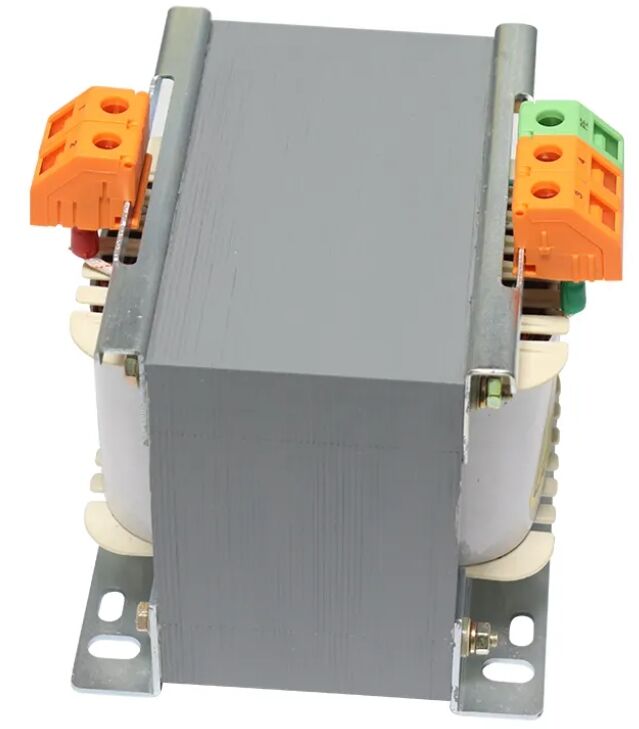
ਬਿਜਲੀ ਬੁਨਿਆਦੀ ਢਾਂਚੇ ਦੀਆਂ ਪਰਿਯੋਜਨਾਵਾਂ ਲਈ ਸਹੀ ਟਰਾਂਸਫਾਰਮਰ ਤਕਨਾਲੋਜੀ ਦੀ ਚੋਣ ਕਰਨ ਲਈ ਸੁਰੱਖਿਆ ਲੋੜਾਂ, ਵਾਤਾਵਰਣਿਕ ਸਥਿਤੀਆਂ, ਰੱਖ-ਰਖਾਅ ਯੋਗਤਾਵਾਂ ਅਤੇ ਲੰਬੇ ਸਮੇਂ ਦੀਆਂ ਕਾਰਜਸ਼ੀਲ ਲਾਗਤਾਂ ਸਮੇਤ ਕਈ ਕਾਰਕਾਂ 'ਤੇ ਗੌਰ ਕਰਨਾ ਜ਼ਰੂਰੀ ਹੈ। ਤੇਲ ਵਿਚ ਡੁਬੋਏ ਹੋਏ ਟਰਾਂਸਫਾਰਮਰ ਸਿਸਟਮਾਂ ਅਤੇ ਸੁੱਕੇ ਕਿਸਮ ਦੇ ਵਿਕਲਪਾਂ ਵਿਚਕਾਰ ਫੈਸਲਾ ਵੱਖ-ਵੱਖ ਉਦਯੋਗਿਕ ਅਨੁਪ੍ਰਯੋਗਾਂ ਵਿੱਚ ਪਰਿਯੋਜਨਾ ਦੀ ਸਫਲਤਾ, ਕਾਰਜਸ਼ੀਲ ਕੁਸ਼ਲਤਾ ਅਤੇ ਨਿਯਮਤ ਅਨੁਪਾਲਨ 'ਤੇ ਮਹੱਤਵਪੂਰਨ ਪ੍ਰਭਾਵ ਪਾਉਂਦਾ ਹੈ।
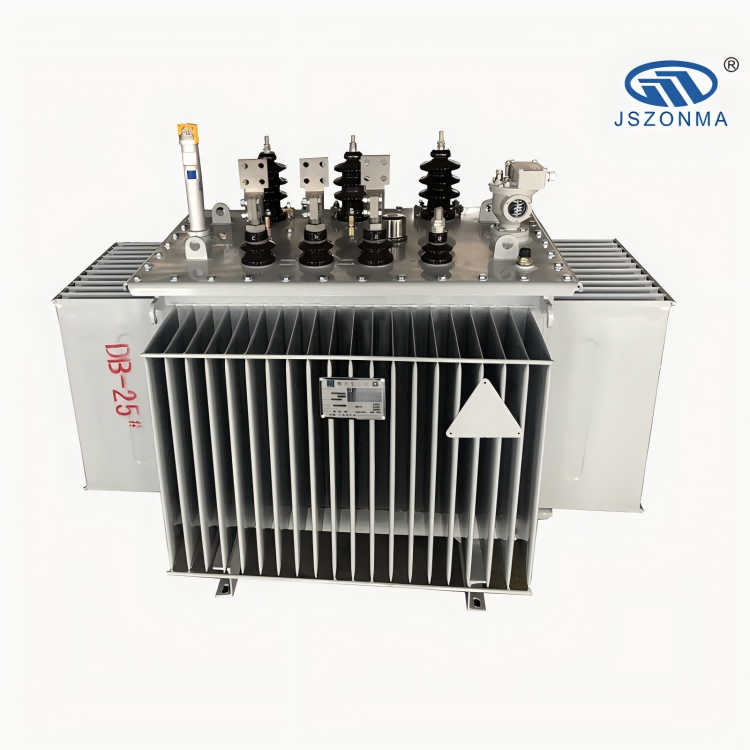
ਇਹਨਾਂ ਟਰਾਂਸਫਾਰਮਰ ਤਕਨਾਲੋਜੀਆਂ ਵਿਚਕਾਰ ਮੂਲ ਅੰਤਰਾਂ ਨੂੰ ਸਮਝਣਾ ਇੰਜੀਨੀਅਰਾਂ ਅਤੇ ਸੁਵਿਧਾ ਮੈਨੇਜਰਾਂ ਨੂੰ ਖਾਸ ਕਾਰਜਸ਼ੀਲ ਲੋੜਾਂ ਨਾਲ ਮੇਲ ਖਾਂਦੇ ਸੂਚਿਤ ਫੈਸਲੇ ਲੈਣ ਦੇ ਯੋਗ ਬਣਾਉਂਦਾ ਹੈ। ਹਰੇਕ ਤਕਨਾਲੋਜੀ ਵਿਸ਼ੇਸ਼ ਸਥਾਪਨਾ ਵਾਤਾਵਰਣਾਂ, ਲੋਡ ਵਿਸ਼ੇਸ਼ਤਾਵਾਂ ਅਤੇ ਪ੍ਰਦਰਸ਼ਨ ਦੀਆਂ ਉਮੀਦਾਂ ਦੇ ਸੰਦਰਭ ਵਿੱਚ ਮੁਲਾਂਕਣ ਕਰਨ ਲਈ ਵੱਖਰੇ ਫਾਇਦੇ ਅਤੇ ਸੀਮਾਵਾਂ ਪ੍ਰਦਾਨ ਕਰਦੀ ਹੈ।
ਤੇਲ ਵਿਚ ਡੁਬੋਏ ਹੋਏ ਟਰਾਂਸਫਾਰਮਰ ਤਕਨਾਲੋਜੀ ਨੂੰ ਸਮਝਣਾ
ਮੁੱਢਲੇ ਡਿਜ਼ਾਈਨ ਸਿਧਾਂਤ ਅਤੇ ਨਿਰਮਾਣ
ਤੇਲ ਵਿੱਚ ਡੁਬੋਏ ਟਰਾਂਸਫਾਰਮਰ ਖਣਿਜ ਤੇਲ ਨੂੰ ਇੱਕ ਨਿਰਵਾਹਕ ਮਾਧਿਅਮ ਅਤੇ ਠੰਢਕ ਏਜੰਟ ਦੋਵਾਂ ਦੇ ਤੌਰ 'ਤੇ ਵਰਤਦੇ ਹਨ, ਜੋ ਇੱਕ ਉੱਚ ਕੁਸ਼ਲ ਥਰਮਲ ਪ੍ਰਬੰਧਨ ਪ੍ਰਣਾਲੀ ਬਣਾਉਂਦੇ ਹਨ ਜੋ ਸੁਪੀਰੀਅਰ ਪਾਵਰ ਘਣਤਾ ਗੁਣਾਂ ਵਾਲੀਆਂ ਸੰਕੁਚਿਤ ਡਿਜ਼ਾਈਨਾਂ ਨੂੰ ਸੰਭਵ ਬਣਾਉਂਦੀ ਹੈ। ਟਰਾਂਸਫਾਰਮਰ ਕੋਰ ਅਤੇ ਵਾਇੰਡਿੰਗਾਂ ਨੂੰ ਇੱਕ ਸੀਲ ਕੀਤੇ ਟੈਂਕ ਪ੍ਰਣਾਲੀ ਵਿੱਚ ਵਿਸ਼ੇਸ਼ ਤੌਰ 'ਤੇ ਸ਼ੁੱਧ ਖਣਿਜ ਤੇਲ ਵਿੱਚ ਪੂਰੀ ਤਰ੍ਹਾਂ ਡੁਬੋਇਆ ਜਾਂਦਾ ਹੈ ਜੋ ਨਮੀ ਦੇ ਪ੍ਰਵੇਸ਼ ਅਤੇ ਆਕਸੀਕਰਨ ਨੂੰ ਰੋਕਦਾ ਹੈ।
ਠੰਢਕ ਤੇਲ ਕੁਦਰਤੀ ਤੌਰ 'ਤੇ ਸੰਵਹਨ ਜਾਂ ਜ਼ਬਰਦਸਤੀ ਸੰਚਾਰ ਪ੍ਰਣਾਲੀਆਂ ਰਾਹੀਂ ਘੁੰਮਦਾ ਹੈ, ਜੋ ਵਾਇੰਡਿੰਗਾਂ ਤੋਂ ਬਾਹਰੀ ਰੇਡੀਏਟਰਾਂ ਜਾਂ ਠੰਢਕ ਟਿਊਬਾਂ ਤੱਕ ਗਰਮੀ ਨੂੰ ਸਥਾਨਾਂਤਰਿਤ ਕਰਦਾ ਹੈ। ਇਸ ਡਿਜ਼ਾਈਨ ਦ੍ਰਸ਼ਟੀਕੋਣ ਨਾਲ ਨਿਰਮਾਤਾ ਹਵਾ-ਠੰਢਕ ਵਿਕਲਪਾਂ ਦੇ ਮੁਕਾਬਲੇ ਛੋਟੇ ਭੌਤਿਕ ਆਕਾਰ ਵਿੱਚ ਉੱਚ ਪਾਵਰ ਰੇਟਿੰਗ ਪ੍ਰਾਪਤ ਕਰਨ ਲਈ ਸੰਭਵ ਬਣਾਉਂਦਾ ਹੈ, ਜੋ ਕਿ ਸਪੇਸ-ਸੀਮਤ ਸਥਾਪਨਾਵਾਂ ਲਈ ਇਹਨਾਂ ਪ੍ਰਣਾਲੀਆਂ ਨੂੰ ਵਿਸ਼ੇਸ਼ ਤੌਰ 'ਤੇ ਆਕਰਸ਼ਕ ਬਣਾਉਂਦਾ ਹੈ।
ਐਡਵਾਂਸਡ ਤੇਲ ਸੁਰੱਖਿਆ ਪ੍ਰਣਾਲੀਆਂ ਵਿੱਚ ਸੰਰਖਿਆਤਮਕ ਟੈਂਕ, ਸਾਹ ਲੈਣ ਵਾਲੀਆਂ ਪ੍ਰਣਾਲੀਆਂ ਅਤੇ ਦਬਾਅ ਰਾਹਤ ਉਪਕਰਣ ਸ਼ਾਮਲ ਹੁੰਦੇ ਹਨ ਜੋ ਟ੍ਰਾਂਸਫਾਰਮਰ ਦੇ ਕਾਰਜਸ਼ੀਲ ਜੀਵਨ ਕਾਲ ਦੌਰਾਨ ਤੇਲ ਦੀਆਂ ਇਸ਼ਟਤਮ ਸਥਿਤੀਆਂ ਬਣਾਈ ਰੱਖਦੇ ਹਨ। ਆਧੁਨਿਕ ਡਿਜ਼ਾਈਨਾਂ ਵਿੱਚ ਜਟਿਲ ਮਾਨੀਟਰਿੰਗ ਪ੍ਰਣਾਲੀਆਂ ਸ਼ਾਮਲ ਹੁੰਦੀਆਂ ਹਨ ਜੋ ਤੇਲ ਦੀ ਗੁਣਵੱਤਾ, ਤਾਪਮਾਨ ਪ੍ਰੋਫਾਈਲਾਂ ਅਤੇ ਘੁਲਿਤ ਗੈਸ ਵਿਸ਼ਲੇਸ਼ਣ ਨੂੰ ਟਰੈਕ ਕਰਦੀਆਂ ਹਨ ਤਾਂ ਜੋ ਰੱਖ-ਰਖਾਅ ਦੀਆਂ ਲੋੜਾਂ ਨੂੰ ਭਵਿੱਖ ਵਿੱਚ ਅਨੁਮਾਨਿਤ ਕੀਤਾ ਜਾ ਸਕੇ ਅਤੇ ਭਿਆਨਕ ਅਸਫਲਤਾਵਾਂ ਨੂੰ ਰੋਕਿਆ ਜਾ ਸਕੇ।
ਥਰਮਲ ਪ੍ਰਦਰਸ਼ਨ ਅਤੇ ਕੁਸ਼ਲਤਾ ਗੁਣ
ਟ੍ਰਾਂਸਫਾਰਮਰ ਤੇਲ ਦੀ ਉੱਤਮ ਥਰਮਲ ਚਾਲਕਤਾ ਅਸਾਧਾਰਨ ਗਰਮੀ ਦੇ ਫੈਲਾਅ ਦੀਆਂ ਯੋਗਤਾਵਾਂ ਨੂੰ ਸੰਭਵ ਬਣਾਉਂਦੀ ਹੈ ਜੋ ਸਿੱਧੇ ਤੌਰ 'ਤੇ ਬਿਹਤਰ ਬਿਜਲੀ ਪ੍ਰਦਰਸ਼ਨ ਅਤੇ ਵਧੇਰੇ ਉਪਕਰਣ ਜੀਵਨ ਕਾਲ ਨਾਲ ਜੁੜੀ ਹੁੰਦੀ ਹੈ। ਤੇਲ ਵਿੱਚ ਡੁੱਬੇ ਡਿਜ਼ਾਈਨ ਆਮ ਤੌਰ 'ਤੇ ਬਰਾਬਰ ਲੋਡਿੰਗ ਸਥਿਤੀਆਂ ਹੇਠ ਘੱਟ ਵਾਇੰਡਿੰਗ ਤਾਪਮਾਨ 'ਤੇ ਕੰਮ ਕਰਦੇ ਹਨ, ਜੋ ਥਰਮਲ ਤਣਾਅ ਨੂੰ ਘਟਾਉਂਦੇ ਹਨ ਅਤੇ ਇਨਸੂਲੇਸ਼ਨ ਦੀ ਲੰਬੀ ਉਮਰ ਨੂੰ ਬਿਹਤਰ ਬਣਾਉਂਦੇ ਹਨ।
ਇਹ ਥਰਮਲ ਫਾਇਦੇ ਸੁੱਕੀ ਕਿਸਮ ਦੇ ਵਿਕਲਪਾਂ ਦੀ ਤੁਲਨਾ ਵਿੱਚ ਉੱਚ ਨਿਰੰਤਰ ਲੋਡਿੰਗ ਯੋਗਤਾਵਾਂ ਅਤੇ ਬਿਹਤਰ ਓਵਰਲੋਡ ਸਮਰੱਥਾ ਨੂੰ ਸੰਭਵ ਬਣਾਉਂਦੇ ਹਨ। ਤੇਲ ਦੇ ਥਰਮਲ ਪੁੰਜ ਵੀ ਲੋਡ ਲੈਵਲਿੰਗ ਦੇ ਫਾਇਦੇ ਪ੍ਰਦਾਨ ਕਰਦੇ ਹਨ, ਜੋ ਟ੍ਰਾਂਸਫਾਰਮਰ ਨੂੰ ਤਾਪਮਾਨ ਵਿੱਚ ਵਧੇਰੇ ਵਾਧੇ ਤੋਂ ਬਿਨਾਂ ਅਸਥਾਈ ਲੋਡ ਸਪਾਈਕਸ ਨੂੰ ਸੰਭਾਲਣ ਦੀ ਆਗਿਆ ਦਿੰਦੇ ਹਨ ਜੋ ਇਨਸੂਲੇਸ਼ਨ ਸਿਸਟਮਾਂ ਨੂੰ ਨੁਕਸਾਨ ਪਹੁੰਚਾ ਸਕਦੇ ਹਨ।
ਆਧੁਨਿਕ ਡਿਜ਼ਾਈਨਾਂ ਲਈ ਕੁਸ਼ਲਤਾ ਰੇਟਿੰਗ ਤੇਲ ਨਾਲ ਡੁੱਬਿਆ ਟਰਾਂਸਫਾਰਮਰ ਪੂਰੇ ਲੋਡ 'ਤੇ ਅਕਸਰ 99.5 ਪ੍ਰਤੀਸ਼ਤ ਤੋਂ ਵੱਧ ਜਾਂਦੀ ਹੈ, ਘੱਟ ਊਰਜਾ ਖਪਤ ਰਾਹੀਂ ਘੱਟ ਕਾਰਜਸ਼ੀਲ ਲਾਗਤਾਂ ਅਤੇ ਘੱਟ ਵਾਤਾਵਰਣਿਕ ਪ੍ਰਭਾਵ ਵੱਲ ਯੋਗਦਾਨ ਪਾਉਂਦੀ ਹੈ। ਸਥਿਰ ਥਰਮਲ ਮਾਹੌਲ ਵੱਖ-ਵੱਖ ਵਾਤਾਵਰਣਿਕ ਹਾਲਾਤਾਂ ਵਿੱਚ ਇਲੈਕਟ੍ਰਿਕਲ ਵਿਸ਼ੇਸ਼ਤਾਵਾਂ ਨੂੰ ਸਥਿਰ ਰੱਖਣਾ ਵੀ ਯਕੀਨੀ ਬਣਾਉਂਦਾ ਹੈ।
ਸੁੱਕੀ ਕਿਸਮ ਟ੍ਰਾਂਸਫਾਰਮਰ ਦੇ ਮੂਲ ਸਿਧਾਂਤ
ਏਅਰ-ਕੂਲਡ ਡਿਜ਼ਾਈਨ ਆਰਕੀਟੈਕਚਰ
ਸੁੱਕੀ ਕਿਸਮ ਦੇ ਟਰਾਂਸਫਾਰਮਰ ਹਵਾ ਦੇ ਠੰਢਾ ਤਰੀਕੇ ਨਾਲ ਜੁੜੇ ਠੋਸ ਇਨਸੂਲੇਸ਼ਨ ਸਮੱਗਰੀ ਦੇ ਪ੍ਰਬੰਧ ਨੂੰ ਤਰਲ ਇਨਸੂਲੇਸ਼ਨ ਪ੍ਰਣਾਲੀਆਂ 'ਤੇ ਤਰਜੀਹ ਦਿੰਦੇ ਹਨ। ਵਾਇੰਡਿੰਗਜ਼ ਐਪੋਕਸੀ ਰਾਲ ਜਾਂ ਇਸੇ ਤਰ੍ਹਾਂ ਦੀਆਂ ਸਮੱਗਰੀਆਂ ਵਿੱਚ ਸੀਲਬੰਦ ਹੁੰਦੀਆਂ ਹਨ ਜੋ ਬਿਜਲੀ ਦੇ ਇਨਸੂਲੇਸ਼ਨ ਪ੍ਰਦਾਨ ਕਰਦੀਆਂ ਹਨ ਅਤੇ ਕੁਦਰਤੀ ਜਾਂ ਜਬਰੀ ਸੰਵੇਦਨਸ਼ੀਲਤਾ ਰਾਹੀਂ ਆਸ ਪਾਸ ਦੀ ਹਵਾ ਨੂੰ ਸਿੱਧੀ ਤੌਰ 'ਤੇ ਗਰਮੀ ਦਾ ਅੰਤਰ ਕਰਨ ਦੀ ਆਗਿਆ ਦਿੰਦੀਆਂ ਹਨ।
ਇਹ ਡਿਜ਼ਾਈਨ ਖਾਸ ਤੌਰ 'ਤੇ ਵੈਂਟੀਲੇਸ਼ਨ ਪ੍ਰਣਾਲੀਆਂ ਅਤੇ ਹੀਟ ਸਿੰਕ ਕਾਨਫਿਗਰੇਸ਼ਨਾਂ ਨੂੰ ਸ਼ਾਮਲ ਕਰਦੀਆਂ ਹਨ ਜੋ ਕੁਸ਼ਲ ਥਰਮਲ ਮੈਨੇਜਮੈਂਟ ਲਈ ਸਤ੍ਹਾ ਖੇਤਰ ਦੇ ਨਿਰਯਾਤ ਨੂੰ ਵੱਧ ਤੋਂ ਵੱਧ ਕਰਦੀਆਂ ਹਨ। ਢਲਵੀਆਂ ਹੋਈਆਂ ਰਾਲ ਵਾਲੀਆਂ ਵਾਇੰਡਿੰਗਜ਼ ਉੱਤਮ ਮਕੈਨੀਕਲ ਤਾਕਤ ਅਤੇ ਵਾਤਾਵਰਣਕ ਦੂਸ਼ਣ ਪ੍ਰਤੀ ਪ੍ਰਤੀਰੋਧ ਪ੍ਰਦਾਨ ਕਰਦੀਆਂ ਹਨ, ਜੋ ਉਹਨਾਂ ਸਥਾਪਨਾਵਾਂ ਲਈ ਢੁਕਵੀਆਂ ਬਣਾਉਂਦੀਆਂ ਹਨ ਜਿੱਥੇ ਅੱਗ ਸੁਰੱਖਿਆ ਅਤੇ ਵਾਤਾਵਰਣਕ ਸੁਰੱਖਿਆ ਮੁੱਖ ਚਿੰਤਾਵਾਂ ਹੁੰਦੀਆਂ ਹਨ।
ਆਧੁਨਿਕ ਡਰਾਈ ਟਾਈਪ ਡਿਜ਼ਾਈਨਜ਼ ਅਰਾਮਿਡ ਪੇਪਰ ਇਨਸੂਲੇਸ਼ਨ, ਸਿਲੀਕਾਨ ਰਬੜ ਕੰਪਾਊਂਡ, ਅਤੇ ਵਿਸ਼ੇਸ਼ ਕੂਲਿੰਗ ਡੱਕਟ ਐਰੇਂਜਮੈਂਟਸ ਸਮੇਤ ਉੱਨਤ ਸਮੱਗਰੀ ਦੀ ਵਰਤੋਂ ਕਰਦੇ ਹਨ ਜੋ ਹਵਾ ਦੇ ਪ੍ਰਵਾਹ ਪੈਟਰਨ ਨੂੰ ਅਨੁਕੂਲ ਬਣਾਉਂਦੇ ਹਨ। ਇਹ ਨਵੀਨਤਾਵਾਂ ਹਵਾ-ਠੰਡਾ ਟਰਾਂਸਫਾਰਮਰ ਸਿਸਟਮਾਂ ਦੀ ਪਾਵਰ ਡਿਨਸਿਟੀ ਅਤੇ ਥਰਮਲ ਪ੍ਰਦਰਸ਼ਨ ਵਿੱਚ ਮਹੱਤਵਪੂਰਨ ਸੁਧਾਰ ਕੀਤਾ ਹੈ।
ਸੁਰੱਖਿਆ ਅਤੇ ਵਾਤਾਵਰਣਿਕ ਫਾਇਦੇ
ਡਰਾਈ ਟਾਈਪ ਟਰਾਂਸਫਾਰਮਰਾਂ ਵਿੱਚ ਜਲਣਸ਼ੀਲ ਤਰਲ ਪਦਾਰਥਾਂ ਦੀ ਗੈਰ-ਮੌਜੂਦਗੀ ਤੇਲ ਦੇ ਰਿਸਣ ਨਾਲ ਜੁੜੇ ਅੱਗ ਦੇ ਜੋਖਮਾਂ ਨੂੰ ਖਤਮ ਕਰਦੀ ਹੈ ਅਤੇ ਬੀਮਾ ਪ੍ਰੀਮੀਅਮਾਂ ਅਤੇ ਨਿਯਮਨ ਪਾਲਣ ਲੋੜਾਂ ਨੂੰ ਘਟਾਉਂਦੀ ਹੈ। ਇਹ ਸਿਸਟਮ ਵਿਸ਼ੇਸ਼ ਅੱਗ ਦਮਨ ਪ੍ਰਣਾਲੀਆਂ ਜਾਂ ਕੰਟੇਨਮੈਂਟ ਸਟਰਕਚਰਾਂ ਦੀ ਲੋੜ ਤੋਂ ਬਿਨਾਂ ਕਬਜ਼ੇ ਵਾਲੀਆਂ ਇਮਾਰਤਾਂ, ਜ਼ਮੀਨ ਹੇਠਲੀਆਂ ਤਹਿਖਾਨਿਆਂ ਅਤੇ ਵਾਤਾਵਰਣਿਕ ਤੌਰ 'ਤੇ ਸੰਵੇਦਨਸ਼ੀਲ ਖੇਤਰਾਂ ਵਿੱਚ ਸਥਾਪਿਤ ਕੀਤੇ ਜਾ ਸਕਦੇ ਹਨ।
ਪਰਜੀਵਨਕ ਲਾਭਾਂ ਵਿੱਚ ਤੇਲ ਨੂੰ ਖਤਮ ਕਰਨ ਦੀਆਂ ਚਿੰਤਾਵਾਂ, ਮਿੱਟੀ ਅਤੇ ਭੂਮੀ ਹੇਠਲੇ ਪਾਣੀ ਦੇ ਪ੍ਰਦੂਸ਼ਣ ਦੇ ਜੋਖਮ ਵਿੱਚ ਕਮੀ ਅਤੇ ਜੀਵਨ ਦੇ ਅੰਤ 'ਤੇ ਨਿਪੁੰਗ ਕਰਨ ਦੀਆਂ ਕਾਰਵਾਈਆਂ ਵਿੱਚ ਸਰਲਤਾ ਸ਼ਾਮਲ ਹੈ। ਡਰਾਈ ਟਾਈਪ ਟਰਾਂਸਫਾਰਮਰ ਉਹਨਾਂ ਚਰਮ ਤਾਪਮਾਨ ਵਾਲੇ ਵਾਤਾਵਰਣਾਂ ਵਿੱਚ ਵੀ ਪ੍ਰਭਾਵਸ਼ਾਲੀ ਢੰਗ ਨਾਲ ਕੰਮ ਕਰਦੇ ਹਨ ਜਿੱਥੇ ਤੇਲ ਦੀ ਸੰਘਣਤਾ ਵਿੱਚ ਬਦਲਾਅ ਪ੍ਰਦਰਸ਼ਨ ਨੂੰ ਪ੍ਰਭਾਵਿਤ ਕਰ ਸਕਦਾ ਹੈ।
ਸਥਾਪਤੀ ਦੀ ਲਚਕਤਾ ਉਹਨਾਂ ਖੇਤਰਾਂ ਵਿੱਚ ਸਥਾਪਨਾ ਕਰਨ ਦੀ ਆਗਿਆ ਦਿੰਦੀ ਹੈ ਜਿੱਥੇ ਵੈਂਟੀਲੇਸ਼ਨ ਸੀਮਿਤ ਹੈ, ਕਰਮਚਾਰੀਆਂ ਦੇ ਕੰਮ ਵਾਲੇ ਖੇਤਰਾਂ ਦੇ ਨੇੜੇ ਅਤੇ ਉਹਨਾਂ ਥਾਵਾਂ 'ਤੇ ਜਿੱਥੇ ਤੇਲ ਦੇ ਰਿਸਣ ਨੂੰ ਸੀਮਿਤ ਕਰਨਾ ਅਵਿਹਾਰਕ ਜਾਂ ਪ੍ਰਭਾਵਸ਼ਾਲੀ ਢੰਗ ਨਾਲ ਲਾਗੂ ਕਰਨਾ ਅਸੰਭਵ ਹੋਵੇ।
ਪ੍ਰਦਰਸ਼ਨ ਤੁਲਨਾ ਵਿਸ਼ਲੇਸ਼ਣ
ਬਿਜਲੀ ਗੁਣ ਅਤੇ ਲੋਡਿੰਗ ਸਮਰੱਥਾ
ਆਮ ਤੌਰ 'ਤੇ ਤੇਲ ਵਿੱਚ ਡੁਬੋਏ ਟਰਾਂਸਫਾਰਮਰ ਡਿਜ਼ਾਈਨ ਆਪਣੇ ਵਧੀਆ ਥਰਮਲ ਮੈਨੇਜਮੈਂਟ ਗੁਣਾਂ ਕਾਰਨ ਸੁਪੀਰੀਅਰ ਓਵਰਲੋਡ ਯੋਗਤਾਵਾਂ ਪ੍ਰਦਾਨ ਕਰਦੇ ਹਨ। ਤੇਲ ਸਿਸਟਮ ਦੇ ਥਰਮਲ ਪੁੰਜ ਵਿੱਚ ਡੈਪਿੰਗ ਪ੍ਰਭਾਵ ਹੁੰਦੇ ਹਨ ਜੋ ਇਹਨਾਂ ਟਰਾਂਸਫਾਰਮਰਾਂ ਨੂੰ ਸੁਕਾਅ ਟਾਈਪ ਵਿਕਲਪਾਂ ਨਾਲੋਂ ਲੋਡ ਵਿੱਚ ਵਾਧਾ ਨੂੰ ਵਧੀਆ ਢੰਗ ਨਾਲ ਸੰਭਾਲਣ ਦੀ ਆਗਿਆ ਦਿੰਦੇ ਹਨ।
ਦੋਵਾਂ ਤਕਨਾਲੋਜੀਆਂ ਦੇ ਵੋਲਟੇਜ ਨਿਯਮਨ ਗੁਣਾਂ ਵਿੱਚ ਫਰਕ ਹੁੰਦਾ ਹੈ, ਜਿਸ ਵਿੱਚ ਤੇਲ ਵਿੱਚ ਡੁਬੋਏ ਗਏ ਯੂਨਿਟਾਂ ਆਮ ਤੌਰ 'ਤੇ ਵੱਖ-ਵੱਖ ਲੋਡ ਸਥਿਤੀਆਂ ਦੇ ਅਧੀਨ ਵਧੇਰੇ ਸਥਿਰ ਪ੍ਰਦਰਸ਼ਨ ਪ੍ਰਦਾਨ ਕਰਦੀਆਂ ਹਨ। ਬਿਹਤਰ ਠੰਢਕ ਪ੍ਰਭਾਵਸ਼ੀਲਤਾ ਬਰਾਬਰ ਭੌਤਿਕ ਆਕਾਰਾਂ ਵਿੱਚ ਉੱਚ ਨਿਰੰਤਰ ਰੇਟਿੰਗਾਂ ਨੂੰ ਵੀ ਸਮਰੱਥ ਬਣਾਉਂਦੀ ਹੈ, ਜੋ ਕਿ ਵੱਡੀਆਂ ਸਥਾਪਨਾਵਾਂ ਲਈ ਪ੍ਰਾਰੰਭਕ ਪੂੰਜੀ ਲਾਗਤ ਨੂੰ ਘਟਾ ਸਕਦੀ ਹੈ।
ਡਿਜ਼ਾਈਨਾਂ ਵਿਚਕਾਰ ਛੋਟ ਸਰਕਟ ਸਹਿਣਸ਼ੀਲਤਾ ਦੀਆਂ ਯੋਗਤਾਵਾਂ ਵਿੱਚ ਫਰਕ ਹੁੰਦਾ ਹੈ, ਜਿਸ ਵਿੱਚ ਤੇਲ ਵਿੱਚ ਡੁਬੋਏ ਗਏ ਟਰਾਂਸਫਾਰਮਰ ਅਕਸਰ ਦੋਸ਼ ਸਥਿਤੀਆਂ ਹੇਠਾਂ ਵਾਇੰਡਿੰਗਾਂ ਲਈ ਉੱਤਮ ਮਕੈਨੀਕਲ ਸਹਾਇਤਾ ਪ੍ਰਦਾਨ ਕਰਦੇ ਹਨ। ਹਾਲਾਂਕਿ, ਢਲਵੀ ਰਾਲ ਵਾਲੀਆਂ ਆਧੁਨਿਕ ਡਰਾਈ ਟਾਈਪ ਡਿਜ਼ਾਈਨਾਂ ਮਜ਼ਬੂਤ ਮਕੈਨੀਕਲ ਤਾਕਤ ਅਤੇ ਦੋਸ਼ ਸਹਿਣਸ਼ੀਲਤਾ ਗੁਣਾਂ ਦੀ ਪੇਸ਼ਕਸ਼ ਕਰਦੀਆਂ ਹਨ।
ਮੇਨਟੇਨੈਂਸ ਦੀਆਂ ਲੋੜਾਂ ਅਤੇ ਕਾਰਜਾਤਮਕ ਵਿਚਾਰ
ਤੇਲ ਵਿੱਚ ਡੁੱਬੇ ਟਰਾਂਸਫਾਰਮਰਾਂ ਨੂੰ ਮੁਰੰਮਤ ਦੇ ਕਾਰਜਕ੍ਰਮਾਂ ਵਿੱਚ ਜਟਿਲਤਾ ਅਤੇ ਲਾਗਤ ਸ਼ਾਮਲ ਕਰਨ ਲਈ ਮਿਆਦ ਵਾਰ ਤੇਲ ਦੀ ਨਮੂਨਾ ਲੈਣ, ਫਿਲਟਰੇਸ਼ਨ, ਅਤੇ ਬਦਲਾਅ ਦੀਆਂ ਪ੍ਰਕਿਰਿਆਵਾਂ ਦੀ ਲੋੜ ਹੁੰਦੀ ਹੈ। ਤੇਲ ਦੀ ਗੁਣਵੱਤਾ ਦੀ ਨਿਗਰਾਨੀ, ਘੁਲੇ ਹੋਏ ਗੈਸ ਵਿਸ਼ਲੇਸ਼ਣ, ਅਤੇ ਬਸ਼ਿੰਗ ਮੁਰੰਮਤ ਨਿਰੰਤਰ ਕਾਰਜਾਤਮਕ ਲੋੜਾਂ ਹਨ ਜਿਨ੍ਹਾਂ ਨੂੰ ਜੀਵਨ ਚੱਕਰ ਲਾਗਤ ਗਣਨਾਵਾਂ ਵਿੱਚ ਸ਼ਾਮਲ ਕਰਨਾ ਚਾਹੀਦਾ ਹੈ।
ਸੁੱਕੇ ਕਿਸਮ ਦੇ ਟਰਾਂਸਫਾਰਮਰ ਸਾਫ਼-ਸਫਾਈ, ਕੁਨੈਕਸ਼ਨ ਜਾਂਚ, ਅਤੇ ਵੈਂਟੀਲੇਸ਼ਨ ਸਿਸਟਮ ਮੁਰੰਮਤ 'ਤੇ ਮੁੱਖ ਧਿਆਨ ਕੇਂਦਰਤ ਕਰਕੇ ਸਰਲ ਮੁਰੰਮਤ ਪ੍ਰਕਿਰਿਆਵਾਂ ਪ੍ਰਦਾਨ ਕਰਦੇ ਹਨ। ਤਰਲ ਸਿਸਟਮਾਂ ਦੀ ਗੈਰ-ਮੌਜੂਦਗੀ ਤੇਲ ਨਾਲ ਸਬੰਧਤ ਪ੍ਰਕਿਰਿਆਵਾਂ, ਨਮੂਨਾ ਲੈਣ ਦੀਆਂ ਲੋੜਾਂ, ਅਤੇ ਦੂਸ਼ਿਤ ਤੇਲ ਨਾਲ ਸਬੰਧਤ ਵਾਤਾਵਰਣਕ ਨਿਪਟਾਰਾ ਚਿੰਤਾਵਾਂ ਨੂੰ ਖਤਮ ਕਰ ਦਿੰਦੀ ਹੈ।
ਪੂਰਵ-ਅਨੁਮਾਨ ਮੁਰੰਮਤ ਤਕਨੀਕਾਂ ਤਕਨਾਲੋਜੀਆਂ ਵਿਚਕਾਰ ਕਾਫ਼ੀ ਵੱਖਰੀਆਂ ਹੁੰਦੀਆਂ ਹਨ, ਤੇਲ ਵਿੱਚ ਡੁੱਬੇ ਯੂਨਿਟਾਂ ਨੂੰ ਮਜ਼ਬੂਤ ਤੇਲ ਵਿਸ਼ਲੇਸ਼ਣ ਪ੍ਰਕਿਰਿਆਵਾਂ ਤੋਂ ਲਾਭ ਹੁੰਦਾ ਹੈ ਜਦੋਂ ਕਿ ਸੁੱਕੇ ਕਿਸਮ ਦੇ ਸਿਸਟਮ ਥਰਮਲ ਇਮੇਜਿੰਗ, ਅੰਸ਼ਕ ਨਿਕਾਸ ਟੈਸਟਿੰਗ, ਅਤੇ ਦ੍ਰਿਸ਼ਟੀਕੋਣ ਜਾਂਚ ਪ੍ਰੋਟੋਕੋਲ 'ਤੇ ਵੱਧ ਨਿਰਭਰ ਹੁੰਦੇ ਹਨ।
ਐਪਲੀਕੇਸ਼ਨ-ਸਪੀਸ਼ਲ ਚੋਣ ਮਾਇਦਾਨ
ਉਦਯੋਗਿਕ ਅਤੇ ਉਪਯੋਗਤਾ ਅਰਜ਼ੀਆਂ
ਵੱਡੇ ਪੱਧਰ 'ਤੇ ਉਦਯੋਗਿਕ ਸੁਵਿਧਾਵਾਂ ਅਤੇ ਯੂਟਿਲਿਟੀ ਸਬਸਟੇਸ਼ਨਾਂ ਨੂੰ ਉੱਚ ਸ਼ਕਤੀ ਵਾਲੇ ਅਨੁਪ्रਯੋਗਾਂ ਲਈ ਬਿਹਤਰ ਪਾਵਰ ਡਿਜ਼ਨਟੀ, ਥਰਮਲ ਪ੍ਰਦਰਸ਼ਨ ਅਤੇ ਲਾਗਤ-ਪ੍ਰਭਾਵਸ਼ੀਲਤਾ ਕਾਰਨ ਆਇਲ ਇਮਰਸਡ ਟਰਾਂਸਫਾਰਮਰ ਤਕਨਾਲੋਜੀ ਨੂੰ ਤਰਜੀਹ ਦਿੰਦੀ ਹੈ। ਮੌਜੂਦਾ ਤਕਨਾਲੋਜੀ ਆਧਾਰ ਅਤੇ ਵਿਆਪਕ ਸੇਵਾ ਬੁਨਿਆਦੀ ਢਾਂਚਾ ਇਹਨਾਂ ਸਿਸਟਮਾਂ ਨੂੰ ਵੱਧ ਤੋਂ ਵੱਧ ਭਰੋਸੇਯੋਗਤਾ ਦੀ ਲੋੜ ਵਾਲੇ ਮਹੱਤਵਪੂਰਨ ਬਿਜਲੀ ਅਨੁਪ्रਯੋਗਾਂ ਲਈ ਆਕਰਸ਼ਕ ਬਣਾਉਂਦਾ ਹੈ।
ਖਣਨ ਕਾਰਜ, ਸਟੀਲ ਮਿੱਲਾਂ, ਅਤੇ ਭਾਰੀ ਉਤਪਾਦਨ ਸੁਵਿਧਾਵਾਂ ਆਮ ਤੌਰ 'ਤੇ ਆਇਲ ਇਮਰਸਡ ਡਿਜ਼ਾਈਨਾਂ ਦੀ ਵਰਤੋਂ ਘਾਤਕ ਲੋਡਿੰਗ ਸਥਿਤੀਆਂ ਨੂੰ ਸੰਭਾਲਣ ਅਤੇ ਚੁਣੌਤੀਪੂਰਨ ਪਰਯਆਵਰਣਕ ਸਥਿਤੀਆਂ ਵਿੱਚ ਲਗਾਤਾਰ ਪ੍ਰਦਰਸ਼ਨ ਪ੍ਰਦਾਨ ਕਰਨ ਲਈ ਕਰਦੀਆਂ ਹਨ। ਮਜ਼ਬੂਤ ਨਿਰਮਾਣ ਅਤੇ ਸਾਬਤ ਭਰੋਸੇਯੋਗਤਾ ਰਿਕਾਰਡ ਇਹਨਾਂ ਟਰਾਂਸਫਾਰਮਰਾਂ ਨੂੰ ਉਹਨਾਂ ਅਨੁਪ्रਯੋਗਾਂ ਲਈ ਢੁੱਕਵੇਂ ਬਣਾਉਂਦਾ ਹੈ ਜਿੱਥੇ ਡਾਊਨਟਾਈਮ ਲਾਗਤਾਂ ਬਹੁਤ ਉੱਚੀਆਂ ਹੁੰਦੀਆਂ ਹਨ।
ਊਰਜਾ ਵਿਸਤਾਰ ਵਿਸ਼ੇਸ਼ ਤੌਰ 'ਤੇ ਮਾਪੇ ਗਏ ਡਿਜ਼ਾਈਨ, ਸਥਾਪਿਤ ਰੱਖ-ਰਖਾਅ ਪ੍ਰਕਿਰਿਆਵਾਂ ਅਤੇ ਤੇਲ ਨਾਲ ਭਰੇ ਟਰਾਂਸਫਾਰਮਰ ਤਕਨਾਲੋਜੀ ਨਾਲ ਜੁੜੇ ਵਿਆਪਕ ਸੇਵਾ ਪ੍ਰਦਾਤਾ ਉਪਲਬਧਤਾ ਦਾ ਲਾਭ ਉਠਾਉਂਦੇ ਹਨ। ਬਹੁ-ਦਹਾਕਿਆਂ ਦੇ ਸੰਚਾਲਨ ਦੇ ਉਦੇਸ਼ਾਂ ਨਾਲ ਬੁਨਿਆਦੀ ਢਾਂਚੇ ਦੇ ਨਿਵੇਸ਼ਾਂ ਲਈ ਲੰਬੀ ਸੇਵਾ ਉਮਰ ਅਤੇ ਸਾਬਤ ਪ੍ਰਦਰਸ਼ਨ ਰਿਕਾਰਡ ਭਰੋਸਾ ਪ੍ਰਦਾਨ ਕਰਦੇ ਹਨ।
ਵਪਾਰਕ ਅਤੇ ਸੰਸਥਾਗਤ ਸਥਾਪਨਾਵਾਂ
ਵਪਾਰਕ ਇਮਾਰਤਾਂ, ਹਸਪਤਾਲਾਂ, ਸਕੂਲਾਂ ਅਤੇ ਡਾਟਾ ਕੇਂਦਰਾਂ ਵਿੱਚ ਅਕਸਰ ਅੱਗ ਸੁਰੱਖਿਆ ਲੋੜਾਂ, ਵਾਤਾਵਰਣਕ ਚਿੰਤਾਵਾਂ ਅਤੇ ਸਥਾਪਨਾ ਲਚਕਸ਼ੀਲਤਾ ਦੇ ਫਾਇਦਿਆਂ ਕਾਰਨ ਸੁੱਕੇ ਪ੍ਰਕਾਰ ਦੇ ਟਰਾਂਸਫਾਰਮਰ ਦੀ ਵਰਤੋਂ ਕੀਤੀ ਜਾਂਦੀ ਹੈ। ਖਾਸ ਅੱਗ ਸ਼ਾਂਤ ਕਰਨ ਵਾਲੀਆਂ ਪ੍ਰਣਾਲੀਆਂ ਦੀ ਲੋੜ ਤੋਂ ਬਿਨਾਂ ਇਮਾਰਤਾਂ ਦੀਆਂ ਸੰਰਚਨਾਵਾਂ ਵਿੱਚ ਟਰਾਂਸਫਾਰਮਰਾਂ ਨੂੰ ਸਥਾਪਿਤ ਕਰਨ ਦੀ ਯੋਗਤਾ ਨਿਰਮਾਣ ਲਾਗਤ ਅਤੇ ਜਟਿਲਤਾ ਨੂੰ ਘਟਾਉਂਦੀ ਹੈ।
ਸੁਕਾ ਪ੍ਰਕਾਰ ਦੀਆਂ ਪ੍ਰਣਾਲੀਆਂ ਦੀ ਵਾਤਾਵਰਨਿਕ ਸੁਰੱਖਿਆ ਅਤੇ ਸਥਾਪਤ ਕਰਨ ਦੀਆਂ ਸਰਲ ਲੋੜਾਂ ਕਾਰਨ ਅੰਦਰੂਨੀ ਸਥਾਪਨਾਵਾਂ ਨੂੰ ਖਾਸ ਤੌਰ 'ਤੇ ਫਾਇਦਾ ਹੁੰਦਾ ਹੈ। ਤੇਲ ਨੂੰ ਸਮਾਉਣ ਦੀਆਂ ਲੋੜਾਂ ਦੀ ਗੈਰ-ਮੌਜੂਦਗੀ ਅਤੇ ਅੱਗ ਦੇ ਘੱਟ ਜੋਖਮ ਕਾਰਨ ਮੁਰੰਮਤ ਗਤੀਵਿਧੀਆਂ ਲਈ ਸੀਮਤ ਪਹੁੰਚ ਵਾਲੇ ਖੇਤਰਾਂ, ਬੇਸਮੈਂਟਾਂ, ਮਕੈਨੀਕਲ ਕਮਰਿਆਂ ਵਿੱਚ ਸਥਾਪਨਾ ਸੰਭਵ ਹੁੰਦੀ ਹੈ।
ਸਿਹਤ ਸੁਰੱਖਿਆ ਸੁਵਿਧਾਵਾਂ ਅਤੇ ਸਿੱਖਿਆ ਸੰਸਥਾਵਾਂ ਆਬਾਦੀ ਵਾਲੇ ਇਮਾਰਤਾਂ ਵਿੱਚ ਤੇਲ ਨਾਲ ਭਰੇ ਬਿਜਲੀ ਉਪਕਰਨਾਂ ਦੀ ਵਰਤੋਂ ਨੂੰ ਸੀਮਿਤ ਕਰਨ ਵਾਲੇ ਸੁਰੱਖਿਆ ਨਿਯਮਾਂ, ਬੀਮਾ ਦੀਆਂ ਲੋੜਾਂ, ਅਤੇ ਵਾਤਾਵਰਨ ਸੁਰੱਖਿਆ ਨੀਤੀਆਂ ਕਾਰਨ ਅਕਸਰ ਸੁਕਾ ਪ੍ਰਕਾਰ ਦੀ ਤਕਨਾਲੋਜੀ ਨੂੰ ਲਾਜ਼ਮੀ ਕਰਦੀਆਂ ਹਨ।
ਆਰਥਿਕ ਵਿਸ਼ਲੇਸ਼ਣ ਅਤੇ ਕੁੱਲ ਮਾਲਕੀ ਲਾਗਤ
ਪ੍ਰਾਰੰਭਿਕ ਪੂੰਜੀ ਨਿਵੇਸ਼ ਵਿਚਾਰ
ਬਰਾਬਰ ਦੀਆਂ ਪਾਵਰ ਰੇਟਿੰਗਜ਼ ਲਈ ਤੇਲ ਵਿੱਚ ਡੁੱਬੇ ਟਰਾਂਸਫਾਰਮਰ ਆਮ ਤੌਰ 'ਤੇ ਖਾਸ ਕਰਕੇ ਵੱਡੇ ਆਕਾਰਾਂ ਵਿੱਚ ਜਿੱਥੇ ਲਾਗਤ ਵਿੱਚ ਫਾਇਦੇ ਹੋਰ ਸਪੱਸ਼ਟ ਹੁੰਦੇ ਹਨ, ਘੱਟ ਪ੍ਰਾਰੰਭਿਕ ਖਰੀਦ ਲਾਗਤ ਪ੍ਰਦਾਨ ਕਰਦੇ ਹਨ। ਪਰਿਪੱਕ ਉਤਪਾਦਨ ਪ੍ਰਕਿਰਿਆਵਾਂ ਅਤੇ ਮਿਆਰੀ ਡਿਜ਼ਾਈਨ ਇਹਨਾਂ ਪਰੰਪਰਾਗਤ ਪ੍ਰਣਾਲੀਆਂ ਲਈ ਪ੍ਰਤੀਯੋਗੀ ਮੁੱਲ ਸੰਰਚਨਾ ਵਿੱਚ ਯੋਗਦਾਨ ਪਾਉਂਦੇ ਹਨ।
ਸਥਾਪਨਾ ਲਾਗਤਾਂ ਸਾਈਟ ਦੀਆਂ ਸਥਿਤੀਆਂ, ਸੁਰੱਖਿਆ ਲੋੜਾਂ, ਅਤੇ ਨਿਯਮਕ ਪਾਲਣਾ ਦੀਆਂ ਲੋੜਾਂ 'ਤੇ ਨਿਰਭਰ ਕਰਦੇ ਹੋਏ ਤਕਨਾਲੋਜੀਆਂ ਦੇ ਅਧਾਰ 'ਤੇ ਕਾਫ਼ੀ ਵੱਖ-ਵੱਖ ਹੁੰਦੀਆਂ ਹਨ। ਤੇਲ ਨਾਲ ਭਰੀਆਂ ਸਥਾਪਨਾਵਾਂ ਨੂੰ ਤੇਲ ਸਮਾਈ ਪ੍ਰਣਾਲੀਆਂ, ਅੱਗ ਦਮਨ ਉਪਕਰਣ, ਅਤੇ ਵਿਸ਼ੇਸ਼ ਬੁਨਿਆਦਾਂ ਸਮੇਤ ਵਾਧੂ ਬੁਨਿਆਦੀ ਢਾਂਚੇ ਦੀ ਲੋੜ ਹੋ ਸਕਦੀ ਹੈ ਜੋ ਕੁੱਲ ਪ੍ਰੋਜੈਕਟ ਲਾਗਤਾਂ ਵਿੱਚ ਵਾਧਾ ਕਰਦੀਆਂ ਹਨ।
ਸੁੱਕੇ ਪ੍ਰਕਾਰ ਦੇ ਟਰਾਂਸਫਾਰਮਰ ਪ੍ਰੀਮੀਅਮ ਮੁੱਲ ਲੈਂਦੇ ਹਨ ਪਰ ਅਕਸਰ ਸਥਾਪਨਾ, ਸੁਰੱਖਿਆ ਪ੍ਰਣਾਲੀ, ਅਤੇ ਨਿਯਮਕ ਪਾਲਣਾ ਲਾਗਤਾਂ ਨੂੰ ਕੁੱਲ ਪ੍ਰੋਜੈਕਟ ਬਜਟਾਂ ਵਿੱਚ ਸ਼ਾਮਲ ਕਰਨ 'ਤੇ ਕੁੱਲ ਮਿਲਾ ਕੇ ਲਾਗਤ ਫਾਇਦੇ ਪ੍ਰਦਾਨ ਕਰਦੇ ਹਨ। ਸਥਾਪਨਾ ਦੀਆਂ ਸਰਲੀਕ੍ਰਿਤ ਲੋੜਾਂ ਅਤੇ ਘਟੀਆ ਬੁਨਿਆਦੀ ਢਾਂਚੇ ਦੀਆਂ ਲੋੜਾਂ ਬਹੁਤ ਸਾਰੀਆਂ ਐਪਲੀਕੇਸ਼ਨਾਂ ਵਿੱਚ ਉਪਕਰਣਾਂ ਦੀਆਂ ਉੱਚ ਲਾਗਤਾਂ ਨੂੰ ਘਟਾ ਸਕਦੀਆਂ ਹਨ।
ਜੀਵਨ ਚੱਕਰ ਕਾਰਜਸ਼ੀਲ ਲਾਗਤਾਂ ਅਤੇ ਮੁੱਲ ਵਿਸ਼ਲੇਸ਼ਣ
ਦੋਵਾਂ ਤਕਨਾਲੋਜੀਆਂ ਦੀ ਸਹੀ ਤੁਲਨਾ ਕਰਨ ਲਈ ਕਾਰਜਸ਼ੀਲ ਲਾਗਤ ਵਿਸ਼ਲੇਸ਼ਣ ਵਿੱਚ ਰੱਖ-ਰਖਾਅ ਦੀਆਂ ਲੋੜਾਂ, ਊਰਜਾ ਕੁਸ਼ਲਤਾ, ਭਰੋਸੇਯੋਗਤਾ ਦੀਆਂ ਵਿਸ਼ੇਸ਼ਤਾਵਾਂ, ਅਤੇ ਜੀਵਨ ਦੇ ਅੰਤ 'ਤੇ ਨਿਪਟਾਰੇ ਦੀਆਂ ਲਾਗਤਾਂ 'ਤੇ ਵਿਚਾਰ ਕਰਨਾ ਚਾਹੀਦਾ ਹੈ। ਤੇਲ ਨਾਲ ਭਰੇ ਟਰਾਂਸਫਾਰਮਰਾਂ ਨੂੰ ਲਗਾਤਾਰ ਤੇਲ ਪ੍ਰਬੰਧਨ ਲਾਗਤਾਂ ਦੀ ਲੋੜ ਹੁੰਦੀ ਹੈ ਪਰ ਆਮ ਤੌਰ 'ਤੇ ਉਹ ਉੱਚ ਊਰਜਾ ਕੁਸ਼ਲਤਾ ਪ੍ਰਦਾਨ ਕਰਦੇ ਹਨ ਜੋ ਲੰਬੇ ਸਮੇਂ ਤੱਕ ਕਾਰਜਸ਼ੀਲ ਬਚਤ ਪ੍ਰਦਾਨ ਕਰਦੀ ਹੈ।
ਰੱਖ-ਰਖਾਅ ਲਾਗਤ ਢਾਂਚੇ ਕਾਫ਼ੀ ਹੱਦ ਤੱਕ ਵੱਖ-ਵੱਖ ਹੁੰਦੇ ਹਨ, ਜਿਸ ਵਿੱਚ ਤੇਲ ਨਾਲ ਭਰੀਆਂ ਯੂਨਿਟਾਂ ਨੂੰ ਵਿਸ਼ੇਸ਼ ਸੇਵਾਵਾਂ ਅਤੇ ਤੇਲ ਹੈਂਡਲਿੰਗ ਪ੍ਰਕਿਰਿਆਵਾਂ ਦੀ ਲੋੜ ਹੁੰਦੀ ਹੈ ਜਦੋਂ ਕਿ ਸੁੱਕੀ ਕਿਸਮ ਦੀਆਂ ਪ੍ਰਣਾਲੀਆਂ ਨੂੰ ਮੁੱਖ ਤੌਰ 'ਤੇ ਸਫ਼ਾਈ ਅਤੇ ਨਿਰੀਖਣ ਗਤੀਵਿਧੀਆਂ ਦੀ ਲੋੜ ਹੁੰਦੀ ਹੈ। ਹਰੇਕ ਤਕਨਾਲੋਜੀ ਵਿਕਲਪ ਲਈ ਯੋਗ ਸੇਵਾ ਪ੍ਰਦਾਤਾਵਾਂ ਅਤੇ ਬਦਲਵੇਂ ਭਾਗਾਂ ਦੀ ਉਪਲਬਧਤਾ ਦਾ ਮੁਲਾਂਕਣ ਕੀਤਾ ਜਾਣਾ ਚਾਹੀਦਾ ਹੈ।
ਬੀਮਾ ਅਤੇ ਨਿਯਮਕ ਪਾਲਣਾ ਲਾਗਤਾਂ ਕੁੱਲ ਮਾਲਕੀ ਲਾਗਤ 'ਤੇ ਕਾਫ਼ੀ ਪ੍ਰਭਾਵ ਪਾ ਸਕਦੀਆਂ ਹਨ, ਜਿਸ ਵਿੱਚ ਸੁੱਕੀ ਕਿਸਮ ਦੀਆਂ ਸਥਾਪਨਾਵਾਂ ਅਕਸਰ ਘੱਟ ਪ੍ਰੀਮੀਅਮ ਅਤੇ ਸਰਲ ਨਿਯਮਕ ਮਨਜ਼ੂਰੀਆਂ ਲਈ ਯੋਗ ਹੁੰਦੀਆਂ ਹਨ। ਕਈ ਖੇਤਰਾਂ ਵਿੱਚ ਪਰਯਾਵਰਨ ਦੀ ਜ਼ਿੰਮੇਵਾਰੀ ਦੇ ਵਿਚਾਰ ਵੀ ਸੁੱਕੀ ਕਿਸਮ ਦੀ ਤਕਨਾਲੋਜੀ ਨੂੰ ਪਸੰਦ ਕਰਦੇ ਹਨ।
ਅਕਸਰ ਪੁੱਛੇ ਜਾਣ ਵਾਲੇ ਸਵਾਲ
ਤੇਲ ਵਿਚ ਡੁਬੋਏ ਟਰਾਂਸਫਾਰਮਰਾਂ ਦੇ ਮੁੱਖ ਫਾਇਦੇ ਸੁੱਕੀਆਂ ਕਿਸਮ ਦੀਆਂ ਡਿਜ਼ਾਈਨਾਂ ਉੱਤੇ ਕੀ ਹਨ
ਤੇਲ ਵਿਚ ਡੁਬੋਏ ਟਰਾਂਸਫਾਰਮਰ ਉੱਤਮ ਥਰਮਲ ਪ੍ਰਦਰਸ਼ਨ, ਉੱਚ ਪਾਵਰ ਘਣਤਾ, ਬਿਹਤਰ ਓਵਰਲੋਡ ਸਮਰੱਥਾ ਅਤੇ ਆਮ ਤੌਰ 'ਤੇ ਵੱਡੇ ਸਥਾਪਨਾਵਾਂ ਲਈ ਘੱਟ ਸ਼ੁਰੂਆਤੀ ਲਾਗਤ ਪ੍ਰਦਾਨ ਕਰਦੇ ਹਨ। ਤੇਲ ਠੰਢਾ ਕਰਨ ਦੀ ਪ੍ਰਣਾਲੀ ਹੋਰ ਕੰਪੈਕਟ ਡਿਜ਼ਾਈਨਾਂ ਨੂੰ ਸਮਰੱਥ ਬਣਾਉਂਦੀ ਹੈ ਅਤੇ ਬਹੁਤ ਜ਼ਿਆਦਾ ਮੰਗ ਵਾਲੀਆਂ ਸਥਿਤੀਆਂ ਹੇਠ ਭਰੋਸੇਯੋਗ ਲੰਬੇ ਸਮੇਂ ਦੇ ਕੰਮਕਾਜ ਨੂੰ ਨਤੀਜਾ ਦਿੰਦੀ ਹੈ।
ਤੇਲ ਵਿਚ ਡੁਬੋਏ ਯੂਨਿਟਾਂ ਦੀ ਬਜਾਏ ਕਦੋਂ ਸੁੱਕੀਆਂ ਕਿਸਮ ਦੇ ਟਰਾਂਸਫਾਰਮਰਾਂ ਨੂੰ ਨਿਰਧਾਰਤ ਕੀਤਾ ਜਾਣਾ ਚਾਹੀਦਾ ਹੈ
ਸੁੱਕੇ ਕਿਸਮ ਦੇ ਟਰਾਂਸਫਾਰਮਰ ਅੰਦਰੂਨੀ ਸਥਾਪਨਾਵਾਂ, ਵਾਤਾਵਰਣ ਨਾਲ ਸੰਵੇਦਨਸ਼ੀਲ ਖੇਤਰਾਂ, ਅੱਗ ਸੁਰੱਖਿਆ ਨਾਲ ਸਬੰਧਤ ਸਥਾਨਾਂ ਅਤੇ ਘੱਟ ਮੇਨਟੇਨੈਂਸ ਜਟਿਲਤਾ ਦੀ ਲੋੜ ਵਾਲੀਆਂ ਐਪਲੀਕੇਸ਼ਨਾਂ ਲਈ ਪਸੰਦ ਕੀਤੇ ਜਾਂਦੇ ਹਨ। ਉਹ ਵਪਾਰਕ ਇਮਾਰਤਾਂ, ਹਸਪਤਾਲਾਂ, ਸਕੂਲਾਂ ਅਤੇ ਉਹਨਾਂ ਥਾਵਾਂ ਲਈ ਖਾਸ ਤੌਰ 'ਤੇ ਢੁੱਕਵੇਂ ਹੁੰਦੇ ਹਨ ਜਿੱਥੇ ਤੇਲ ਦੇ ਰਿਸਣ ਦੇ ਜੋਖਮ ਨੂੰ ਖਤਮ ਕਰਨਾ ਜ਼ਰੂਰੀ ਹੁੰਦਾ ਹੈ।
ਤੇਲ ਵਿਚ ਡੁਬੋਏ ਅਤੇ ਸੁੱਕੀਆਂ ਕਿਸਮ ਦੇ ਟਰਾਂਸਫਾਰਮਰਾਂ ਵਿੱਚ ਮੇਨਟੇਨੈਂਸ ਦੀਆਂ ਲੋੜਾਂ ਵਿੱਚ ਕੀ ਅੰਤਰ ਹੁੰਦਾ ਹੈ
ਤੇਲ ਵਿੱਚ ਡੁਬੋਏ ਟਰਾਂਸਫਾਰਮਰਾਂ ਨੂੰ ਮਾਹਰ ਸੇਵਾ ਪ੍ਰਦਾਤਾ ਯੋਗਤਾਵਾਂ ਦੇ ਨਾਲ ਨਿਯਮਤ ਤੇਲ ਟੈਸਟਿੰਗ, ਫਿਲਟਰੇਸ਼ਨ ਅਤੇ ਬਦਲਣ ਦੀਆਂ ਪ੍ਰਕਿਰਿਆਵਾਂ ਦੀ ਜ਼ਰੂਰਤ ਹੁੰਦੀ ਹੈ। ਸੁੱਕੇ ਪ੍ਰਕਾਰ ਦੀਆਂ ਯੂਨਿਟਾਂ ਨੂੰ ਮੁੱਖ ਤੌਰ 'ਤੇ ਸਫਾਈ, ਕੁਨੈਕਸ਼ਨ ਜਾਂਚ ਅਤੇ ਵੈਂਟੀਲੇਸ਼ਨ ਸਿਸਟਮ ਦੀ ਮੁਰੰਮਤ ਦੀ ਜ਼ਰੂਰਤ ਹੁੰਦੀ ਹੈ, ਜੋ ਕਿ ਘੱਟ ਮੁਰੰਮਤ ਦੀ ਮਾਹਿਰਤਾ ਜਾਂ ਸਰੋਤਾਂ ਵਾਲੀਆਂ ਸੁਵਿਧਾਵਾਂ ਲਈ ਵਧੇਰੇ ਉਪਯੁਕਤ ਬਣਾਉਂਦੀ ਹੈ।
ਇਹਨਾਂ ਟਰਾਂਸਫਾਰਮਰ ਤਕਨਾਲੋਜੀਆਂ ਵਿੱਚੋਂ ਚੋਣ ਕਰਦੇ ਸਮੇਂ ਕਿਹੜੇ ਕਾਰਕ ਵਿਚਾਰਨੇ ਚਾਹੀਦੇ ਹਨ
ਮੁੱਖ ਚੋਣ ਮਾਪਦੰਡਾਂ ਵਿੱਚ ਸਥਾਪਨਾ ਵਾਤਾਵਰਣ, ਸੁਰੱਖਿਆ ਲੋੜਾਂ, ਮੁਰੰਮਤ ਯੋਗਤਾਵਾਂ, ਪਾਵਰ ਰੇਟਿੰਗ ਦੀਆਂ ਲੋੜਾਂ, ਥਾਂ ਦੀਆਂ ਸੀਮਾਵਾਂ, ਨਿਯਮਕ ਅਨੁਪਾਲਨ ਲੋੜਾਂ ਅਤੇ ਕੁੱਲ ਮਾਲਕੀ ਲਾਗਤ ਵਿਸ਼ਲੇਸ਼ਣ ਸ਼ਾਮਲ ਹਨ। ਫੈਸਲਾ ਪ੍ਰਾਰੰਭਿਕ ਲਾਗਤਾਂ ਅਤੇ ਕੁਸ਼ਲਤਾ, ਭਰੋਸੇਯੋਗਤਾ ਅਤੇ ਸੇਵਾ ਜੀਵਨ ਦੀਆਂ ਉਮੀਦਾਂ ਸਮੇਤ ਲੰਬੇ ਸਮੇਂ ਦੇ ਕਾਰਜਸ਼ੀਲ ਕਾਰਕਾਂ ਨੂੰ ਵੀ ਵਿਚਾਰਨਾ ਚਾਹੀਦਾ ਹੈ।
ਸਮੱਗਰੀ
- ਤੇਲ ਵਿਚ ਡੁਬੋਏ ਹੋਏ ਟਰਾਂਸਫਾਰਮਰ ਤਕਨਾਲੋਜੀ ਨੂੰ ਸਮਝਣਾ
- ਸੁੱਕੀ ਕਿਸਮ ਟ੍ਰਾਂਸਫਾਰਮਰ ਦੇ ਮੂਲ ਸਿਧਾਂਤ
- ਪ੍ਰਦਰਸ਼ਨ ਤੁਲਨਾ ਵਿਸ਼ਲੇਸ਼ਣ
- ਐਪਲੀਕੇਸ਼ਨ-ਸਪੀਸ਼ਲ ਚੋਣ ਮਾਇਦਾਨ
- ਆਰਥਿਕ ਵਿਸ਼ਲੇਸ਼ਣ ਅਤੇ ਕੁੱਲ ਮਾਲਕੀ ਲਾਗਤ
-
ਅਕਸਰ ਪੁੱਛੇ ਜਾਣ ਵਾਲੇ ਸਵਾਲ
- ਤੇਲ ਵਿਚ ਡੁਬੋਏ ਟਰਾਂਸਫਾਰਮਰਾਂ ਦੇ ਮੁੱਖ ਫਾਇਦੇ ਸੁੱਕੀਆਂ ਕਿਸਮ ਦੀਆਂ ਡਿਜ਼ਾਈਨਾਂ ਉੱਤੇ ਕੀ ਹਨ
- ਤੇਲ ਵਿਚ ਡੁਬੋਏ ਯੂਨਿਟਾਂ ਦੀ ਬਜਾਏ ਕਦੋਂ ਸੁੱਕੀਆਂ ਕਿਸਮ ਦੇ ਟਰਾਂਸਫਾਰਮਰਾਂ ਨੂੰ ਨਿਰਧਾਰਤ ਕੀਤਾ ਜਾਣਾ ਚਾਹੀਦਾ ਹੈ
- ਤੇਲ ਵਿਚ ਡੁਬੋਏ ਅਤੇ ਸੁੱਕੀਆਂ ਕਿਸਮ ਦੇ ਟਰਾਂਸਫਾਰਮਰਾਂ ਵਿੱਚ ਮੇਨਟੇਨੈਂਸ ਦੀਆਂ ਲੋੜਾਂ ਵਿੱਚ ਕੀ ਅੰਤਰ ਹੁੰਦਾ ਹੈ
- ਇਹਨਾਂ ਟਰਾਂਸਫਾਰਮਰ ਤਕਨਾਲੋਜੀਆਂ ਵਿੱਚੋਂ ਚੋਣ ਕਰਦੇ ਸਮੇਂ ਕਿਹੜੇ ਕਾਰਕ ਵਿਚਾਰਨੇ ਚਾਹੀਦੇ ਹਨ