 EN
EN

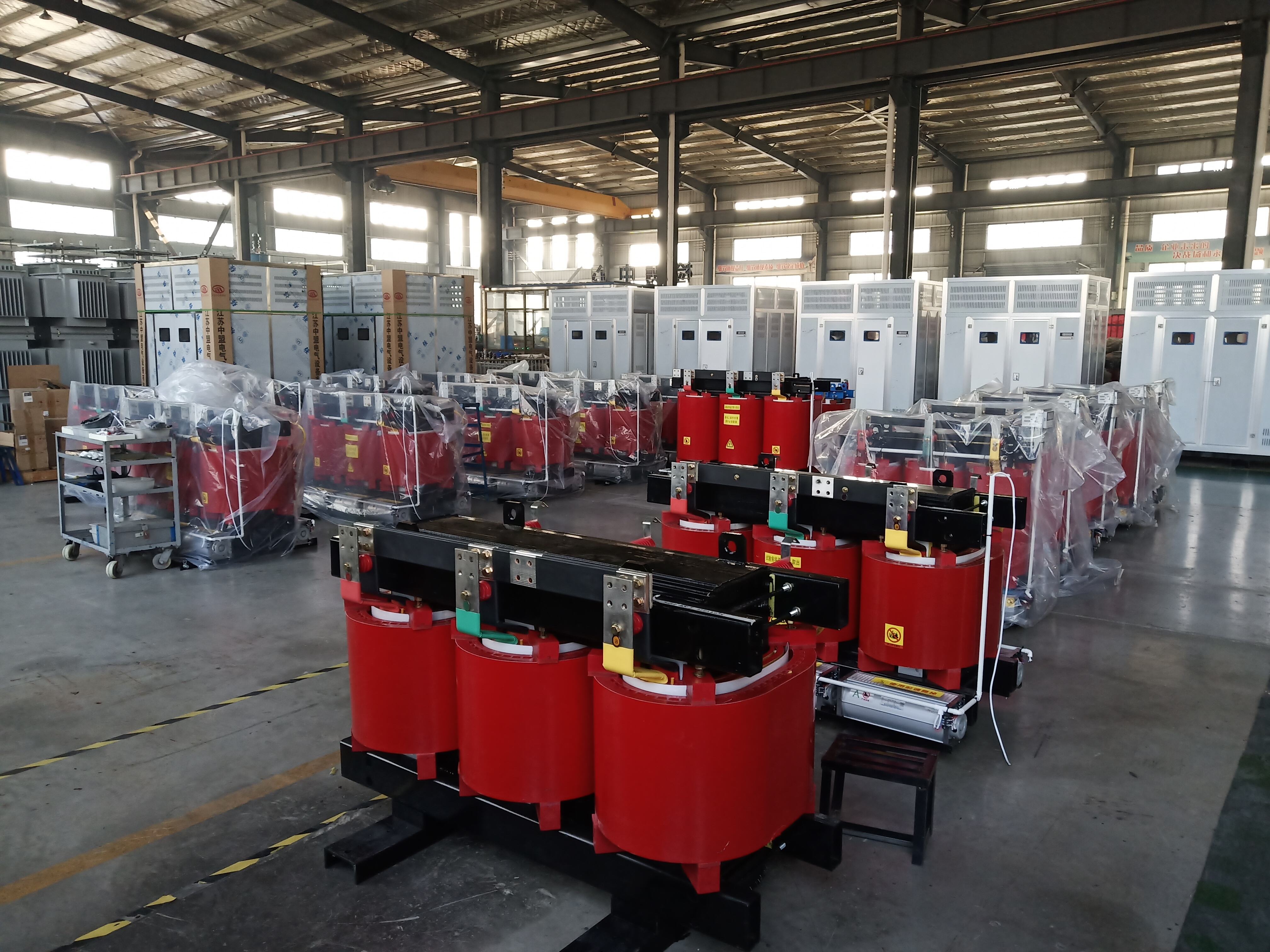
Орчин үеийн дэлхийг ажиллуулж байгаа цахилгаан эрчим хүчний системийн өргөн сүлжээнд тархалтын трансформатор шиг чухал боловч ихэвчлэн анхаарал татаагүй багаж хэрэгсэл байдаггүй. Эдгээр чухал төхөөрөмжүүд нь цахилгааны нийлүүлэлтийн хэлхээний сүүлийн холбоо болох бөгөөд өндөр хүчдэлтэй цахилгааныг гэр, аж ахуй, үйлдвэрлэлийн газруудад ашиглахад аюулгүй, хэрэглээний түвшинд буулгадаг. Тархалтын трансформаторын ажиллах зарчим болон цахилгаан бүтэц дэхь чухал үүргийг ойлгох нь өдөр тутмын амьдралыг хангаж буй нарийн инженерийн талаарх ойлголтыг өгдөг. Орон сууцны хорооноос эхлээд яаралтай худалдааны дүүрэг хүртэл тархалтын трансформаторууд цахилгааныг аюулгүй, үр дүнтэй ажиллахад шаардагдах нарийвчилсан хүчдэлийн түвшинд хүртэл хүргэхэд туслах ёс бус байдлыг хангана.
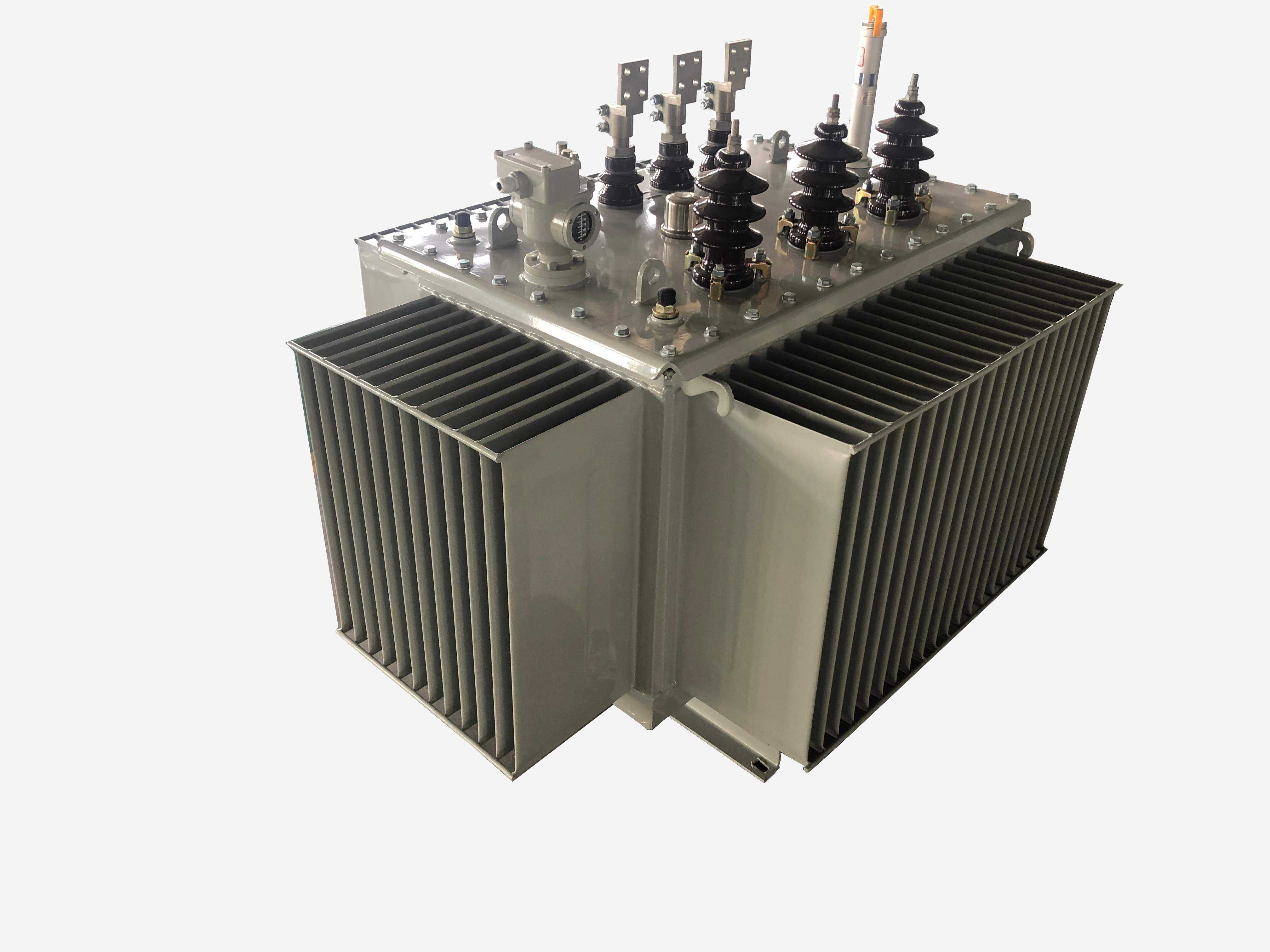
Тархалтын трансформаторын үндсийг ойлгох
Элемэнтэр Хийгдлийн Бодит Ухаалаг Чанар
Худалдааны трансформатор нь цахилгаан соронзон индукцийн үндсэн зарчим дээр ажилладаг бөгөөд хоёр тусдаа ороомогтой ороосон соронзон зуурал дээр цахилгаан энергиийг хэлхээнүүдийн хооронд дамжуулахад ашигладаг. Анхдагч ороомог нь ерөнхийдөө 4,000-35,000 вольтын хоорондох өндөр хүчдэлийг хангамжийн системээс хүлээн авдаг бол хоёрдогч ороомог нь эцсийн хэрэглэгчид тохирохуйц бууруулсан хүчдэлийг өгдөг. Өндөр чанарын цахиур болон хөнгөн цагаан хайлшнаас бүрдсэн соронзон зуурал нь ороомгуудын хооронд соронзон урсгалыг шилжүүлэх үр дүнтэй замыг бий болгодог. Энэхүү цахилгаан соронзон холболт нь оролт гаралтын хэлхээний хооронд чадлын харьцааг хадгалах ба ижил давтамжийг хадгалах үед худалдааны трансформаторыг хүчдэлийн түвшинд өөрчлөлт оруулах боломжийг олгодог.
Хүчдэлийн хувиргалтын харьцаа нь анхдагч ба хоёрдогч ороомгийн ороосны тооны харьцаанаас шууд хамаарч, хүчдэлийн харьцаа ороосны харьцаатай тэнцүү байдаг үндсэн трансформаторын тэгшитгэлд үндэслэнэ. Орчин үеийн хуваарилалтын трансформаторын загварууд нь алдагдлыг хамгийн бага болгох үед үр ашигийг хамгийн их байлгахын тулд дэвшилтэт материал, бүтээцийн арга техникийг агуулсан байдаг. Гүйдлийн алдагдал нь соронзон материал дахь гистерезис болон эргэлтийн гүйдлээс, харин зэсний алдагдал нь ороомгийн дамжуулагчийн эсэргүүцлээс үүсдэг. Инженерүүд эдгээр хүчин зүйлсийг анхааралтай тэнцвэржүүлж, тодорхой хэрэглээний шаардлагууд болон зөвшөөрлийн стандартыг хангах зорилгоор үзүүлэлтийг оновчтой болгодог.
Төрлүүд ба ангилал
Худалдааны трансформаторууд нь янз бүрийн орчин, хүчдэлийн шаардлага болон хэрэглээний хэрэгцээнд нийцүүлэн өөр өөр байдлаар гарган боловсорсон байдаг. Баганы дээр суурилуулсан худалдааны трансформатор нь ихэвчлэн амралтын бүс газруудад тохиолддог хамгийн түгээмэл төрөл бөгөөд ихэвчлэн 5 кВА-аас 167 кВА хүртэлх чадалтай байдаг бөгөөд цахилгаан татан авах системд баганы дээр суурилуулан байрлуулдаг. Хуучин талбайд суурилуулсан худалдааны трансформаторууд нь газрын доорх сүлжээнд ба коммерцийн зориулалтаар ашиглагдаж, аюулгүй байдлыг сайжруулсан, дүр зураг үзэж сайхан харагддаг бөгөөд үйлчилгээний үед хялбархан хандах боломжийг олгодог. Эдгээр төхөөрөмжүүд нь ихэвчлэн илүү их чадалтай байдаг бөгөөд гэмтэлтэй хамгаалах, орчныг хамгаалах зэрэг дэвшилтэт аюулгүй байдлын системийг агуулдаг.
Нэг фазын тархалтын хувиргагуур нь орон сууцны болон хөнгөн байгууламжийн ачаалалд зориулагдаж, гурван фазын нэгжүүд нь тэнцвэртэй цахилгаан эрчим хүч шаарддаг үйлдвэрлэл, том жижиг худалдааны салбарт ашигладаг. Агаараар хөргөгдөх, хатуу тусгаарлах системтэй тархалтын хувиргаар нь галын аюулгүй байдал, орчин үеийн асуудал чухал байдаг дотоод суурилуулалтад тохиромжтой. Минерал тосоор дүүргэгдсэн тархалтын хувиргаар нь хөргөлт болон тусгаарлалтанд минерал тос ашигладаг бөгөөд гадаа суурилуулахад онцгой дулааны удирдлага, цахилгааны ажиллагааг санал болгодог. Тус бүр нь өртөг, засвар үйлчилгээний шаардлага, орчны нөлөө, ажиллагааны онцлогтой холбоотойгоор сонголтыг нөлөөлөх тодорхой давуу талуудыг санал болгодог.
Техникийн үзүүлэлтүүд ба ажиллагааны параметрүүд
Хүчдэлийн ангилал ба багтаамж
Хуваарилалтын хувиргагчийн хүчдэлийн ангилал нь цахилгаан хангамжийн системийн иерархид түүний үндсэн хэрэглээг тодорхойлдог. Ерөнхийдөө анхдагч хүчдэлийн ангилал нь 4.16 кВ, 12.47 кВ, 13.2 кВ эсвэл дунд зэргийн хүчдэлийн хэрэглээнд зориулсан 34.5 кВ шиг цахилгааны компаниудаар батлагдсан стандарт хуваарилалтын хүчдэлийн түвшинтэй тохирдог. Хоёрдогч хүчдэлийн ангилал нь орон сууцны хэрэглээнд нэг фазын 120/240 В, худалдааны хэрэглээнд 208Y/120 В ба 480Y/277 В гурван фазын, мөн өөр өөр үйлдвэрийн хүчдэлийн тохируулгуудад зориулсан эцсийн хэрэглэгчийн шаардлагатай нийцдэг. Киловольт-ампер (kVA)-аар илэрхийлэгдсэн чадалтай байдал нь тухайн хуваарилалтын хувиргагч өгөгдсөн ажиллагааны нөхцөлд хамгийн их хэмжээний илүүдэл чадлыг хэр их хүлээж авч чадахыг заана.
Стандарт тархалтын хувиргичийн чадал нь жижиг амны гэр бүлийн хэрэглээнд зориулсан 5 кВА-аас эхлэн томоохон худалдаа, үйлдвэрийн суурилуулалтанд зориулан 2500 кВА эсвэл түүнээс дээш хүрдэг. Хүчдэл, гүйдэл болон чадал хоорондын хамаарал нь тухайн хэрэглээнд тохирох чадлын сонголтыг тодорхойлдог. Их чадалтай төхөөрөмжүүд нь ерөнхийдөө кВА тутамд илүү сайн үнэ цэнийг санал болгодог ч том суурилуулалтын зай шаарддаг бөгөөд илүү бат бөх дэмжлэг шаарддаг. Ачааллын шинжилгээ болон ирээдүйн өсөлтийн таамаглал нь хэт их хэмжээтэй байх нь шаардлагагүй капитал зарцуулалт болон бууран ажиллагааны үр ашгийг бий болгох эсэргүүцэхийн тулд хангалттай үйлчилгээ үзүүлэхийн тулд чадлын хэмжээг тодорхойлоход маш чухал үүрэг гүйцэтгэдэг.
Үр дүнтэй ажиллах чанар ба алдагдлын онцлог
Орчин үеийн тархалтын хувиргичийн үр ашиг нь бүрэн ачаалал дор ердийн нь 98%-иас дээш байдаг бөгөөд анхдагч алдагдал, мөн цөмийн алдагдал гэж нэрлэдэг нь хувиргичийг ажиллуулж байгаа бүх хуваарийн трансформер ачааллын гүйдлээс үл хамааран цэнэглэгдсэн байдаг. Ороомог дахь гол алдагдал болох зэсний алдагдал нь ачааллын гүйдлийн квадраттай шууд хамааралтай байдаг бөгөөд трансформатор томоохон ачаалал зөөх үед л илүүтэй чухал болдог. Эдгээр алдагдлын нийлбэр нь трансформаторын ажиллаж буй хугацаанд нийт үр ашгийн үзүүлэлт, мөн ерөнхий эдийн засгийн зардлыг тодорхойлход нөлөөлдөг.
Эрчим хүчний нөөцийн зохистой ашиглалт, түрээсийн дэмжлэгийн хөтөлбөрүүд нь орчныг бохирдуулах, үйлчилгээний зардлыг бууруулах зорилгоор алдагдал багатай трансформаторын загваруудад илүү их анхаарч байна. Дэвшилтэт зүрхэвчийн материал, ороомгийн зохион байгуулалтыг сайжруулсан, үйлдвэрлэлийн процессийг сайжруулсанаар трансформаторын үйл ажиллагааны үр өгөөжийг нэмэгдүүлж болно. Трансформаторын үр өгөөжийн эдийн засгийн үнэлгээ нь анхны худалдан авах үнэ болон амьдралын туршид гарах энерги зардлыг хамт сонирхож үзэх ёстой бөгөөд илүү өндөр үр өгөөжтэй төхөөрөмжүүд нь ихэвчлэн илүү өндөр үнтэй байдаг ч гэсэн энергийн алдагдлыг бууруулах замаар урт хугацаанд хэмнэлт олгоно. Ажиллаж буй трансформаторын үзүүлэлтийг хянах, техникийн байдлыг үнэлэх нь түүний ажиллах хугацааны туршид үр өгөөжийг хамгийн сайн түвшинд байлгахад тусална.
Инсталяцын болон ашиглалтын шалгуур
Байршил сонголт ба орчин үеийн хүчин зүйлс
Хуваарилалтын трансформатор сууруулах газрыг зөв сонгох нь ажиллагаа, аюулгүй байдал болон засварын хангалтад нөлөөлөх олон орчны болон үйлчилгээний хүчин зүйлсийг анхаарч сайтар харгалзах шаардлагатай. Цахилгааны зайг тохируулах шаардлага нь барилгаас, нутгийн хил, бусад тоноглолоос хамгийн багадаа ямар зайнд байрлах ёстойг тодорхойлж, аюулгүй ажиллах, мөн хамаатай цахилгааны дүрэм журам, компаниудын стандартыг хангахыг шаардана. Байршлын температур, чийгшил, өндөр, бохирдлын нөлөөлөл зэрэг орчны нөхцөл байдлууд нь трансформаторын загварыг сонгоход болон үйлчилгээний хугацаанд илүүтэй нөлөөлдөг. Хангалттай агааржуулалт болон дулаан задлах чадвар нь ажиллаж буй температурыг хэвийн түвшинд байлгах, мөн шилжүүлэгчийн цахилгаан тусгаарлалтын системийн элэгдлийг урьдчилан сэргийлэхэд маш чухал болно.
Трансформаторын ажиллаж байх хугацаанд аюулгүй, үр дүнтэй хариуцлагаар засвар үйлчилгээний үйл ажиллагаа болон аврах ажиллагааны тусгайлан оруулах шаардлагатай байдлыг суурилуулах төлөвлөлтөнд тусгах ёстой. Тээвэрлэлт, засвар үйлчилгээ болон эцэст нь солих үед техник тоног төхөөрөмжийн автомашины нэвтрэх боломжийг хангахын тулд хангалттай зай болон тохиромжтой газрын нөхцлийг хангах шаардлагатай. Усны хорвооны эрсдэлийн үнэлгээ болон тохиромжтой өндөрлөг нь тархац трансформаторын суурилуулалтыг усны хорвооноос болон цахилгааны саатлаас хамгаалахад тусална. Хандах эрхийн хяналт, гэрэлтүүлэг, хяналтын систем зэрэг асуудлууд нь зөвшөөрөлгүй хандалтаас, мөн трансформаторын үнэтэй хэсгүүдийг хулгайлахаас болон гэмтээхээс сэргийлэхийн тулд шаардлагатай болж болзошгүй.
Ачааллын удирдлага ба системийн интеграци
Үр дүнтэй ачааллын удирдлага нь тархалтын хувиргагчийн багтаамжийг жинхэнэ цахилгааны эрэлттэй тааруулах, мөн оройн ачаалал болон ирээдүйн өсөлттэй холбоотойгоор хангалттай нөөцийн хэмжээг хадгалах үүрэгтэй. Ачааллын олон талт байдлын коэффициент нь бүх холбогдсон ачааллууд зэрэгцээ хамгийн их эрэлтээр ажилладаггүй статистикийн бодит байдлыг тусгаж, зардал болон үйлдэлтийг тэнцвэржүүлсэн хувиргагчийн хэмжээг тохируулах боломжийг олгодог. Улирлын ачааллын хэлбэлзэл, ялангуяа халаалт эсвэл хөргөлтийн ачаалал ихтэй байгууламжид хувиргагчийн сонголтод нөлөөлж, хэт өндөр ажиллагааны нөхцөл байдлыг зохицуулахын тулд тусгайлан дулааны удирдлагын хүчин зүйлсийг шаарддаг.
Системийн интеграцчлалын талаарх авч үзэх зүйлс нь дээгүүрхийн хамгаалалтын төхөөрөмжүүдтэй уялдаа жишигтэй ажиллах, зөв газардуулах системүүд болон одоо байгаа дэлгэрүүлэлтийн инфраструктурын нийцэлтийг хамарна. Хүчдэлийг зохицуулах шаардлага нь ачааллын өөр өөр нөхцөл байдлын дор хүчдэлийн түвшнийг хэвийн түвшинд байлгахын тулд тап өөрчлөх чадвар эсвэл хүчдэлийн зохицуулагч шаардаж болзошгүй юм. Оюунлаг сүлжээнд интеграцчлалын онцлог шинжүүд нь бодит цагийн үзүүлэлтүүдийг олж авах, урьдчилан таамаглаж засвар үйлчилгээний стратегийг хэрэгжүүлэх боломжийг олгох мониторинг болон холбооны чадавхийг илүү ихээр багтаадаг болсон. Гармоник искэлийн хувьд гарч буй хэлбийлт, хүчдэлийн далайх зэрэг цахилгааны чанарын асуудлуудыг шинжилж, хөгжингүй цахилгаан ачаалал болон сэргээгдэх шинээр нэмэгдэж буй энергийн эх үүсвэртэй тархалтын хувиргуур нийцэж байгаа эсэхийг хангах шаардлагатай.
Засвар үйлчилгээ болон мониторингийн аргачлал
Өөрөөрөө зохицуулалтын стратеги
Ердийн урьдчилан сэргийлэх засвар үйлчилгээ нь найдвартай дистрибуцийн хувиргаагийн ажиллагааг баталгаажуулж, үйлчилгээний насны хугацааг уртасгахад тусалдаг бөгөөд хүлээгдээгүй гэмтэл, түүнтэй холбоотой үйлчилгээний салгалтыг хамгийн бага болгодог. Харааны шалгалтаар тосны зүйл, гэмтсэн изолятор, идэвхжсэн холболтууд, цаг агаар эсвэл гадны хүчний нөлөөгөөр гарсан физик гэмтэл зэрэг ил тод асуудлуудыг тодорхойлно. Цахилгаан шалгах арга журмууд нь изоляцийн бүтэн байдлыг, ороомгийн холболтын чанарыг, хамгаалах төхөөрөмжүүд болон хяналтын системийн зөв ажиллагааг шалгадаг. Шингэнт дистрибуцийн хувиргаагийн тосны шинжилгээ нь чийгшил, ууссан хийн түвшин, бохирдол зэрэг дотоод байдлын талаарх үнэт мэдээллийг өгдөг бөгөөд эдгээр нь хөгжиж буй асуудлыг зааж болох юм.
Инфра улаан туяагаар температурыг хянах нь цахилгаан холболт муруйх, ачаалал ихсэх эсвэл дотоод доголдол гэмтэх зэрэг асуудлыг илрүүлэх боломжийг олгоно. Эдгээр нь ихээхэн гэмтэл учруулахаас өмнө лавшрах боломжтой. Ачааллыг хянах нь тархалтын трансформаторын багтаамжийг бодит эрэлтэд нийцүүлэн тохируулах, мөн ачааллыг тэнцвэржүүлэх эсвэл багтаамжийг сайжруулах боломжийг тодорхойлоход тусална. Засвар үйлчилгээний хуваарь зохицуулахдаа энгийн үйлчилгээний зардал, хүлээгдээгүй гэнэтийн гэмтлийн эрсдэл ба үр дагаварыг хооронд нь тэнцвэртэй байлгах шаардлагатай бөгөөд ачааллын чухал байдал, солих тоног төхөөрөмжийн байдал, улирлын эрэлтийн загвар зэрэг хүчин зүйлсийг харгалзан үзэх ёстой.
Байдал үнэлгээ ба ашиглах хугацаа сунгах
Дэвшилтэт нөхцөлийн үнэлгээний аргууд нь тархааны хувиргааны байдал болон үлдсэн ашиглалтын хугацааг тодорхой мэдээлэл өгч, өгөгдөлд суурилсан засвар, солилт хийх шийдвэр гаргах боломжийг олгоно. Ууссан хийгийн шинжилгээ нь хувиргааны тосонд агуулагдах хийн агууламжийг шинжлэх замаар гэмтлийн тодорхой төрлүүд болон хүндийн зэргийг илрүүлж, асуудал том болохоос өмнө чиглэсэн засварын арга хэмжээ авах боломжийг олгоно. Чадлын коеффициент болон цахилгаан тусгаарлалтын эсэргүүцлийн хэмжилтүүд нь цахилгаан тусгаарлалтын байдлыг үнэлж, цаг хугацааны турш тусгаарлалт муудахтай холбоотой боломжит гэмтлийн хэлбэрүүдийг урьдчилан таамаглахад тусална.
Хөдөлгөөнтэй зүйлсийн дотоод эвдрэл рүү хүргэж болзошгүй суналтын хөндий эсвэл ороомог шилжих зэрэг механик асуудлыг илрүүлэхийн тулд бултирах үзэгдэл, дууны хяналт тавина. Нас барах хугацааг сунгах арга зам болгон тосыг дахин боловсруулах, цахилгаан тусгаарлагчийн системийг шинэчлэх, бүрэлдэхүүн хэсгийг солих зэрэг аргуудыг хэрэглэж, анхны загварчлалын хүрээнд төлөвлөсөн нас барах хугацаанд тулгарсан гажиг дутагдлыг арилган ажиллах чадварыг сэргээж болно. Эдийн засгийн шинжилгээ нь шинэ, илүү үр ашигтай тархацан хувиргаачийн технологи (distribution transformer) - руу шилжих эсэхийг тодорхойлоход тусалдаг бөгөөд ингэснээр сайжруулсан ажиллагаа, буурч буй үйл эксплуатацийн зардлыг олж авах боломжтой.
Ирээдүйн чиг хандлага болон технологийн хөгжил
Ухаалаг сүлжээний интеграци
Оргил ухаалаг шугамын инфраструктурын хөгжил нь дэлгэрүүлэх трансформаторын загвар, үйл ажиллагаанд томоохон өөрчлөлт оруулж байгаа бөгөөд цахилгаан системийг бодит цагт оновчтой болгох боломжийг бий болгож буй дэвшилтэт хяналтын ба холбооны чадавхийг нэмж байна. Хяналтын төхөөрөмж, холбооны интерфейстэй зэрэгцсэн ухаалаг дэлгэрүүлэх трансформатор нь цахилгаан параметр, дулааны нөхцөл, үйл ажиллагааны байдлыг тасралтгүй хянах боломжийг олгоно. Энэ нь урьдчилан таамаглаж засвар үйлчилгээ хийх, гэмтлийг автоматаар илрүүлэхэд дэмжлэг үзүүлдэг. Нарны фото-гальваник систем, энергийн хадгалалт зэрэг тархсан энерги үүсгэх хэрэгслүүдтэй нэгдэх нь хуваарилалтын трансформаторын хувьд хангалттай хариулагдахгүй байж болох хүчдэлийн зохицуулалт, чадлын чанарын удирдлагын чадавхийг сайжруулахыг шаарддаг.
Дэлгэрэнгүй хэмжилтийн инфраструктурын болон эрэлтийн хариу урсгалын хөтөлбөрүүд нь динамик ачааллын удирдлагыг дэмждэг, цахилгаан шугамын сүлжээний үр ашгийг сайжруулах зорилгоор тархацан байгаа хувиргаачдын хяналт, удирдлагын шинэ шаардлагыг тавьдаг. Хэрэв хамгаалалт сайтай байхгүй бол боломжит эмзэг байдлыг үүсгэж болох сүлжээний холболт, алсаас хянах чадварыг тархацан байгаа хувиргаачид олж авснаар кибер аюулгүй байдлын асуудал илүү их анхаарлыг шаарддаг. Хиймэл оюун ухаан, машинд сургах алгоритмуудыг нэгтгэснээр түүхэн үзүүлэлт, бодит цагийн ажиллагааны нөхцөлд үндэслэн тархацан байгаа хувиргаачдын үйл ажиллагаа, засвар үйлчилгээг үр дүнтэй болгох ухаалаг урьдчилан таамаглалын шинжилгээг хийх боломжийг бүрдүүлдэг.
Орчин үеийн орчны болон үр ашгийн сайжруулалт
Орчны зөвшөөрөл болон тэгш хандлагын инициативууд нь бүтээгдэхүүний амьдралын мөчлөгийн туршид орчныг бохирдуулах нөлөөг бууруулах зорилгоор тархацын хувиргааны төхөөрөмж, материал, үйлдвэрлэлийн процессийг сайжруулж байна. Шатах эрсдэл багатай, орчин үеийн орчны нөхцөл байдлыг хангасан шинэ төрлийн диэлектрик шингэнүүд болох натурал эфир, синтетик задгарддаг тоснууд нь уламжлалт хүнд тосон дамжуулагч системүүдтэй харьцуулахад илүү сайн аюулгүй байдлыг хангана. Дэвшилтэт зүрхэвчийн материал болон үйлдвэрлэлийн аргууд нь хувиргааны төхөөрөмжийн ажиллаж буй хугацаанд энерги хэрэглээг бууруулах, холбогдох хийн ялгаралтыг багасгах өндөр үр ашигтай байдлыг олж авах боломжийг олгоно.
Хэрэглээний трансформаторын загварчлалд дахин боловсруулах боломж болон ажилласны дараахь хариуцлагын талаарх авч үзэл нэмэгдэж байгаа нь материал сонголт, деталийг сэргээн ашиглах, давтан ашиглахад хялбар болгох барьж буй арга замуудад онцгой анхаарлыг хандуулж байна. Хотын орчинд хэрэглээний трансформаторууд орон сууц, худалдааны барилга байшинтай ойролцоо ажилладаг тул дуу чимээ багасгах технологи нь дууны цацрагийн талаарх ихэссэн анхаарлыг шийдвэрлэхэд чиглэгдсэн. Нягт бүтэц, гадаад төрхийн сайжруулалтууд нь хэрэглээний трансформаторын суурилуулалтыг хотын орчинд цахилгааны ажиллагааны болон аюулгүй байдлын шаардлагыг хангаж байх үед нэгдүүлэхэд тусалдаг.
Түгээмэл асуулт
Хэрэглээний трансформаторын ердийн амьдралын мөч хэд вэ
Хэвийн ажиллаж байх нөхцөлд сайн засвар үйлчилгээтэй дистрибуцийн хувиргаагч ихэвчлэн 25-30 жил надтай ажилладаг бөгөөд зарим нэг нэгжүүд зөв ашиглах тохиолдолд 40 жил эсвэл түүнээс илүү хугацаагаар үр дүнтэй ажиллах боломжтой. Бодит амьдралын хугацаа нь ажиллаж буй температур, ачааллын цикл, орчны нөхцөл ба засвар үйлчилгээний чанараас хамаардаг. Тогтмол шүлтэр шинжилгээ, дулаан хяналт, цахилгаан шинжилгээ нь үлдсэн ашиглалтын хугацааг үнэлэх, солих хугацааг тодорхойлоход тусалдаг. Их температур эсвэл давтан давтах ачаалал дор хувиргаагийн үйлчилгээний хугацаа эрс богиносох бол ачааллыг хэтрүүлэхгүй, сайн засвар үйлчилгээ хийх нь ердийн хүлээлтээс илүү хугацаагаар ажиллахад нөлөөлнө.
Тодорхой хэрэглээнд тохирох хэмжээний дистрибуцийн хувиргааг хэрхэн тодорхойлох вэ
Тархалтын трансформаторын тохиромжтой хэмжээг сонгохын тулд холбогдсон ачааллын онцлог, эрэлтийн коэффициент, ирээдүйн өсөлтийн таамаглалыг анхааралтай шинжилж, иш таталтыг ихэсхийлгүйгээр хангалттай багтаамжийг хангах шаардлагатай. Нийт холбогдсон ачааллыг кВА-аар тооцож, ачааллын төрөл болон нийцлийн түвшинд үндэслэсэн зохистой эрэлтийн коэффициентийг нэмж, ирээдүйд өргөжлөхөд зориулсан ихэвчлэн 20%-50% хооронд хувьтай нөөцийн маржийг нэмнэ. Хөдөлгүүрийн эхлэх гүйдэл, гармоник агууламж, чадлын коэффициент зэрэг ачааллын онцлогийг авч үзэж, тогтвортой горимын шаардлагад нэмэлтээр багтаамж шаардагдах эсэхийг тодорхойлно. Хүчдэлийн уналтыг тооцоолох нь сонгосон трансформаторын багтаамж бүх ажиллагааны нөхцөлд хүлээн зөвшөөрөгдөх хүчдэлийн түвшнийг хадгалж чадаж байгаа эсэхийг шалгахад тусална.
Шингэн тосоор хөргөгдөх ба хуурай төрлийн тархалтын трансформаторуудын дунд ямар гол ялгаа байдаг вэ
Монгол тосоор дүүргэгдсэн хуваарилалтын трансформаторууд нь хөргөлт болон цахилгааныг тусгаарлах зориулалтаар минерал тосыг ашигладаг бөгөөд гадаа суурилуулахад онцгой дулааны ажиллагаа, цахилгаан шинж чанараа хангана. Хатаахуйн төрлийн трансформаторууд нь агаарын хөргөлт, хатуу тусгаарлагч системийг ашигладаг бөгөөд дотоод суурилуулалтад тохиромжтой байдаг. Монгол тосоор дүүргэгдсэн трансформаторууд нь ихэвчлэн илүү сайн даацын чадал, урт үйлчилгээний хугацаатай байдаг ч гэсэн илүү ихээр үйлчилгээ шаарддаг бөгөөд тосны шинжилгээ, боломжит урсгалыг удирдах шаардлагатай байдаг. Хатаахуйн төрлийн хуваарилалтын трансформаторууд нь монгол тосоор дүүргэгдсэн төхөөрөмжид холбоотой гал, орчин үеийн эрсдэлийг арилгадаг ч ерөнхийдөө даацын чадал бага байдаг бөгөөд том хэмжээний чадалтай төхөөрөмжид хүчирхийлсэн агаарын хөргөлтийг шаардаж болзошгүй юм. Зардалд анхны худалдан авалт, амьдралын туршид шаардагдах үйлчилгээний шаардлагууд хоёул орж, эдгээр хоёр технологийн хувьд нилээд ялгаатай байдаг.
Хуваарилалтын трансформаторын ойролцоо ажиллах үед ямар аюулгүй байдлын арга хэмжээ авах шаардлагатай вэ
Хангамжийн трансформаторуудын ойролцоо ажиллах үед цахилгааны аюулгүй байдлын журам, тухайлбал тохиромжтой блоклоч/шинжээчлэх арга хэмжээ, хувийн хамгаалалтын хэрэгслүүд болон ажил эхлэхээс өмнө цахилгаанг тасалсан нөхцлийг шалгаж баталгаажуулах шаардлагатай. Хүчдэлийн түвшин болон суурилуулалтын байршлалаас хамааран өөр өөр байдаг хамаарах аюулгүй байдлын норм, дүрэм болон компаниудын стандартад заасны дагуу цахилгааны тохиромжтой зайг хадгалж байх ёстой. Нөгөө талаас цахилгаан тасарсан ч хангамжийн трансформаторын нэг талд цахилгаан хэвээр үлдэж болох тул квалификацгүй хүмүүст нас баралтанд хүргэж болзошгүй аюул үүсдэгийг анхаарах хэрэгтэй. Зөвхөн сургалтад хамрагдсан, квалификжсэн цахилгааны ажилчид л хангамжийн трансформаторын суурилуулалт дээр засвар үйлчилгээний ажил хийх эрхтэй бөгөөд аврах ажиллагаа, техникийн гэмтэл гарвал яаж хариу арга хэмжээ авах талаар үйл явцыг урьдчилан тогтоосон байх ёстой.
Гарчиг
- Тархалтын трансформаторын үндсийг ойлгох
- Техникийн үзүүлэлтүүд ба ажиллагааны параметрүүд
- Инсталяцын болон ашиглалтын шалгуур
- Засвар үйлчилгээ болон мониторингийн аргачлал
- Ирээдүйн чиг хандлага болон технологийн хөгжил
-
Түгээмэл асуулт
- Хэрэглээний трансформаторын ердийн амьдралын мөч хэд вэ
- Тодорхой хэрэглээнд тохирох хэмжээний дистрибуцийн хувиргааг хэрхэн тодорхойлох вэ
- Шингэн тосоор хөргөгдөх ба хуурай төрлийн тархалтын трансформаторуудын дунд ямар гол ялгаа байдаг вэ
- Хуваарилалтын трансформаторын ойролцоо ажиллах үед ямар аюулгүй байдлын арга хэмжээ авах шаардлагатай вэ