 EN
EN
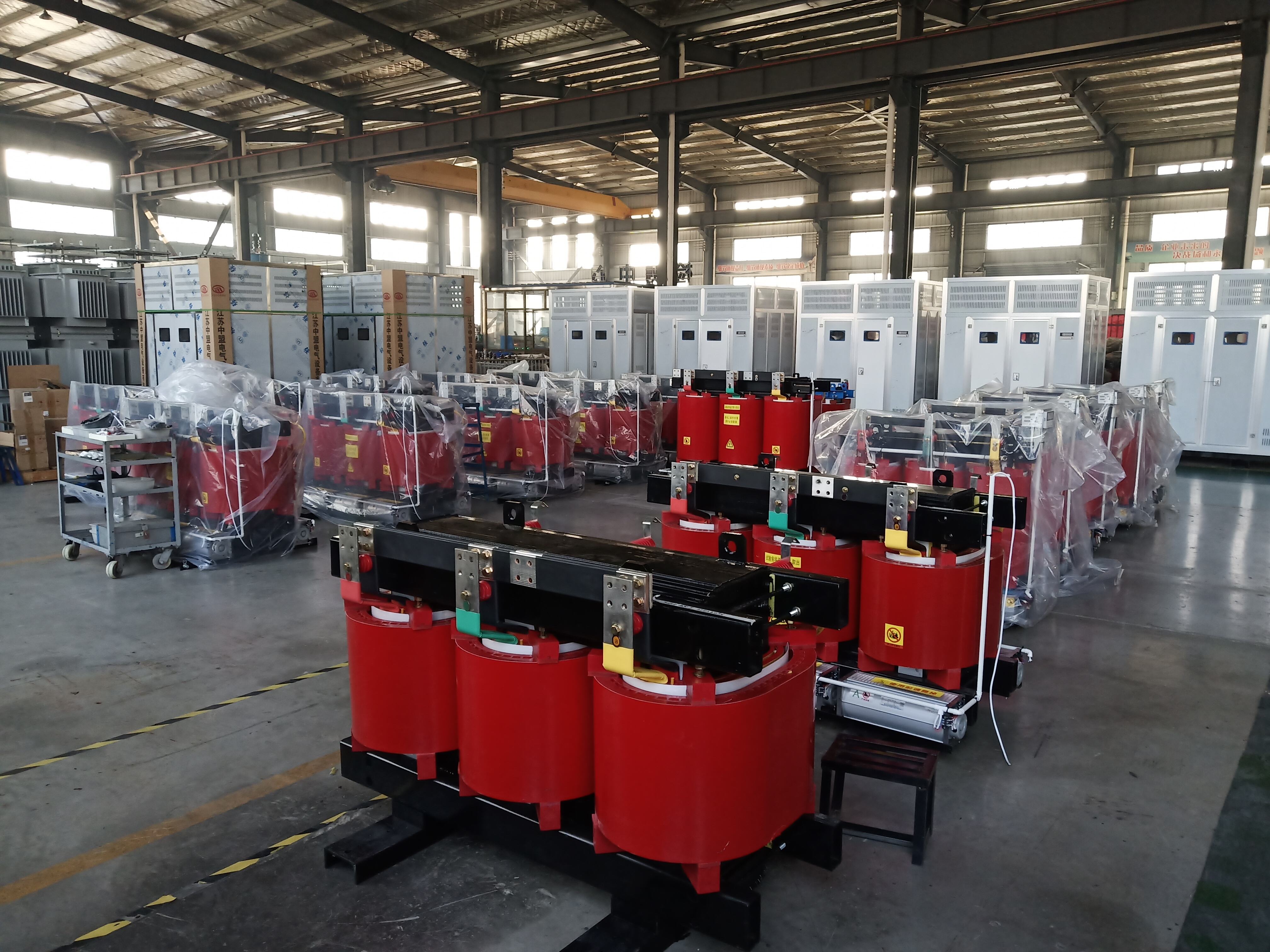
នៅក្នុងវិស្វកម្មអគ្គិសនីទំនើប ការផ្លាស់ប្តូរពីម៉ាស៊ីនបំលែងដែលប្រើប្រាស់ប្រព័ន្ធប៉ះទង្គិចទឹក (liquid-cooled) ទៅ ទូរស័ព្ទដែលមិនមានទឹក ជាញឹកញាប់បណ្តាលមកពីកត្តាសំខាន់មួយគត់៖ សុវត្ថិភាព .
ចាប់ពីឆ្នាំ ២០២៦ ក្បួនច្បាប់អំពីអគ្គិភ័យ និងបទប្បញ្ញត្តិអំពីបរិស្ថានដែលមានភាពតឹងរឹងបានធ្វើឱ្យបច្ចេកវិទ្យាប្រភេទស្ងួតក្លាយជា «ស្តង់ដារមាស» សម្រាប់បរិស្ថានដែលទាមទារសុវត្ថិភាពខ្ពស់។ ខាងក្រោមនេះគឺជាវិធីដែលវាបង្កើនសុវត្ថិភាពតាមប៉ារ៉ាម៉ែត្រសំខាន់ៗប្រាំ។
១. ការបង្ការ និងបន្ថយគ្រោះអគ្គិភ័យយ៉ាងឆាប់រហ័ស
អត្ថប្រយោជន៍សុវត្ថិភាពដែលសំខាន់បំផុតនៃម៉ាស៊ីនបំលែងប្រភេទស្ងួតគឺការលុបបំបាត់សារធាតុរាវដែលអាចឆេះបានទាំងស្រុង។
សារធាតុដែលអាចបំបាត់ភ្លើងដោយខ្លួនឯង៖ ម៉ាស៊ីនបំលែងទំនើប ជាពិសេស សំណាញ់រ៉េសីន ម៉ាស៊ីនបំលែង (transformers) ប្រើរែងអេប៉ុកស៊ី (epoxy resins) ដែលមានលក្ខណៈទប់ស្កាត់ភ្លើងដោយធម្មជាតិ។
ក្នុងករណីមានភ្លើងខាងក្រៅ រែងនេះមិនគាំទ្រដល់ការឆេះឡើងទេ ហើយនឹងផ្អាកការឆេះដោយខ្លួនឯងភ្លាមៗបន្ទាប់ពីបានដកប្រភពកំដៅចេញ។ គ្មានសារធាតុអាចផ្ទ explosion បាន៖ ម៉ាស៊ីនបំលែងដែលបំពេញដោយប្រេងអាចផ្ទះះបាន ប្រសិនបើមានផ្ទះះអេឡិចត្រិកខាងក្នុងធ្វើឱ្យប្រេងក្លាយជាអាកាស ហើយបង្កើតសម្ពាធខាងក្នុងយ៉ាងខ្លាំង។
ម៉ាស៊ីនបំលែងប្រភេទស្ងួត (Dry-type units) កាត់បានគ្រោះថ្នាក់នេះទាំងស្រុង ដែលធ្វើឱ្យវាសុវត្ថិភាពសម្រាប់ដំឡើងនៅតំបន់ដែលមានអ្នកចូល-ចេញច្រើន ដូចជាមជ្ឈមណ្ឌលទិញឥវ៉ាន់ (shopping malls) និងស្ថានីយ៍រថភ្លើងក្រោមដី (subway stations)។ ស្របតាមស្តង់ដារ NFPA៖ ដោយសារវាមិនមានសារធាតុរាវដែលអាចឆេះបាន វាបំពេញតាមតម្រូវការតឹងរឹងរបស់ NFPA 70 (NEC) សម្រាប់ការប្រើប្រាស់ក្នុងអាគារ ដោយគ្មានតម្រូវការដាក់វាក្នុងបរិវេណទប់ភ្លើង (fireproof vaults) ឬប្រព័ន្ធប៉ះទង្គិចទឹកស្វ័យប្រវ័ត្តិ (automated sprinkler systems) ដែលថ្លៃដើមខ្ពស់។
២. ការការពារបុគ្គល និងការរចនាដែល «សុវត្ថិភាពសម្រាប់ការប៉ះ»
ម៉ាស៊ីនបំលែងប្រភេទស្ងួតត្រូវបានរចនាឡើងដើម្បីការពារបុគ្គលិកបច្ចេកទេសដែលថែទាំវា និងអ្នកដែលធ្វើការនៅជុំវិញវា។
ផ្នែកដែលមានប្រក្រតី (Live Parts) ដែលបានបិទជិត៖ ភាគច្រើននៃម៉ាស៊ីនបំលែងប្រភេទស្ងួតត្រូវបានដាក់ក្នុងប្រអប់ផ្សេងៗដែលធ្វើពីលោហៈ ហើយត្រូវបានភ្ជាប់ទៅដី (ដូចជា NEMA 2 ឬ IP23)។
ការបិទជិតនេះផ្តល់ជាឧបសគ្គរាងកាយសម្បត្តិរវាងបុគ្គលិក និងផ្នែកដែលមានវ៉ុលខ្ពស់។ ការបន្ថយគ្រោះថ្នាក់ពីការផ្ទះះ (Arc Flash Mitigation)៖ ដោយការលុបបំបាត់ការកើនឡើងនៃសម្ពាធ ដែលបណ្តាលមកពីសារធាតុរាវ ថាមពលសក្តានុពលដែលបានរំដេញចេញក្នុងពេលមានការខូចខាត គឺទាបជាងម៉ាស៊ីនបំលែងបំពេញប្រេងយ៉ាងច្រើន។ ដូច្នេះ ការបន្ថយកម្រិតភាពធ្ងន់ធ្ងរនៃគ្រោះថ្នាក់ពីការផ្ទះះ (arc flash) ក៏កើតឡើងដែរ។
ការខូចខាតដែលគ្មានគ្រោះថ្នាក់ដល់សុខភាព (Toxic-Free Failure)៖ ទោះបីជាម៉ាស៊ីនបំលែងប្រភេទស្ងួតខូចខាតដោយសារតែការផ្ទុកលើសកម្រិតខ្ពស់ជាងធម្មតាក៏ដោយ វាក៏មិនបញ្ចេញឧស្ម័នពិស ឬផ្សែងធ្ងន់ៗទេ ដែលធានាថា ផ្លូវចេញពីអាគារនៅពេលបន្ទាន់នៅតែស្អាត និងអាចដកដង្ហើមបានដែរ។
៣. សុវត្ថិភាពបរិស្ថាន៖ គ្មានហានិភ័យនៃការរហ័សរហួល
សុវត្ថិភាពបរិស្ថានគឺជាផ្នែកមួយនៃសុវត្ថិភាពប្រតិបត្តិការ។ ការរហ័សរហួលនៅក្នុងបរិវេណឧស្សាហកម្មមិនមែនគ្រាន់តែជាការចំណាយសម្រាប់ការសម្អាតប៉ុណ្ណោះទេ ប៉ុន្តែវាក៏បង្កគ្រោះថ្នាក់ដល់ការធ្លាក់ និងគ្រោះថ្នាក់ដល់ជាប់ទឹកក្រោមដីផងដែរ។
ការទប់ស្កាត់សារធាតុរាវសូន្យ: ម៉ាស៊ីនបំលែងគ្មានប្រេង (Dry transformers) មិនត្រូវការជញ្ជាំងប៉ាក់ (bund walls) ឬប៉ោកប្រែប្រេង (oil-containment pits) ទេ។
រឿងនេះធ្វើឱ្យការរៀបចំផែនការសណ្ឋាគារសាមញ្ញជាងមុន ហើយដកចេញនូវគ្រោះថ្នាក់ដែលអាចកើតឡើងពីការរាលាប់សារធាតុអ៊ីដ្រូកាបូន។ សារធាតុសមស្របសម្រាប់ទីតាំងដែលមានភាពប៉ះពាល់ខ្ពស់: ពួកវាគឺជាជម្រើសតែមួយគត់ដែលអាចអនុវត្តបានសម្រាប់ការទទួលបានវិញ្ញាបនប័ត្រ "អគារបៃតង" (Green Building) (ដូចជា LEED) និងទីតាំងដែលស្ថិតនៅជិតកម្រិតទឹកក្រោមដី តំបន់ឆ្លងកាត់ឆ្នេរសមុទ្រ ឬតំបន់ដែលការពារដោយបរិស្ថាន ដែលការរាលាប់ប្រេងណាមួយអាចបណ្តាលឱ្យមានគ្រោះមហន្តរាយ។
៤. ភាពអាចទុកចិត្តបានកាន់តែខ្ពស់នៅតំបន់ដែលមានអ្នកប្រើប្រាស់ច្រើន
សុវត្ថិភាពក៏មានន័យថា សមត្ថភាព .
ភាពធន់នឹងសារធាតុប៉ះពាល់: បច្ចេកវិទ្យាប៉ោកប្រែដោយរ៉េសីន (Cast resin technology) បិទសេចក្តីវ៉ាយដែលបានរ៉េវ៉េន (windings) ឱ្យឆ្ងាយពីធូលី សំណើម និងឧស្ម័នដែលបណ្តាលឱ្យរលួយ។
នេះបង្ការការ «តាមដាន» (ផ្លូវអគ្គិសនីដែលបង្កើតឡើងដោយធូលី) ដែលជាបណ្តាលមូលហេតុធម្មតានៃការខូចខាតដែលបណ្តាលមកពីការប៉ះគ្នារវាងផ្នែកអគ្គិសនី និងការឆេះនៅក្នុងឧបករណ៍ស្តង់ដារ។ ការត្រួតពិនិត្យសីតុណ្ហភាព៖ ទំនិញឆ្លើយតបតាមស្តង់ដារឆ្នាំ២០២៦ ជាទូទៅមានសេនសើរឌីជីថលសម្រាប់ការត្រួតពិនិត្យសីតុណ្ហភាពដែលបានបញ្ចូលទៅក្នុងគ្រឿងបរិក្ខារ ដែលផ្តល់ទិន្នន័យ «ចំណុចក្តៅ» ជាកាលៈទេសៈ ដែលអនុញ្ញាតឱ្យប្រព័ន្ធបើក-បិទដោយសុវត្ថិភាព មុន នៅពេលដែលការខូចខាតនៃស្រទាប់ការពារកើតឡើង។
៥. ការប្រៀបធៀប៖ ស្តង់ដារសុវត្ថិភាព
| មុខងារសុវត្ថិភាព | ប្រភេទស្ងួត (ការចាក់រ៉េសីន) | ប្រភេទបានចុះក្នុងប្រេង (រ៉េសីនរាវ) |
| សមត្ថភាពឆេះ | អាចបំបាត់ភ្លើងដោយខ្លួនឯង | ឆេះបានយ៉ាងខ្លាំង |
| គ្រះថ្នាក់នៃការផ្ទ explosion | ទាប (មានប្រហោងខ្យល់) | ខ្ពស់ (សម្ពាធអាកាស) |
| សារធាតុពុលនៅក្នុងផ្សែង | អប្បបរមា / មិនមានសារធាតុពុល | សំខាន់ / មានសារធាតុពុល |
| គ្រះថ្នាក់នៃការថែទាំ | ទាប (តាមការមើល / សុញ្ញកាស) | ខ្ពស់ (ការចាប់ទិញប្រេង / ការយកគំរូ) |
| អនុញ្ញាតឱ្យប្រើនៅក្នុងផ្ទះ | ធម្មជាតិ / ខ្ពស់ | មានការកំណត់ / ត្រូវការបរិវេណ |
សង្ខេប៖ ជម្រើសដែលមានសុវត្ថិភាពប៉ុណ្ណោះសម្រាប់ឆ្នាំ ២០២៦
ម៉ាស៊ីនបំលែងប្រភេទស្ងួតបង្កើនសុវត្ថិភាពដោយធ្វើឱ្យបរិស្ថានអគ្គិសនីមានភាពសាមញ្ញ។ ដោយកាត់បំបាត់ប្រភពផ្ទះស្លាប់ (ប្រេង) និងការពារគូរស៊ីនដោយសារធាតុរ៉េសីនរឹង វាអនុញ្ញាតឱ្យថាមពលខ្ពស់ត្រូវបានដឹកជញ្ជូនដោយផ្ទាល់ទៅកណ្ដាលនៃមន្ទីរពេទ្យ អាគារខ្ពស់ៗ និងស្ថានីយ៍ឧស្សាហកម្មដោយគ្មានគ្រោះថ្នាក់ចំពោះជីវិត និងទ្រព្យសម្បត្តិយ៉ាងអប្បបរមា។