 EN
EN

Oikean jakelumuuntajan valitseminen sähköisten infrastruktuuriprojektien osalta edellyttää useiden teknisten ja käyttöön liittyvien tekijöiden huolellista arviointia. Jakelumuuntaja toimii kriittisenä komponenttina sähkönsiirtoversoissa, jossa se alentaa korkeajännitteisen sähkön siirtojohtojen tasolta matalammiksi jännitteiksi, jotka sopivat kaupallisiin ja asuinkäyttöön. Projektisi erityisvaatimusten ymmärtäminen takaa sähköverkon optimaalisen suorituskyvyn, turvallisuuden ja pitkän aikavälin luotettavuuden.
Modernien sähköjärjestelmien monimutkaisuus edellyttää perusteellista analyysiä ennen kuin tehdään valinta jakelumuuntajasta. Projektit, jotka vaihtelevat pienistä kaupallisista rakennuksista suuriin teollisuuskomplekseihin, asettavat kukin omat haasteensa, jotka vaikuttavat muuntajan spesifikaatioihin. Oikea valintamenetelmä sisältää kuormitustarpeiden, ympäristöolosuhteiden, asennusrajoitusten ja tulevien laajennusmahdollisuuksien arvioinnin, jotta valittu ratkaisu täyttää sekä nykyiset että tulevat tarpeet.
Jakelumuuntajan perusteiden ymmärtäminen
Ydintoimintaperiaatteet
Jakelumuuntaja toimii sähkömagneettisen induktion periaatteella hyödyntäen ensiö- ja toisiokäämejä, jotka on kierretty magneettiytimeen siirtämään sähköenergiaa piirien välillä. Muuntajan ensiökäämi vastaanottaa korkean jännitteen jakeluverkosta, kun taas toisiokäämi toimittaa alennetun jännitteen loppukäyttäjille. Tämä jännitemuunnos tapahtuu ensiön ja toisiokäämin kierrosluvun suhteessa, joka määrittää tarkan saavutetun jännitealeneman.
Magneettiydin, joka on tyypillisesti rakennettu piisilikaattilevyistä, tarjoaa olennaisen magneettisen polun energiansiirtoa varten samalla minimoimalla häviöt histereesi- ja virratyökytkentävirtojen kautta. Modernit jakelumuunturisuunnittelut sisältävät edistyneitä ydinelementtejä ja käämitystekniikoita tehokkuuden maksimoimiseksi ja tyhjäkäynnin häviöiden minimoimiseksi. Näiden perusperiaatteiden ymmärtäminen auttaa insinöörejä määrittelemään muuntajia, jotka tarjoavat optimaalista suorituskykyä niiden tietyissä sovelluksissa säilyttäen samalla sääntelyvaatimusten noudattamisen ja käyttöturvallisuuden.
Luokittelu ja tyypit
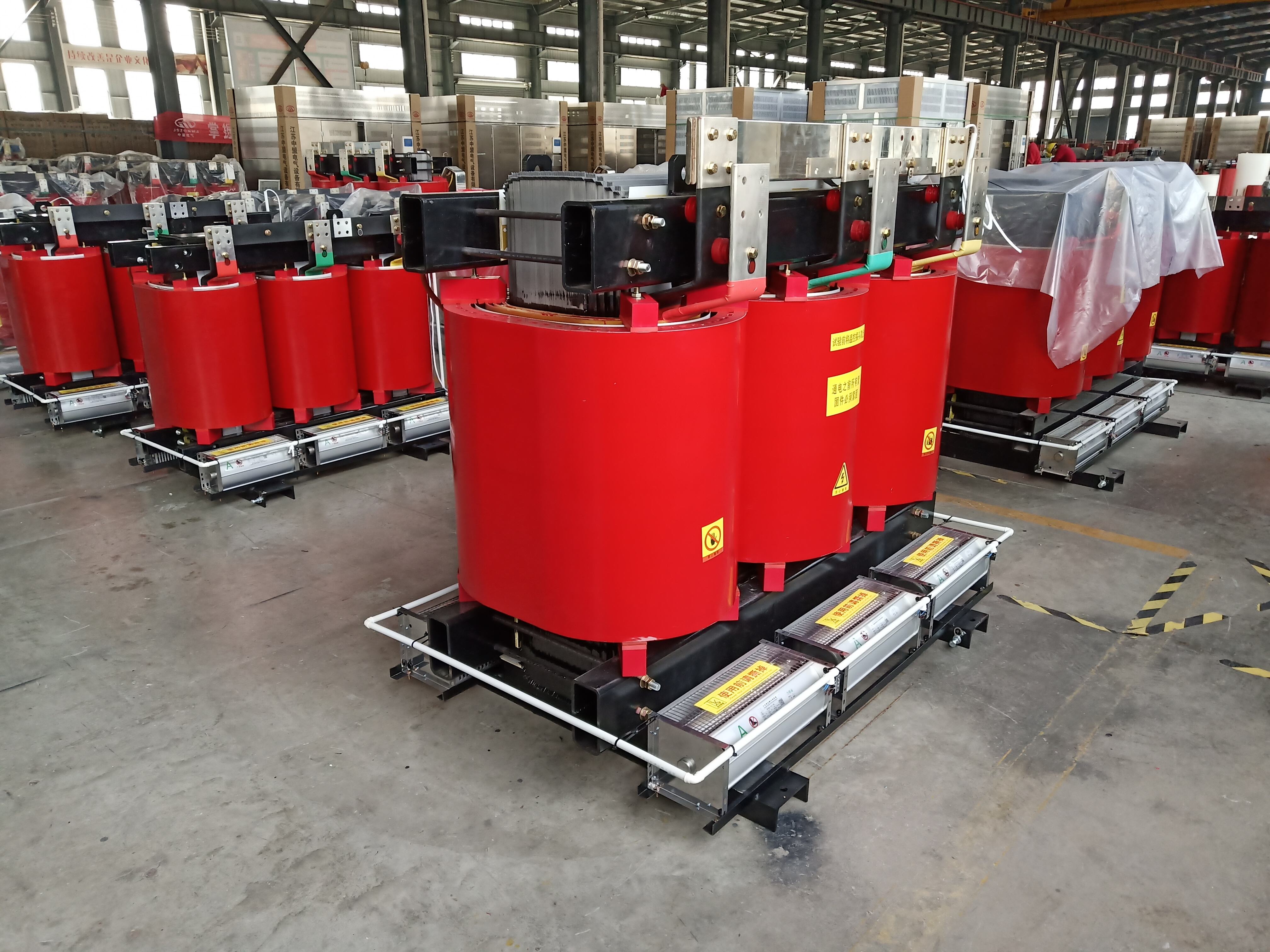
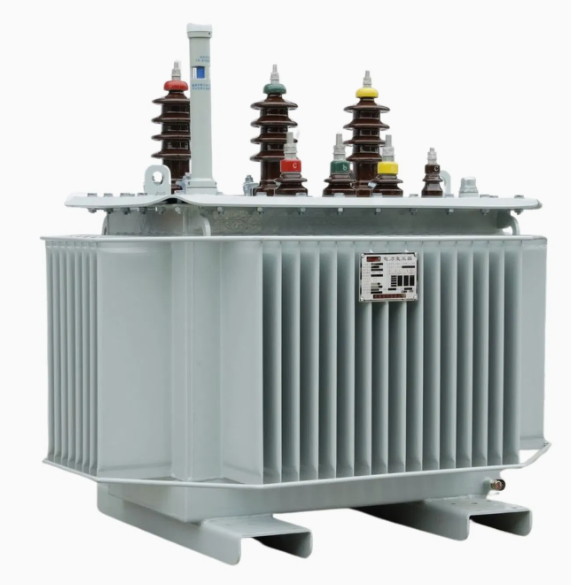
Jakelumuuntajat luokitellaan useiden kriteerien mukaan, kuten jäähdytysmenetelmän, eristystyypin, asennustavan ja vaihejärjestelyn perusteella. Öljyissä upotetut muuntajat käyttävät mineraaliöljyä sekä jäähdytykseen että eristykseen, mikä tekee niistä sopivia ulkoasennuksiin ja suurempitehoisiin sovelluksiin. Kuivatyypin muuntajat käyttävät kiinteitä eristemateriaaleja ja ilmajäähdytystä, ja ne tarjoavat etuja sisätiloissa, joissa paloturvallisuuden vuoksi öljytäytteiset laitteet eivät ole sallittuja.
Yksivaiheiset ja kolmivaiheiset konfiguraatiot palvelevat erilaisia kuormaluonteja, joista kolmivaiheiset yksiköt tarjoavat tehokkaampaa tehon siirtoa suuremmille asennuksille. Pylväsmuuntajat soveltuvat asuinkiinteistöihin ja kevyisiin kaupallisiin sovelluksiin, kun taas tasomuuntajat ja kellarimuuntajat palvelevat kaupallisia ja teollisia kohteita, jotka edellyttävät maanpinnan tasolle asennettavia ratkaisuja. Jokainen tyyppi tarjoaa tietyt edut riippuen asennusvaatimuksista, kuormaluonteista ja projektikohtaisissa olosuhteissa vallitsevista olosuhteista.
Kriittiset valintaparametrit
Kuormitusanalyysi ja kapasiteetin määrittäminen
Tarkan kuorman analysointi on oikean jakelumuuntajan valinnan perusta, ja siinä on tehtävä yksityiskohtainen arviointi liitettyjen kuormien, jakautumiskertoimien ja kasvun ennusteiden osalta. Insinöörien on arvioitava sekä kokonaisliitetty kuorma että todellinen käyttökuorma, ottaen huomioon etteivät kaikki liitetyt laitteet toimi samanaikaisesti. Jakautumiskertoimet ottavat huomioon tämän kuorman vaihtelun, ja ne vaihtelevat tyypillisesti 0,6–0,8 kaupallisiin sovelluksiin ja 0,4–0,6 asuinkäyttöön.
Kuorman kasvun ennusteet vaikuttavat muuntajan koon määrittämiseen, sillä liian pienet laitteet saattavat edellyttää kalliita vaihtoja, kun taas liian suuret muuntajat toimivat tehottomasti kevyillä kuormilla. Historiallinen kuormatieto, suunnitellut laajennukset ja muuttuvat laitevaatimukset vaikuttavat kaikki kapasiteettilaskelmiin. Hyvin suunniteltu jakeluverkon muuntokone asennus sopeutuu tyypillisesti 20–25 %:n kuorman kasvuun alkuperäisten vaatimusten yläpuolella tehokkuutta tai luotettavuutta heikentämättä.
Jännitespesifikaatiot ja säätö
Jännitespesifikaatiot kattavat sekä ensisijaiset että toissijaiset jännitetasot, sallittavat poikkeamat ja säätövaatimukset odotetun kuorman vaihteluvälillä. Ensisijaisen jännitteen valinta perustuu käytettävissä olevan jakoverkon jännitteeseen, kun taas toissijainen jännite on sovitettava liitettyjen laitteiden käyttöjännitteen vaatimuksiin. Standardien mukaisiin jakelumuuntajiin kuuluvat yleiset jänniteyhdistelmät, joissa yleisiä ensisijaisia jännitteitä ovat 4,16 kV, 12,47 kV ja 13,8 kV, ja toissijaisia jännitteitä 208Y/120 V, 480Y/277 V tai 240/120 V sovellustarpeen mukaan.
Jännitteen säätöominaisuudet määrittävät, kuinka hyvin muuntaja pitää toisiojännitteen vakiona kuorman vaihdellessa tyhjäkäynnistä täyteen kuormitukseen. Tyypillinen jakelumuuntajan säätöalue on 2–4 %, ja herkille elektronisille kuormalle vaaditaan tarkempaa säätöä. Vaihtovälitys mahdollistaa käämien kierrosluvun suhteen säädön paikan päällä kompensoimaan ensiöjännitteen vaihteluita, ja standardivaihtovälityksillä ±2,5 % tai ±5 % 2,5 %:n askelin saavutetaan joustavuus erilaisiin asennusehtoihin.
Ympäristö- ja asennustekniset seikat
Ilmasto- ja säätekijät
Ympäristöolosuhteet vaikuttavat merkittävästi jakelumuuntajien suorituskykyyn, luotettavuuteen ja käyttöikään, ja siksi ääriarvoja lämpötiloissa, kosteustasoissa ja säävaikutuksissa on arvioitava huolellisesti. Ympäröivä lämpötila vaikuttaa muuntajan kuormituskykyyn; korkeammat lämpötilat vähentävät sallittua kuormitusta, kun taas alhaisemmat lämpötilat voivat aiheuttaa ongelmia öljyn viskositeetin ja kosteuden kondensoitumisen osalta. Standardien mukaiset jakelumuuntajien nimellisarvot olettavat enintään 40 °C:n ympäröivän lämpötilan, ja korkeammassa lämpötilassa asennettaessa vaaditaan tehon alennusta.
Kosteus- ja sademäärävaikutukset vaikuttavat eristysjärjestelmän suorituskykyyn ja korroosiosuojauksen vaatimuksiin. Rannikkoon asennettujen laitteiden lisähaasteina ovat suolainen ilma ja tuulen mukana kulkeutuva kosteus, mikä edellyttää tehostettuja suojapintoja ja tiiviisti suljettua rakennetta. Kylmissä ilmastoissa asennuksia saattaa tarvita varustaa erityisillä alhaisen lämpötilan öljyillä, säiliönlämmittimillä tai kylmäsään käynnistysmenettelyillä, jotta taataan luotettava toiminta äärimmäisissä sääoloissa.
Asennustila ja saatavuus
Asennuksen fyysisiin vaatimuksiin kuuluvat vapaa-alueet, perustusratkaisut ja huoltotoimenpiteisiin pääsy. Jakelumuuntajien asennusten on noudatettava sähköasetuksia rakennuksista, tonttirajoista ja muusta laitteistosta mitoitettujen vähimmäisvapaa-alojen osalta. Maasijoitettuihin laitteisiin vaaditaan yleensä 10 jalan vapaa-alue etupuolella ja 3 jalan vapaa-alue muilla sivuilla, kun taas pylväsmuuntajille on otettava huomioon johtojen vapaa-alueet ja kiipeilytila.
Perustarakan suunnittelun on otettava huomioon muuntajan paino, öljyn sisältövaatimukset ja mahdolliset maanjäristyskuormitukset riippuen maantieteellisestä sijainnista. Asennuksen ja tulevan kunnossapidon kannalta tarvittavat ajotiet ja nostokalusteet on arvioitava jo sijaintisuunnitteluvaiheessa. Asianmukainen sivuston valmistelu takaa turvallisen asennuksen ja tarjoaa riittävästi tilaa tavalliselle kunnossapidolle, hätäkorjauksille ja lopulta korvaustoimille koko muuntajan käyttöiän ajan.
Tekniset tiedot ja standardit
Hyötysuhde ja häviöominaisuudet
Energiatehokkuus on noussut entistä tärkeämmäksi tekijäksi jakelumuuntajien valinnassa, ja säädökset määräävät vähimmäistehokkuustasot uusille asennuksille. Tyhjäkäyntihäviöt esiintyvät jatkuvasti riippumatta kuormitustasosta, kun taas kuormitushäviöt vaihtelevat kuorman virran neliön mukaan. Nykyaikaiset jakelumuuntajasuunnittelut saavuttavat kokonaishäviöt yhtä alhaisina kuin 1–2 % nimelliskapasiteetista edistyneiden ydinsyiden, optimoidun käämityssuunnittelun ja parantuneiden valmistustekniikoiden avulla.
Elinkustannusanalyysi, jossa verrataan alkuhankintahintaa muuntajan odotetun käyttöiän aikana tapahtuviin energiahukkiin, oikeuttaa usein korkeamman hyötysuhteen laitteiden valinnan, vaikka alkuperäiset kustannukset ovatkin korkeammat. Energiatehokkaat muuntajat vähentävät käyttökustannuksia ja tukevat kestävyystavoitteita sekä hiilidioksidipäästöjen vähentämistä. DOE:n standardien mukaiset jakelumuuntajien hyötysuhdetiedot auttavat hankkijoita vertailemaan vaihtoehtoja ja valitsemaan yksiköt, jotka tarjoavat optimaalisen pitkän aikavälin arvon niiden tiettyihin sovelluksiin.
Suojelutoiminnot ja turvallisuusominaisuudet
Nykyisten jakelumuuntajien suunnitteluun kuuluu useita suojauksia, jotka varmistavat turvallisen toiminnan normaaleissa ja vikatiloissa. Suojalaitteisiin kuuluvat paineenpoisteventtiilit, lämpötila-anturit, öljytasomittarit ja virranrajoittavat sulakkeet, jotka on mitoitettu suojaamaan ylivirtatiloja vastaan. Maavikasuojaus ja yliaaltojenestimet tarjoavat lisäturvatoimenpiteitä järjestelmähäiriöitä ja salamaiskuja vastaan.
Turvallisuusominaisuudet ulottuvat fyysisiin suunnitteluelementteihin, kuten väännönsuojattuihin koteloihin, varoituslappuihin ja lukittaviin pääsyluukkuihin, jotka estävät valtuuttomaton pääsyn. Kaariturvalliset suunnitteluratkaisut suojaavat huoltohenkilöstöä kytkentätoimenpiteiden aikana, kun taas öljynpidatysjärjestelmät estävät ympäristön saastumisen säiliön epäonnistuessa. Jakelumuuntajan oikean valinnan edellyttää saatavilla olevien suojauksen vaihtoehtojen arviointia sekä asennusympäristöön ja käyttövaatimuksiin sopivien ominaisuuksien valintaa.
Asennus- ja huoltosuunnittelu
Ennen asennusta vaadittavat edellytykset
Onnistunut jakelumuuntajan asennus alkaa perusteellisella ennen asennusta tehdyllä suunnittelulla, johon kuuluu paikan valmistelu, hyötyyritysten koordinointi ja laitteiden vaiheittainen toimitus. Paikan valmistelu sisältää perustusrakenteen rakentamisen, kaapeliointireittien suunnittelun sekä asianmukaisten etäisyyksien varmistamisen sovellettavien koodien ja standardien mukaisesti. Hyötyyritysten koordinointi takaa oikeat liitäntämenettelyt ja keskeytysten ajoituksen, jotta palveluhäiriöt minimoituvat asennuksen aikana.
Laitteen tarkastus toimituksen yhteydessä varmistaa, että jakelumuuntaja täyttää tekniset vaatimukset eikä sillä ole kuljetuksen aikana aiheutunutta vahinkoa. Ennen kytkentää suoritettavat testit, kuten eristysvastuksen, muuntosuhteen ja öljyn analysointi, vahvistavat asianmukaisen valmistuslaadun ja käyttövalmiuden. Dokumentaation tarkistus varmistaa kaikkien vaadittujen sertifikaattien, testiraporttien ja käyttöohjeiden saatavuuden ennen asennustöiden aloittamista.
Jatkuva huoltotaktiikka
Ennakoivat huolto-ohjelmat maksimoivat jakelumuuntajan käyttöiän samalla kun minimoivat odottamattomat vikatilanteet ja katkot palvelussa. Säännöllisiin huoltotoimiin kuuluvat silmämääräiset tarkastukset, öljyn näytteet ja analyysit, liitäntöjen kiristäminen sekä ulkopintojen puhdistus. Öljytäytteisiin muuntajiin sovelletaan jaksottaista liuenneiden kaasujen analyysiä alkuvaiheen vikojen havaitsemiseksi, kun taas kuivatyyppisiin yksiköihin sovelletaan ilmanvaihtojärjestelmien tarkastusta ja pölyn poistoa.
Kunnossapidon aikatauluun vaikuttavat valmistajan suositukset, käyttöolosuhteet ja huollettavan kuorman kriittisyys, joiden perusteella määritetään sopivat tarkastusväliajat. Tärkeiden parametrien, kuten öljyn kunnon, kuormitustasojen ja käyttölämpötilojen, seuranta auttaa tunnistamaan kehittyviä ongelmia ennen kuin ne johtavat vioihin. Hyvin huolletuilla jakelumuuntimiasennuksilla saavutetaan säännöllisesti 30–40 vuoden käyttöikä, ja ne toimivat luotettavasti koko odotetun käyttöikänsä ajan.
Taloudelliset ja tulevaisuudensuuntaiset näkökohdat
Kokonaisomistuskustannus
Jakelumuuntimien valinta edellyttää kattavaa kokonaisomistuskustannusten arviointia, johon kuuluvat alustava hankintahinta, asennuskustannukset, energiahäviöt, kunnossapitokustannukset ja käytöstä poistamiskustannukset. Vaikka energiatehokkaat muuntimet maksavat aluksi enemmän, niiden pienemmät energiahäviöt tuottavat usein takaisinmaksuajan 5–10 vuotta riippuen paikallisista sähköhinnasta ja kuormitusmalleista.
Asennuskustannukset vaihtelevat merkittävästi muuntotyypin, kohteen olosuhteiden ja saatavuusvaatimusten mukaan. Maalle asennettavissa muunteissa on tyypillisesti korkeammat asennuskustannukset perustusten ja kaapeliyhteyksien vuoksi, kun taas pylväsmuuntimia saattaa vaatia erityisvarusteita yläpuolelle asennusta varten. Kauankestävät huoltokustannukset suosivat muuntimia, joilla on todettu luotettavuus ja joiden varaosat ovat helposti saatavilla tunnettujen valmistajien kautta.
Teknologiatrendit ja tuleva sopeutuminen
Uudet teknologiat jakelumuuntimien suunnittelussa sisältävät älykkäät seurantajärjestelmät, edistyneet materiaalit ja hajautettujen energialähteiden integroinnin. Älymuuntimet, jotka on varustettu antureilla ja viestintäominaisuuksilla, mahdollistavat käyttöolosuhteiden, kuormatasojen ja laiteen kunnon reaaliaikaisen seurannan. Tämä teknologia mahdollistaa ennakoivan huollon strategiat ja parantaa järjestelmän luotettavuutta vikojen aikaisemmalla havaitsemisella.
Tulevien jakelumuuntajien asennusten on otettava huomioon integraatio uusiutuvien energialähteiden, energiavarastojärjestelmien ja sähköautojen latausinfrastruktuurin kanssa. Kaksisuuntaiset virtauksen ohjaukset ja parannetut jännitteen säätömahdollisuudet voivat tulla oleellisiksi ominaisuuksiksi, kun sähkönsiirtoverkot kehittyvät. Muuntajien valintaan tulisi sisällyttää päivitysmahdollisuudet ja viestintäliittymät, jotta taataan yhteensopivuus tulevien älykkäiden sähköverkkojen toteutusten ja muuttuvien kuormitusominaisuuksien kanssa.
UKK
Mitkä tekijät määrittävät jakelumuuntajan sopivan koon
Jakelumuuntajan koon määrittäminen perustuu ensisijaisesti maksimikuormitukseen, jakautumiskertoimiin ja suunniteltuun kasvuun muuntajan käyttöiän aikana. Laske todellinen kuormitettu teho soveltamalla asianmukaisia jakautumiskertoimia liitettyyn kokonaiskuormaan, ja lisää sen jälkeen 20–25 % varmuus marginaali tulevaa laajennusta varten. Ota huomioon huippukuormitustilanteet, tehokerroinominaisuudet sekä erityiskuormat, kuten moottorit tai sähkövarusteet, jotka saattavat vaatia lisäkapasiteettia. Ympäristön aiheuttamat alennuskertoimet korkeasta ympäröivästä lämpötilasta tai korkeudesta merenpinnasta on myös otettava huomioon koon määrittämisessä.
Miten valitsen öljyllä täytetyn ja kuivatyyppisen jakelumuuntajan välillä
Öljyllä täytetyt muuntajat tarjoavat paremman jäähdytyksen ja pitemmän käyttöiän, mikä tekee niistä sopivia ulkoasennuksiin ja suurempikapasiteettisiin sovelluksiin. Niiden hinta kVA:ta kohden on tyypillisesti alhaisempi, ja ne kestävät ylikuormituksia paremmin kuin kuivat muuntajat. Kuivat muuntajat eliminoivat öljyn aiheuttamat tulipalovaarat, minkä vuoksi niitä vaaditaan sisäasennuksiin monissa sovelluksissa. Valitse öljyllä täytetty muuntaja ulkoasennuksiin yli 500 kVA:n tehoille ja kuiva muuntaja sisäasennuksiin tai tilanteisiin, joissa ympäristövaatimukset kieltävät öljyn käytön.
Mitä kunnossapitovaatimuksia minun tulisi odottaa eri tyyppisille muuntajille
Öljyllä täytetyn jakelumuuntimen huoltoon kuuluu vuosittainen öljynäytteenotto, jaksollinen liuenneiden kaasujen analyysi sekä säiliön kunnon ja tarvikkeiden tarkastus. Öljyn suodatusta tai vaihtoa saattaa vaadita joka 10–15 vuosi käyttöolosuhteista riippuen. Kuivatyyppisiin muuntimiin tarvitaan vähemmän huoltoa, pääasiassa visuaalisia tarkastuksia, ilmanvaihtoaukkojen puhdistamista ja liitäntöjen kiristämistä. Molemmat tyypit hyötyvät infrapunalämpökamerointikuvauksesta kuumien kohtien havaitsemiseksi sekä kuorman seurannasta ylikuormitustilanteiden estämiseksi, jotka lyhentävät käyttöikää.
Miten tehokkuusstandardit vaikuttavat muuntimen valintaan ja käyttökustannuksiin
Nykyisten DOE-tehokkuusvaatimusten mukaan jakelumuuntajien on täytettävä vähimmäistehokkuustasot, ja korkeamman tehokkuuden laitteet tarjoavat pienemmät energiahäviöt ja alhaisemmat käyttökustannukset. Tyhjäkäyntihäviöt esiintyvät vuorokauden ympäri riippumatta kuormituksesta, mikä tekee niistä erityisen tärkeitä kevyesti kuormitetuille muuntajille. Laske elinkaaren kustannukset vertaamalla alkuperäisiä hinnaneroja energiansäästöihin 20–30 vuoden käyttöiän aikana. Energiatehokkaat jakelumuuntajaratkaisut tuottavat tyypillisesti takaisinmaksuajan 5–10 vuotta, samalla kun ne edistävät kestävyystavoitteita ja vähentävät sähköasennusten hiilijalanjälkeä.